Przeczytaj
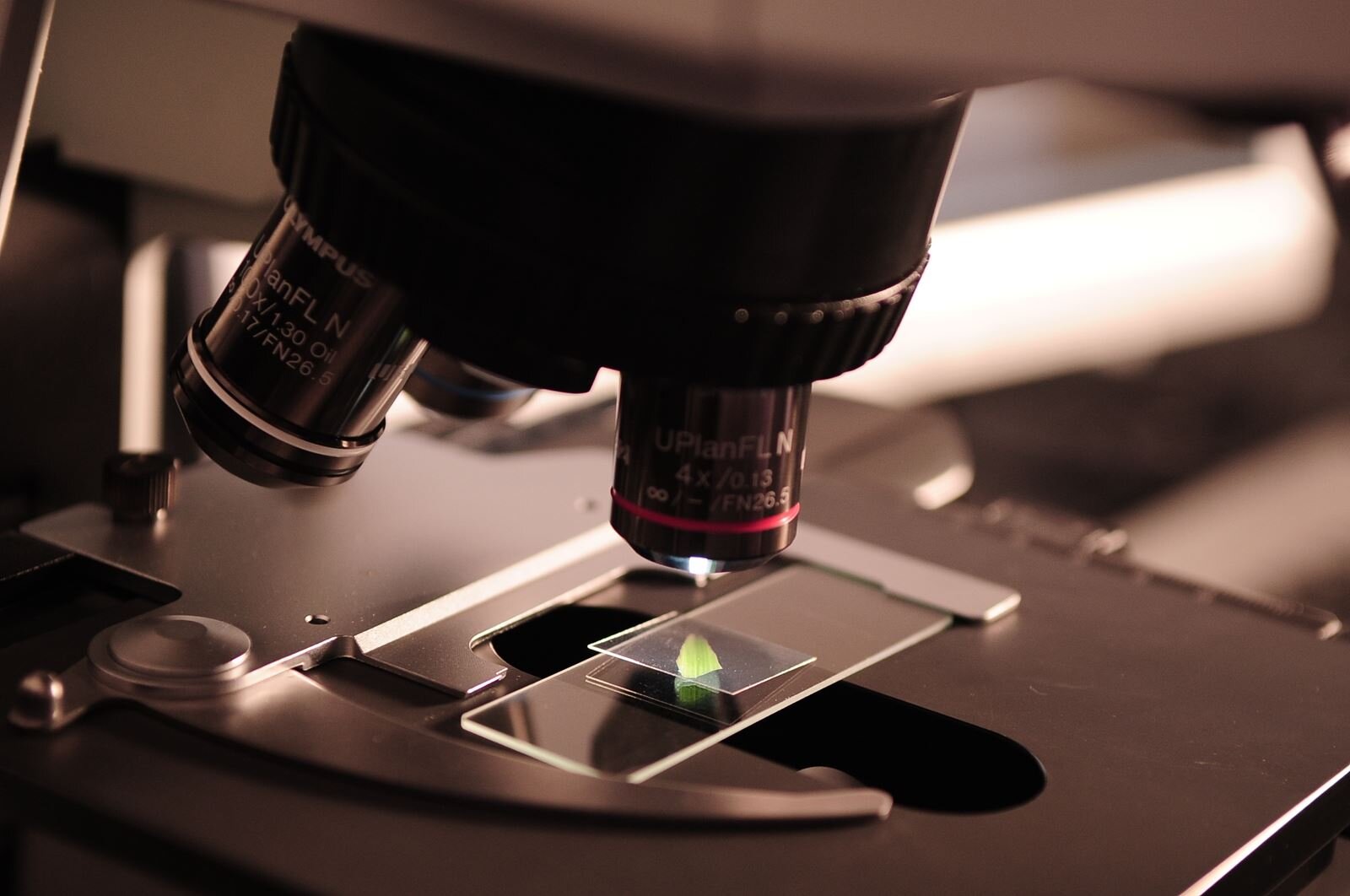
The picture below shows a plant under the microscope. Read the text to find out some interesting facts about living organisms.
Poniższa ilustracja przedstawia roślinę pod mikroskopem. Przeczytaj tekst, aby poznać kilka interesujących faktów o organizmach żywych.
Drag the words from the box to fill in the gaps.
Przeciągnij podane wyrazy w odpowiednie luki.
2. If you don’t 1. plants, 2. water, 3. soil, 4. roots, 5. petals, 6. leaves the plants, they die.
3. Flowers have colourful 1. plants, 2. water, 3. soil, 4. roots, 5. petals, 6. leaves.
4. You can find 1. plants, 2. water, 3. soil, 4. roots, 5. petals, 6. leaves under the ground.
5. The green parts of a plant are called 1. plants, 2. water, 3. soil, 4. roots, 5. petals, 6. leaves.
6. Plants grow in 1. plants, 2. water, 3. soil, 4. roots, 5. petals, 6. leaves.
Read the text to learn more about plants, what they eat, how they grow, and how they are built. Maybe you will be surprised to learn that some plants eat meat, too?
Przeczytaj tekst, aby dowiedzieć się więcej o roślinach – czym się odżywiają, jak rosną i jak są zbudowane. Może zaskoczy cię fakt, że niektóre rośliny są mięsożerne?
How Do Plants Live?(1)
Plants, like animals, need food to survivesurvive, but animals can move and hunt for something to eat while plants can’t. They have to produce their own food. To grow, plants need water, sunlightsunlight and air. Plants can produce their own food thanks to a process known as photosynthesisphotosynthesis. ‘Photo’ means light and ‘synthesissynthesis’ means to produce or put something together. Plants use energyenergy from the sun, together with carbon dioxidecarbon dioxide and water, to produce food. In photosynthesis, plants make glucoseglucose and oxygenoxygen. The first one is a type of sugar, which is food for the plants. The second one is important for humans and animals to breathe.
(2)
Plants typically grow from seedsseeds and consist ofconsist of rootsroots, a stemstem, leaves, flowers and fruits. Each part has a different role to play. Seeds contain geneticgenetic material which makes it possible to turn a seed into a new plant. Roots help absorbabsorb water and nutrientsnutrients from the groundground. The basic function of stems is to transport water and nutrients to other parts of the plant. In some plants, like bananas or cactusescactuses, photosynthesis takes placetakes place in stems. In most plants it happens in leaves.
(3)
Flowers usually have beautiful petalspetals and a nice strong fragrancefragrance to attractattract bees and other insects. Why? Because insects pollinatepollinate the flower, and then it can produce seeds. The seeds are protected by fruit and carried awaycarried away by wind, water or animals. In this way plants can grow in new places.
(4)
Meat‑eating plants can be found all over the world, exceptexcept Antarctica. Did you know that some plants kill and eat insects but also small animals? They can attract, catch and digestdigest their preyprey. How? They produce nectarsnectars or pretendpretend to be flowers by being bright and colourful. This camouflagecamouflage helps them blend intoblend into the environment and catch their victimsvictims. Why do plants eat meat? The answer is simple - they usually grow in places where the soilsoil is thin and there aren’t enough nutrients.
Źródło: Dorota Giżyńska, licencja: CC BY-SA 3.0.
Match the title with the correct paragraph.
Połącz tytuł z odpowiednim akapitem.
Read the beginnings of sentences and match them with correct endings. More than one ending may be correct.
Przeczytaj tekst, a następnie wybierz pasujące zakończenie. Do zdania może pasować więcej niż jedno zakończenie.
Read the sentences and choose matching words. More than one word may be correct.
Przeczytaj zdania i wybierz pasujące wyrazy. Więcej niż jeden wyraz może być poprawny.
- In order to grow, plants need sunlight oxygen carbon dioxide.
- Most plants have a stem petals photosynthesis.
- Roots help absorb oxygen water nutrients from the ground.
- Seeds carry the plant animal genetic nutrient material.
- Some plants catch insects and other small animals thanks to camouflage nutrients nectar.
Match the verbs with their Polish translations.
Połącz czasowniki z ich polskimi tłumaczeniami.
Answer each question in one sentence. Use the given words in your answers.
Na każde pytanie odpowiedz jednym zdaniem. W swoich odpowiedziach użyj podanych wyrazów.
Why is photosynthesis important for humans and animals? OXYGEN / BREATHE
Why and how do flowers attract insects? FRAGRANCE / POLLINATE
How do meat‑eating plants catch their prey? CAMOUFLAGE / PRETEND
Słownik
/ əbˈzɔːb /
pochłaniać
/ əˈtrækt /
przyciągać
/ blend ˈɪntə /
wtapiać się w
/ ˈkæktəsɪz / / ˈkæktəs /
kaktusy [kaktus]
/ ˈkæməflɑːʒ /
kamuflaż
/ ˈkɑ:bən daɪˈɒksaɪd /
dwutlenek węgla
/ ˈkærɪd əˈweɪ / / ˈkæri əˈweɪ /
przenoszone [przenosić]
/ kənˈsɪsts ɒv / / kənˈsɪst ɒv /
składa się z [składać się z]
/daɪˈdʒest/
trawić
/ ˈenədʒi /
energia
/ ɪkˈsept /
z wyjątkiem
/ ˈfreɪɡrəns /
zapach
/ dʒɪˈnetɪk /
genetyczny/genetyczna
/ ˈɡluːkəʊs /
glukoza
/ ɡraʊnd /
ziemia
/ ˈnektəz / / ˈnektə /
nektary [nektar]
/ ˈnjuːtrɪənts / / ˈnjuːtrɪənt /
składniki odżywcze [składnik odżywczy]
/ ˈɒksɪdʒən /
tlen
/ ˈpetl̩z / / ˈpetl̩ /
płatki [płatek]
/ ˌfəʊtəʊˈsɪnthetaəsɪs /
fotosynteza
/ ˈpɒlɪneɪt /
zapylać
/ prɪˈtend /
udawać
/ preɪ /
zdobycz
/ rɪˈliːst ˈɪntə / / rɪˈliːs ˈɪntə /
uwalniany/uwalniana do [uwalniać do]
/ ruːts / / ruːt /
korzenie [korzeń]
/ siːdz / / siːd /
nasiona [nasiono]
/ sɔɪl /
gleba
/ stem /
łodyga
/ ˈsʌnlaɪt /
światło słoneczne
/ səˈvaɪv /
przeżyć
/ ˈsɪnthetaəsɪs /
synteza
/ ˈteɪks ˈpleɪs / / ˈteɪk ˈpleɪs /
ma miejsce [mieć miejsce]
/ ˈvɪktɪmz / / ˈvɪktɪm /
ofiary [ofiara]
Źródło: GroMar Sp. z o.o., licencja: CC BY‑SA 3.0