Przeczytaj
Nowadays, people are less and less interested in crowded shopping centres and discount stores. Instead, they turn in the direction of corner shops. Those small businesses offer a friendly atmosphere and locally sourced products, but there are more reasons to visit them. What are they? Why do so many people choose corner shops? Read the text in this section to find out.
Obecnie ludzie coraz mniej chętnie robią zakupy w zatłoczonych centrach handlowych czy dyskontach. Zamiast tego wybierają sklepiki osiedlowe. Te małe lokalne firmy oferują przyjazną atmosferę i produkty regionalne niedostępne w dużych sklepach, ale jest o wiele więcej powodów, dla których warto je odwiedzać. Dlaczego ludzie wybierają sklepiki osiedlowe? Przeczytaj tekst w tej sekcji, aby się tego dowiedzieć.
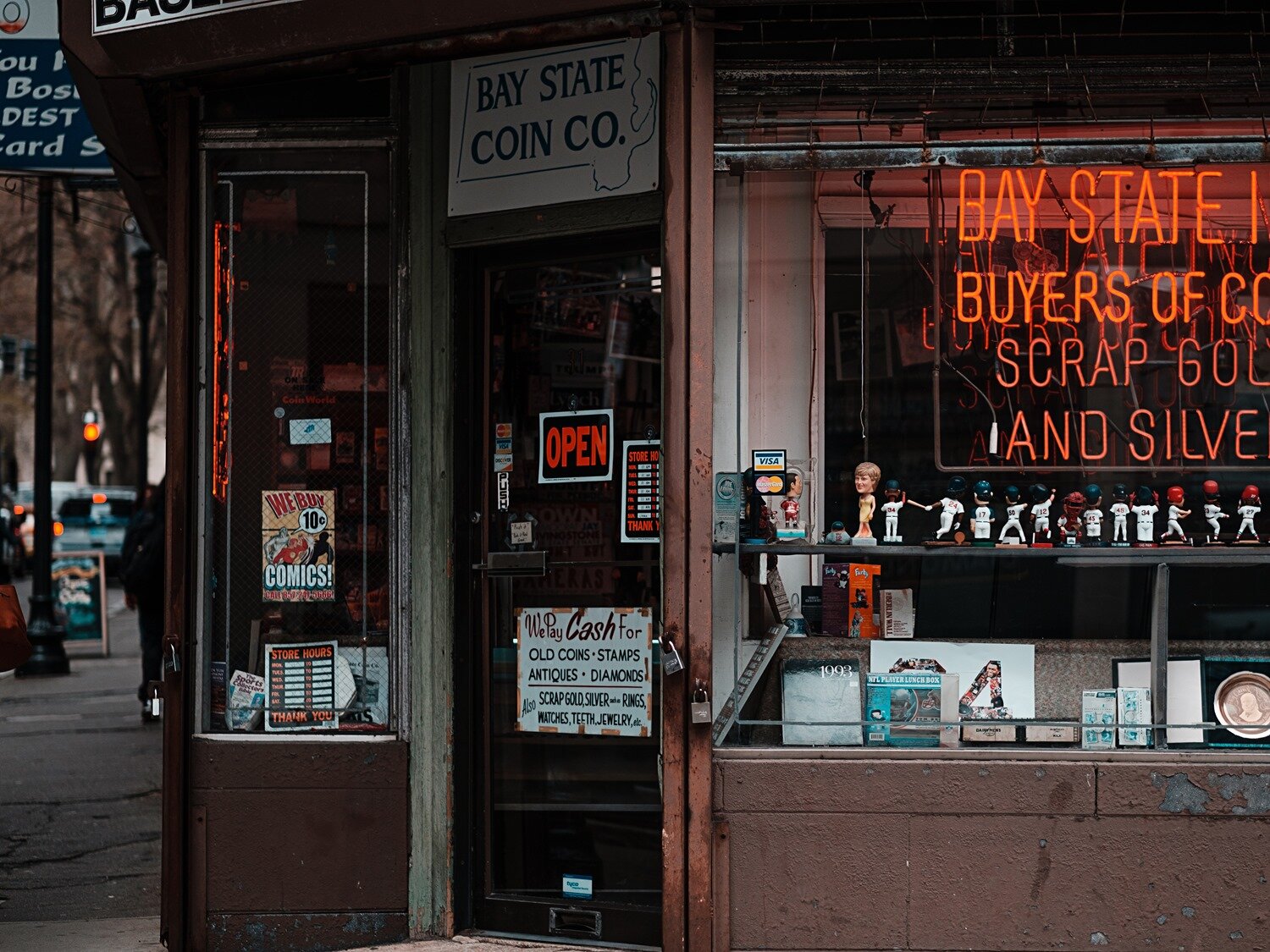
Do you like shopping in corner shops? Why/why not? Give a three‑sentence answer.
Look at the illustration above. Do you like shopping in places like this? Why? Why not? Give a three‑sentence answer.
Read the text about corner shops and then, do the exercises below.
Corner Shop NostalgiaConsumer behaviours seem to be changing constantly. Crowded big shops or shopping malls have lost much of the appealappeal they used to have just a few years ago. There is a somewhat nostalgicsomewhat nostalgic return to shops known as sklepik osiedlowy in Poland, or convenience store in the U.S., in England commonly referred to asreferred to as corner shopscorner shops.
Many of them survived despite the popularity of discount retailersdiscount retailers and the buy in bulkbuy in bulk trend. One of the reasons may be locally sourced productslocally sourced products. After all, there’s nothing quite like fresh produce and goods unavailable anywhere else. It’s simply an experience that big shops cannot hope to fake, even with their promises of “fresh” or “organic” fruit and vegetables.
Corner shops always have the attraction of personal touchpersonal touch. People enjoy the familiarityfamiliarity with which the shop assistant can remind them what them have forgotten to buy again. Perhaps, they may not offer buyers many stock discounts here, but customers can always count on a refundcount on a refund if the goods are faulty. And should they want to return them, it’s only a short walk back to the shop. Isn’t that yet another reason to shop there? There’s no car or public transport required. It’s just a customer, the shop owner they know, and the knowledge that they won’t be met with ever‑impersonalever‑impersonal, if not outright cold, corporate customer service treatment.
In fact, when in a supermarket, one thing customers are definitely deprived ofdeprived of is friendliness. Buyers can hardly expect small talk concerning new deliveriesdeliveries. Instead, they feel the anonymity of retail workers stocking the shelvesstocking the shelves with newly advertised discounted goodsdiscounted goods that they are supposed to buy in huge quantities. That is to say, customers often feel as if they're standing in the waystanding in the way. Some may find it appealing, but in the digital era, a lot of people do, in fact, crave genuine human contactgenuine human contact. Being just another face amongst a crowd of complete strangers is not something they want to be reminded of when shopping.
It seems then that it's not just a matter of nostalgia, but, above all, a craving forcraving for belonging to a place – to feel safe in an equally safe and familiar environment. This is what makes people return to the warm world of convenience storesconvenience stores and their cozy atmosphere that many have already begun to believe are a thing of the pastare a thing of the past. Should you ever want to be reminded of how it feels to be a part of the community, go and visit your local corner shop. It’s even better than you remember.
Źródło: Zdzisław Dudek, Zuzanna Kościuk, licencja: CC BY-SA 3.0.
After reading the text above, check whether you understood it correctly by choosing one of the options for each point below.
a) used to receive a variety of goods, but it’s changed.
b) no longer continue to be attractive to many customers.
c) are now looked on as a nostalgic phenomenon.
2. When in a corner shop:
a) you may be treated as somebody whose shopping habits are well-known.
b) you may enjoy full anonymity and a familiar, albeit a bit cold atmosphere.
c) {you may be constantly reminded by the shop assistants what you ought to purchase.}
3. Shop assistants in a big shop
a) are obliged to inform customers what they have to buy.
b) are usually busy handling deliveries, so they ignore customers.
c) are usually busy making customers’ movement in the shop easy.
4. The cosiness of corner shops
a) has basically become a matter of nostalgia.
b) is partly related to the need for a community.
c) is purely a matter of safety customers demand.
5. You could read this section’s text
a) on a personal blog.
b) in an industry magazine.
c) on a political leaflet.
6. The author of the text
a) appears displeased with the realities of today’s mass retail.
b) longs for the times when discount retailers felt closer to their communities.
c) wishes to remind readers that shopping locally is buying in bulk.
7. The intent of the author may be
a) to discourage people from shopping at big shops because of the atmosphere.
b) to emphasise the importance that communities have in building belonging.
c) to showcase the importance of corner shops in terms of human contact.
Write an answer to the question below in 4–5 sentences.
Do you agree with the author’s take on corner shops? Why? Why not? What are your experiences with them?
Słownik
/ əˈpiːl /
urok, czar (the quality in someone or something that makes him, her, or it attractive or interesting)
/ ɑː(r) ə thetaɪŋ əv ðə pɑːst / / bi ə thetaɪŋ əv ðə pɑːst /
są przeszłością [być przeszłością]
/ baɪ ɪn bʌlk /
kupować hurtowo (buy in large quantities)
/ kənˈviːnɪəns stɔːz / / kənˈviːnɪəns stɔː /
sklepiki osiedlowe [sklepik osiedlowy]
/ ˈkɔ:nər ʃɒps / / ˈkɔ:nər ʃɒp /
sklepiki osiedlowe [sklepik osiedlowy]
/ kaʊnt ˈɒn ə rɪˈfʌnd /
liczyć na zwrot pieniędzy
/ ˈkreɪvɪŋ fɔː / / kreɪv fɔː /
silne pragnienie czegoś [silnie pragnąć czegoś]
/ dɪˈlɪvərɪz / / dɪˈlɪvəri /
dostawy [dostawa]
/ dɪˈpraɪvd ɒv / / dɪˈpraɪv ɒv /
pozbawieni (czegoś) [pozbawić (czegoś)]
/ ˈdɪskaʊnt ˈriːteɪləz / / ˈdɪskaʊnt ˈriːteɪlə /
dyskonty [dyskont]
/ dɪsˈkaʊntɪd ɡʊdz / / dɪsˈkaʊntɪd ɡʊd /
przecenione produkty [przeceniony produkt]
/ ˈevər ˌɪmˈpɜːsənl̩ /
bezosobowe
/ fəˌmɪlɪˈærɪti /
tu: swojskość
/ ˈdʒenjʊɪn ˈhjuːmən ˈkɒntækt /
autentyczny ludzki kontakt
/ ˈləʊkl̩i sɔːst ˈprɒdʌkts / / ˈləʊkl̩i sɔːst ˈprɒdʌkt /
produkty lokalne [produkt lokalny]
/ ˈpɜːsənl̩ tʌtʃ /
osobiste podejście
/ rɪˈfɜːd tu æz /
tu: nazywany/nazywana (called)
/ ˈsʌmwɒt nɒˈstældʒɪk /
nieco nostalgiczne
/ ˈstændɪŋ ɪn ðə ˈweɪ / / stænd ɪn ðə ˈweɪ /
przeszkadzające [przeszkadzać]
/ ˈstɒkɪŋ ðə ʃelvz / / stɒk ðə ʃelvz /
zapełnianie półek towarami [zapełniać półki towarami]
Źródło: GroMar Sp. z o.o., licencja: CC BY‑SA 3.0