The New Man
to characterize the new personal standards of the [Renaissance man] wereRenaissance man;
to define the Renaissance religiousness;
to list the Renaissance career paths;
to explain how the Renaissance society functioned;
to desctibe the specific features of the new art were and who its key creators were.
In the Renaissancethe Renaissance there was a need to make the places of worship beautiful, which was treated as a manifestation of deep religiousness. At the same time, the religiousness of the founders had to be known and admired. This had a great impact on the wonderful development of sacred art: churches were expanded, new chapels were founded, interiors were decorated with magnificent paintings and sculptures, massive domes were built and church facades were decorated.
On the other hand, the former exemplary of asceticism was replaced by the exemplary a religious reformer. The former ideal of the knight also changed under the influence of the new reality. Because of that appeared the ideals of: knight‑ruler, knight‑landowner, knight‑explorer, knight‑soldier, knight‑courtier and the ideal of the defender of the true faith. In the Italian Renaissance city states, patronagepatronage played an important role, thanks to which their representativeness and prestige grew. The main recipient of this splendour was the court.
The circles of Renaissance Florentine manors became a cradle of new personal ideals. Scholar, humanisthumanist, art connoisseur, writer, artist – all these social roles were formed in early Renaissance Italy and them adopted by the whole Europe. Therefore, a completely new opportunity for social advancement had emerged. Such a career opportunity was mainly open to the townsmen. Grand families ruling in Italy built their prestige through art. Large sums of money invested in art and its creators made it possible for eminent artists like Michaelangelo, Leonardo da Vinci and Raphael to create magnificent works of art.
Familiarise yourself with the most important Renaissance events and organize your knowledge. Which of the events were the most important and why?
Nominating your relatives to public offices is called nepotism. This term is taken from the word „nepos”, which means „grandchild” or „nephew” in Latin.
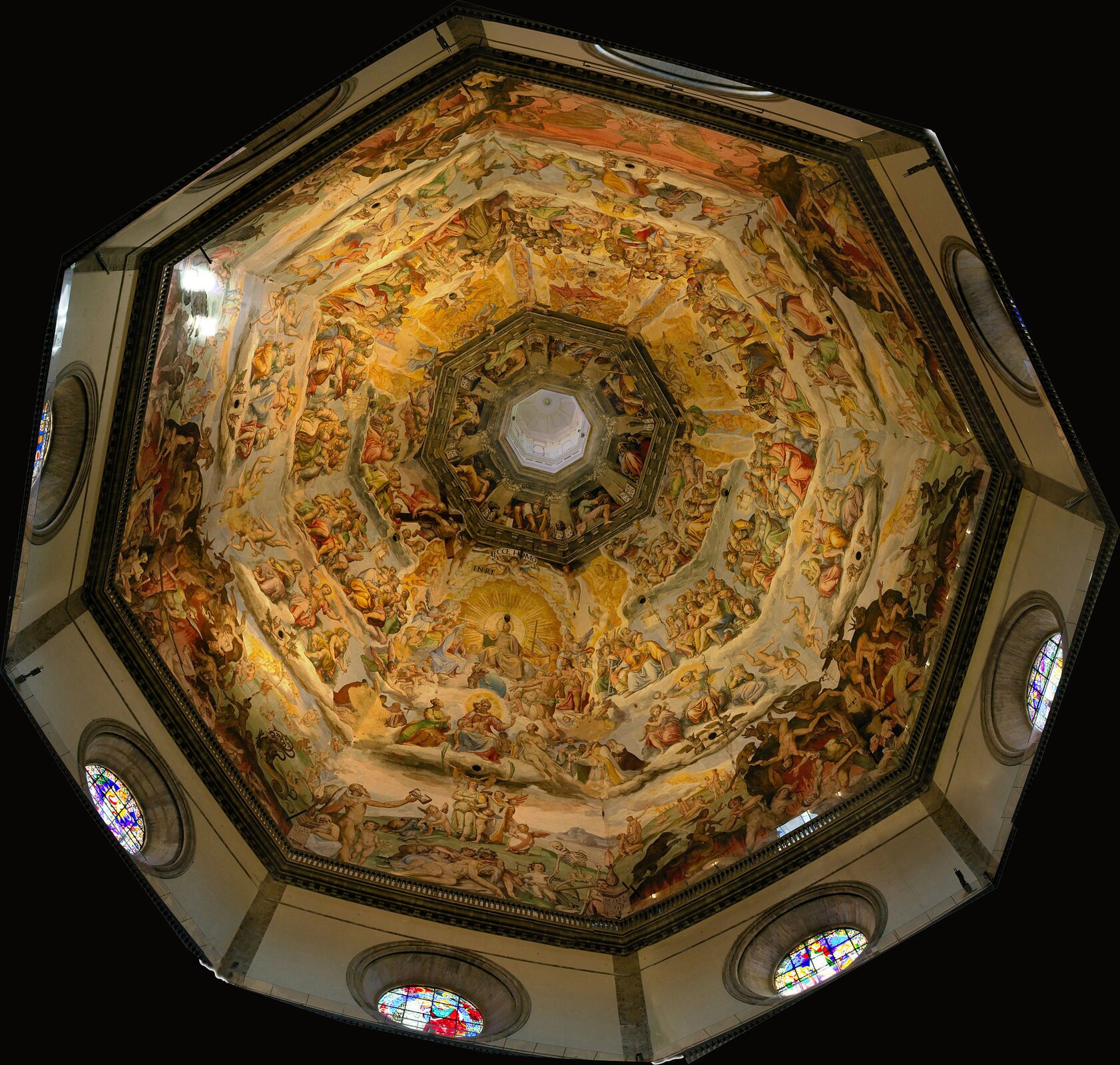
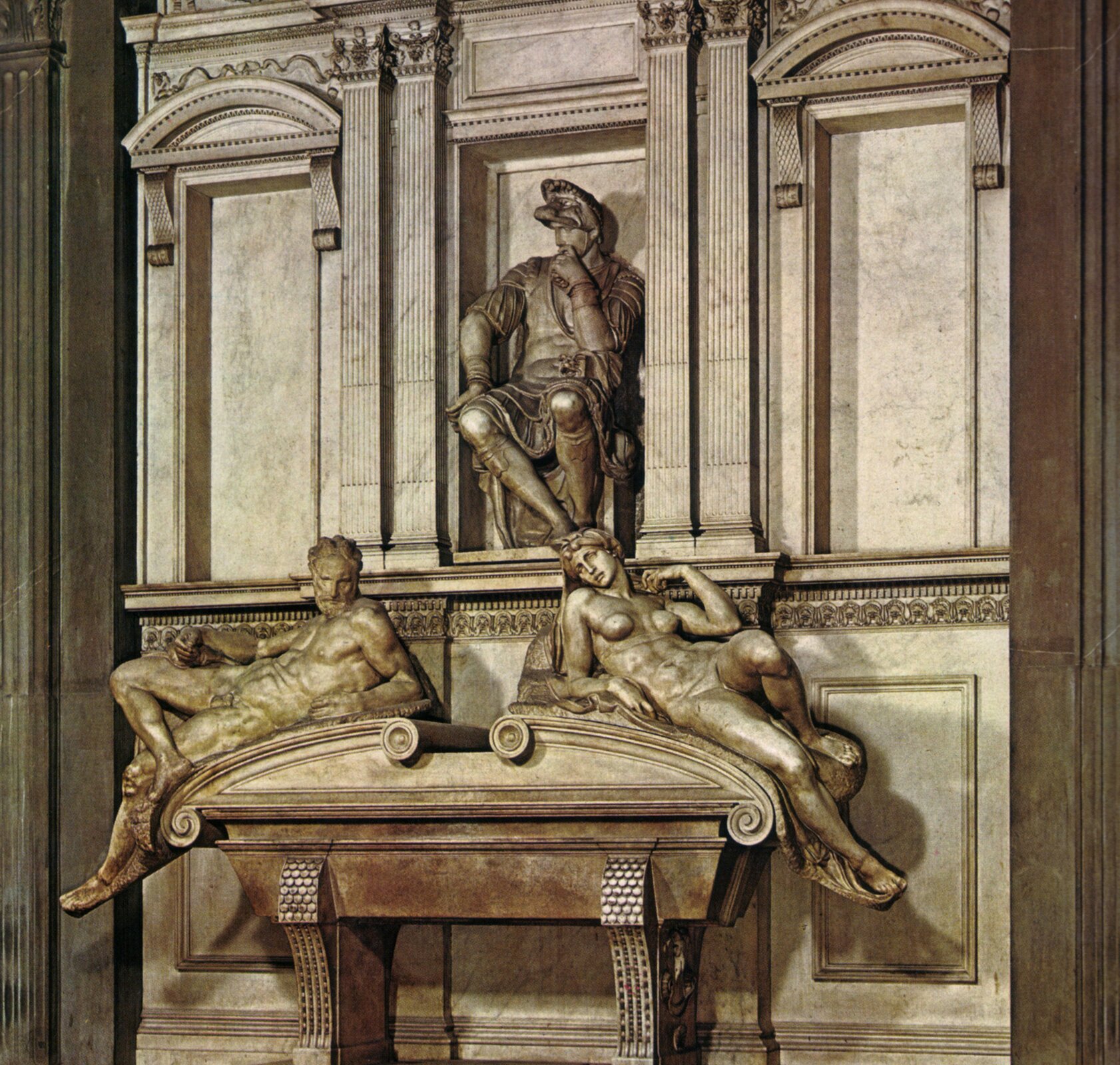
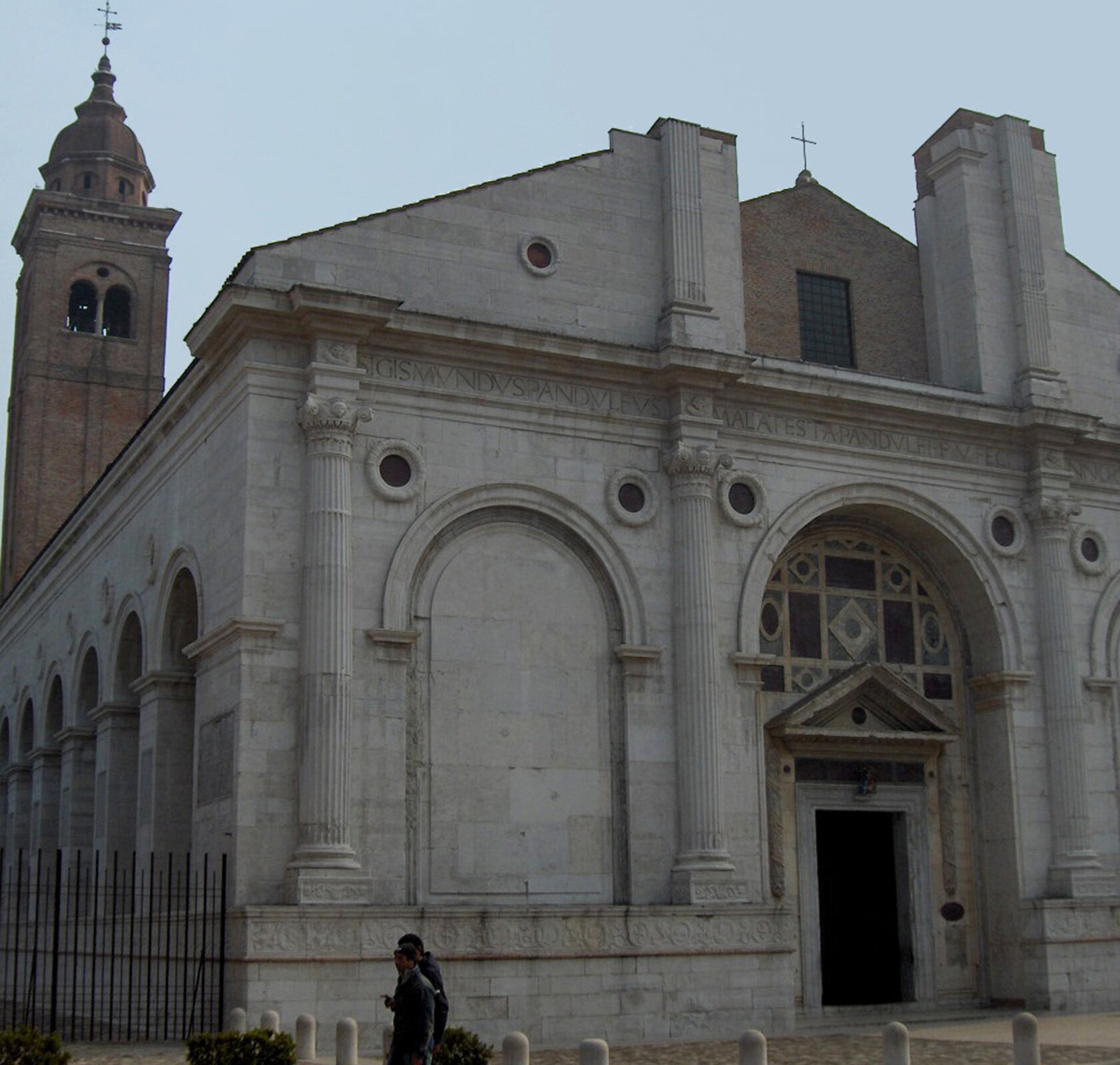
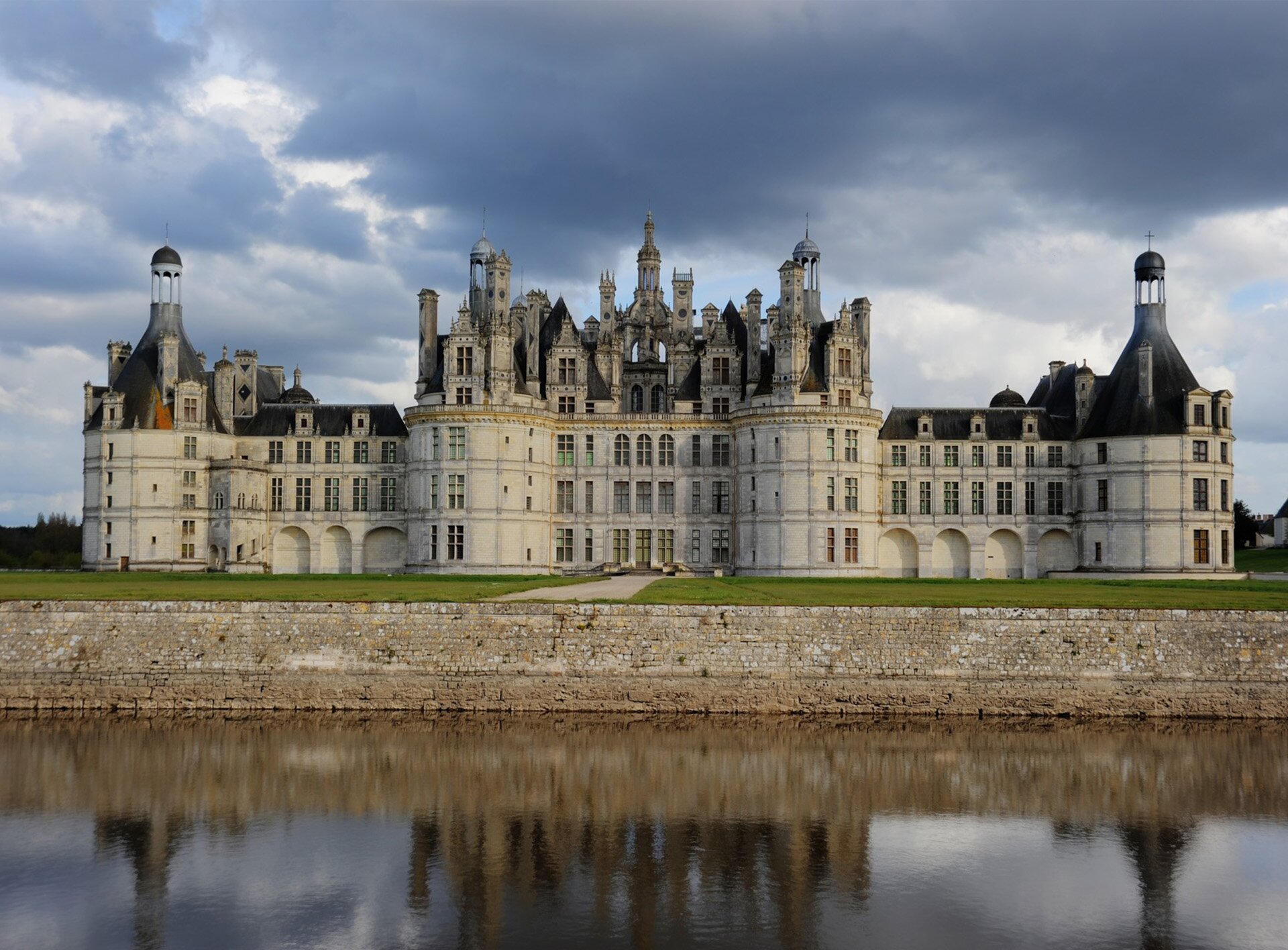
What common elements do you see in these photographs? Which of them are you able to properly name?
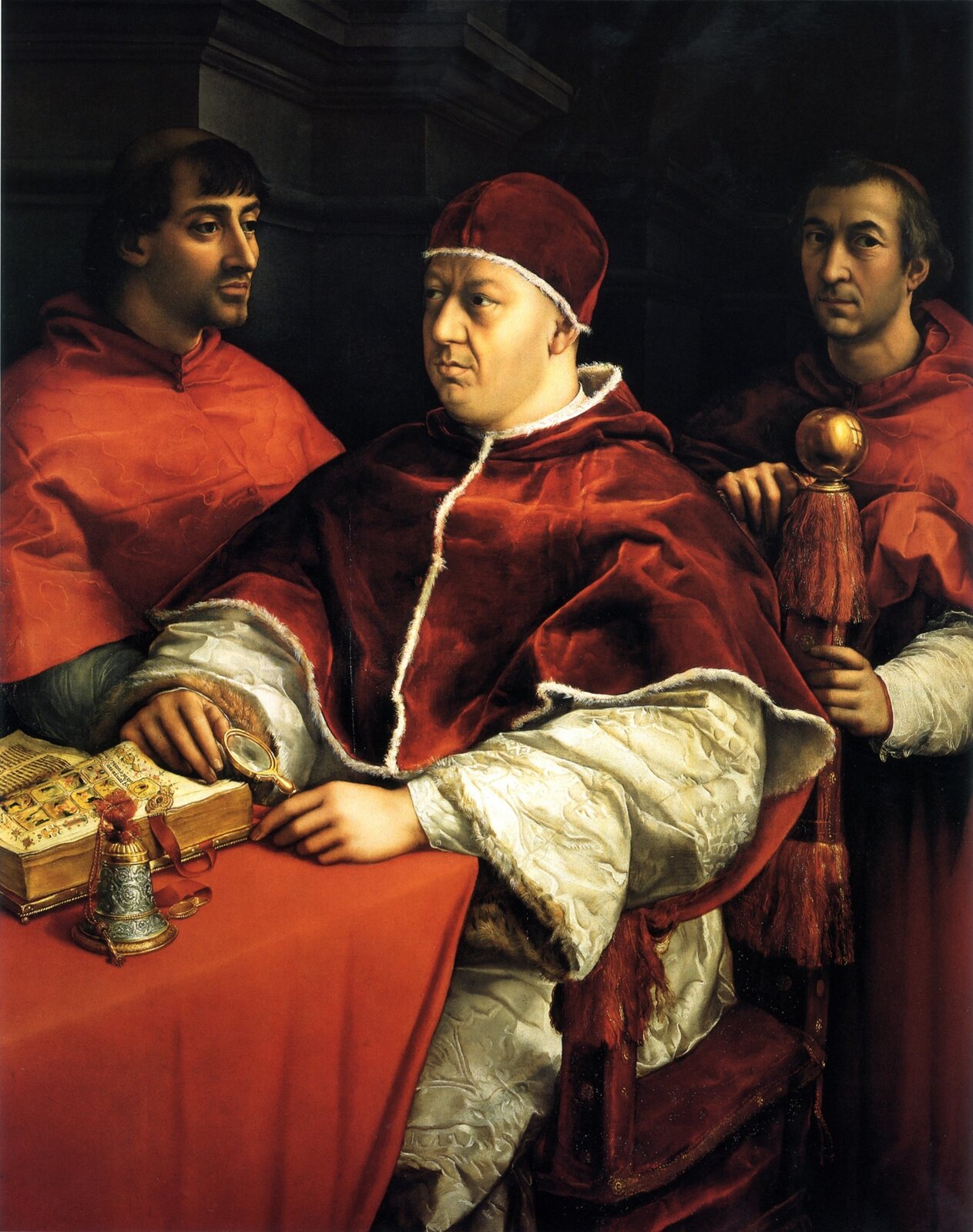
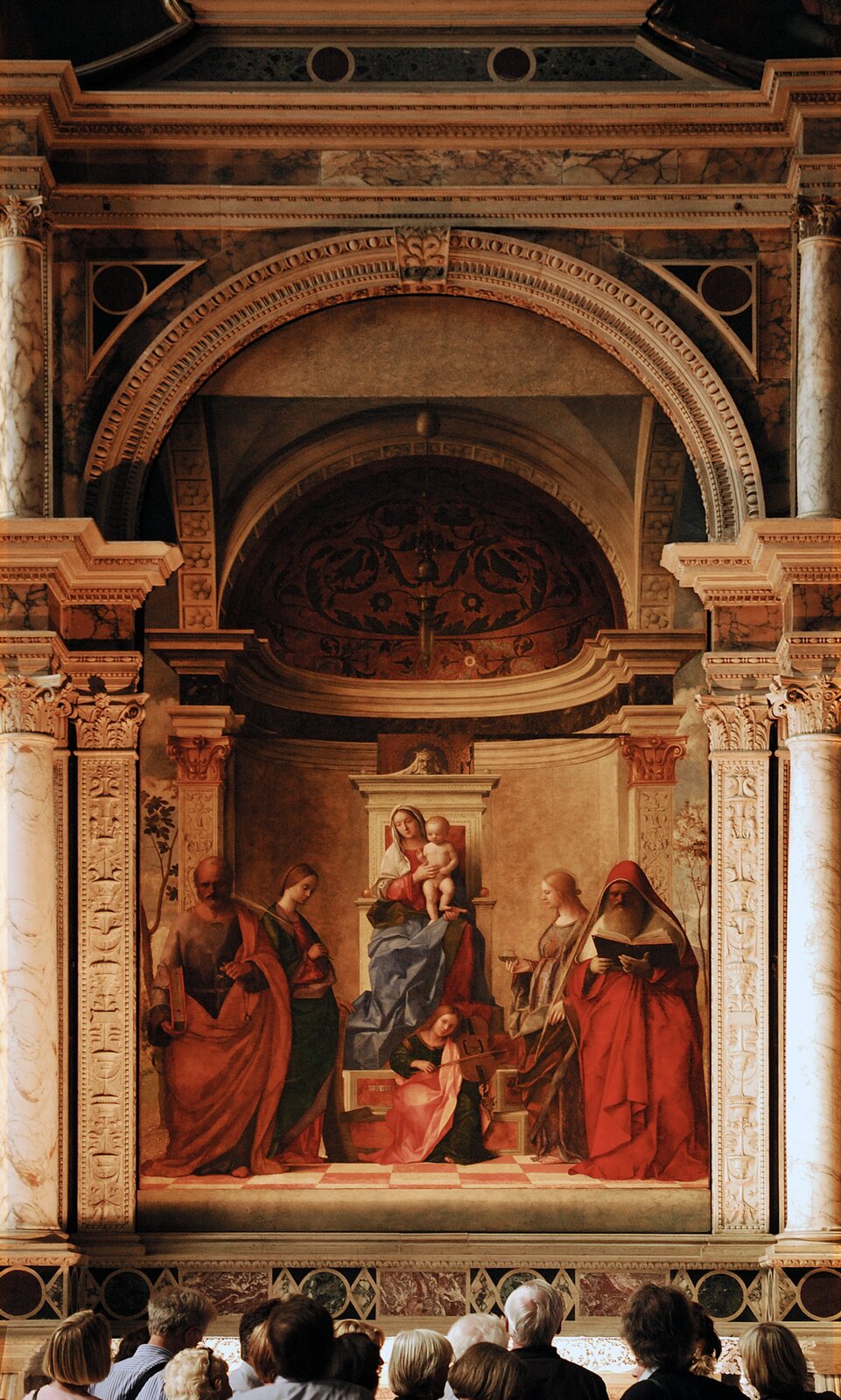
What are the height proportions of the figure? Who is the most important in this composition and was it emphasised by the size of the image? Draw the lines joining the capitals, i.e. the highest points of the arches of the painted building, and specify where they intersect. Describe what is the symbolic and compositional meaning of this.
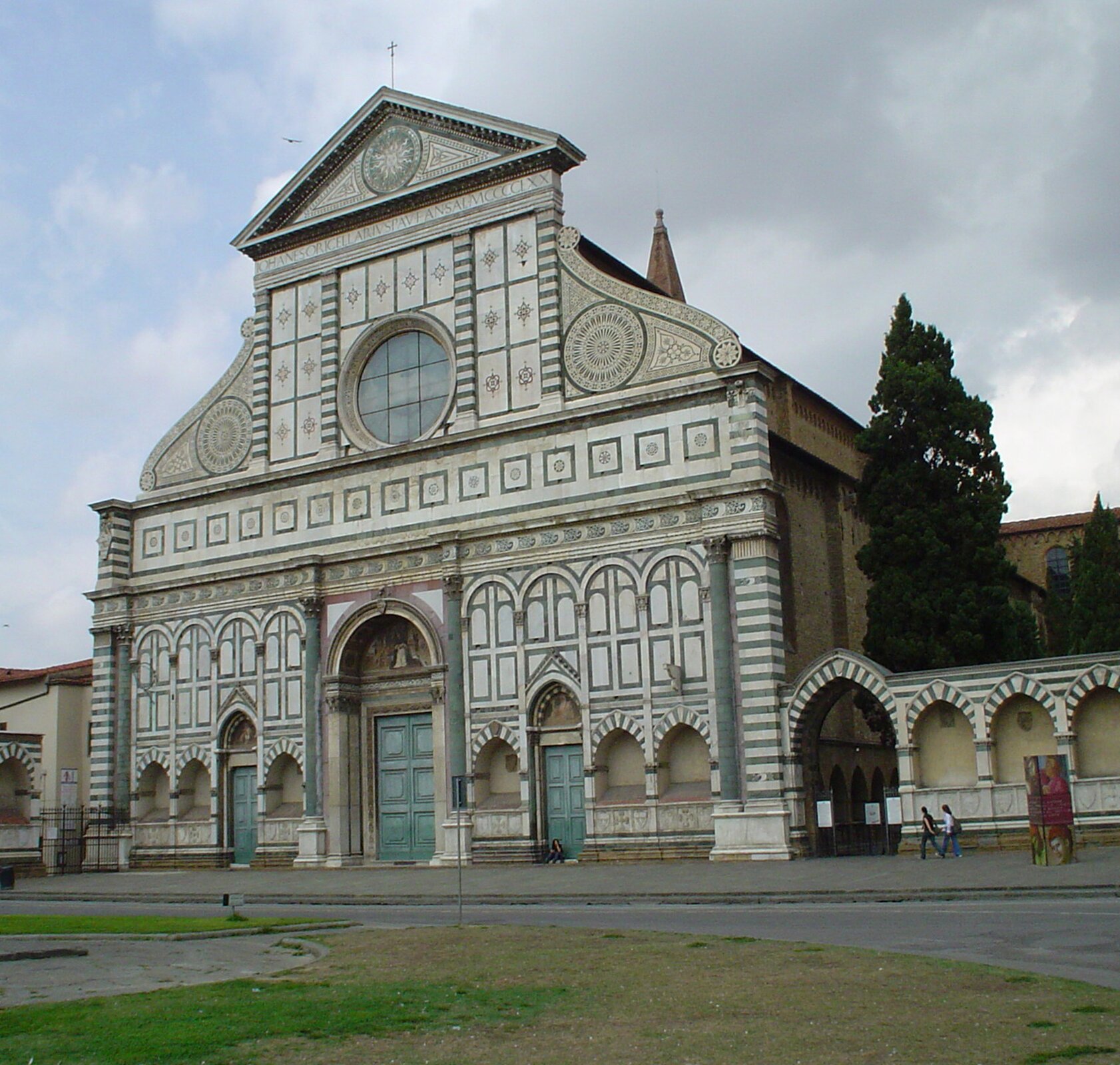
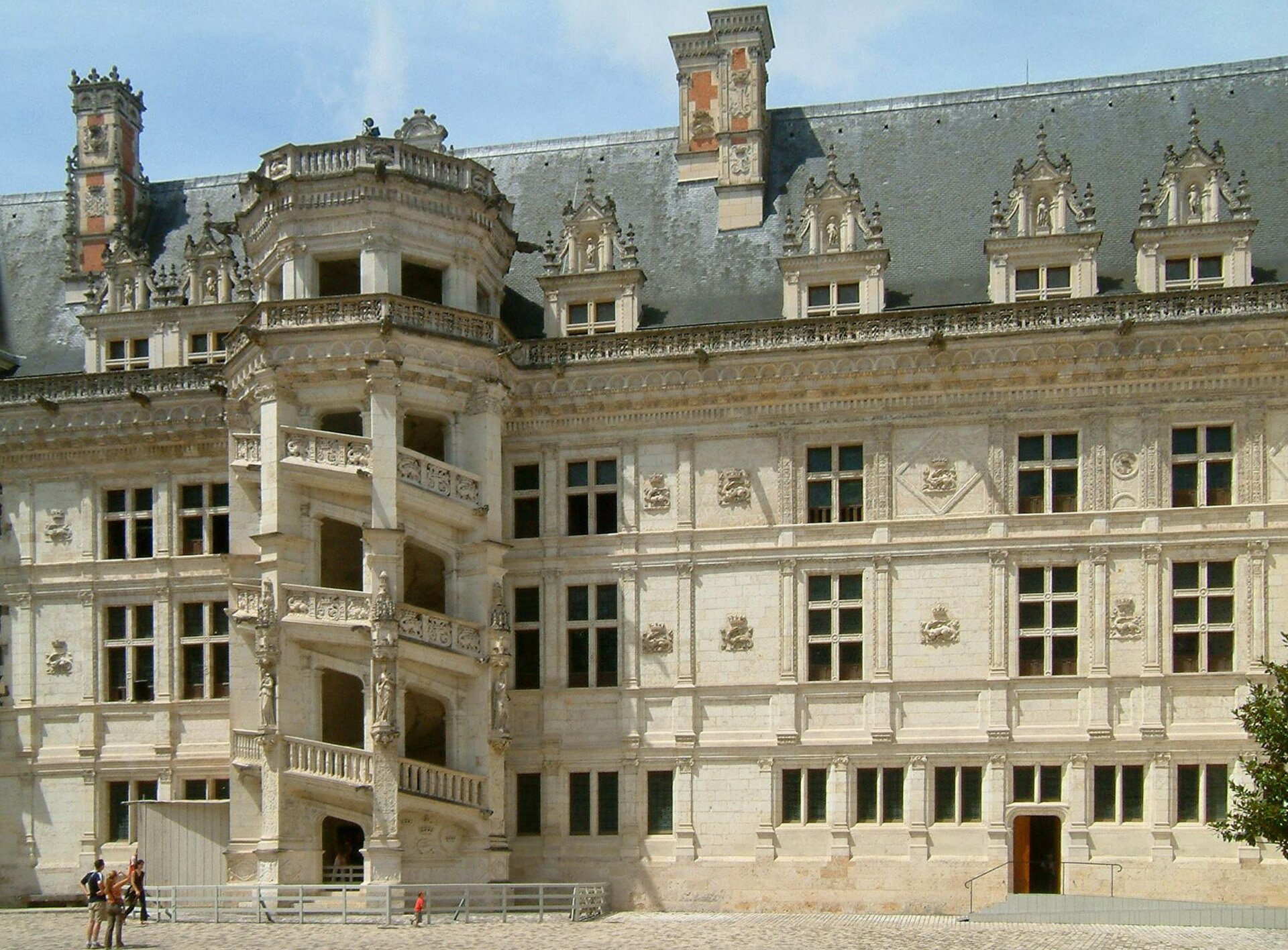
Pay attention to the architectural details, the window frames, the headstalls above the windows, the sections of the wall between the windows and the sections between the floors. What indicates that this is the Renaissance style?
Point out the most important works by Michelangelo.
- "The Last Judgement" fresco in the Sistine Chapel
- the sculpture depicting David
- The Pity
- Venus of Milo
Create a crossword with the word RENAISSANCE as its password.
Keywords
Renaissance, humanism, antique, Roman law, Renaissance man, Franciscans, Luther
Glossary
Renesans – epoka nazywana odrodzeniem sztuki i nauki, trwająca w Europie od XV do połowy XVII wieku (w niektórych krajach europejskich). W czasie jej trwania nastąpił wzrost zainteresowania antykiem i ludzkim ciałem.
Humanizm – główny prąd intelektualny epoki renesansu powstały we Włoszech w XV wieku. Zakładał, że człowiek i jego ziemskie życie jest najwyższą wartością.
mecenat – opieka wpływowych i bogatych miłośników nauki i sztuki nad artystami. Wspomagają oni finansowo artystów zatrudniając ich w swoich posiadłościach lub zlecając tworzenie dzieł sztuki, np. obrazów, rzeźb.
człowiek renesansu – określenie osoby wszechstronnie wykształconej, posiadającej rozległą wiedzę z różnych dziedzin nauki.
Antropocentryzm – człowiek w centrum zainteresowania nauki kultury i sztuki.