Why ‘Great’? Why ‘World’? War of 1914-1918
to reflect on the cruelty and senselessness of war;
what the military alliances were and which countries took part in the war;
the causes, course and effects of the World War I;
how the achievements of science and technology were used in the military activities of the Great War;
to analyze caricature and historical photographs.
In 1914 a war broke out, which was later called the Great War or the World War. The reason for this were the conflicting interests of European superpowers. They formed two large blocks: The Triple AllianceTriple Alliance (Germany, Austria‑Hungary and Italy) and the Triple EntenteTriple Entente (France, United Kingdom and Russia). The ‘spark that set off the powder keg’ was the murder of the Austrian successor to the throne, Franz Ferdinand, in Sarajevo.
The Italians joined the Triple EntenteTriple Entente. Other European countries also joined the war. Bulgaria and Turkey fought on the side of the Triple AllianceTriple Alliance (called the Central Powers). On the side of the Triple EntenteTriple Entente – Serbia, Belgium, Romania, Greece, and at the end of the war – the United States. Some countries declared neutrality. For four years there were fierce struggles, both on the European continent and in the coloniescolonies. Fights took place on land, at sea and in the air.
New weapons and technologies appeared and developed – heavy artillery, machine guns, aircraft, tanks, combat gases and submarines. The war ended in the autumn of 1918 with the defeat of the central powers. Many millions of soldiers died, and European countries plunged into an economic crisis. A wave of revolutions swept through Europe, abolishing the Russian, German and Austro‑Hungarian monarchies. Poland regained independence as a result of the collapse of all its three partitioners.
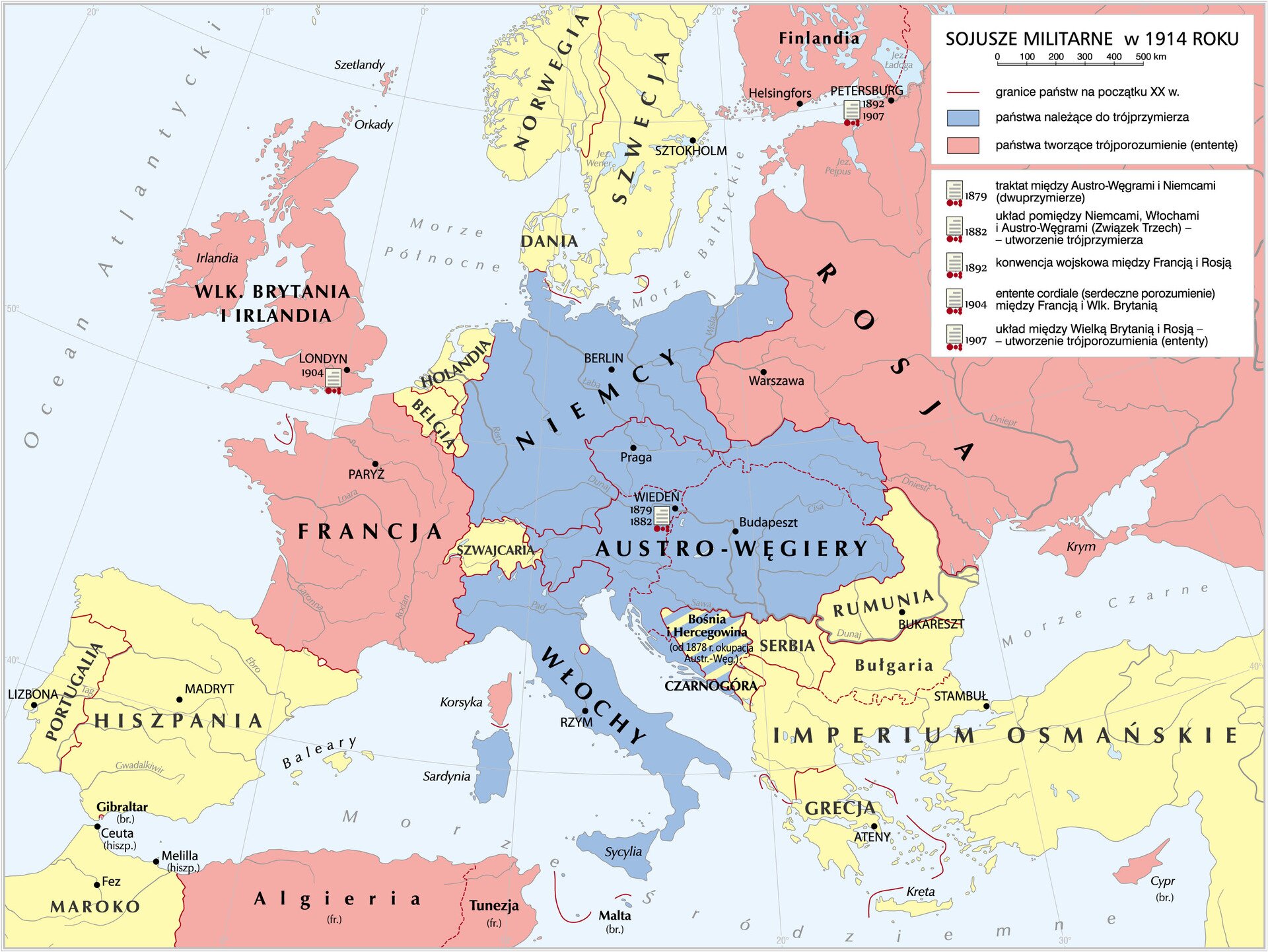
Drag and drop the items to the correct place.
Great Britain, Germany, Russia, Italy, Austria-Hungary, France
| Triple Alliance | |
|---|---|
| Triple Entente |
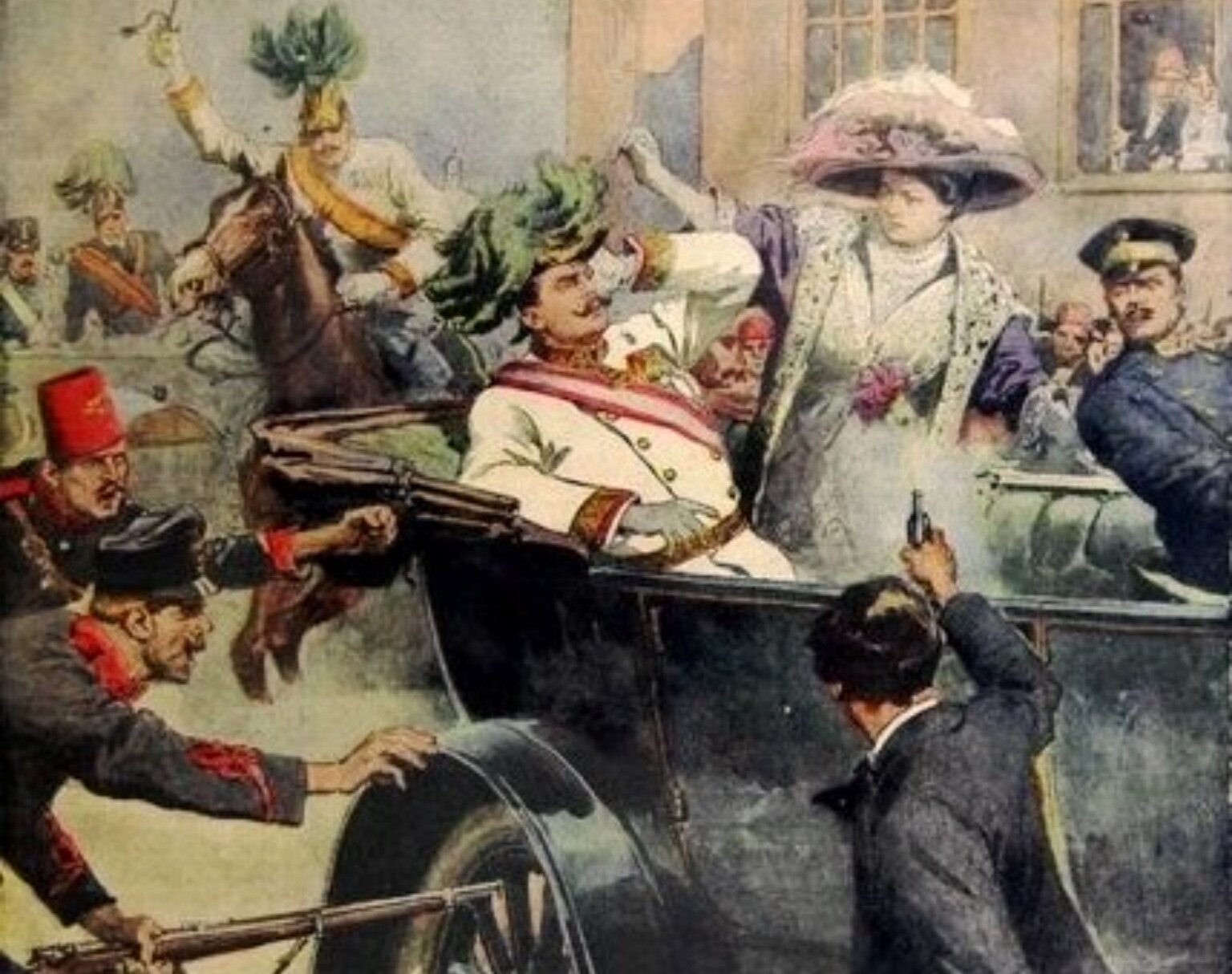
How could the following 19th‑century inventions be used during the war? Which of them, in your opinion, could have the greatest impact on changing the way war was waged? Number them from 1 to 4, 1 being the biggest influence, 4 – the smallest. Discuss your ideas and decisions with your classmates. Write them down and keep them.
railways and steamships
factory
telegraph and radio
photography and film
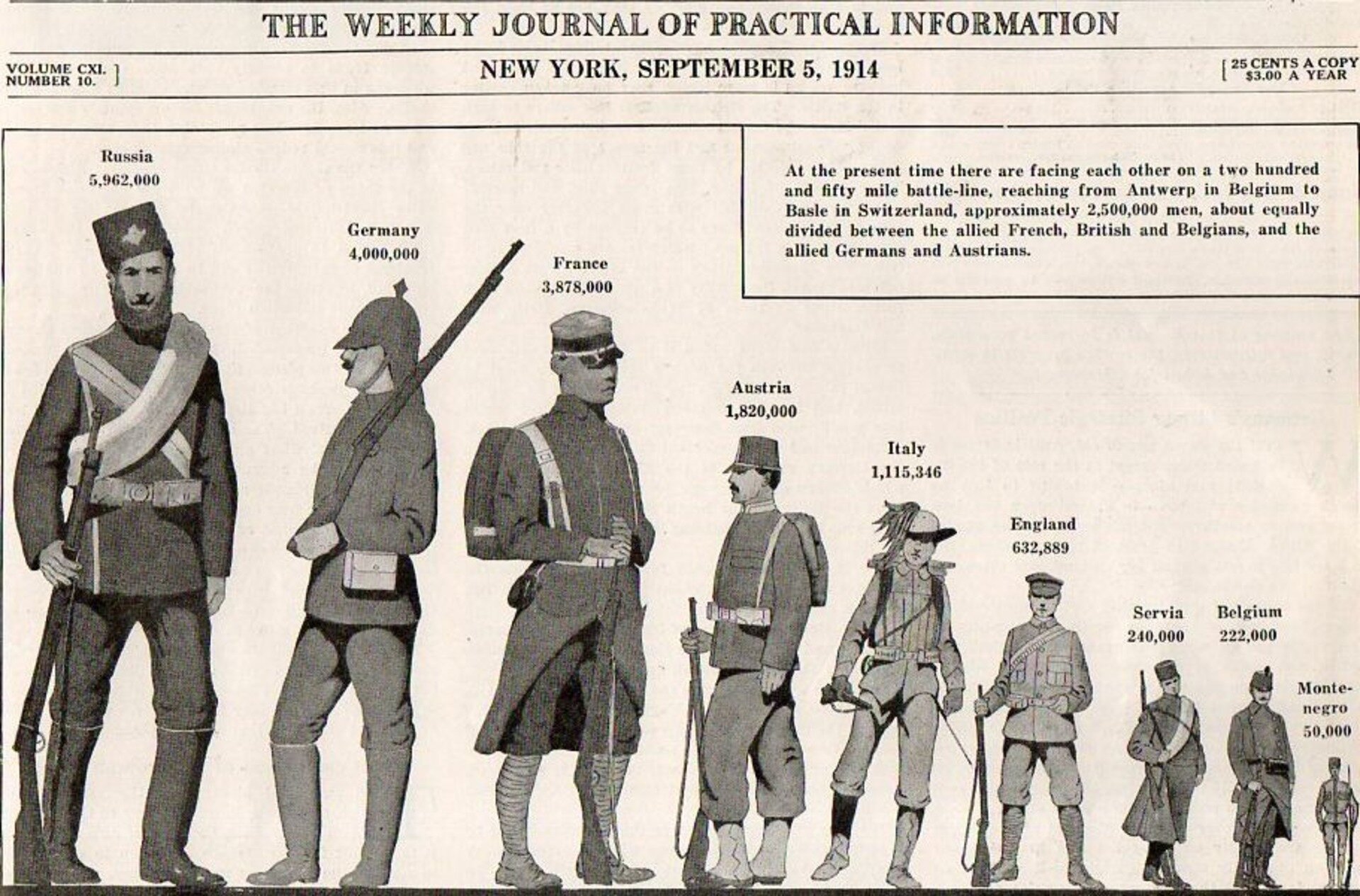
Count the soldiers of both blocs and enter the result below.
Central Powers (excluding Italy) - ..............
Triple Entente (excluding Italy) - ................
Which party was outnumbered?
- Triple Entente
- Central Powers
Read about the first tanks and think how they contributed to the course of the war.
Which bloc gained more allies during the war?
- Triple Entente
- Central Powers
Who, in your opinion, was the most important ally of the Alliance?
- United States of America
- Portugal
- Japan
- China
Soldiers of which bloc, in your opinion, were better nourished at the end of the war?
- Triple Entente
- Central Powers
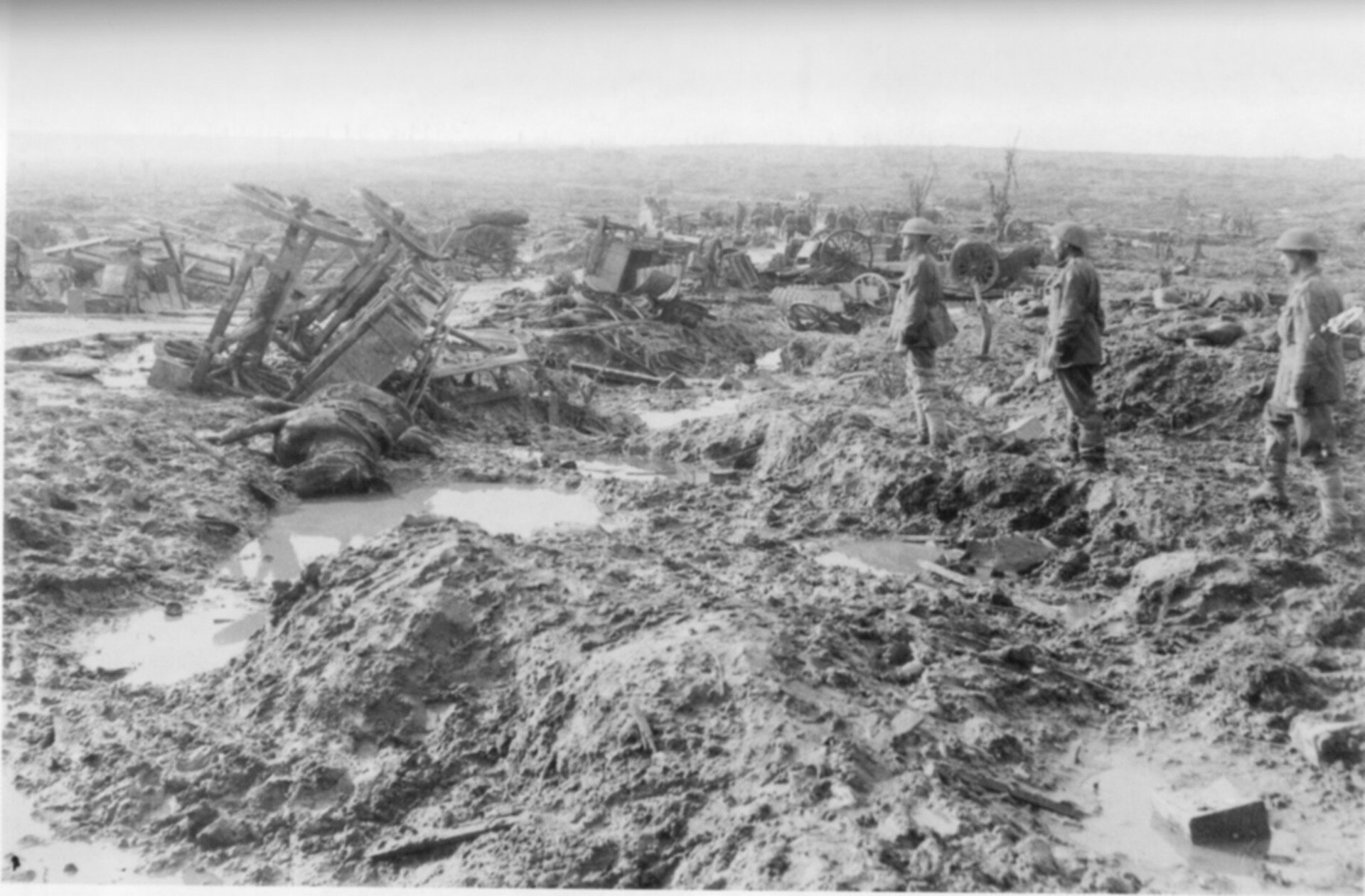
Country | Number of casualties |
Great Britain | 995 939 |
Belgium | 120 637 |
France | 1 697 800 |
Greece | 176 000 |
Italy | 1 240 000 |
Romania | 700 000 |
Russia | approx. 3 500 000 |
Serbia | 725 000 |
USA | 117 465 |
Austria‑Hungary | 1 567 000 |
Bulgaria | 187 500 |
Germany | 2 476 897 |
Turkey | 2 921 844 |
Arrange in the correct order.
- Serbia
- Italy
- Great Britain
- Belgium
- Russia
- France
- Germany
- Turkey
- Austria-Hungary
- Romania
Mark true sentences regarding the effects of a war.
- Death of about 11 million people.
- New countries have emerged, including Poland, Czechoslovakia, Austria, Hungary, Lithuania, Latvia and Estonia.
- Austria-Hungary was deprived of a colony.
- Gdańsk became a free city under international control.
- Emancipation, getting full rights by women.
- Huge damage to the areas where the fighting took place.
- The collapse of the US economy.
- Invention of the aircraft.
Divide the states into those that ceased to exist and those that emerged after the First World War.
Czechoslovakia, German Empire, Estonia, Montenegro, Finland, Serbia, Austria, State of Slovenes, Croats and Serbs, Poland, Latvia, Hungary, Lithuania, Ottoman Empire, Austria-Hungary
| States that ceased to exist | |
|---|---|
| States that emerged |
Keywords
the Great War, Triple Entente, triple Alliance, propaganda, trenches, pacifism
Glossary
trójprzymierze – państwa centralne, tajny obronny układ pomiędzy trzema państwami – Niemcami, Austro‑Węgrami i Włochami w okresie przed i w czasie I wojny światowej (już bez Włoch).
trójporozumienie – w czasie I wojny światowej przymierze państw utworzone przez Rosję, Francję i Wielką Brytanię i ich sojuszników.
kolonia – posiadłość państwa, która znajduje się poza jego granicami, ale bezpośrednio mu podlega.
propaganda – działania medialne zmierzając do zmiany poglądów, postaw i zachowań odbiorcy zgodnie z oczekiwaniami propagandzisty.
u‑boot – niemiecki okręt podwodny.
okopy – fortyfikacja ziemna w postaci głębokiego rowu, wykopu chroniąca przed ostrzałem przeciwnika.
pacyfizm – ruch społeczny, którego celem jest propagowanie pokoju i potępienie wszelkich działań wojennych.