Encounters with history – Peeking into the past
to understand the special features of work of historians and archaeologists;
to distinguish 3 types of historical sources (material written, material non‑written, non‑material sources), and match selected examples with these sources;
to distinguish historical information from the process and outcomes of inferencing based on such information, and to provide simple examples of presuppositions;
that making inferences about the past can be erroneous and requires people to analyse the frame (presuppositions) that people use to look at the past;
to construct a simple historical narrative: select and chronologically order events of importance for the history of your own family.
How to make history
History is the study of the past. A historianhistorian is a person who researches and studies historical sources to find out what life was like in the past: how people lived, what they did and what they achieved. We define historical sources as traces of human activity. A historical source is any leftover of the past which helps us learn about bygone days. A historical source can be a written sourcewritten source (e.g. chronicle, inscription, document, memoir, letter or newspaper), an iconographic sourceiconographic source (e.g. relief, painting or photograph), a building, a work of art or an object of everyday use. Archaeological sources, i.e. sources excavated from archaeological sites, are a separate category of historical sources. These can be parts of broken kitchen utensils, tools, ornaments or weaponry. It is the job of archaeologists to locate, discover, and study archaeological sources.
Żródła historyczne
Material written sources
For example: chronicles, letters, journals, memoirs, inscriptions, notes, documents, newspapers.
Material non-written sources
For example: buildings and everyday items;
archaeological sources (sources excavated from archaeological sites): parts of broken kitchen utensils, tools, ornaments or weaponry; work of art, iconographic sources: relief, painting or photograph.
Non-material sources
For example: songs, tradition, customs, beliefs, oral stories, legends.
Familiarize yourself with the description of the work of a historian and archaeologist. Describe the difference.
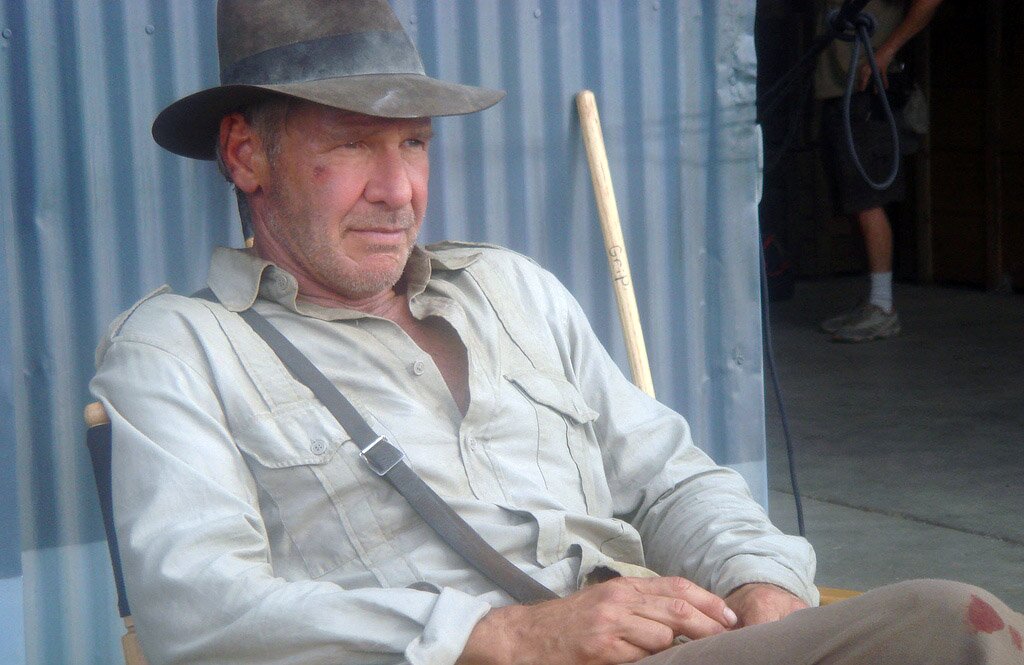
HistoriansHistorians deal with discovering the past. The most important source of information for them are various types of texts: old chronicles, diaries, letters, documents and even inscriptions carved in stone (under statues, on walls or tombstones). Wanting to learn something about the recent past, a historian can also talk with living participants and witnesses of events or analyze stories given to them by parents, grandparents or acquaintances.
However, many traces of the human past, especially the most ancient ones, have found themselves underground with time. They were covered with sands of the desert, forests grew over them, they were buried under piles of rubbish, debris and mud. In place of old, damaged or dismantled buildings, new ones were built. The archaeologistsarchaeologists deal with excavating and studying the lost traces of our ancestors.
Listen to the recording presenting several breakthroughs events in history.
Nagranie dostępne na portalu epodreczniki.pl
Nagranie lektorskie
1969
It was a breakthrough moment for your grandparents, almost like the beginning of a new era. Something happened that people had dreamed of for a very long time. That day, for the first time in history, man had succeeded in setting his foot on the Moon. The Americans did it. Before this, the Russians had sent the dog Laika to travel in space.
1981
You may have heard about the next breakthrough event from your parents. Today, most of us use electronic devices, laptops, tablets or smartphones without wondering about where they came from. Meanwhile, the first personal computer - reminiscent of what you know today, was developed several years after the Americans’ expedition to the Moon. Over time, it began to improve and disseminate, although initially, not everyone could afford it. However, we cannot imagine life without electronics ever since.
1996
Just over ten years later, something absolutely groundbreaking happened again. In Scotland, Dolly the sheep was born, the first mammal to be cloned by humans. This means that a sheep was created identical to another sheep, yet different from all others. The media heated up a discussion about the possibilities, or rather the risk, of human cloning. Until today, it has not been decided to take this step. People generally agree that this possibility would be wrong.
2009
Over a decade later, in the United States of America, a African‑American politician won the presidential elections for the first time in US history - Barack Obama. He is a great husband and father, plus a book lover. He and his wife Michelle have done a lot to improve the situation of people suffering from poverty, not only Americans, and for world peace.
2016
In the summer of this year, youth from all over the world gathered in Cracow. The newly elected pope, Francis, also came to the ceremony. Such meetings, taking place regularly in various cities around the world, are an important event for Catholics.
Assign the given examples of historical sources to the right place.
the first hairbrush, favorite mascot, electric toothbrush, class photo, your diary, Your photos, correspondence, the first moneybox, newspapers
| written sources | |
|---|---|
| iconographic sources | |
| everyday objects |
Create a crossword using the phrases used in the lesson. Make sure that the answer is related to a historical event that took place during your life.
Language practice. Match pairs: English and Polish words.
archeolog, historyk, zwyczaje, artefakty, źródło ikonograficzne, źródła pisane
| written sources | |
| iconographic source | |
| artefacts | |
| customs | |
| historian | |
| archeologist |
Keywords
history, archeology, past, chronology, sources
Glossary
źródła materialne – wszystkie fizyczne ślady pozostawione przez człowieka. Dzielą się na pisane i niepisane.
materialne źródła pisane – np. kroniki, roczniki, pamiętniki, korespondencja, dzieła literackie, dokumenty, napisy na budowlach historycznych
materialne źródła niepisane – np. przedmioty codziennego użytku, uzbrojenie, obiekty architektoniczne, groby, dzieła sztuki
źródła niematerialne – np. legendy, obyczaje
źródło ikonograficzne – podsuwa informacje o przeszłości poprzez obraz (dzieła sztuki, fotografie)
artefakty – w archeologii przedmioty będące wytworem rąk ludzkich
zwyczaje – przyjęte sposoby postępowania w określonych sytuacjach
historyk – badacz materialnych i niematerialnych śladów przeszłości
archeolog – badacz materialnych śladów przeszłości, wymagających wydobycia z ziemi