Przeczytaj
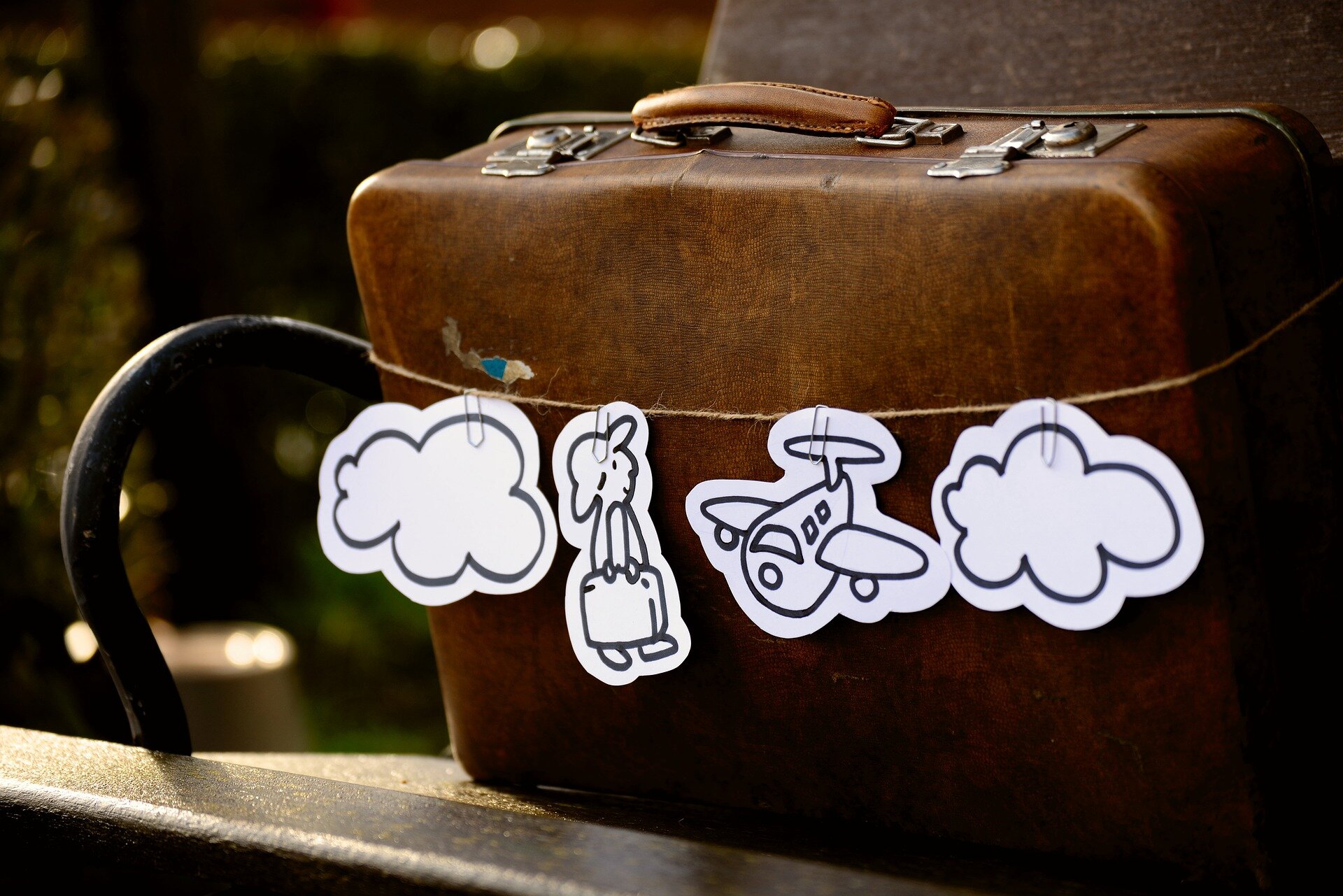
What do you think the suitcase in the picture illustrates? A traveller’s dreams? Plans? Tourism trends have always been changing and the COVID‑19 pandemic in 2020 unexpectedly influenced the way we move. It proved that tourists should be prepared for various situations and that nothing can be taken for granted. What are your traveller’s expectations and hopes about visiting places in the future? What will travel look like from the perspective of a teenager or adult? In this part of the material you are going to find out more about the future of travel.
Jak sądzisz, co symbolizuje walizka na poniższym zdjęciu? Marzenia podróżnika? Jego plany? Trendy turystyczne zmieniały się od zawsze, a pandemia COVID‑19, która rozpoczęła się w 2020 roku, niespodziewanie dla wszystkich wpłynęła na sposób naszego przemieszczania się. Udowodniła jednocześnie, że powinniśmy być przygotowani na różne sytuacje i że nic nie może być brane za pewnik. Jakie oczekiwania i nadzieje na przyszłość mają podróżujący? Jak będzie wyglądało podróżowanie z perspektywy nastolatka lub osoby dorosłej? W tej części materiału dowiesz się więcej na ten temat.
Study the text and do the exercises below.
Tourism Needs and ExpectationsAfter over a year of lockdown and travel restrictions, millions of people around the world finally started to look forward to a well‑earned getaway.well‑earned getaway. As we emerged fromemerged from the pandemic of COVID‑19, which first affected the tourism industry, governments were calling for sustainablesustainable, ecological tourism. Unquestionably, the way we travel will be altered. But how? Three people are talking about probable changes in the field of tourism in the future.
Tom (27), the owner of a travel agency
The pandemic slowed down the tourism industryslowed down the tourism industry, indeed, which might turn into a starting point in our perception and understanding of how it works. It’s quite hard to foresee the future and predict how tourism will look. Tourism is like a chain with closely related links such as hotels and restaurant businesses, means of transport, or environmental issues. First of all, travellers will more eagerly choose places where they can maintain social distancesocial distance so tourist hotspotstourist hotspots will probably be less chosen. I assume that organising remote toursremote tours like cruises, for groups of people who know each other, will gain in popularity, not on big cruise lines with hundreds of people on board. Private transport companies might benefit if they are diligent about hygieneare diligent about hygiene and make their vehicles properly and regularly disinfected. Tourists are expected to look for more valuable and safer transportation and accommodation rather than the cheapest. Travel operators also take domestic traveldomestic travel into account, as there are more and more people who want to stay independent in their travelling. People may feel comfortable travelling within their own borders by taking camping or one‑day trips in national parks. Some experts claim that the duration of tripsduration of trips may change and people will shorten them. That makes a new challenge for travel agency owners.Ann (32), a doctor
One of the positive “side effects” of COVID‑19 is the change in personal hygiene habits. Post‑pandemic restrictionsPost‑pandemic restrictions or health awareness will have long‑term effects. People have gotten into frequent hand‑washing and finally learned the proper hand‑washing technique. Even if they are not great fans of hand sanitisers, they have them in the event of a lack of running water. What’s more, new habits such as avoiding touching things with bare hands and wiping things like table surfaces will remain with us. We became more aware of germs and how quickly viruses can cross borders. Before going to exotic countries, people might want to consult preventive measures against tropical diseasespreventive measures against tropical diseases. Good hygiene has proven to be one of the most crucial ways to reduce the spread of the virus. Some people will also continue social distancing to avoid being infected. Tourists will be likely to pay a bit more for safer accommodation or means of transport to avoid the exposure to virusesexposure to viruses or any other contagious diseases when going on holiday as well as for travel health insurance to be better protected.Kris (19), a student
To my mind, my generation is far more concerned about ecological issues than our parents and grandparents were. I do really care what our future will look like. I travel a lot with my family and each time it comes to buying plane tickets, I need to encourage my parents to organise an eco‑responsible option. Whenever it’s possible, we travel by train, which is more ecological. Buses and trains are already efficient in terms of CO2 emissions per person. Some companies have introduced electric buses, but still not enough as it’s quite costly. BiofuelBiofuel will hopefully be widespread, so flying a plane won’t be that harmful to the planet. And it’s not only about transportation. I hope that there will be more and more eco‑hotels that make waste reduction and energy efficiency a priority. I am a devoted fan of seeking out our individual choices and destinations, not widely popular spots.Źródło: Anna Faszcza, licencja: CC BY-SA 3.0.
2. TomAnnKris claims that due to a global disease our daily practices have changed and will last longer.
3. TomAnnKris assumes that people have become more cautious about their condition and staying fit.
4. TomAnnKris explains that tourism is a complex matter.
5. TomAnnKris looks forward to renewable sources of energy.
6. TomAnnKris expects that people will take advantage of exploring national spots in the future.
Based on the information from the text, explain what alterations in the tourism industry we can expect in the field of transport, health issues, and destination choices. Write 5–6 sentences for each case.
Słownik
/ a: ˈdɪlɪdʒənt əˌbaʊt ˈhaɪdʒiːn / / bi ˈdɪlɪdʒənt əˌbaʊt ˈhaɪdʒiːn /
skrupulatnie przestrzegają zasad higieny [skrupulatnie przestrzegać zasad higieny] (to follow the hygiene rules accurately)
/ ˈbaɪəʊfjuːəl /
biopaliwo (the fuel that is derived from living things)
/ dəˈmestɪk ˈtrævl̩ /
podróż krajowa (to travel within your own country)
/ djʊˈreɪʃn̩ əv trɪps / / djʊˈreɪʃn̩ əv ə trɪp /
czas trwania wycieczek [czas trwania wycieczki] (the length of a trip )
/ ɪˈmɜːdʒd frɒm / / ɪˈmɜːdʒ frɒm /
wyszliśmy z [wyjść z] (to recover from)
/ ɪkˈspəʊʒə tu ˈvaɪərəsɪz / / ɪkˈspəʊʒə tu ə ˈvaɪərəs /
narażenie na działanie wirusów [narażenie na działanie wirusa] (the risk of getting a virus)
/ pəʊst pænˈdemɪk rɪˈstrɪkʃn̩z / / pəʊst pænˈdemɪk rɪˈstrɪkʃn̩ /
ograniczenia popandemiczne [ograniczenie popandemiczne] (the limitations that stayed after the pandemic )
/ prɪˈventɪv ˈmeʒəz əˈɡenst ˈtrɒpɪkl̩ dɪˈziːzɪz / / prɪˈventɪv ˈmeʒər əˈɡenst ə ˈtrɒpɪkl̩ dɪˈziːz /
środki zapobiegawcze przeciw chorobom tropikalnym [środek zapobiegawczy przeciw chorobie tropikalnej] (the activities we do to avoid getting a tropical illness)
/ rɪˈməʊt tʊəz / / rɪˈməʊt tʊə /
dalekie wycieczki [daleka wycieczka] (a distant trip)
/ sləʊd daʊn ðə ˈtʊərɪzəm ˈɪndəstri / / sləʊ daʊn ðə ˈtʊərɪzəm ˈɪndəstri /
spowolniła przemysł turystyczny [spowolnić przemysł turystyczny] (to make tourism business less active)
/ ˈsəʊʃl ˈdɪstəns /
dystans społeczny (the lack of physical contact)
/ səˈsteɪnəbl̩ /
zrównoważony/zrównoważona (being able to maintain)
/ ˈtɔːrɪst ˈhɑːtˌspɑːts / / ˈtɔːrɪst ˈhɑːtˌspɑːt /
miejsca najczęściej odwiedzane przez turystów [miejsce najczęściej odwiedzane przez turystów] (a well‑known place eagerly visited by tourists)
/ ˌwel 'ɜːnd ˈɡetəˌweɪ /
zasłużony odpoczynek (the rest that somebody deserves after hard work)
Źródło: GroMar Sp. z o.o., licencja: CC BY‑SA 3.0