Modern Europe's population and cultural diversity.
that Europe is divided into four physico‑geographical regions with diverse features of the natural environment;
that in Europe there are areas inhabited by linguistically and culturally diverse populations;
that the traditions and elements of European culture and languages have been transferred to other continents.
discuss the cultural diversity of the European population;
indicate single- and multi‑national countries on the map;
list the main language groups in Europe and indicate their coverage on the map;
analyse statistical data presented on population diagrams;
discuss what religions dominate on the European continent.
Do you know Europe well? Play a crossword to check it out!
- The second largest island in the Mediterranean Sea and an autonomous region of Italy.
- An Indo-European group of languages that Polish language belongs to.
- The capital of Bosnia and Herzegovia.
- A country and an island in the North Atlantic.
- The Hungarians, the Finnish and the Estonian belong to a group called... people.
- The largest religion in Europe.
- Second largest religion in Europe.
- The sea that is enclosed by Scandinavia, Finland and the Baltic countries.
- An alphabet used, among others, in Russia, Bulgaria, and Montenegro.
| 1 | ||||||||||||||||
| 2 | ||||||||||||||||
| 3 | ||||||||||||||||
| 4 | ||||||||||||||||
| 5 | ||||||||||||||||
| 6 | ||||||||||||||||
| 7 | ||||||||||||||||
| 8 | ||||||||||||||||
| 9 |
European civilization is a kind of historical „whole” connecting us Europeans with the continent we live on. The elements of the culture of ancient Greece and the Roman Empire as well as Christianity are considered the basis of our civilization. In spite of these common deep‑rooted traditions, today's Europe is diverse, and also the importance of its place in the modern world is changing.
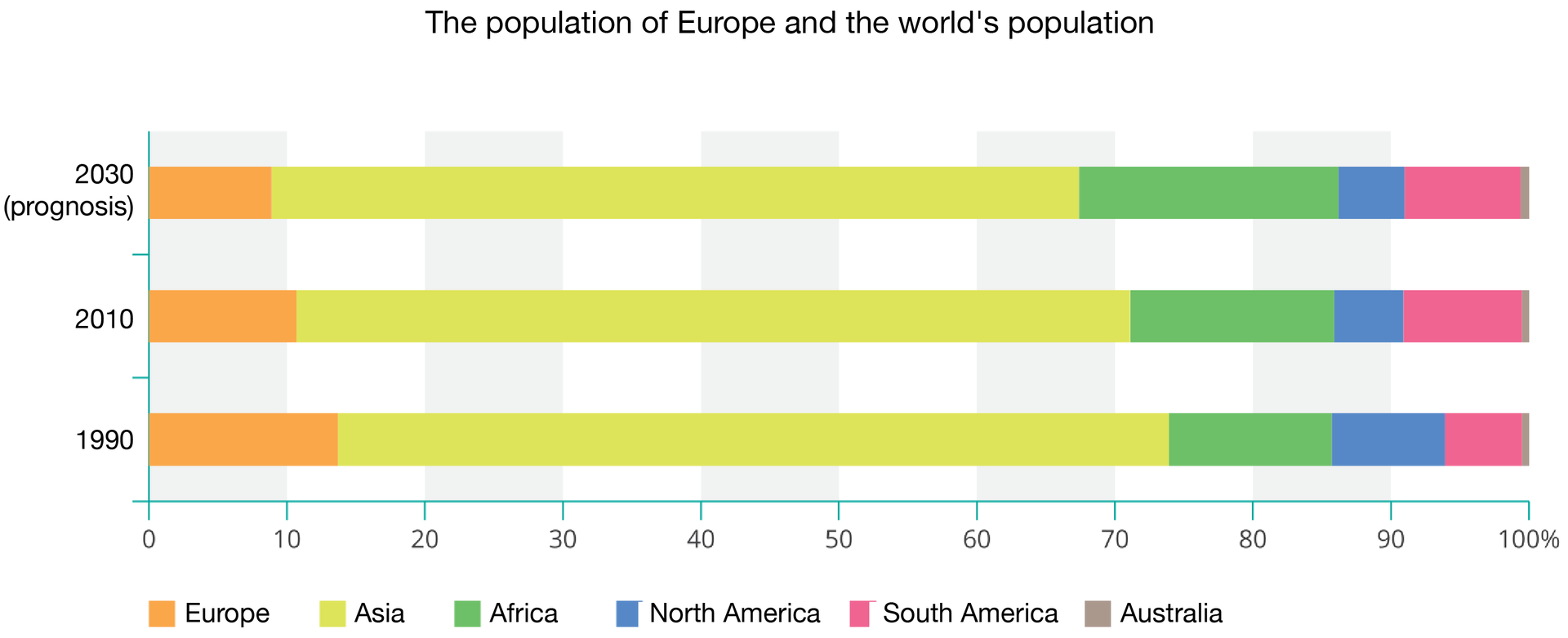
Europe's population per capita on the background of the world's population
There are currently 742 million people in Europe, which is 10.4% of the total world population (data from 2013). The population living in 46 independent countries of this continent is ethnically, linguistically, and religiously diverse, and different in terms of the structure of gender and age. This is due to the various, sometimes dramatic, social and economic processes that shaped our continent in the past.
The overwhelming majority of Europe's population belongs to the white race. Small groups of the yellow race have lived near the Volga River – the Kalmyks, on the Crimea – the Tatars, and in Lapland in the North of the Scandinavian Peninsula – the Laplanders.
Year | Population of Europe | Population of Europe | Average population density |
1960 | 601 | 19,9 | 57 |
1980 | 696 | 15,7 | 66 |
2000 | 727 | 12,0 | 69 |
2010 | 738 | 10,7 | 70 |
2013 | 742 | 10,4 | 70 |
National and multinational states in Europe
On a relatively small continent like Europe, there are around 100 nations today. The term nation defines a community of people having a common historical and cultural past, speaking the same language and living in the same territory. If other separate national groups are distinguished in the country inhabited by one nation, they are defined as a national minority or an ethnic minority.
Historically multinational nationsmultinational nations in Europe are:
Belgium, where the Flemish people live in the northern part of the country, using the Flemish language (Dutch – the official language in the Netherlands), and in the southern part there are people of Wallonia using the French (Walloon) language;
Great Britain in which the English, the Scots, the Irish and the Welsh live; the official language is English, but minority languages have been preserved: Welsh, Scottish (Gaelic).
In some countries, apart from the local population, there is a large group of immigrant populations, and then these countries should also be considered multinational. These include: Estonia, Latvia, Luxembourg, France, Germany, the Netherlands, Switzerland.
A particular example of a multinational state is the Russian Federation: the dominant group is the Russians, but apart from them there are several separate national groups, as well as dozens of ethnic groups.
The countries in which there is only one nation are countries of high ethnic cohesion. In Europe, these include: Portugal, Greece, Poland, Norway, Albania. Ethnic groups with separate languages and cultures live in many European, one‑nation countries, but they are not very numerous.
One of the processes that took place in Europe in the last few decades is migration movement, i.e. the movement of people between countries to change their place of residence. Most countries in Europe have a positive balance of migration, which means that immigration (arrivals of population) is higher than emigration (departures of population). In 2013, the highest positive balance of migration was recorded in Germany (433,000), Great Britain (209,000), and Italy (182,000). People from Central and Eastern Europe, as well as from Africa, Asia and South America migrate to those countries.
Language groups in Europe
The population of Europe uses languages belonging to three language families: Indo‑European, Ural and Altai. The Indo‑European language family gave origin to three language groups: Romance, Germanic and Slavic having the largest range in Europe. Languages from the other two families have a smaller range. An isolated language, which is not related to others, is Basque used by a population group living in the western part of the Pyrenees. The Basques are considered to be the only indigenous non‑Indo‑European population in Europe.
Language families in Europe
Romance languages
Were created from a combination of Latin used in the Roman Empire with local languages occurring in areas affected by the influence of this country. Areas lying in the Mediterranean basin and at the Danube were subject to Romanization. This group of languages includes: Italian, French, Spanish, Portuguese, Romanian, as well as Catalan and Galician on the Iberian Peninsula.
Germanic languages
The Germanic language group includes: English, German, Danish, Dutch, Swedish, Norwegian and Icelandic. Inhabitants of the Frisian Islands located off the coasts of the Netherlands and Germany speak Frisian, and the Faroese people speak the Faroese language. Both of these languages also belong to the Germanic languages group.
Slavic languages
Slavic languages cover almost the entire region of Eastern Europe, areas lying on the border with Western Europe, and the greater part of the Balkan Peninsula. This group includes Russian, Ukrainian, Belarusian, Polish, Czech, Slovak, Serbian, Croatian, Bulgarian, Slovenian, Macedonian. In the area of Lusatia, located in the south-east of Germany near the Polish border, there is a small group of people using the Upper Lusatian and the Lower Lusatian languages, also belonging to the Slavic languages.
Baltic, Finno-Ugric and other languages
In the north-east part of Europe, at the Baltic Sea, there are groups of people using Baltic languages (Lithuanian and Latvian) and Finno-Ugric languages (Finnish and Estonian). This group also includes the Hungarian language, which is in use in Hungary located at the Danube.
In the southern part of the Balkan Peninsula there are three separate languages: Greek, Albanian and Turkish.
European languages in the written form use three alphabets: Greek, Latin and Cyrillic.
The following infographic provides information on the most frequently taught foreign languages in Europe.
Religious diversity of Europe’s population
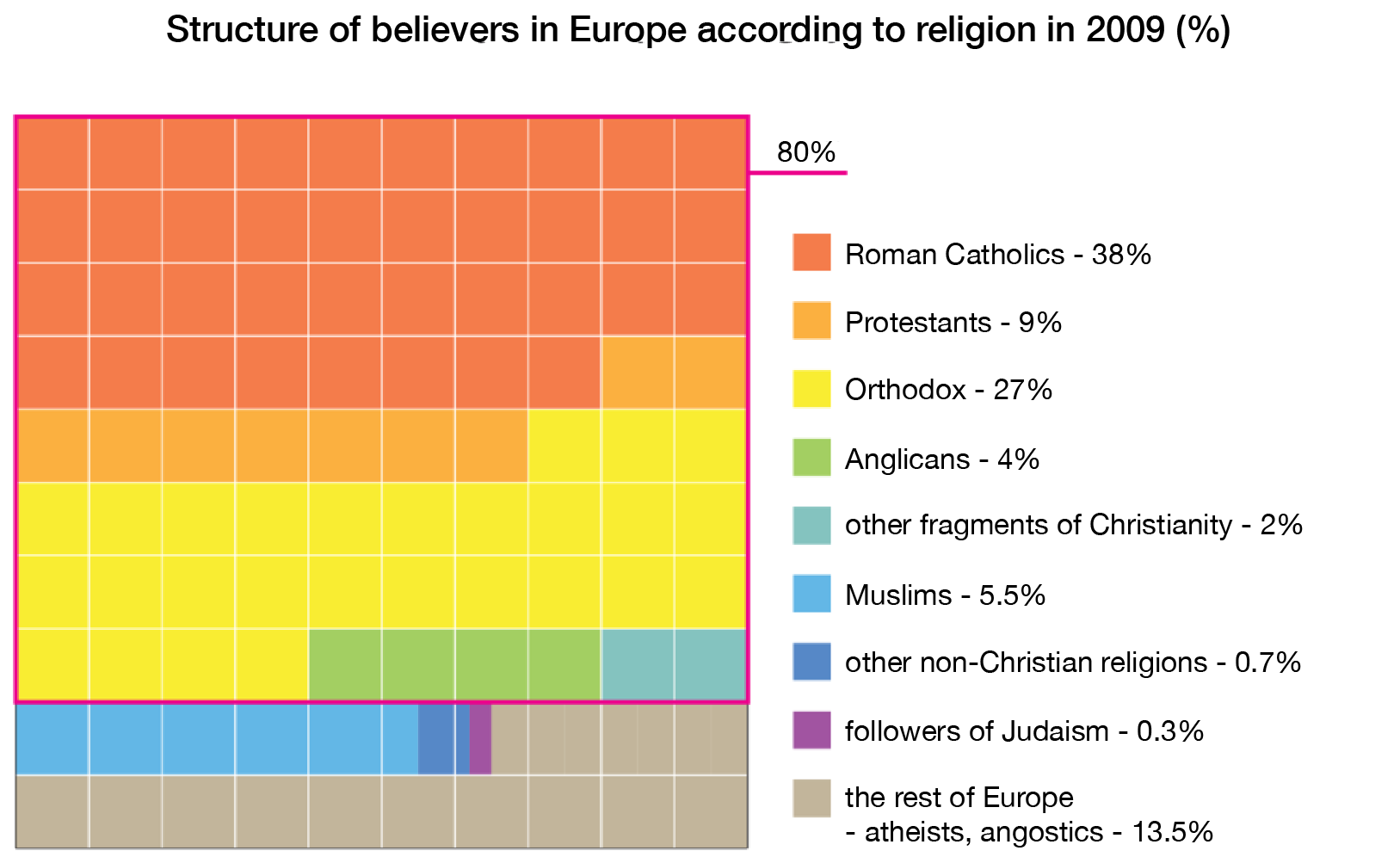
An important social element that influences the lives of people to a greater or lesser extent is the status of belonging to a given religious group. In Europe, the most numerous group is Christians. Historical divisions led to the creation of large sections of this religion. Today, in certain regions or states, there are larger or smaller groups of followers of one of the sections of Christianity.
Select the correct column in the table. The Slavic language group includes:
|
Lithuanian Polish Czech Slovak Croatian □ |
Polish Czech Slovak Croatian Ukrainian □ |
Bulgarian Czech Slovak Croatian Latvian □ |
Lithuanian Polish Czech Slovak Serbian □ |
Complete the text.
Belgium, Portugal, 743, Britain, Welsh, white, Great, Caspian Sea
......................million people live in Europe. The overwhelming majority of Europe's population belongs to the ...................... race. Small groups of the yellow race have been inhabiting the areas at the ...................... for centuries. - they are the Kalmyks, in the Crimea there are the Tatars, and in the north of the Scandinavian Peninsula there are the Saami people. If other separate national groups are distinguished in the country inhabited by one nation, they are defined as a national minority or an ethnic minority.
Historically multi-national countries in Europe are:...................... whose northern part is inhabited by the Flemish and ............................................ in which the English, the Scots, the Irish and the ...................... live. Among European countries in which there is one nation only there are, among others: .... Poland, Albania, ....................... In Europe, the most numerous group of the faithful is the Christians.
To which language group belong the following languages?
Spanish, German, Belarussian, Icelandic, Italian, English, Swedish, Serbian, Finnish, Catalan, Croatian, Czech, Romanian, Bulgarian, Estonian, French, Portuguese, Dutch, Hungarian, Polish
| Slavic group | |
|---|---|
| Germanic group | |
| Romance group | |
| Finno-Ugric group |
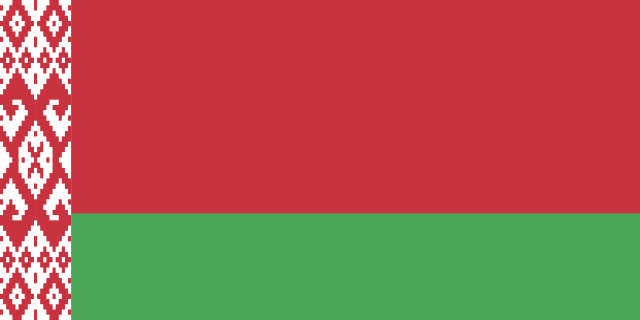
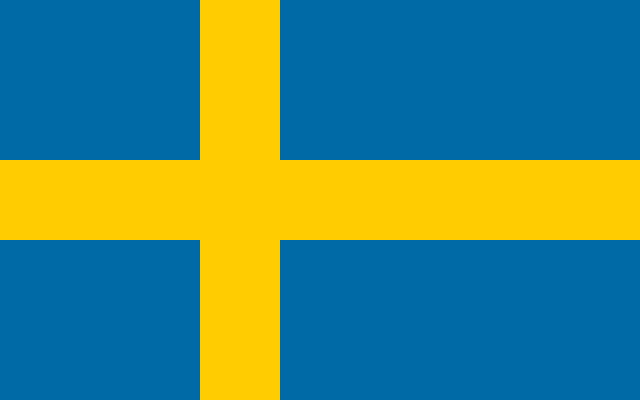
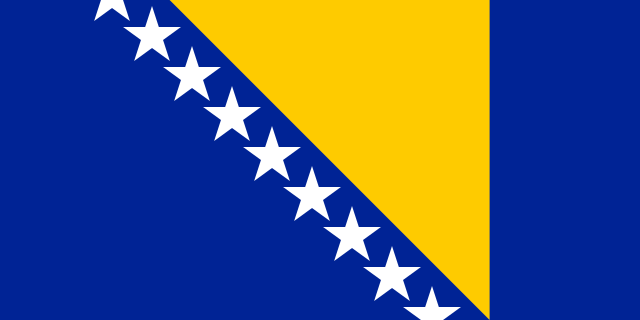
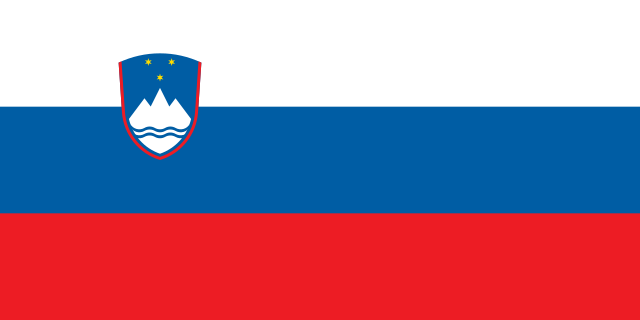
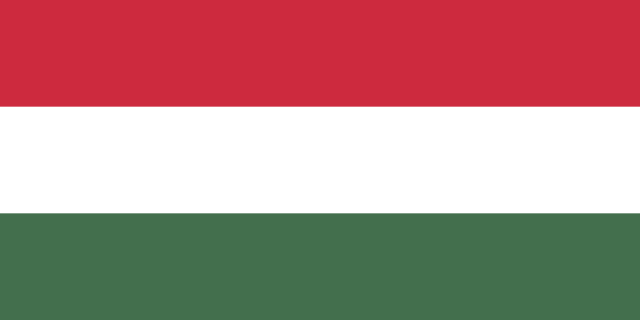
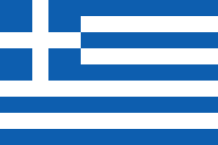
How well do you know the flags and capitals of the states? Check yourself and indicate the correct statements.
|
Republic of Beralus
|
Dublin
|
|
|
Republic of Austria
|
Athens
|
|
|
Portuguese Republic
|
Vienna
|
|
|
Bosnia and Hercegovina
|
Ljubljana
|
|
|
Republic of Slovenia
|
Sarajevo
|
|
|
The Netherlands
|
The Hague
|
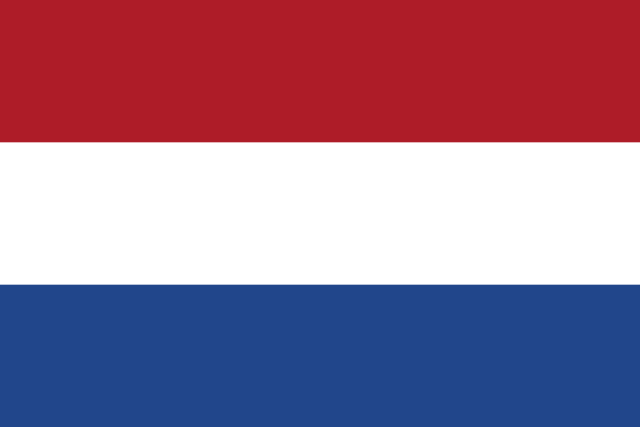
|
|
Republic of Ireland
|
Minsk
|
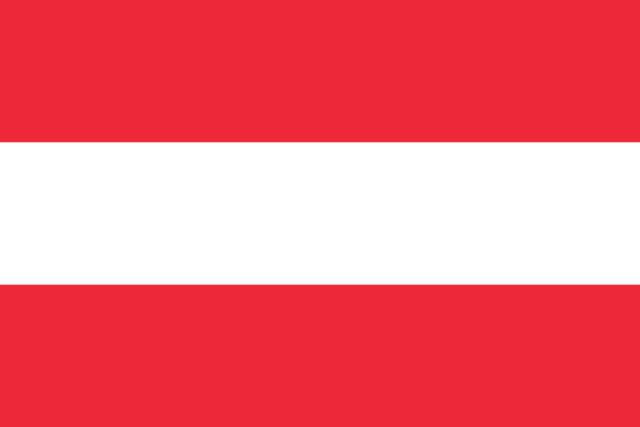
|
|
Hellenic Republic
|
Lisboa
|
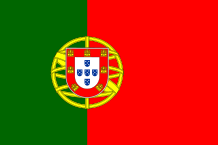
|
|
Kingdom of Sweden
|
Stockholm
|
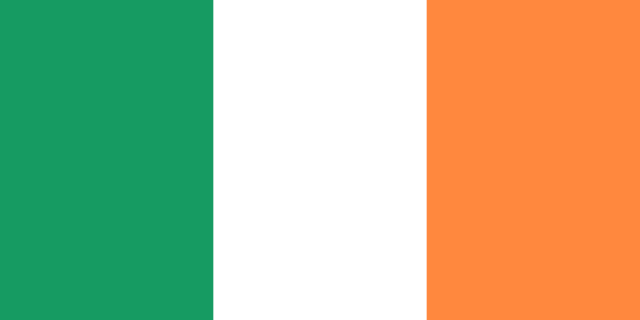
|
|
Hungary
|
Budapest
|
|
Keywords
population, Europe, diversity
Glossary
państwo wielonarodowe - państwo, w którym żadna z grup etnicznych nie ma znaczącej przewagi liczebnej nad pozostałymi
mniejszości etniczne - grupy etniczne, które są osiedlone na terytorium innej zbiorowości i wyróżniają się odrębnym pochodzeniem i kulturą, a często także językiem i religią