The Autumn of Nations
how did the abolition of Communism in East‑Central Europe proceed;
what spurred the reunification of Germany;
what does the term “Autumn of Nations” mean;
what were the effects of the 1989‑1991 changes in East‑Central Europe.
For almost half of a century, the countries of East‑Central Europe were under the control and influence of the Soviet Union. This state of affairs changed between the 80s and 90s of the 20th century owing to the democratic transformation that started in Poland. It was caused by the extremely poor economic situation of the Eastern Bloc, the United States’ policies, and the perestroika (reconstruction) of the Soviet Union initiated by Mikhail Gorbachev. The anti‑Communist transformations in the People’s Republics were almost universally bloodless and followed similar scenarios. Reformist groups gained traction, then worked out compromises with the Communist authorities (e.g. the Hungarian Round Table TalksHungarian Round Table Talks). Such situations would be oftentimes accompanied by large‑scale social protests supporting the opposition. As a result of the agreements, the constitutions would be changed, with the passages on the leading role of the party and the dominant position of the workers removed, and the anti‑Communists would be let to exercise power. The names of the states would be changed as well. Such was the course of action in Hungary, Czechoslovakia (the Velvet RevolutionVelvet Revolution) and in Bulgaria.
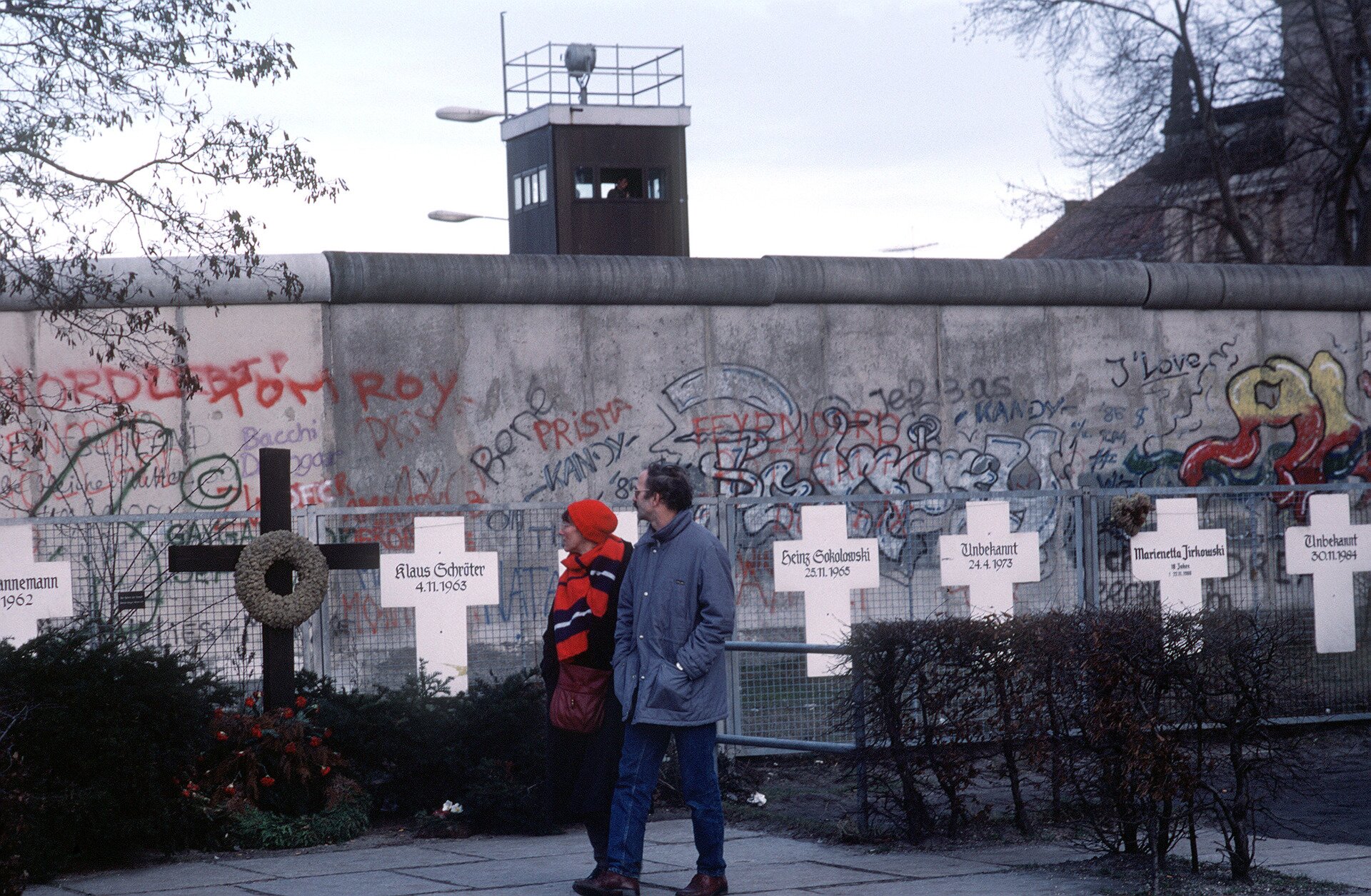
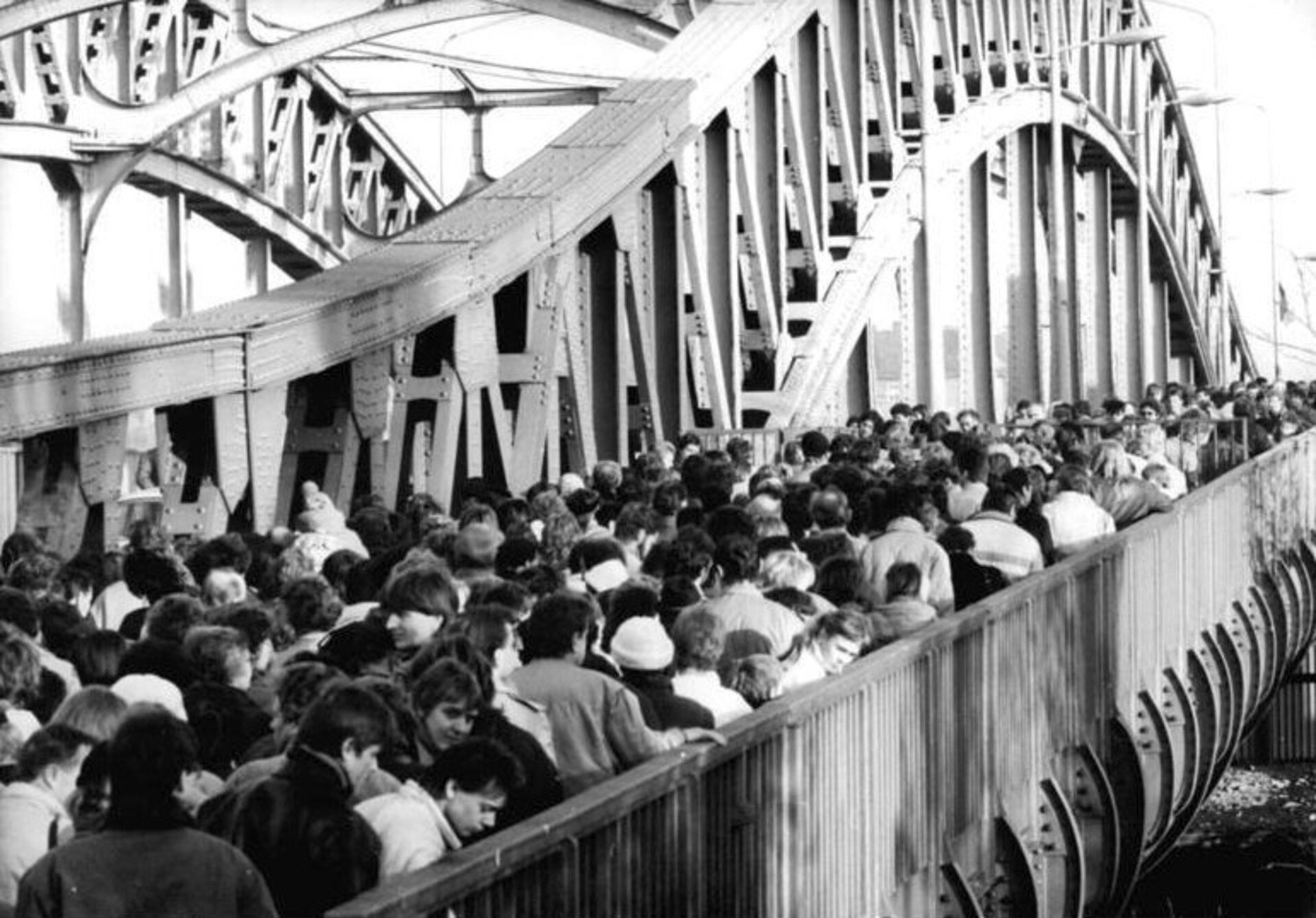
In East Germany, changes happened as a result of large‑scale manifestations and the reformers’ rise to power in the Communist Party. The process that began could not be stopped. Finally, it led to the fall of the Berlin Wall and Germany’s reunification on 3 October 1990. The costly and tedious process of uniting the two parts of the new state followed.
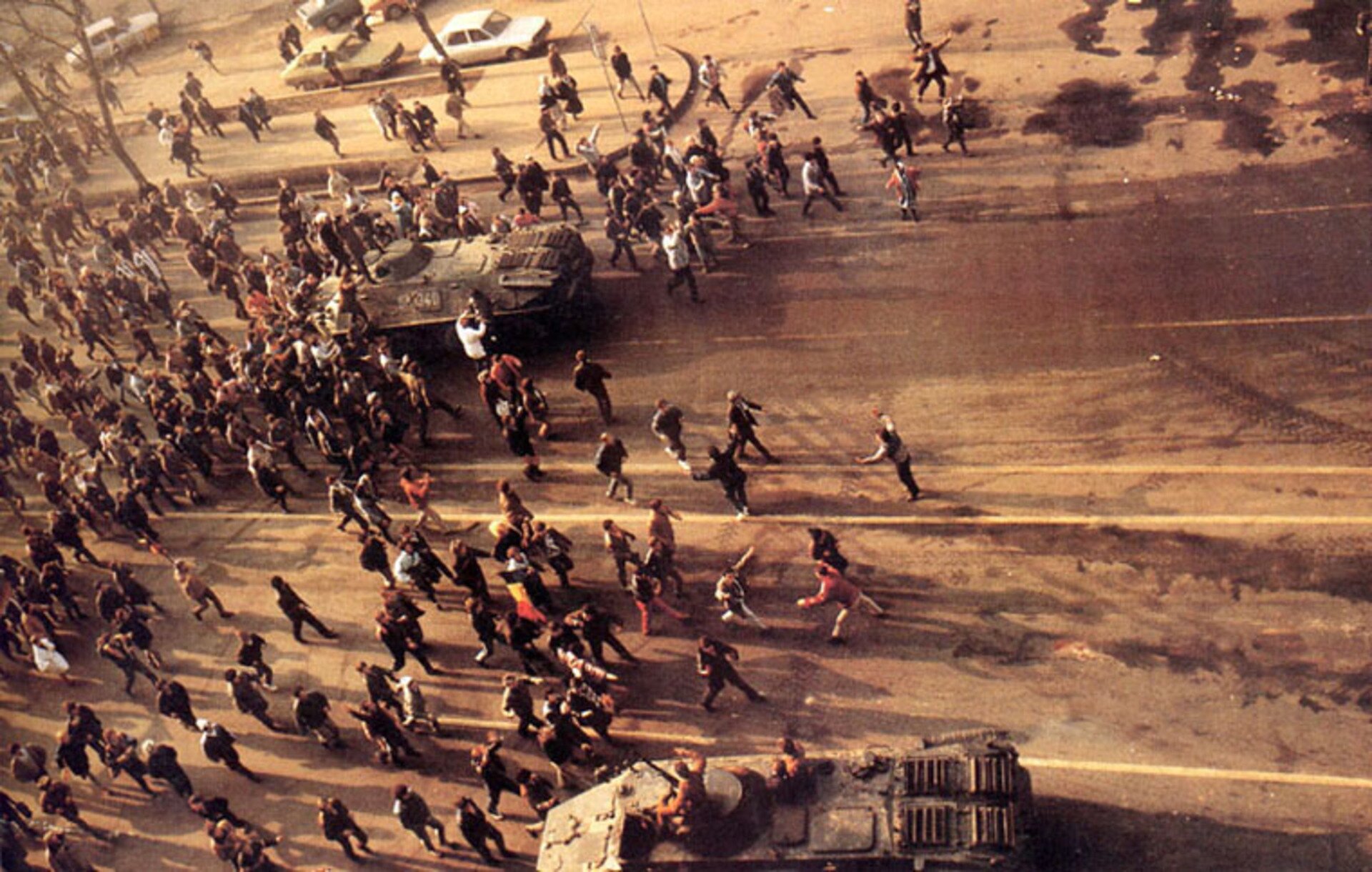
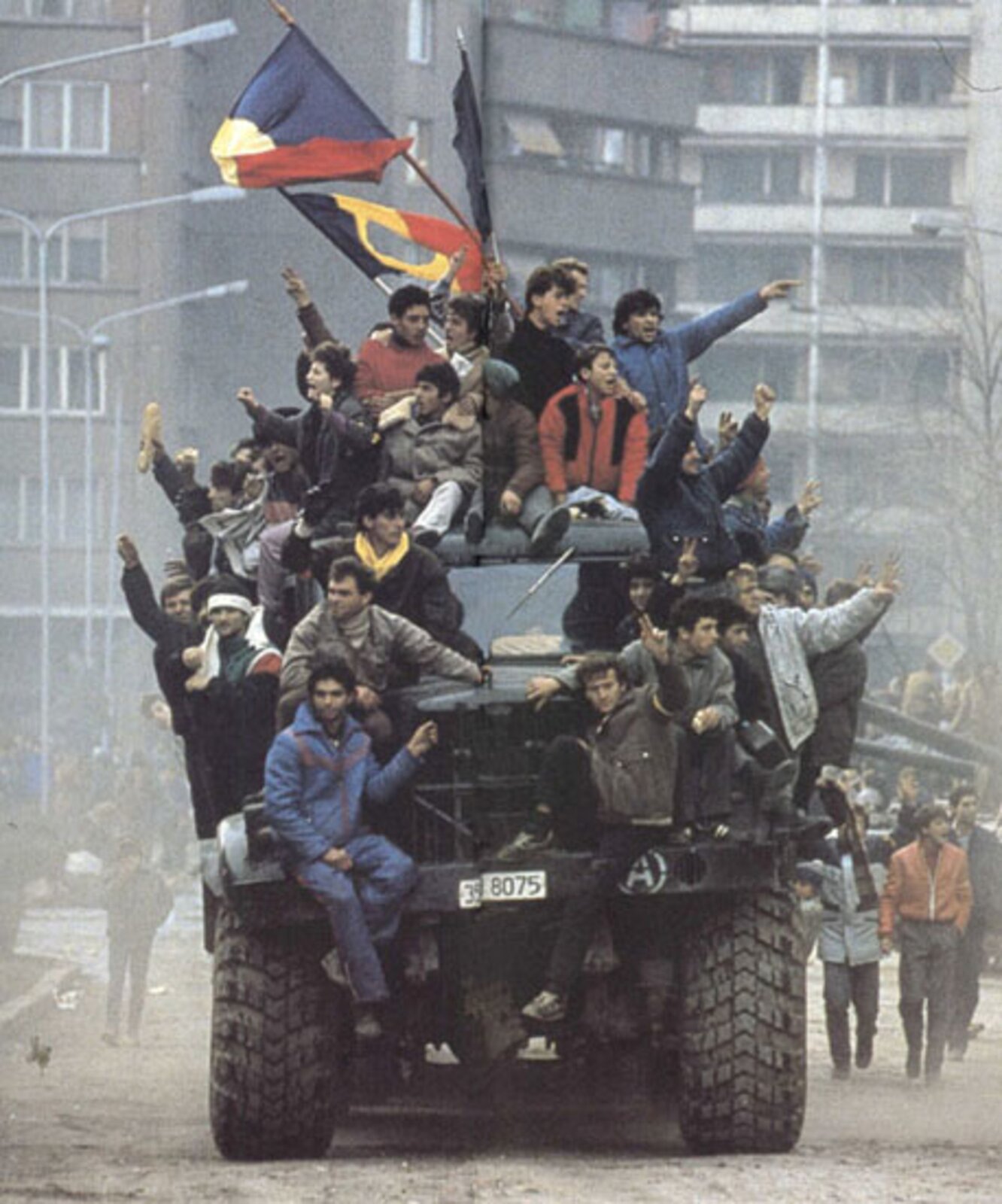
The only country that failed to conduct its system transformation peacefully was Romania. With the help of the security forces, its dictator, Nicolae Ceausescu, created a system of full control, making the opposition virtually nonexistent. The brutally quenched (with over 1000 victims) anti‑government protests of 1989 caused the military to turn its back on him. Ceausescu's party opponents founded the National Salvation Front and took control of the revolution. Soon after the bloody ruler was abolished, then subsequently executed after a brief trial.
The last Communist Republic to witness change was the multi‑national Yugoslavia. Due to conflicts between the nationalities, as well as the limitations to civil freedoms, the federation fell apart, which resulted in a long civil war (1991‑1995).
The process of the nations of Central‑East Europe leaving the Soviet sphere of influence ended in 1991, and was dubbed the “Autumn of Nations”. It begun with the Round Table Talks between the government and the opposition in Poland.
Look for information that will allow you to answer the question, why in Romania was there an extremely bloody coup? Why did they deal with the Romanian dictator and his wife in such a ruthless manner.
Match the terms with their definitions.
the process of people’s mobility associated with them changing their place of living or temporary stay., the talks between the opposition and the Hungarian communists that resulted in the democratization of the country., a Czech political movement of 1989-1991 uniting anti-Communists and aiming to democratize the country., an independent Czechoslovak initiative uniting the circles advocating the respect and defense of human rights, active in 1977-1992., events that transpired in 1989 in Czechoslovakia, leading to the collapse of the Communist system and system transformation., the changes taking place within a given state’s system., rapid change of the existing state of affairs. In common understanding: quick and profound change.
| Revolution | |
| Charter 77 | |
| Hungarian Round Table Talks | |
| Migration | |
| Civic Forum | |
| Velvet Revolution | |
| System transformation |
Keywords
Revolution, People’s Republics, migration, Velvet Revolution, system transformation
Glossary
Rewolucja – gwałtowna zmiana przynosząca zasadniczą zmianę istniejącego stanu rzeczy. W potocznym rozumieniu szybkie i głębokie zmiany.
Radio Wolna Europa – rozgłośnia radiowa utworzona w 1949 r., z siedzibą w Monachium i finansowana przez Kongres Stanów Zjednoczonych. Jego misją było promowanie wartości demokratycznych oraz dostarczanie prawdziwych i rzetelnych informacji do krajów za żelazną kurtyną.
Demoludy – potoczne określenie krajów „demokracji ludowej” w bloku wschodnim. Były one podporządkowane ZSRR, a ich ustrój zmieniono na wzór radziecki. Określenie „demokracja ludowa” miało wskazywać na rzeczywistą władzę ludu.
Karta 77 – niezależna, czechosłowacka inicjatywa z lat 1977‑1992 łącząca środowiska wzywające do przestrzegania i obrony praw człowieka. Jej członkowie (np. Vaclav Havel) stali się aktywnymi uczestnikami przemian antykomunistycznych w 1989 r.
Trójkątny stół – obrady między opozycją i węgierskimi komunistami z 1989 r., które doprowadziły do demokratyzacji, zmiany konstytucji i wolnych wyborów.
Migracja – proces przemieszczania się ludności związany ze zmianą ich zamieszkania lub czasowego pobytu. Możemy podzielić ją na wewnętrzną – w granicach państwa/obszaru lub zewnętrzną.
Forum Obywatelskie – czeski ruch polityczny z lat 1989‑1991, skupiający osoby o antykomunistycznych poglądach dążące do demokratyzacji kraju. Jego nieformalnym przywódca był Vaclav Havel.
Aksamitna rewolucja – określenie na wydarzenia 1989 r. w Czechosłowacji, które doprowadziły do upadku systemu komunistycznego i transformacji ustrojowej. Głównym powodem aksamitnej rewolucji były wydarzenia w innych krajach bloku wschodniego, przede wszystkim w Polsce.
Transformacja ustrojowa – zmiany zachodzące wewnątrz systemu panującego w danym państwie. Wiążą się ze zmianami w sprawowaniu władzy i sposobie rządzenia, prowadzą często do zmiany ustroju państwa.