Challenge: cleaning!
you will understand the need to protect the environment
you will express your opinion on the discussed subject
you will judge a literary character
you will search a text for direct and indirect information
What ways of caring for the environment do you know? Are you trying to care for the environment? Is it something all of us can do? How do you call a person that e.g. leaves his/her waste in the forest? Why do you think people do it?
Read a section of Paweł Wakuła’s book “Na tropie sześcioptaka” entitled “Sprzątanie Świata” in the lesson „Wyzwanie: sprzątanie!” at epodreczniki.pl.
Note who helps the forester to clean the forest.
Find a passage on the Clean up the WorldClean up the World campaign in the text you have read. What is it about? When does it take place? When did it start? What does it mean for the world?
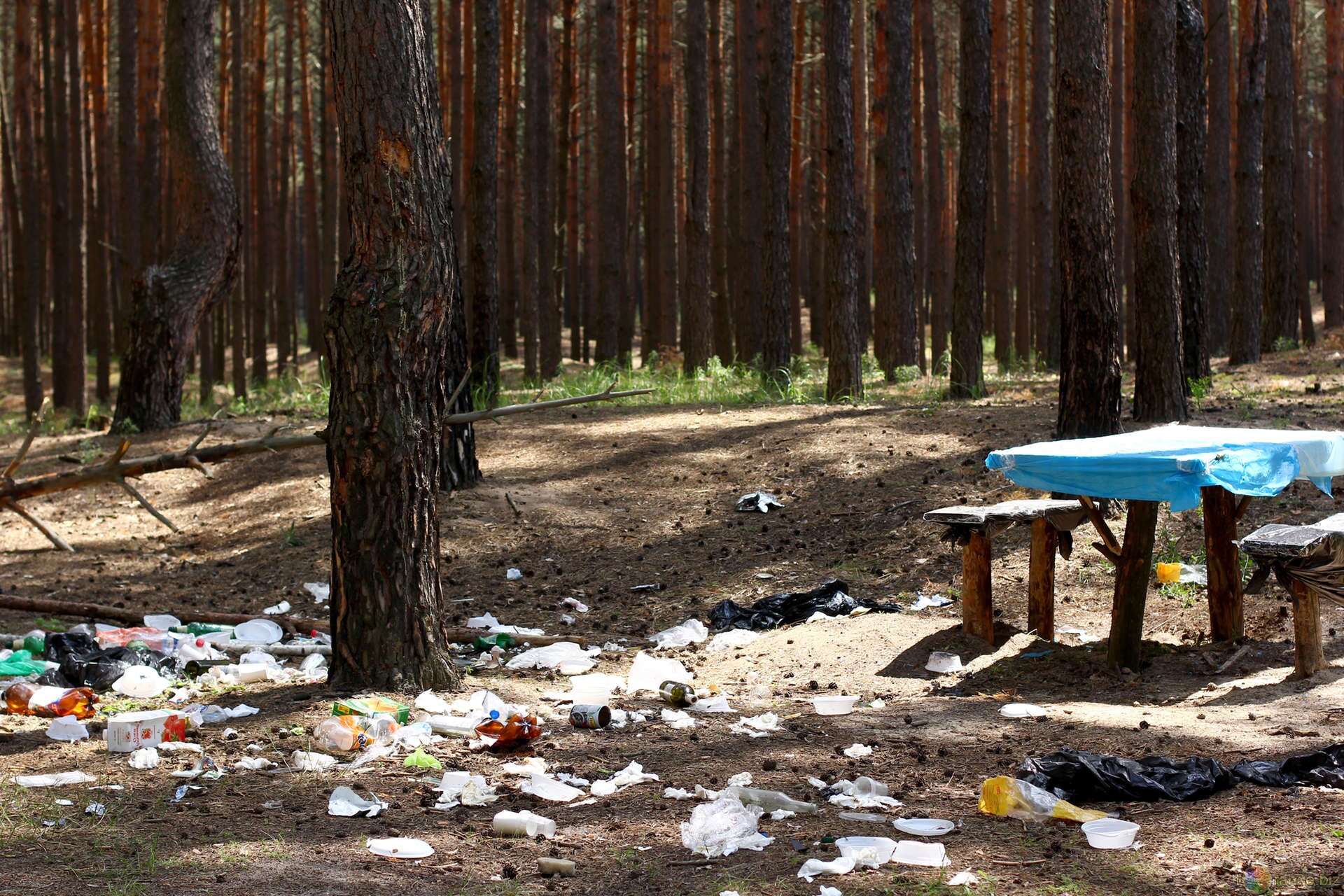
You already know that Clean Up the World event takes place every third weekend of September and that it is about people getting together to clean up waste discarded in random places. In fact, you can care for the environment every day, not just once a year. All of us can separate the waste we generate in our households.
How to separate the waste?
Familiarise yourself with the infographic below to see how to separate the waste.
Do not put into the containers:
large waste items, like furniture (so‑called bulky waste)
waste electric and electronic equipment
batteries, thermometers, light bulbs
construction materials
These types of waste should be placed in special containers.
Make sure you remember how to separate your waste!
Drag and drop waste into correct containers to separate it.
sheets of paper, banana peel, old newspaper, compressed cardboard box, potato peel, compressed can, jar without lid, plastic bag, plastic bottle, wilted flowers, paper envelope, leaves, glass bottle
| plastic/metal | |
|---|---|
| glass | |
| paper | |
| organic waste |
What else, apart from separating the waste, can all of us do for the environment?
Talk in pairs how we can care for the environment on everyday basis and why we should do it. Write your ideas here or in your notebook and then share them with your classmates.
Not everybody knows that caring for the environment makes sense. Maybe we should encourage them?
Come up with a rhymed slogan encouraging people to care for the environment. Write it here or in your notebooks.
How was this lesson? Did you like it? Finish selected sentences.
Keywords
environmental protectionenvironmental protection, waste segregationwaste segregation, cleaning
Glossary
ochrona środowiska
akcja Sprzątanie Świata, międzynarodowa kampania odbywająca się na całym świecie w trzeci weekend września, polegająca na sprzątaniu miejsc publicznych przez osoby zainteresowane.
segregowanie śmieci, zasada rozdzielania odpadków tak, by część z nich mogła zostać ponownie przetworzona (plastik, szkło, papier).