Based on the available resources, say which Polish museums hold particularly valuable Antique art collections.
Introduction
Classical Antique works continue to amaze the beholders with their artistic qualities, and for centuries have served as reference points for many of the world’s greatest artists. The humanist values of Antique culture that manifested in disciplines such as philosophy, poetry, and visual arts constitute a durable element of the European civilization. The classical ideal of beauty, rooted in the principles of rhythm, harmonyharmonyharmony, symmetrysymmetrysymmetry, and balanced composition, remains the aesthetical norm for many people when viewing modern works of art.
1
Exercise 2
Get acquainted with the informations about Antique architecture.
Get acquainted with the informations about Antique architecture.
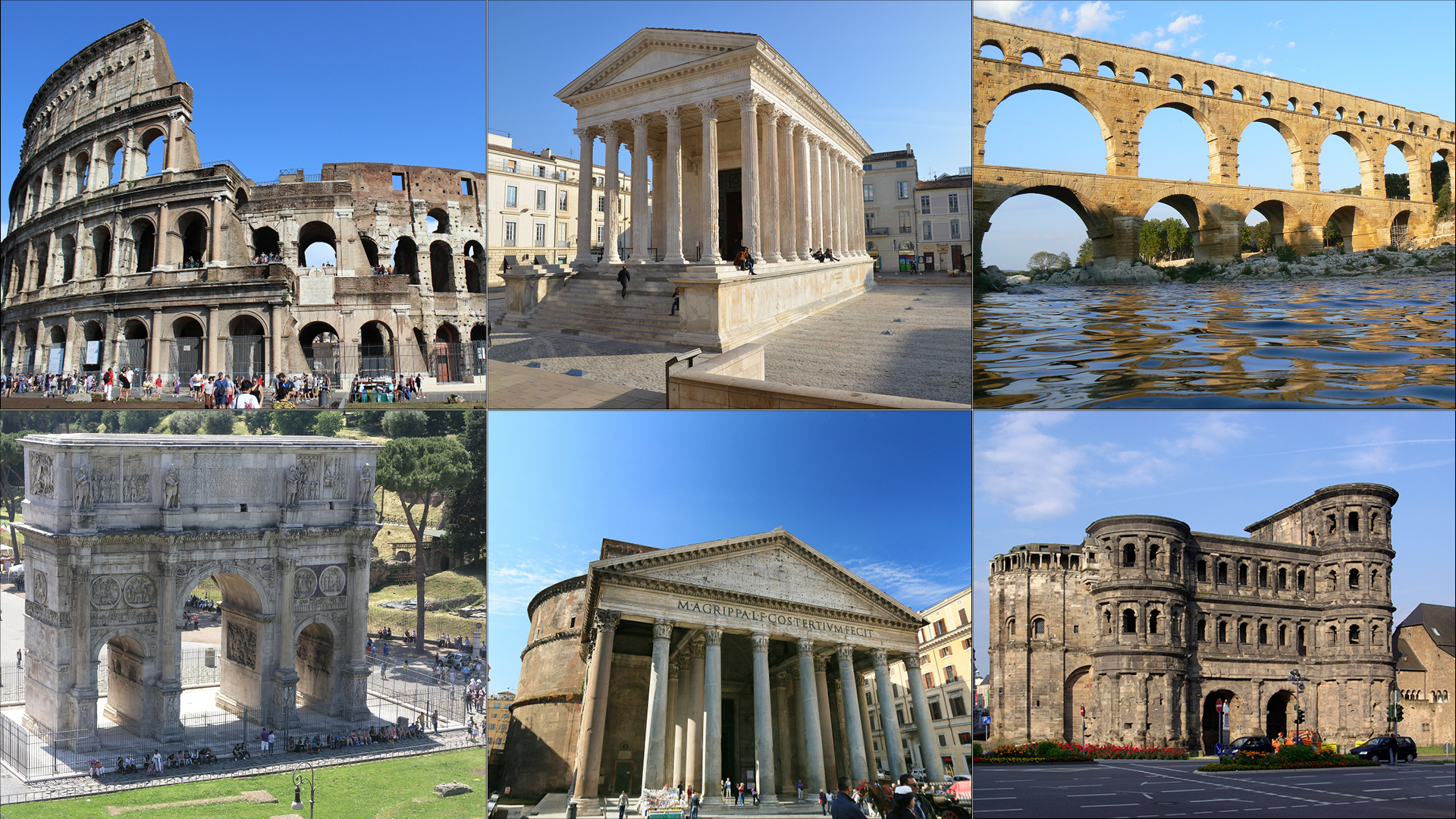
Get acquainted with the pictures of the pinnacles of Antique architecture. What do they have in common?
RkkXlyZ6YBEKJ1
Ćwiczenie alternatywne. Opisz swoimi słowami cechy architektury starożytnej.
Ćwiczenie alternatywne. Opisz swoimi słowami cechy architektury starożytnej.
1
2
3
4
5
6
1. Colosseum (amphitheater) 1st century CE, Rome. The building is 188 meters long, 156 meters wide, 48,5 meters high, with a circumference of 524 meters.
2. “Maison Carrée” ca. 19 BCE, Nîmes. A Roman temple, known as “Maison Carrée”. It was dedicated to Gaius and Lucius, the sons of Mark Agrippa and the step-grandsons of Emperor Augustus. It is one of the best-preserved Roman temples in the world.
3. The Pont-du-Gard aqueduct 26-16 BC, vicinity of Nîmes. A portion of the Roman aqueduct built to bring water from the sources of Uzès to Nîmes. It was built on the Eastern side of the Massif Central.
4. Constantine’s Triumphal Arch 315 CE, Rome. The 25,7 meters wide, 21 meters tall structure with walls 7,4 meter thick has been built near the Colosseum. The arch has been constructed with three spans.
5. Pantheon 118 BC-25 CE, Rome. A round temple on the Campus Martius, Rome, founded by Emperor Hadrian in 125 to replace an earlier one from 27 BC that burned down in 80 CE.
6. City gate, known as Porta Nigra. ca. 180-200 CE, Trier A fragment of the city’s fortifications; the oldest Roman defensive structure in Germany and the biggest city gate on the Northern side of the Alps.
The templestempletemples were the most important form of Ancient Greek architecture. They were – unlike Christian churches, which are merely a place of worship – home to deities. The main room was the rectangular cellacellacella, where the statues of worship were situated. It was surrounded either by a single or double columnadecolumnadecolumnade supporting the architrave (a horizontal part of the entablature with the frieze and the mantlepiece) and the dual‑pitched roof. The upper part of the front of the temple featured a pedimentpedimentpediment. The style and the proportions were decided by the architectural orderorderorder that determined its composition, the type of ornaments, and decorationdecorationdecoration motifs. The rules and the character of the three classical Greek orders – Doric (the oldest one – raw, monumental, with simple ornaments and heavy proportions), Ionian (lighter in proportion, featuring rich sculpture), and Corinthian (the youngest and slimmest one) – have been described by the first‑century Roman architect and engineer, Vitruvius, in his treaty “De architectura”.
R1FuFO3ZXJgs21
Exercise 3
Ćwiczenie alternatywne: Determine the architectonic orders represented by the columns descripted. Which style do you like the most? Connect proper description with the name of style. Styles: Dorian, Ionian, Corinthian. Descriptions: 1. Column with simple circular top. 2. Columns' capitals decorated with acanthus leaves. 3. Column top's decorated with volutes, i.e. something that reminds a scroll.
Ćwiczenie alternatywne: Determine the architectonic orders represented by the columns descripted. Which style do you like the most? Connect proper description with the name of style. Styles: Dorian, Ionian, Corinthian. Descriptions: 1. Column with simple circular top. 2. Columns' capitals decorated with acanthus leaves. 3. Column top's decorated with volutes, i.e. something that reminds a scroll.
The Greek temples embodied the classical ideal of beauty understood as a mixture of harmony, symmetry, and rhythm. Their perfect proportions were the effect of mathematical calculations and the application of the canoncanoncanon: formulae and rules of construction. The basic measure of the canon was the triglyphtriglyphtriglyph – a vertical, rectangural plate appearing on the Dorian friese alternately with sculpture‑adorned metopes. In the words of Kazimierz Michałowski: “All an architect would need was one measure: that of the width of a triglyph, and the type of the temple to be built, i.e. whether it would have 6 (hexastyle) or 8 (octastyle) columns in the elevation of the facade, in order to calculate independently the width and height of the temple, the sizes of the particular metopes, etc.” The peak of Greek architecture (and, at that, one of the most famous and beautiful buildings in the world) is the Parthenon – the Dorian temple of Athena. It was erected in the times of Pericles by the architect Ictinus, the builder Callicrates, and Phidias, who designed and partially sculpted its rich interior decorations. Another pinnacle of Antique architecture is another of Athens’ Acropolis temples – the Ionian Erechtheum. It is famous for its unique Porch of the CaryatidscaryatidCaryatids, which features sculpted, woman‑shaped pillars instead of traditional ones.
Exercise 4
List the characteristics and principles comprising the classical notion of beauty.
R1LXTYh7k10V71
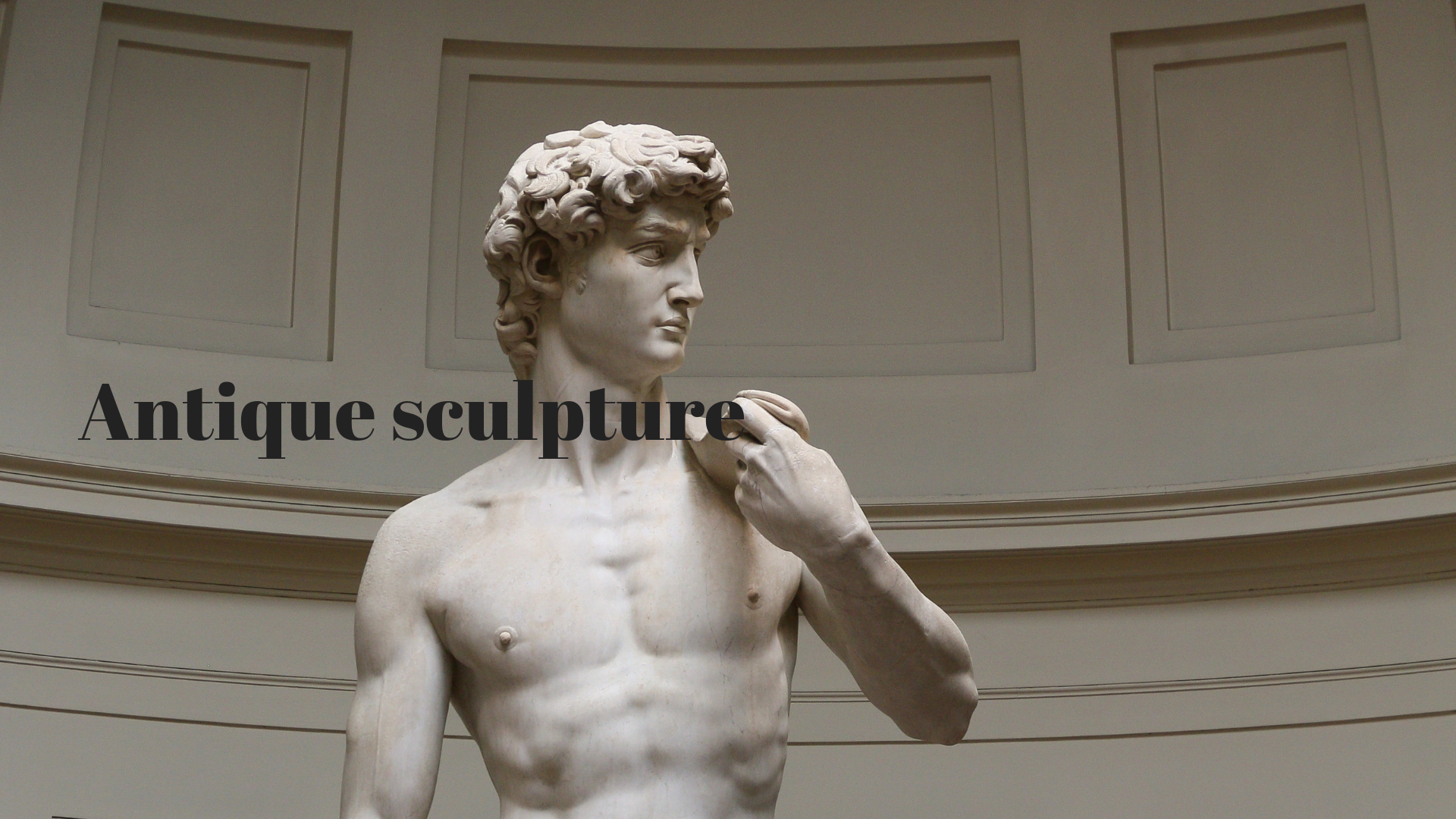
Fotografia przedstawia popiersie rzeźby Dawida. Jest to ilustracja interaktywna. Zamieszczono na niej następujące informacje: 1. The themes of the architectonic sculptures of stone were associated with the mythical stories of deities and heroes (e.g. the battles of the gods against the giants, centaurs against the Lapiths, or Greeks against the Amazons or the Trojans). 2. A standalone monumental sculpture of marble or cast in bronze, showing mainly warriors, athletes, and the gods of Mount Olympus. 3. The idea of personifying them found its fullest expression in the works of Late Classical period. The Greek sculptures boasted extraordinary realism, as the artists studied human anatomy and imitated nature expertly. The sculptures were made with great precision and meticulous attention to detail. The canon permitted the artists to sculpt perfectly balanced and harmonious bodies of ideal, beautiful proportions. The ease of the pose was achieved through the principle of contrapposto, or the natural balancing of the body in movement. The faces of the Classical period (fifth and fourth centuries BC) expressed no emotion. 4. The sculpture compositions of the Hellenic period (third century BC) were more spacious, full of movement, and expressing more both mimically and with gestures.
Fotografia przedstawia popiersie rzeźby Dawida. Jest to ilustracja interaktywna. Zamieszczono na niej następujące informacje: 1. The themes of the architectonic sculptures of stone were associated with the mythical stories of deities and heroes (e.g. the battles of the gods against the giants, centaurs against the Lapiths, or Greeks against the Amazons or the Trojans). 2. A standalone monumental sculpture of marble or cast in bronze, showing mainly warriors, athletes, and the gods of Mount Olympus. 3. The idea of personifying them found its fullest expression in the works of Late Classical period. The Greek sculptures boasted extraordinary realism, as the artists studied human anatomy and imitated nature expertly. The sculptures were made with great precision and meticulous attention to detail. The canon permitted the artists to sculpt perfectly balanced and harmonious bodies of ideal, beautiful proportions. The ease of the pose was achieved through the principle of contrapposto, or the natural balancing of the body in movement. The faces of the Classical period (fifth and fourth centuries BC) expressed no emotion. 4. The sculpture compositions of the Hellenic period (third century BC) were more spacious, full of movement, and expressing more both mimically and with gestures.
1
2
3
4
1. The themes of the architectonic sculptures of stone were associated with the mythical stories of deities and heroes (e.g. the battles of the gods against the giants, centaurs against the Lapiths, or Greeks against the Amazons or the Trojans).
2. A standalone monumental sculpture of marble or cast in bronze, showing mainly warriors, athletes, and the gods of Mount Olympus.
3. The idea of personifying them found its fullest expression in the works of Late Classical period. The Greek sculptures boasted extraordinary realism, as the artists studied human anatomy and imitated nature expertly. The sculptures were made with great precision and meticulous attention to detail. The canon permitted the artists to sculpt perfectly balanced and harmonious bodies of ideal, beautiful proportions. The ease of the pose was achieved through the principle of contrapposto, or the natural balancing of the body in movement. The faces of the Classical period (fifth and fourth centuries BC) expressed no emotion.
4. The sculpture compositions of the Hellenic period (third century BC) were more spacious, full of movement, and expressing more both mimically and with gestures.
RXZhPPd3QmeIL1
Exercise 5
Wybierz pięć postaci z greckiej mitologii i opisz je, wskazując na ich atrybuty.
Wybierz pięć postaci z greckiej mitologii i opisz je, wskazując na ich atrybuty.
R18ctniOVJ21e1
Exercise 6
Match the terms with their meanings. cella Możliwe odpowiedzi: 1. the main room of a Greek temple, where sculptures of worship were placed, 2. fortified Roman military camps, 3. a vertically grooved, rectangular plate present in the Dorian frieze in alternating order with the metopes, 4. the decorational motif on the heads of the Ionian columns, 5. a style of pottery adornments present between the seventh and sixth centuries BC, 6. a sculpted, woman-shaped pillar, 7. a flat wine goblet, 8. the wooden bridge in Greek theaters where the actors would perform, 9. public washrooms found in Ancient Rome, 10. a triangular apex at the top of the front of a temple, 11. the oldest architectonic order of Ancient Greece; raw, monumental, and heavy triglyph Możliwe odpowiedzi: 1. the main room of a Greek temple, where sculptures of worship were placed, 2. fortified Roman military camps, 3. a vertically grooved, rectangular plate present in the Dorian frieze in alternating order with the metopes, 4. the decorational motif on the heads of the Ionian columns, 5. a style of pottery adornments present between the seventh and sixth centuries BC, 6. a sculpted, woman-shaped pillar, 7. a flat wine goblet, 8. the wooden bridge in Greek theaters where the actors would perform, 9. public washrooms found in Ancient Rome, 10. a triangular apex at the top of the front of a temple, 11. the oldest architectonic order of Ancient Greece; raw, monumental, and heavy Dorian order Możliwe odpowiedzi: 1. the main room of a Greek temple, where sculptures of worship were placed, 2. fortified Roman military camps, 3. a vertically grooved, rectangular plate present in the Dorian frieze in alternating order with the metopes, 4. the decorational motif on the heads of the Ionian columns, 5. a style of pottery adornments present between the seventh and sixth centuries BC, 6. a sculpted, woman-shaped pillar, 7. a flat wine goblet, 8. the wooden bridge in Greek theaters where the actors would perform, 9. public washrooms found in Ancient Rome, 10. a triangular apex at the top of the front of a temple, 11. the oldest architectonic order of Ancient Greece; raw, monumental, and heavy volute Możliwe odpowiedzi: 1. the main room of a Greek temple, where sculptures of worship were placed, 2. fortified Roman military camps, 3. a vertically grooved, rectangular plate present in the Dorian frieze in alternating order with the metopes, 4. the decorational motif on the heads of the Ionian columns, 5. a style of pottery adornments present between the seventh and sixth centuries BC, 6. a sculpted, woman-shaped pillar, 7. a flat wine goblet, 8. the wooden bridge in Greek theaters where the actors would perform, 9. public washrooms found in Ancient Rome, 10. a triangular apex at the top of the front of a temple, 11. the oldest architectonic order of Ancient Greece; raw, monumental, and heavy proscenium Możliwe odpowiedzi: 1. the main room of a Greek temple, where sculptures of worship were placed, 2. fortified Roman military camps, 3. a vertically grooved, rectangular plate present in the Dorian frieze in alternating order with the metopes, 4. the decorational motif on the heads of the Ionian columns, 5. a style of pottery adornments present between the seventh and sixth centuries BC, 6. a sculpted, woman-shaped pillar, 7. a flat wine goblet, 8. the wooden bridge in Greek theaters where the actors would perform, 9. public washrooms found in Ancient Rome, 10. a triangular apex at the top of the front of a temple, 11. the oldest architectonic order of Ancient Greece; raw, monumental, and heavy black-figure pottery Możliwe odpowiedzi: 1. the main room of a Greek temple, where sculptures of worship were placed, 2. fortified Roman military camps, 3. a vertically grooved, rectangular plate present in the Dorian frieze in alternating order with the metopes, 4. the decorational motif on the heads of the Ionian columns, 5. a style of pottery adornments present between the seventh and sixth centuries BC, 6. a sculpted, woman-shaped pillar, 7. a flat wine goblet, 8. the wooden bridge in Greek theaters where the actors would perform, 9. public washrooms found in Ancient Rome, 10. a triangular apex at the top of the front of a temple, 11. the oldest architectonic order of Ancient Greece; raw, monumental, and heavy kylix Możliwe odpowiedzi: 1. the main room of a Greek temple, where sculptures of worship were placed, 2. fortified Roman military camps, 3. a vertically grooved, rectangular plate present in the Dorian frieze in alternating order with the metopes, 4. the decorational motif on the heads of the Ionian columns, 5. a style of pottery adornments present between the seventh and sixth centuries BC, 6. a sculpted, woman-shaped pillar, 7. a flat wine goblet, 8. the wooden bridge in Greek theaters where the actors would perform, 9. public washrooms found in Ancient Rome, 10. a triangular apex at the top of the front of a temple, 11. the oldest architectonic order of Ancient Greece; raw, monumental, and heavy terms Możliwe odpowiedzi: 1. the main room of a Greek temple, where sculptures of worship were placed, 2. fortified Roman military camps, 3. a vertically grooved, rectangular plate present in the Dorian frieze in alternating order with the metopes, 4. the decorational motif on the heads of the Ionian columns, 5. a style of pottery adornments present between the seventh and sixth centuries BC, 6. a sculpted, woman-shaped pillar, 7. a flat wine goblet, 8. the wooden bridge in Greek theaters where the actors would perform, 9. public washrooms found in Ancient Rome, 10. a triangular apex at the top of the front of a temple, 11. the oldest architectonic order of Ancient Greece; raw, monumental, and heavy castrum Możliwe odpowiedzi: 1. the main room of a Greek temple, where sculptures of worship were placed, 2. fortified Roman military camps, 3. a vertically grooved, rectangular plate present in the Dorian frieze in alternating order with the metopes, 4. the decorational motif on the heads of the Ionian columns, 5. a style of pottery adornments present between the seventh and sixth centuries BC, 6. a sculpted, woman-shaped pillar, 7. a flat wine goblet, 8. the wooden bridge in Greek theaters where the actors would perform, 9. public washrooms found in Ancient Rome, 10. a triangular apex at the top of the front of a temple, 11. the oldest architectonic order of Ancient Greece; raw, monumental, and heavy caryatide Możliwe odpowiedzi: 1. the main room of a Greek temple, where sculptures of worship were placed, 2. fortified Roman military camps, 3. a vertically grooved, rectangular plate present in the Dorian frieze in alternating order with the metopes, 4. the decorational motif on the heads of the Ionian columns, 5. a style of pottery adornments present between the seventh and sixth centuries BC, 6. a sculpted, woman-shaped pillar, 7. a flat wine goblet, 8. the wooden bridge in Greek theaters where the actors would perform, 9. public washrooms found in Ancient Rome, 10. a triangular apex at the top of the front of a temple, 11. the oldest architectonic order of Ancient Greece; raw, monumental, and heavy pediment Możliwe odpowiedzi: 1. the main room of a Greek temple, where sculptures of worship were placed, 2. fortified Roman military camps, 3. a vertically grooved, rectangular plate present in the Dorian frieze in alternating order with the metopes, 4. the decorational motif on the heads of the Ionian columns, 5. a style of pottery adornments present between the seventh and sixth centuries BC, 6. a sculpted, woman-shaped pillar, 7. a flat wine goblet, 8. the wooden bridge in Greek theaters where the actors would perform, 9. public washrooms found in Ancient Rome, 10. a triangular apex at the top of the front of a temple, 11. the oldest architectonic order of Ancient Greece; raw, monumental, and heavy
Match the terms with their meanings. cella Możliwe odpowiedzi: 1. the main room of a Greek temple, where sculptures of worship were placed, 2. fortified Roman military camps, 3. a vertically grooved, rectangular plate present in the Dorian frieze in alternating order with the metopes, 4. the decorational motif on the heads of the Ionian columns, 5. a style of pottery adornments present between the seventh and sixth centuries BC, 6. a sculpted, woman-shaped pillar, 7. a flat wine goblet, 8. the wooden bridge in Greek theaters where the actors would perform, 9. public washrooms found in Ancient Rome, 10. a triangular apex at the top of the front of a temple, 11. the oldest architectonic order of Ancient Greece; raw, monumental, and heavy triglyph Możliwe odpowiedzi: 1. the main room of a Greek temple, where sculptures of worship were placed, 2. fortified Roman military camps, 3. a vertically grooved, rectangular plate present in the Dorian frieze in alternating order with the metopes, 4. the decorational motif on the heads of the Ionian columns, 5. a style of pottery adornments present between the seventh and sixth centuries BC, 6. a sculpted, woman-shaped pillar, 7. a flat wine goblet, 8. the wooden bridge in Greek theaters where the actors would perform, 9. public washrooms found in Ancient Rome, 10. a triangular apex at the top of the front of a temple, 11. the oldest architectonic order of Ancient Greece; raw, monumental, and heavy Dorian order Możliwe odpowiedzi: 1. the main room of a Greek temple, where sculptures of worship were placed, 2. fortified Roman military camps, 3. a vertically grooved, rectangular plate present in the Dorian frieze in alternating order with the metopes, 4. the decorational motif on the heads of the Ionian columns, 5. a style of pottery adornments present between the seventh and sixth centuries BC, 6. a sculpted, woman-shaped pillar, 7. a flat wine goblet, 8. the wooden bridge in Greek theaters where the actors would perform, 9. public washrooms found in Ancient Rome, 10. a triangular apex at the top of the front of a temple, 11. the oldest architectonic order of Ancient Greece; raw, monumental, and heavy volute Możliwe odpowiedzi: 1. the main room of a Greek temple, where sculptures of worship were placed, 2. fortified Roman military camps, 3. a vertically grooved, rectangular plate present in the Dorian frieze in alternating order with the metopes, 4. the decorational motif on the heads of the Ionian columns, 5. a style of pottery adornments present between the seventh and sixth centuries BC, 6. a sculpted, woman-shaped pillar, 7. a flat wine goblet, 8. the wooden bridge in Greek theaters where the actors would perform, 9. public washrooms found in Ancient Rome, 10. a triangular apex at the top of the front of a temple, 11. the oldest architectonic order of Ancient Greece; raw, monumental, and heavy proscenium Możliwe odpowiedzi: 1. the main room of a Greek temple, where sculptures of worship were placed, 2. fortified Roman military camps, 3. a vertically grooved, rectangular plate present in the Dorian frieze in alternating order with the metopes, 4. the decorational motif on the heads of the Ionian columns, 5. a style of pottery adornments present between the seventh and sixth centuries BC, 6. a sculpted, woman-shaped pillar, 7. a flat wine goblet, 8. the wooden bridge in Greek theaters where the actors would perform, 9. public washrooms found in Ancient Rome, 10. a triangular apex at the top of the front of a temple, 11. the oldest architectonic order of Ancient Greece; raw, monumental, and heavy black-figure pottery Możliwe odpowiedzi: 1. the main room of a Greek temple, where sculptures of worship were placed, 2. fortified Roman military camps, 3. a vertically grooved, rectangular plate present in the Dorian frieze in alternating order with the metopes, 4. the decorational motif on the heads of the Ionian columns, 5. a style of pottery adornments present between the seventh and sixth centuries BC, 6. a sculpted, woman-shaped pillar, 7. a flat wine goblet, 8. the wooden bridge in Greek theaters where the actors would perform, 9. public washrooms found in Ancient Rome, 10. a triangular apex at the top of the front of a temple, 11. the oldest architectonic order of Ancient Greece; raw, monumental, and heavy kylix Możliwe odpowiedzi: 1. the main room of a Greek temple, where sculptures of worship were placed, 2. fortified Roman military camps, 3. a vertically grooved, rectangular plate present in the Dorian frieze in alternating order with the metopes, 4. the decorational motif on the heads of the Ionian columns, 5. a style of pottery adornments present between the seventh and sixth centuries BC, 6. a sculpted, woman-shaped pillar, 7. a flat wine goblet, 8. the wooden bridge in Greek theaters where the actors would perform, 9. public washrooms found in Ancient Rome, 10. a triangular apex at the top of the front of a temple, 11. the oldest architectonic order of Ancient Greece; raw, monumental, and heavy terms Możliwe odpowiedzi: 1. the main room of a Greek temple, where sculptures of worship were placed, 2. fortified Roman military camps, 3. a vertically grooved, rectangular plate present in the Dorian frieze in alternating order with the metopes, 4. the decorational motif on the heads of the Ionian columns, 5. a style of pottery adornments present between the seventh and sixth centuries BC, 6. a sculpted, woman-shaped pillar, 7. a flat wine goblet, 8. the wooden bridge in Greek theaters where the actors would perform, 9. public washrooms found in Ancient Rome, 10. a triangular apex at the top of the front of a temple, 11. the oldest architectonic order of Ancient Greece; raw, monumental, and heavy castrum Możliwe odpowiedzi: 1. the main room of a Greek temple, where sculptures of worship were placed, 2. fortified Roman military camps, 3. a vertically grooved, rectangular plate present in the Dorian frieze in alternating order with the metopes, 4. the decorational motif on the heads of the Ionian columns, 5. a style of pottery adornments present between the seventh and sixth centuries BC, 6. a sculpted, woman-shaped pillar, 7. a flat wine goblet, 8. the wooden bridge in Greek theaters where the actors would perform, 9. public washrooms found in Ancient Rome, 10. a triangular apex at the top of the front of a temple, 11. the oldest architectonic order of Ancient Greece; raw, monumental, and heavy caryatide Możliwe odpowiedzi: 1. the main room of a Greek temple, where sculptures of worship were placed, 2. fortified Roman military camps, 3. a vertically grooved, rectangular plate present in the Dorian frieze in alternating order with the metopes, 4. the decorational motif on the heads of the Ionian columns, 5. a style of pottery adornments present between the seventh and sixth centuries BC, 6. a sculpted, woman-shaped pillar, 7. a flat wine goblet, 8. the wooden bridge in Greek theaters where the actors would perform, 9. public washrooms found in Ancient Rome, 10. a triangular apex at the top of the front of a temple, 11. the oldest architectonic order of Ancient Greece; raw, monumental, and heavy pediment Możliwe odpowiedzi: 1. the main room of a Greek temple, where sculptures of worship were placed, 2. fortified Roman military camps, 3. a vertically grooved, rectangular plate present in the Dorian frieze in alternating order with the metopes, 4. the decorational motif on the heads of the Ionian columns, 5. a style of pottery adornments present between the seventh and sixth centuries BC, 6. a sculpted, woman-shaped pillar, 7. a flat wine goblet, 8. the wooden bridge in Greek theaters where the actors would perform, 9. public washrooms found in Ancient Rome, 10. a triangular apex at the top of the front of a temple, 11. the oldest architectonic order of Ancient Greece; raw, monumental, and heavy
Match the terms with their meanings.
a triangular apex at the top of the front of a temple, a vertically grooved, rectangular plate present in the Dorian frieze in alternating order with the metopes, the oldest architectonic order of Ancient Greece; raw, monumental, and heavy, a sculpted, woman-shaped pillar, public washrooms found in Ancient Rome, the wooden bridge in Greek theaters where the actors would perform, a style of pottery adornments present between the seventh and sixth centuries BC, a flat wine goblet, the main room of a Greek temple, where sculptures of worship were placed, the decorational motif on the heads of the Ionian columns, fortified Roman military camps
cella
triglyph
Dorian order
volute
proscenium
black-figure pottery
kylix
terms
castrum
caryatide
pediment
Exercise 7
In pairs, think of an event for any of the museums hosting classical works of art that would help promote it online and attract visitors.