What causes the disintegration of rocks, called weathering?
what the internal structure of the Earth is;
what the most important minerals are;
types of rocks and the conditions in which they form;
what the most important events in the history of the Earth were.
to list and discuss types of rock weathering;
to give examples of rock formations created as a result of the weathering process;
to explain what the karstification process consists in.
Nagranie dostępne na portalu epodreczniki.pl
Nagranie dźwiękowe abstraktu
The process of disintegration of rocks leading to changes in their chemical or physical properties is called weatheringweathering. The rock material that is the product of this process is eluvium. Three types of rock weathering have been distinguished taking into account the factors causing the process of weathering and the nature of changes occurring in the rocks.
Physical weathering
Physical weatheringPhysical weathering, also known as mechanical weathering, occurs when rocks disintegrate into smaller pieces under the influence of:
repeated temperature changes,
changes in the volume of freezing water,
increase in the volume of silty rocks after they have been soaked in water,
growth of crystals in crevices.
During this process, the chemical composition of the rock does not change. Rubble composed of large blocks of rock formed by physical weathering is called a stone runstone run.
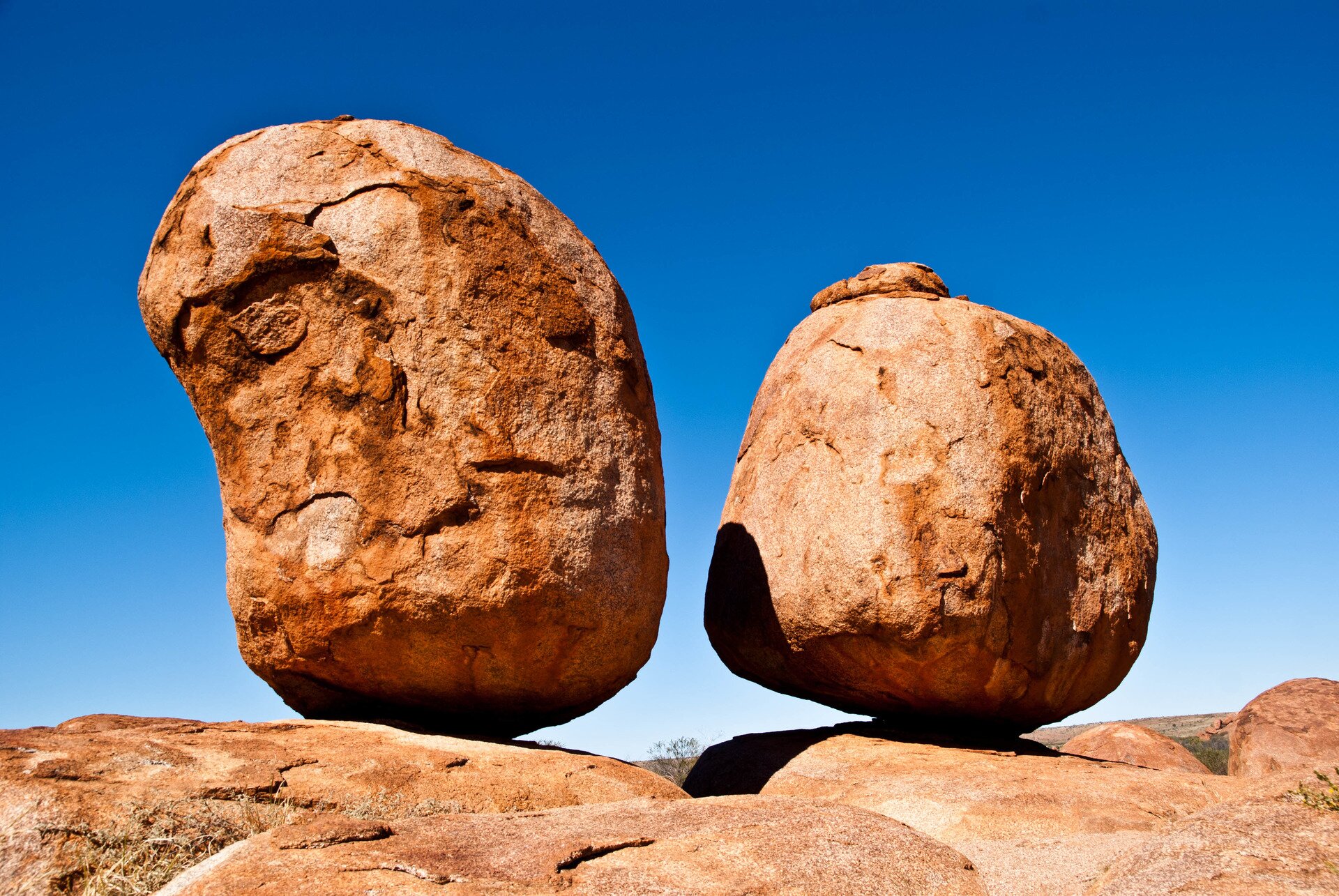
Find and watch the video listed in the e‑textbook, presenting the physical weathering process, entitled ‘Jak powstały Devils Marbles. Describe the individual steps of this process.
Chemical weathering
Chemical weatheringChemical weathering occurs when rocks undergo changes in terms of their chemical composition, mineralogical composition, cohesiveness, or state of aggregation. Such processes occur under the influence of:
dissolution,
hydration,
oxidation,
other chemical reactions.
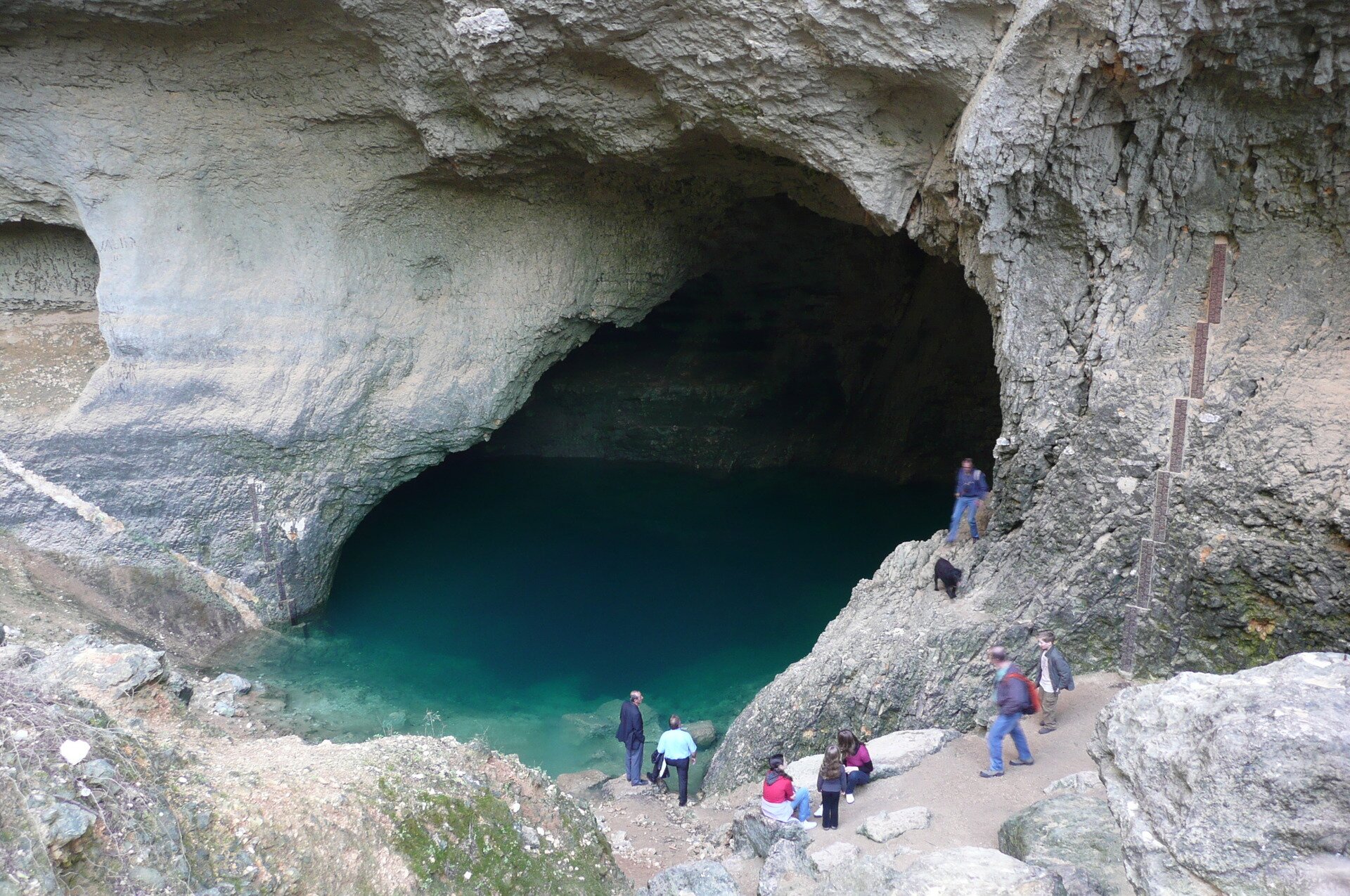
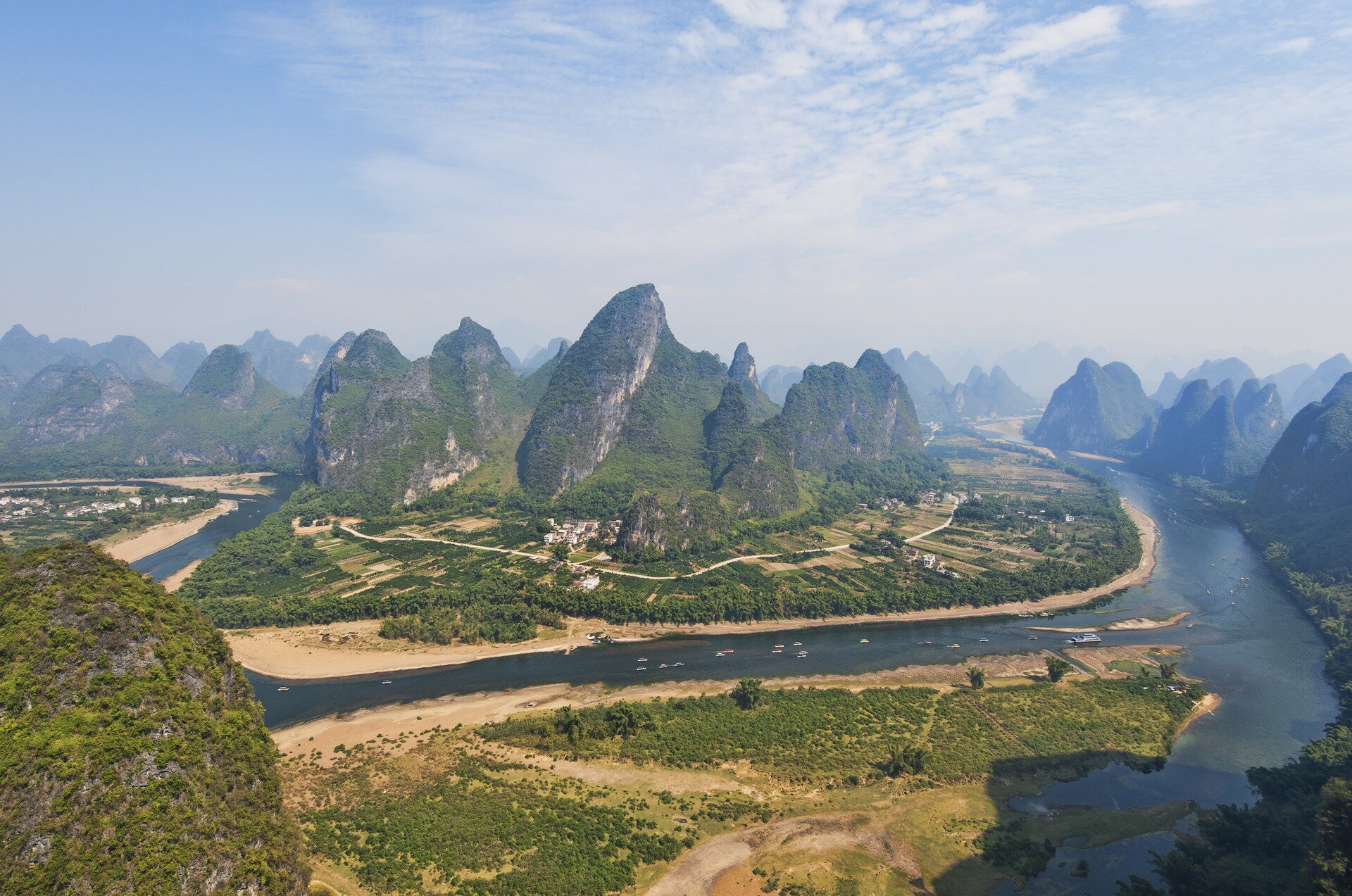
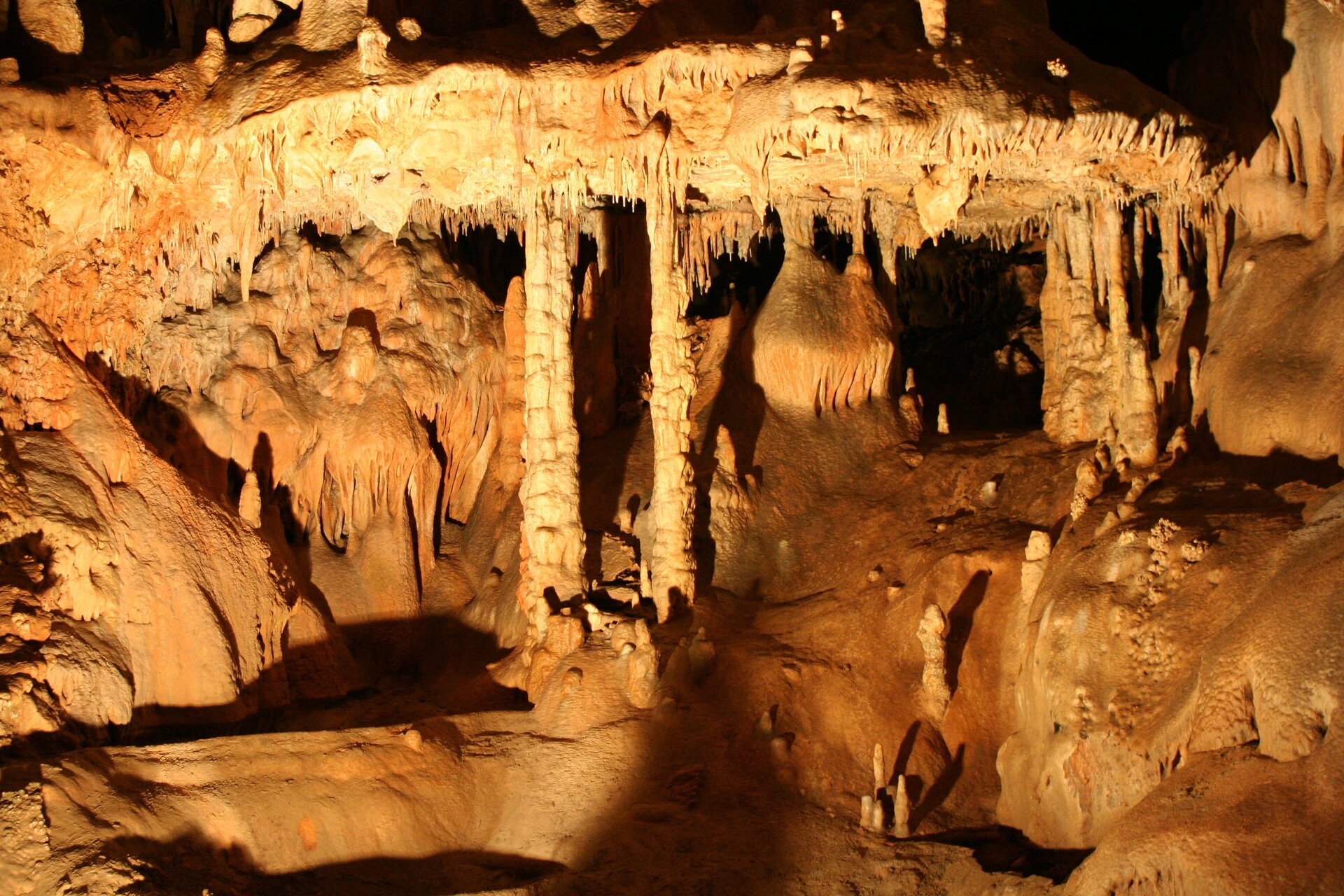
The group of the forms created as a result of the influence of even slightly acidified water on soluble rocks (especially carbonate rocks) is called karstkarst. This is an example of chemical weathering.
The karstification process consists in: the dissolving and washing away of carbonate rocks (limestones, dolomites, gypsum, chalk, rock‑salt and others) by waters which contain carbon dioxide, the widening of crevices and cracks in the rock, as well as the precipitating of calcium compounds (mainly aragonite and calcite) and depositing them on the surface of the rock in the form of dripstones.
Biological weathering
Biological weatheringBiological weathering is caused by the mechanical or chemical impact of living organisms on rocks. Some examples of mechanical fragmentation of rocks are:
growth of plant roots,
growth of plant shoots,
swelling of germinating seeds,
digging of burrows by animals.
The chemical variation of biological weathering is the decomposition of rocks as an effect of:
acids and other chemical compounds produced by plants,
various chemical compounds produced by fungi,
chemical compounds produced by animals,
chemical substances resulting from the decomposition of dead remains of organisms.

Performing the following exercises will help you to organize your knowledge.
Match the terms that correctly describe the given category.
occurs, for example, due to changes in temperature and humidity, may occur as a result of chemical reactions with substances secreted by living organisms, is caused as a result of the mechanical or chemical fragmentation of rocks by various organisms, may be caused by plant growth or seed germination, may be caused by the activity of animals, its product is eluvium, may lead to the creation of karst, occurs as a result of chemical reactions in rocks, leads to the formation of stone runs
| Physical weathering | |
|---|---|
| Chemical weathering | |
| Biological weathering |
Summary
Under the influence of external factors, rocks change their chemical and physical properties.
Depending on the prevailing factors, we distinguish the following types of weathering: physical, chemical, and biological.
Keywords
karst, eluvium, stone run, weathering
Glossary
gołoborza – nieporośnięte roślinnością stoki gór pokryte rumoszem skalnym powstałym z rozpadu litych skał pod wpływem dużych skoków temperatury
kras – ogół procesów i form związanych z niszczeniem skał rozpuszczalnych (najczęściej węglanowych, gipsów i soli) przez wodę oraz tworzeniem zjawisk i form powierzchniowych i podziemnych
wietrzenie – proces rozluźniania, kruszenia i chemicznej przemiany składników litych skał w luźne osady lub przeprowadzenie ich do roztworu w wyniku rozpuszczania; w efekcie tych procesów pierwotna skała ulega degradacji – niszczeniu
wietrzenie biologiczne – proces wietrzenia powodowany przez organizmy
wietrzenie chemiczne – proces chemiczny doprowadzający do rozkładu skały; możliwe procesy to rozpuszczanie, utlenianie, uwęglanowienie, uwodnienie lub hydroliza
wietrzenie fizyczne (mechaniczne) – proces rozdrabniania skały na mniejsze okruchy bez zmian ich własności chemicznych, na skutek zmian temperatury i nasłonecznienia, wzrostu objętości zamarzającej wody, wzrostu kryształów i pęcznienia minerałów ilastych pod wpływem wilgoci