The most significant Enlightenment impulses reached Poland from France. Another Enlightenment source of inspiration were the patterns derived from Germany. Both, August II and his son August III, were known for their love of art. Thanks to their investments, Dresden turned into a model baroque city, and Zwinger into an example of a palace building, admired by people in Europe. In Warsaw a number of investments were carried out - from the famous Saxon Axis to the Royal Castle reconstruction. In Grodno a new castle was built and the Sejm sessions were held there. However, Polish culture owns the most to the patronagepatronagepatronage of the last king - Stanisław August. In cooperation with the art advisory: Marcello Bacciarelli and Fryderyk Moszyński, Stanisław August implemented a number of initiatives in the field of urban planning, architecture, sculpture and painting. Wonderful palaces, gardens, residential towns reconstructions and art collecting became the responsibility of the largest magnate families.
RIKMRVmJX6RAg1
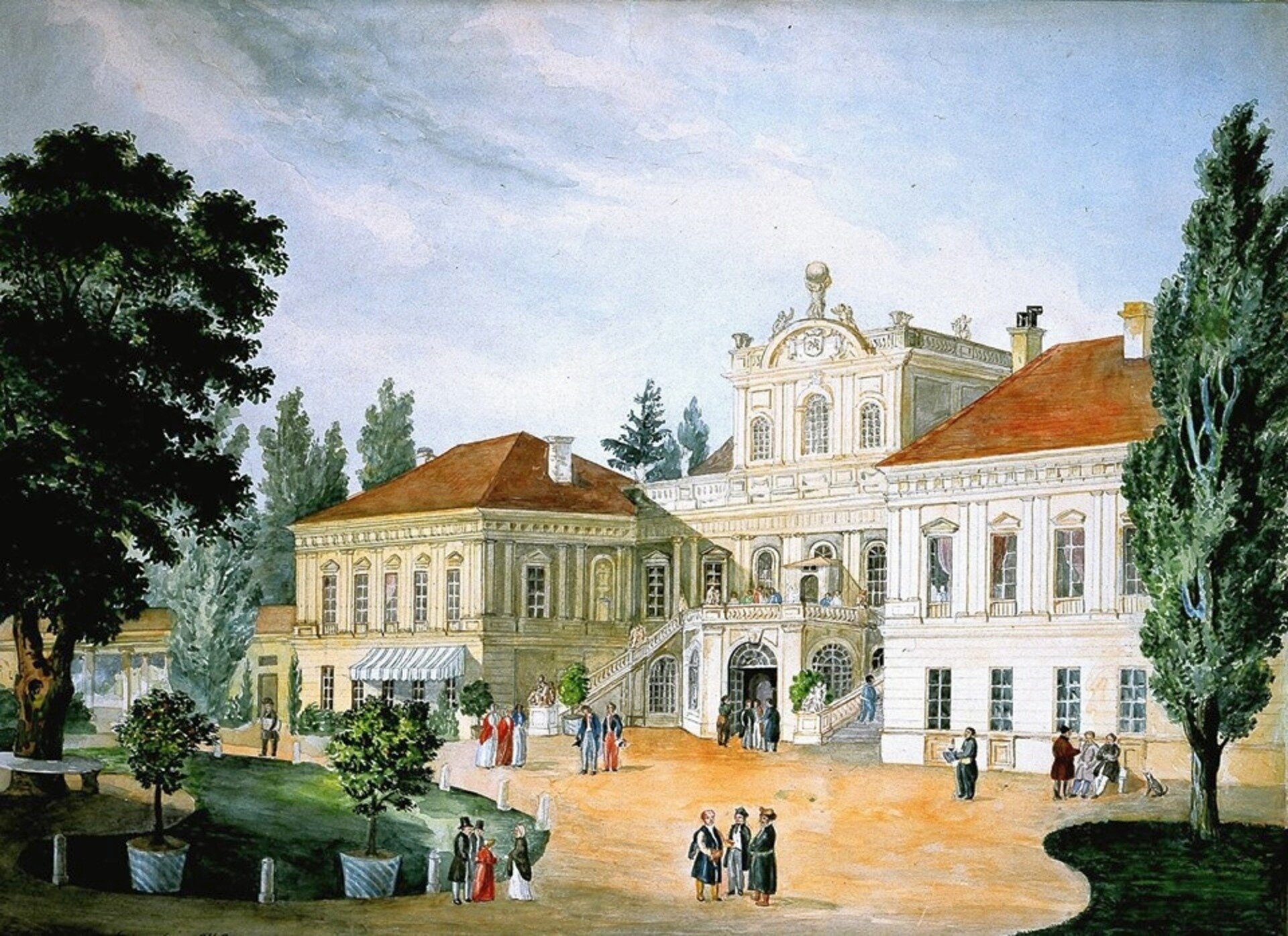
Ilustracja przedstawia rezydencję Czartoryskich w Puławach
Czartoryski Palace in Puławy
Source: Konstanty Czartoryski, domena publiczna.
The main magnate families began to build magnificent residences. The most famous are: Radziwiłł Palaces in Nieśwież and Nieborów, Branicki Palace in Bialystok, Lubomirski Palace in Łańcut, Czartoryski Palace in Puławy, Sieniawa and Korc, and Potocki Palace in Tulczyn. In 1765, Stanisław August Poniatowski inaugurated the performances of the first Polish permanent theatre troupe. Much later, the theatre team became known as the „National Theatre”. Wojciech Bogusławski is considered to be the father of this institution, financed in significant part by the king.
RgJnl2fF4Zg96
Exercise 1
Indicate the sources of the Enlightenment ideas in Poland. Możliwe odpowiedzi: 1. Masonic lodges start appearing in Warsaw, 2. the Jesuit Order education, 3. trips to the United States, 4. magnates worshipping the Sarmatian tradition, 5. Stanisław Leszczyński manor in Lorraine, 6. travels of young Polish aristocracy representatives to France, 7. clerics’ studies and journeys to Rome and Naples, 8. the Saxon court of Wettin, 9. English patterns becoming fashionable amongst the aristocracy
Indicate the sources of the Enlightenment ideas in Poland. Możliwe odpowiedzi: 1. Masonic lodges start appearing in Warsaw, 2. the Jesuit Order education, 3. trips to the United States, 4. magnates worshipping the Sarmatian tradition, 5. Stanisław Leszczyński manor in Lorraine, 6. travels of young Polish aristocracy representatives to France, 7. clerics’ studies and journeys to Rome and Naples, 8. the Saxon court of Wettin, 9. English patterns becoming fashionable amongst the aristocracy
Indicate the sources of the Enlightenment ideas in Poland.
Masonic lodges start appearing in Warsaw
the Jesuit Order education
trips to the United States
magnates worshipping the Sarmatian tradition
Stanisław Leszczyński manor in Lorraine
travels of young Polish aristocracy representatives to France
clerics’ studies and journeys to Rome and Naples
the Saxon court of Wettin
English patterns becoming fashionable amongst the aristocracy
Task 1
Listen to the audition What solutions in the field of social policy were proposed by philanthropy, trendy in the enlightenment? How did it reach Poland? Try to assess their effectiveness.
M. Piotrowska-MarchewaNędzarze i filantropi. Problem ubóstwa w polskiej opinii publicznej 1815-1863
R60fIP2vIHkrw1
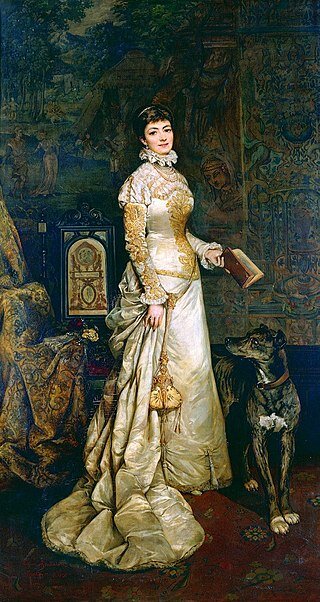
Ilustracja przedstawia portret aktorki Heleny Modrzejewskiej
Portrait of Helena Modrzejewska
Source: Tadeusz Ajdukiewicz, domena publiczna.
Ladies from distinguished families, who felt equally comfortable in their estates, in Warsaw, as well as in those in Paris, Vienna or Spa, were very busy with setting new, and improving old, rural and urban residences, completing book collections, posing for portraits as a part of their „household duties”, and travelling. Probably this way, but also, as a result of the personal contacts, blood ties and friendship with the enlightened monarchs, they adopted and spread the nascent trend for introducing the innovative solutions in the field of caring for the poor. In Western Europe, at the turn of the 18th and 19th century, these solutions included: free medical treatment and vaccination against smallpox, feeding those poor who „deserved support”, introducing elementary vocational education by employing in the „charity workshops” people, who were at least partially able to work, including the orphaned children.
RAZUFXTDFzPqm1
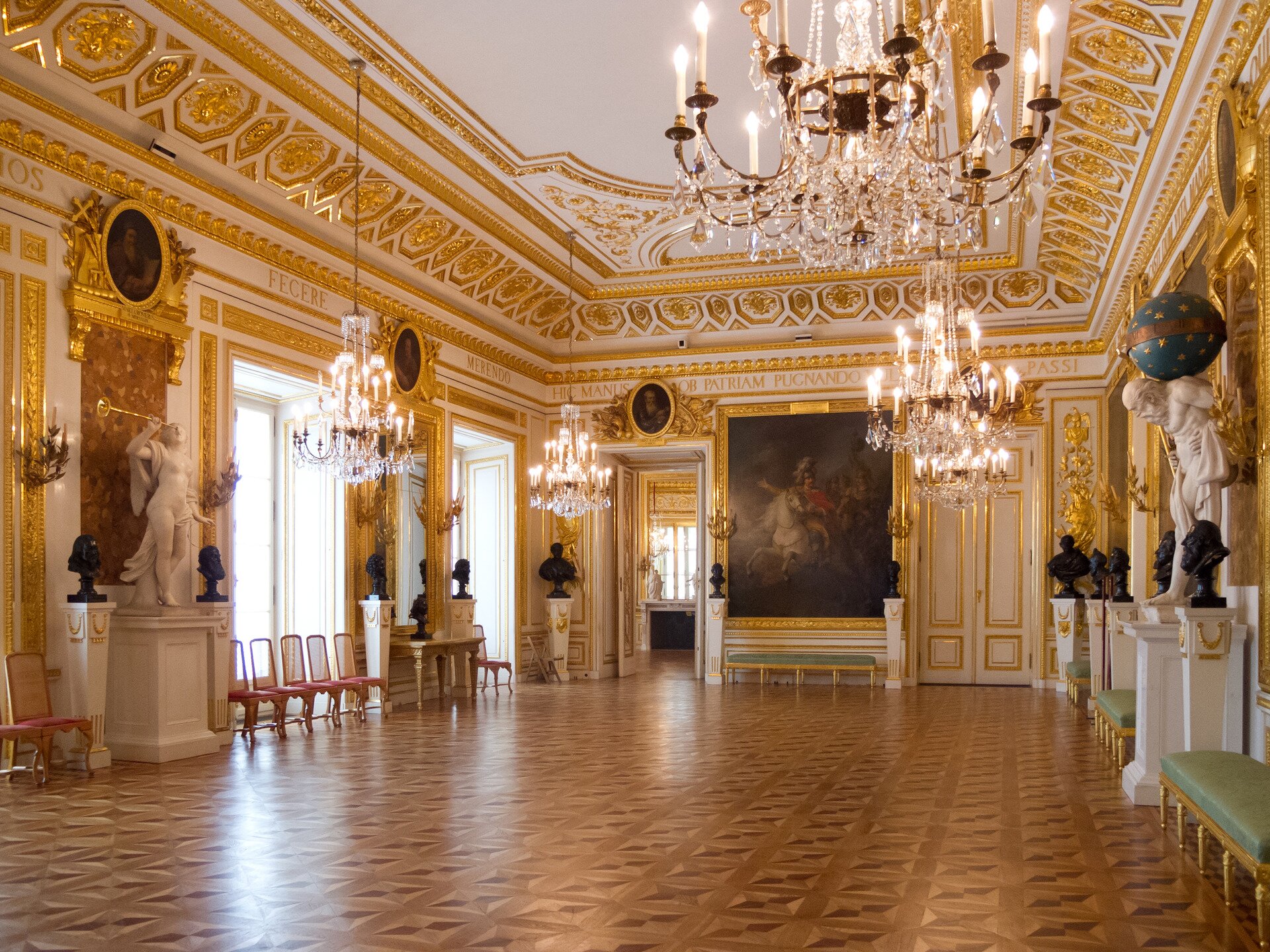
Ilustracja przedstawia salę tronową w Zamku Królewskim w Warszawie. Ściany sali są pozłacane i ozdobione licznymi portretami oraz rzeźbami.
Throne Room in the Royal Castle in Warsaw
Source: Carlos Delgado, licencja: CC BY-SA 3.0.
In Poland in the reign of Stanisław August Poniatowski, philanthropy developed mainly in Warsaw, as a part of the royal court efforts influenced by the Masonry. Its most important postulate was: „acting for the good of people”. Following the example of the capital, the Masonic lodges were also established in smaller towns, but their activities were limited to collecting contributions to help the poor and the victims of the natural disasters. Sometimes, at the initiative of the members, who were doctors, the free medical assistance was provided to the poor.
The fashion for philanthropy led to the opening of the first in Poland, Warsaw Institute of the Poor. It was opened in 1783, on the initiative of the French general, Freemason Baron Pierre Lefort and Stanisław August Poniatowski. The Institute was a kind of manufacture, managed by a private entrepreneur, who employed the beggars taken from the streets, and the volunteering poor residents of the city. Their work consisted of textile manufacturing and wool spinning.
marchewa Source: M. Piotrowska-Marchewa, Nędzarze i filantropi. Problem ubóstwa w polskiej opinii publicznej 1815-1863, Toruń 2004.
R25DL13eQrUEP
Exercise 2
Match the palace architecture with the magnate families that founded them in the 18th century. Czartoryski Możliwe odpowiedzi: 1. Nieborów, 2. Tulczyn, 3. Białystok, 4. Łańcut, 5. Sieniawa, 6. Puławy Branicki Możliwe odpowiedzi: 1. Nieborów, 2. Tulczyn, 3. Białystok, 4. Łańcut, 5. Sieniawa, 6. Puławy Radziwiłł Możliwe odpowiedzi: 1. Nieborów, 2. Tulczyn, 3. Białystok, 4. Łańcut, 5. Sieniawa, 6. Puławy Potocki Możliwe odpowiedzi: 1. Nieborów, 2. Tulczyn, 3. Białystok, 4. Łańcut, 5. Sieniawa, 6. Puławy Lubomirski Możliwe odpowiedzi: 1. Nieborów, 2. Tulczyn, 3. Białystok, 4. Łańcut, 5. Sieniawa, 6. Puławy
Match the palace architecture with the magnate families that founded them in the 18th century. Czartoryski Możliwe odpowiedzi: 1. Nieborów, 2. Tulczyn, 3. Białystok, 4. Łańcut, 5. Sieniawa, 6. Puławy Branicki Możliwe odpowiedzi: 1. Nieborów, 2. Tulczyn, 3. Białystok, 4. Łańcut, 5. Sieniawa, 6. Puławy Radziwiłł Możliwe odpowiedzi: 1. Nieborów, 2. Tulczyn, 3. Białystok, 4. Łańcut, 5. Sieniawa, 6. Puławy Potocki Możliwe odpowiedzi: 1. Nieborów, 2. Tulczyn, 3. Białystok, 4. Łańcut, 5. Sieniawa, 6. Puławy Lubomirski Możliwe odpowiedzi: 1. Nieborów, 2. Tulczyn, 3. Białystok, 4. Łańcut, 5. Sieniawa, 6. Puławy
Match the palace architecture with the magnate families that founded them in the 18th century.
Wysłuchaj nagrania abstraktu, ułóż do niego pytania i zadaj je koledze.
Wysłuchaj nagrania abstraktu, ułóż do niego pytania i zadaj je koledze.
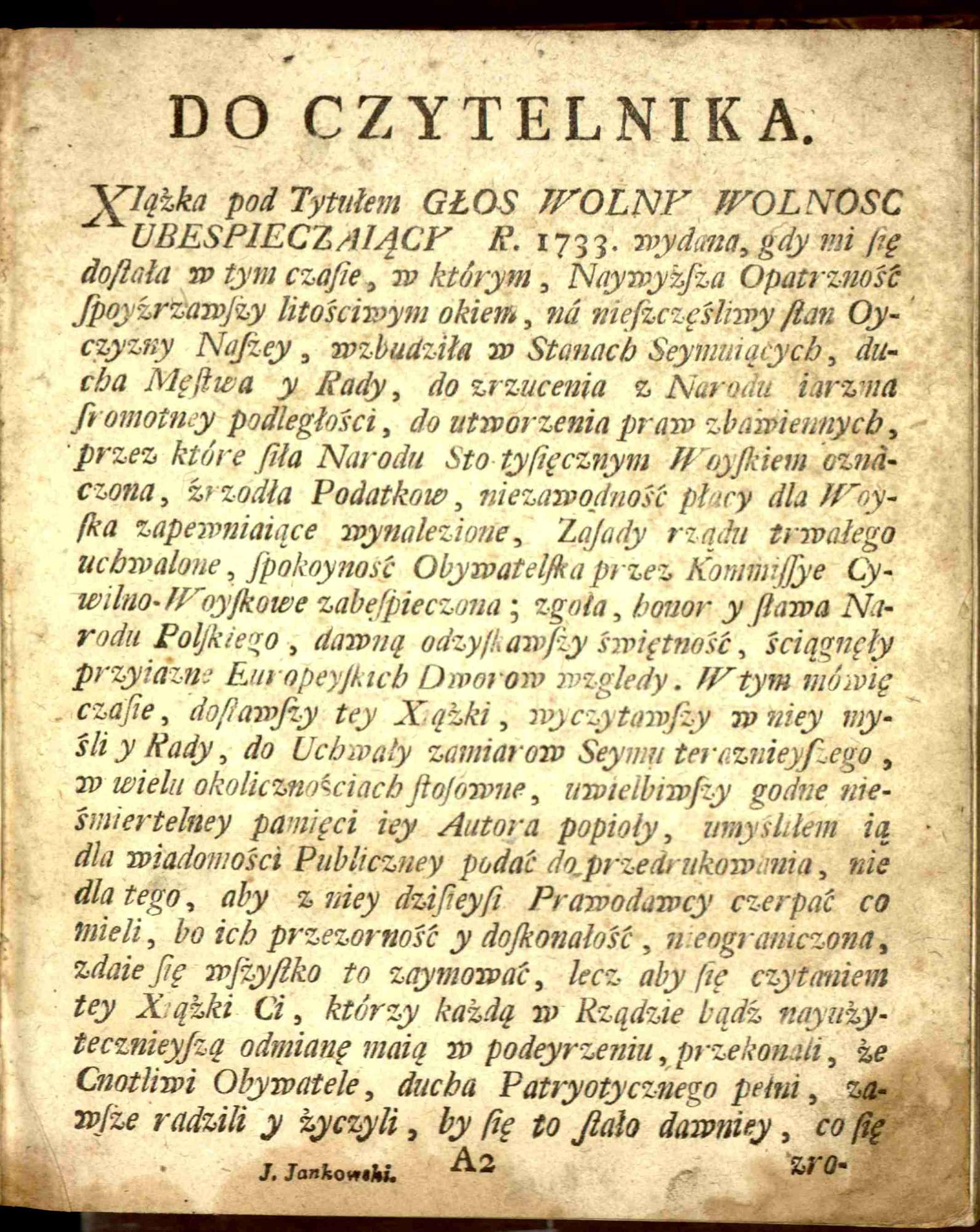
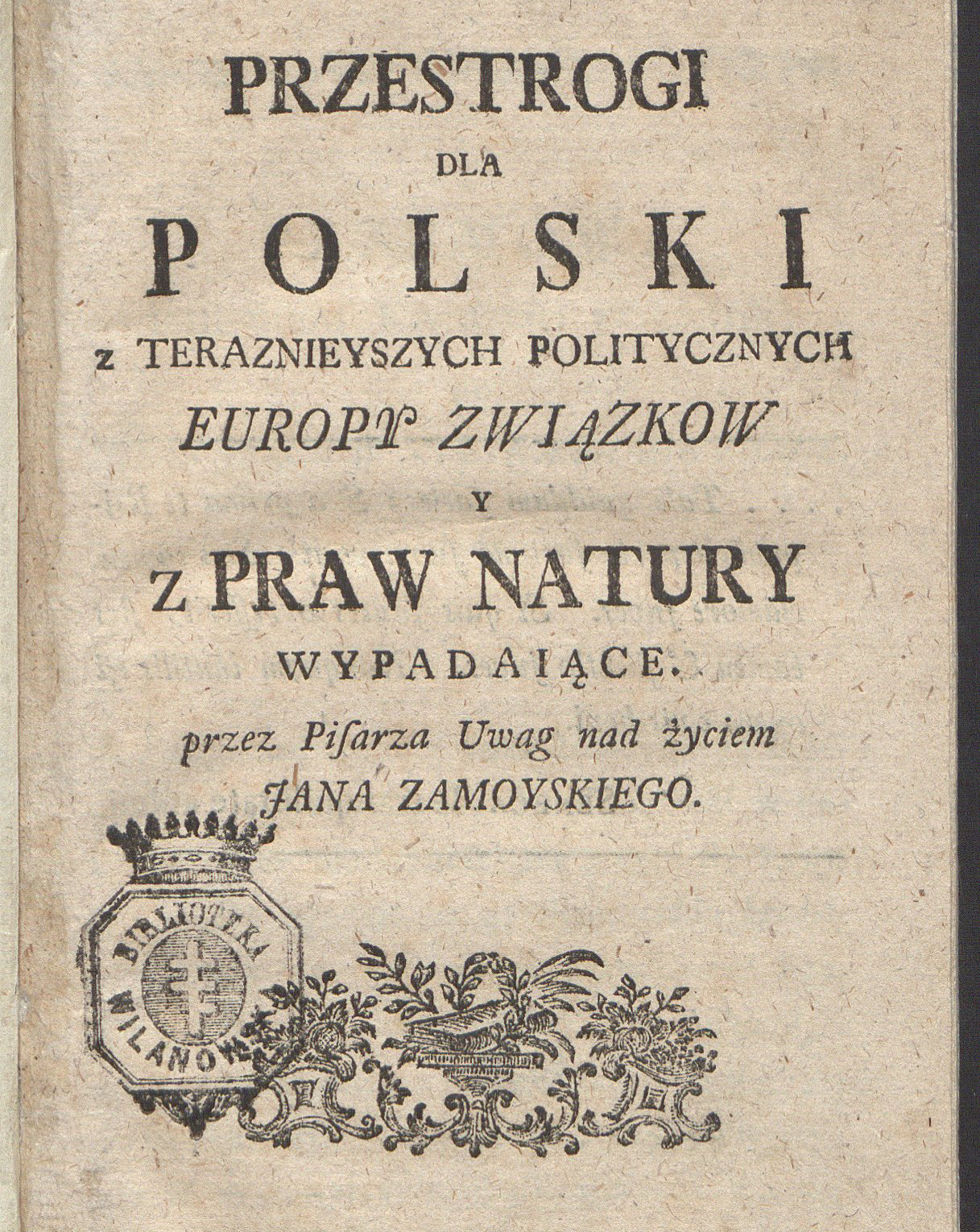
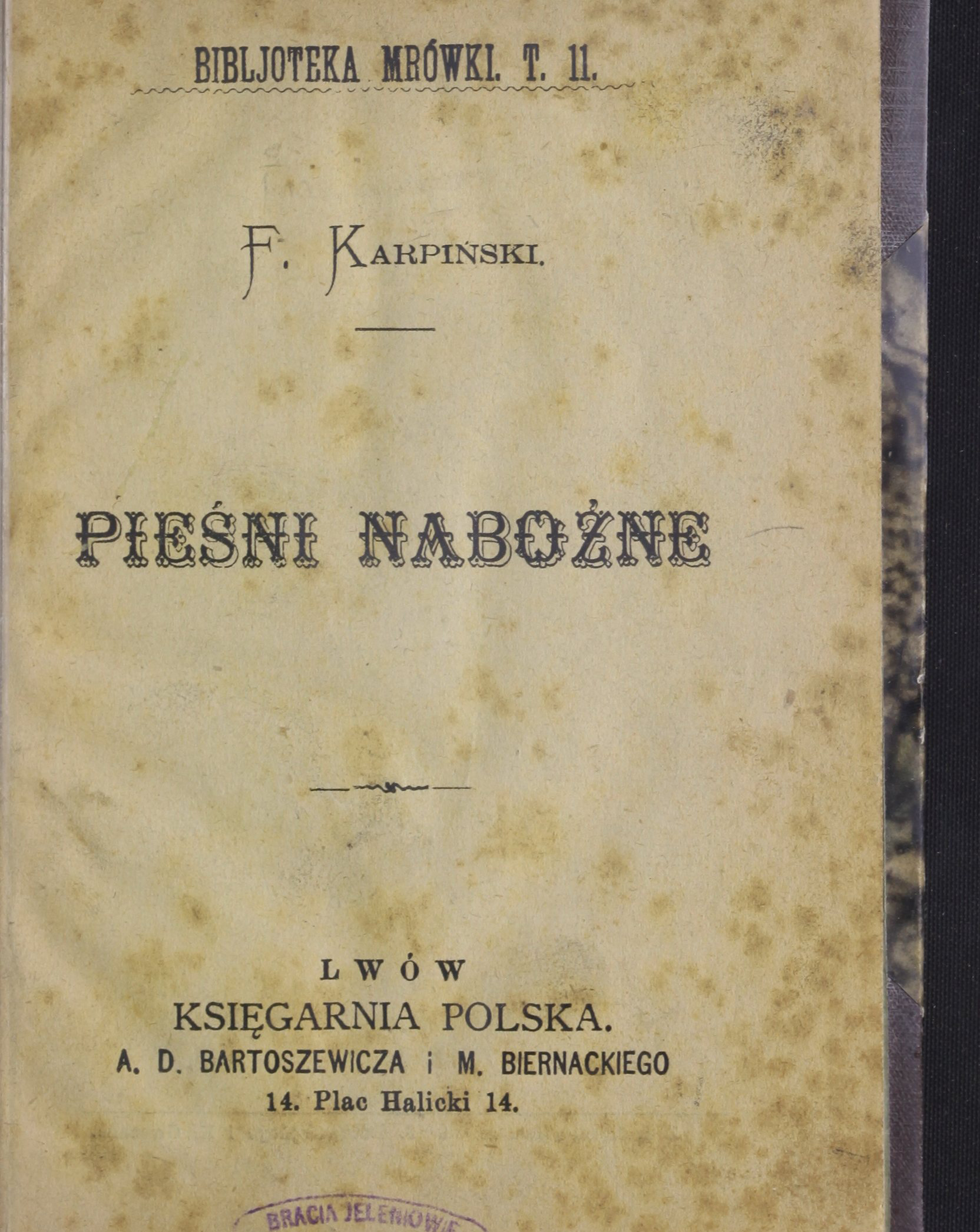
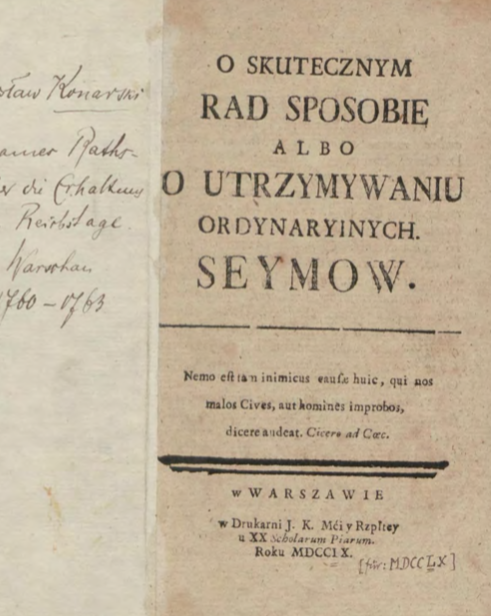
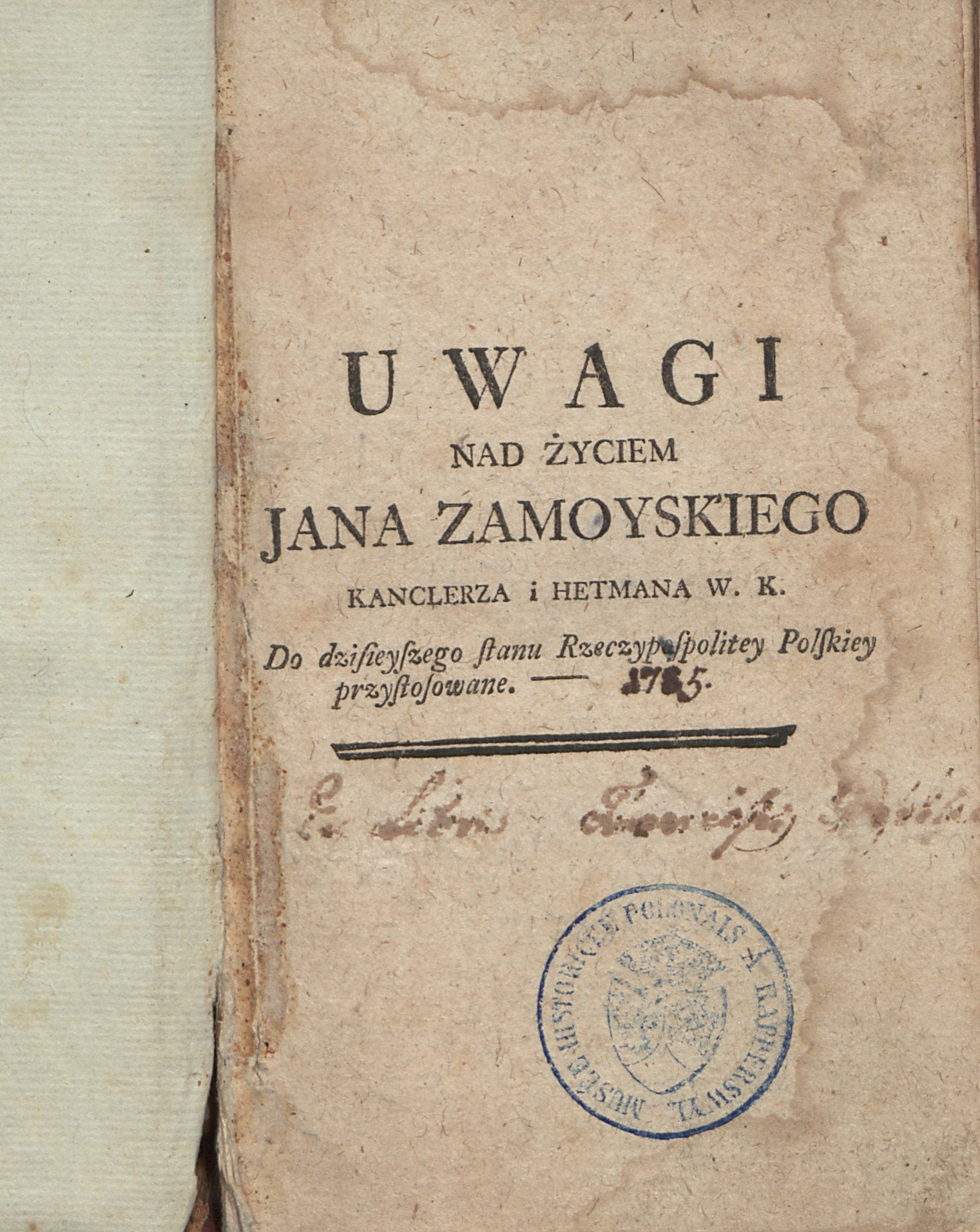
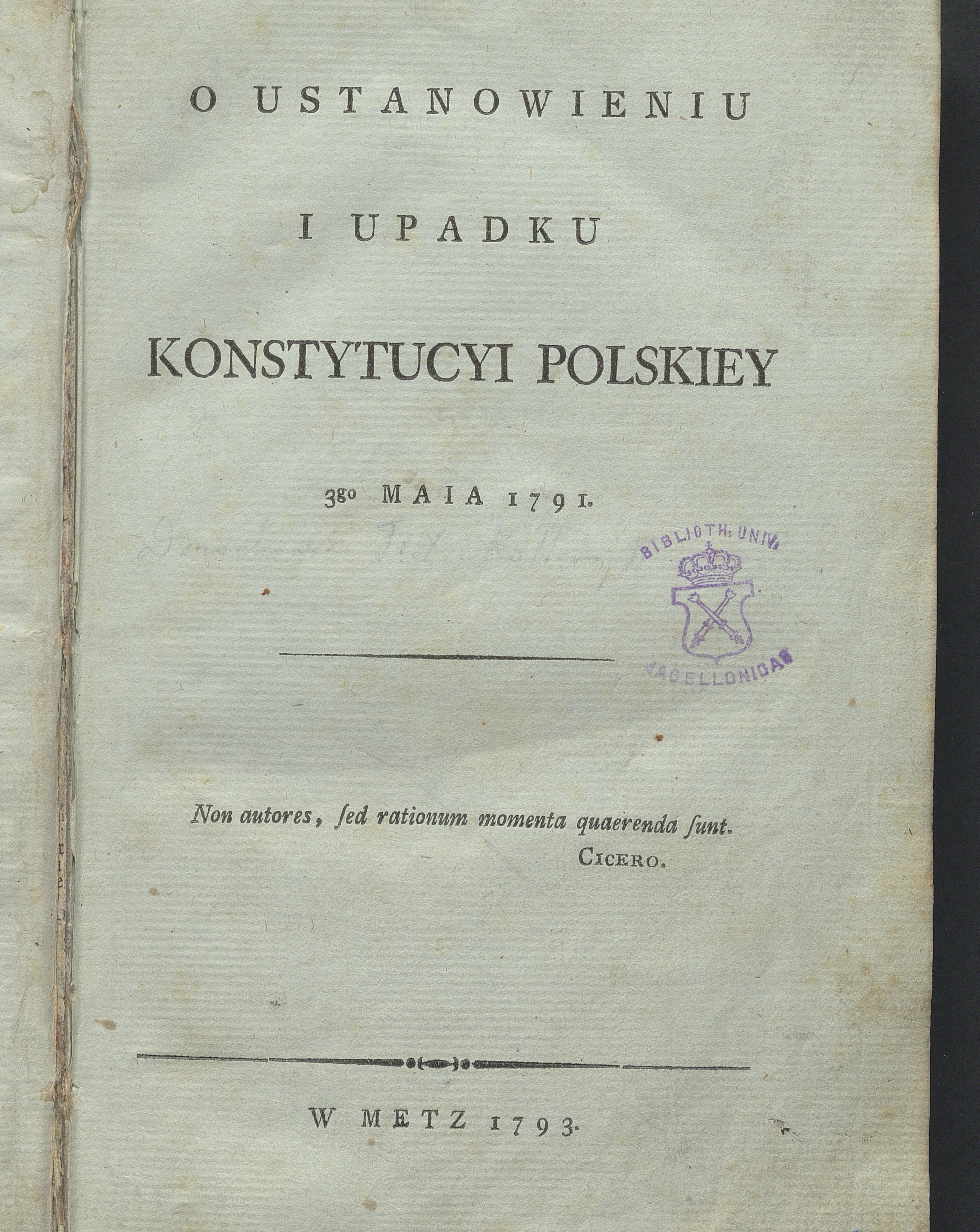
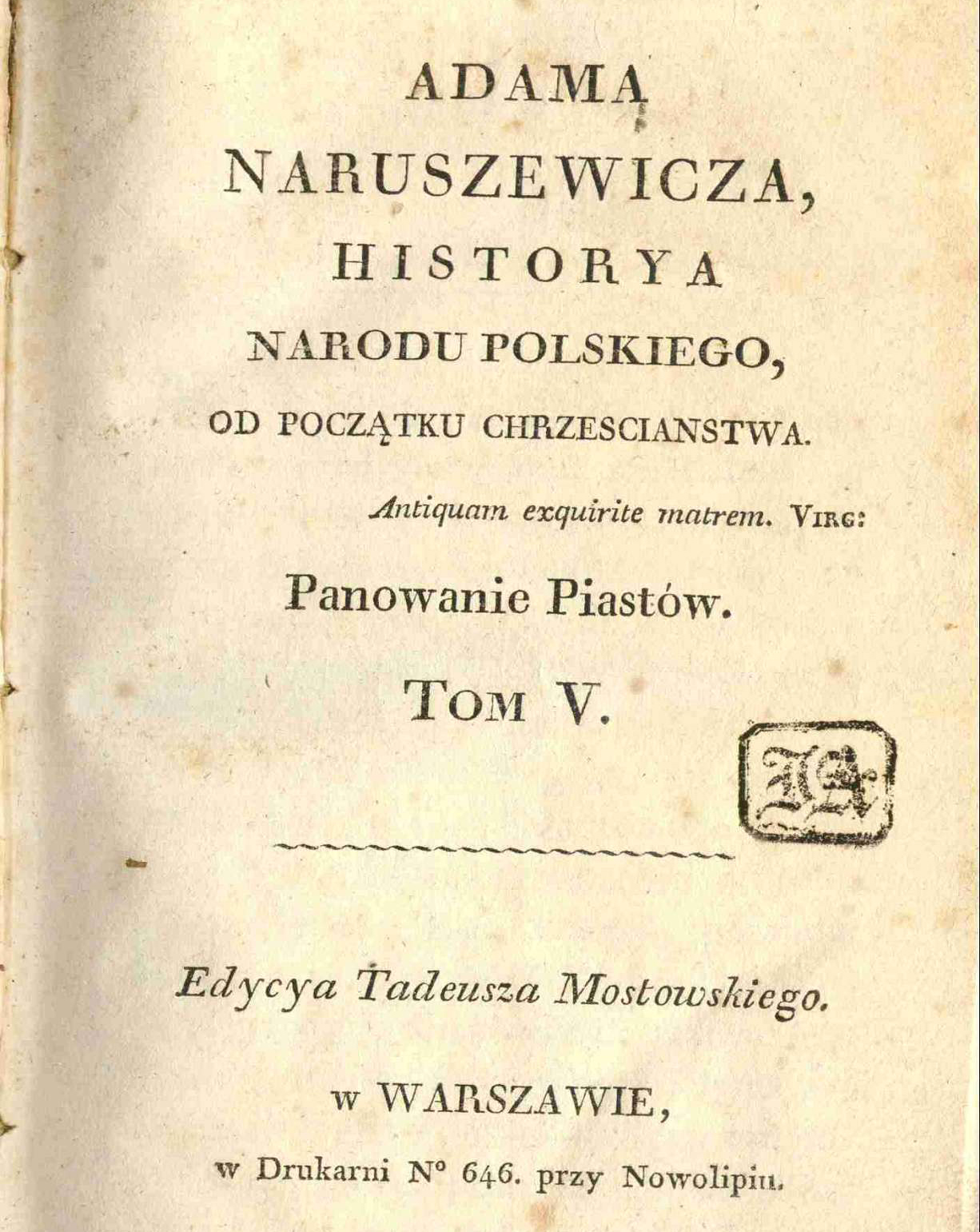
Match the names of the leading artists and activists of the Enlightenment in Poland to their works. Try to trace which one of them has already appeared outside the borders of Poland?
Franciszek Karpiński
1749
Stanisław Konarski
1787
Stanisław Leszczyński
1792
Stanisław Staszic
1780–1786
Adam Naruszewicz
1760–1763
Stanisław Staszic
1790
Hugo Kołłątaj, Franciszek Dmochowski
1792
Ignacy Krasicki
1776
RIfbfSvMFiwkj
Exercise 4
Check your knowledge about the Enlightenment press. Which of the following titles were not magazines? Mark their titles. Możliwe odpowiedzi: 1. Dziennik Handlowy, 2. Gazeta Narodowa i Obca, 3. Monitor, 4. Nowe Ateny albo Akademia wszelkiey scyencyi pełna, 5. Pamiętnik Historyczno-Polityczny, 6. Zabawy Przyjemne i Pożyteczne
Check your knowledge about the Enlightenment press. Which of the following titles were not magazines? Mark their titles. Możliwe odpowiedzi: 1. Dziennik Handlowy, 2. Gazeta Narodowa i Obca, 3. Monitor, 4. Nowe Ateny albo Akademia wszelkiey scyencyi pełna, 5. Pamiętnik Historyczno-Polityczny, 6. Zabawy Przyjemne i Pożyteczne
Check your knowledge about the Enlightenment press. Which of the following titles were not magazines? Mark their titles.
Mecenat – pomoc materialna udzielana uczonym, artystom, pisarzom i poetom. nuncjatura apostolska - siedziba przedstawicielstwa (ambasada) Stolicy Apostolskiej reprezentująca w osobie nuncjusza interesy tego podmiotu
Palladianizm – styl w architekturze zapoczątkowany przez Andrea Palladio. Budowle wzniesione przez tego architekta i jego naśladowców cechuje konsekwencja układów konstrukcyjnych, umiarkowanie w dekoracji, stosowanie wielkiego porządku obejmującego całą wysokość budynku