Genetically modified organisms in the service of mankind
that people genetically modify various organisms in order to obtain, for example, more efficient crops
GMO means genetically modified organisms.
describe methods of genetic modification of microorganisms;
determine the relevance of the genetically modified organisms
assess the suitability of genetically modified organisms for human needs.
Methods of genetic modification of organisms
In order to genetically modify an organism (e.g. make bacteria produce insuline), first from the organism that produces this hormone, a fragment which codes the right protein needs to be cut out. The cut out DNA fragment is then placed in the genetic vectorgenetic vector, which can be a virus or a plasmidplasmid. Plasmids are nucleic acid molecules that occur in a bacterial cell outside its „chromosome” and are capable of self‑replication. Such a vector is introduced into a recipient organism (e.g. bacterial cell) that synthesizes proteins encoded in the introduced DNA.
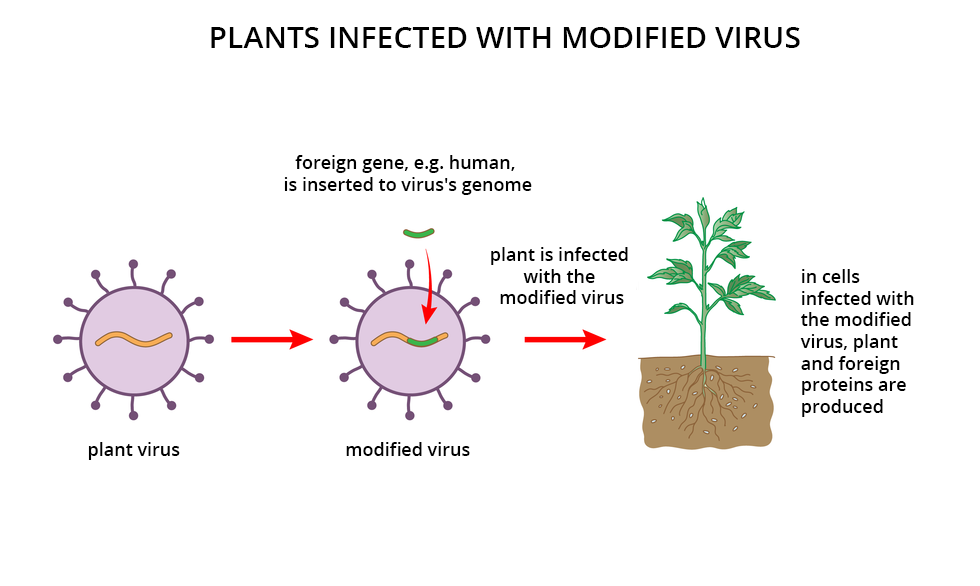
Another possibility of introducing foreign DNA into a cell is electroporationelectroporation. This method uses a series of electrical impulses which create pores in the cell membrane through which the foreign DNA can penetrate the cell intended for the genetic modification. Electroporation is also used in cancer treatment, when the medicine cannot penetrate the tumor.
Biolistic transfromationBiolistic transfromation is a method involving introduction of small balls (usually gold or tungsten) coated in DNA, which serve as bullets. These balls accelerated to high speeds (up to several m/s) by the so‑called gene gungene gun penetrate the cell membrane and enter the cell, introducing the foreign DNA material. These bombed cells are being grown. After a certain period of time, it is checked if the DNA has been built into the genome. Unfortunately, the biolistic transfromation is a flawed method –gene guns are expensive and the method itself is not effective, as it causes mechanical damage to the cells.
Use of genetically modified organisms
Biotechnology uses microorganisms to produce proteins, hormones and vitamins. Currently, yeasts which have the gene responsible for the production of insulin (obtained by genetic engineering) are used to produce one of the human hormones – insulin, which regulates the blood sugar level.
The human growth hormone is another example of a substance produced using genetically modified microorganisms. This hormone is administered to children suffering from dwarfism, whose pituitary gland does not produce enough of the hormone. This prevents the development of the disease or reduces its effects.
Another substance which is produced thanks to the genetic modification is hirudinhirudin – a substance produced by leeches, which reduces blood clotting. It is used when patients suffer from thrombosis or vascular embolism. It prevents platelets from sticking together and eliminates clots that block the blood flow and cause oedema. The possibility of transferring the gene responsible for production of hirudin from leeches to microorganisms allowed the industrial production of this medicine.
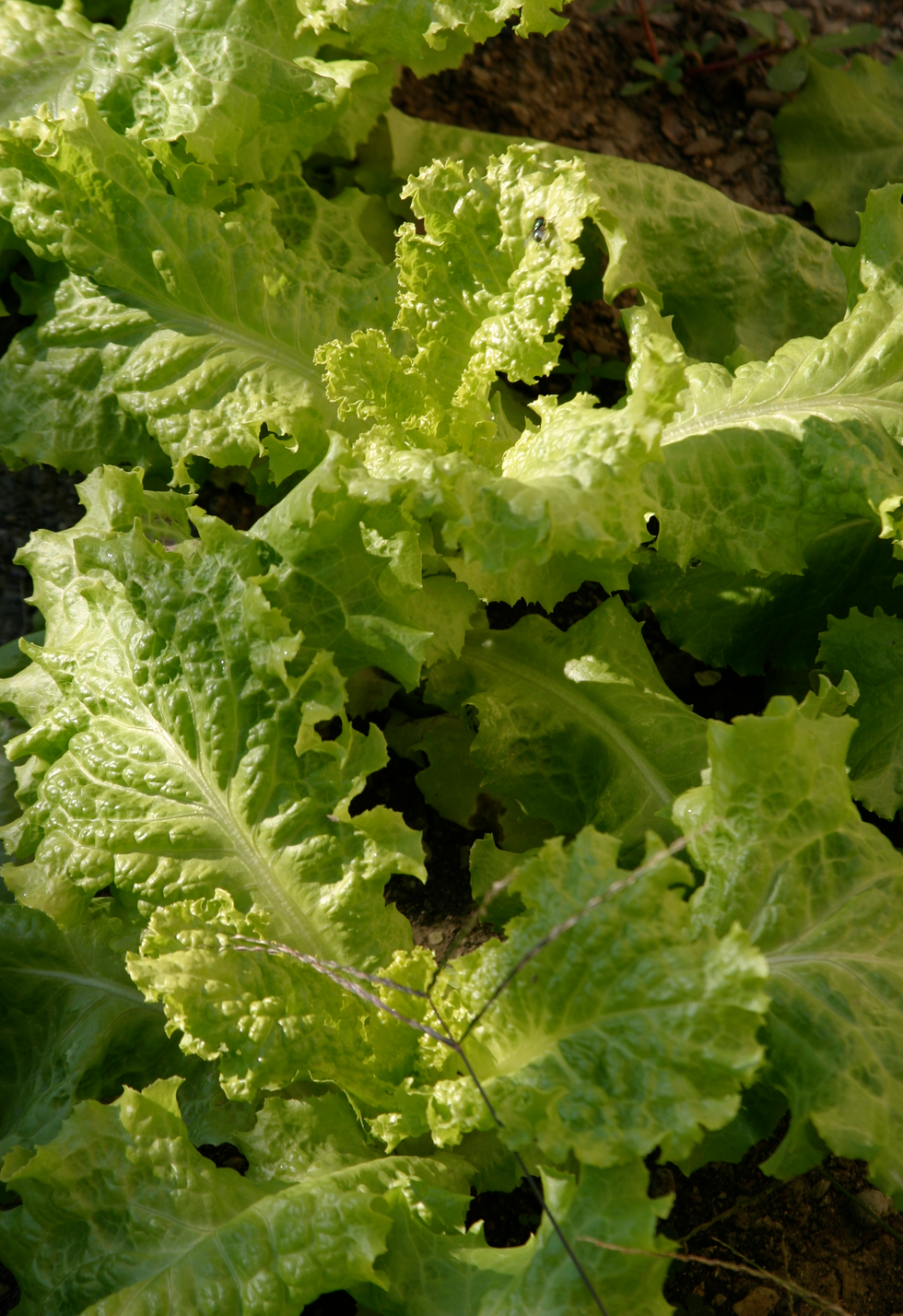
The ability to create vaccines is one of the most important use of the genetically modified organisms. In 2013 first influenza vaccine was created which contains proteins derived from insect cells. The time needed to produce such a vaccine was much shorter than that needed for previous methods, which is immensly important when the influenza virus undergoes numerous mutations. Professor Andrzej Legocki bred in Poland lettuce, which contained the vaccine against Hepatitis B (HBV). In order to obtain it, he used the bacteria causing plant diseases, which enables the insertion of foreign DNA into a plant genome. Using this bacteria, he inserted the genes coding the proteins, which appear on the surface of the Hepatitis B virus, in the lettuce genome. The first phase of the research was carried out on mice, which ate the genetically modified lettuce. This way the mice received substance which helped them fight the infection caused by the HBV and avoid it.
Consider which useful substances could be produced by microorganisms? Would it be safer to use bacterial or fungal cells? Justify your answer.
What does the "genetic vector" mean? Select the correct answer.
- a small molecule of DNA which is used to control the distribution of genetic material between daughter cells
- a small molecule of DNA which is used to insert foreign gene into a modified cell
- the process of transferring genetic material from one organism to another
- the process of infection of a healthy cell with a bacterium or virus
Arrange steps of the genetic modification of the micro-organism to produce insulin in the right order.
- synthesis of insulin and other proteins encoded in the genetic material of the microorganism
- insertion of a genetic vector with an additional gene into the cell of the microorganism
- obtaining insulin-coding DNA fragment
- placing the cut-out fragment in the genetic vector
Match the definitions with the given terms.
substance produced by leeches reducing blood clotting, reversible damage to the cell membrane by electrical impulses in order to insert foreign DNA into the cell, a device used in the process of micro-firing foreign DNA into cells, a DNA coding molecule that is common in bacteria
| plasmid | |
| electroporation | |
| gene gun | |
| hiuridin |
Which of the following substances are produced by genetically modified organisms and used in medicine? Select all the correct answers.
- proteins affecting blood clotting
- monosaccharides
- human hormones
- vitamines
Summary
In order to insert foreign genes into cells, various cloning‑based and non‑cloning methods are used.
by using microorganisms it is possible to produce useful substances (e.g. medicine)
Keywords
microorganisms, plasmid, cloning vector
Glossary
armatka genowa -- urządzenie wykorzystywane w procesie mikrowstrzeliwania obcego DNA do komórek
elektroporacja – odwracalne uszkodzenie błony komórkowej za pomocą impulsów elektrycznych w celu wprowadzenia obcego DNA do komórki
hirudyna – substancja wytwarzana przez pijawki obniżająca krzepliwość krwi
insulina – hormon biorący udział w regulacji poziomu cukru we krwi
mikrowstrzeliwanie – metoda wprowadzania do komórki DNA osadzonego na metalowych kulkach, wykorzystywana w inżynierii genetycznej
plazmid – cząsteczka kodująca DNA, która powszechnie występuje u bakterii; może być modyfikowana i wprowadzona np. do komórek roślin
wektor genetyczny – niewielka cząsteczka DNA, za pomocą której wprowadza się obcy gen do modyfikowanej komórki