Rutx6ntxxpjc1

A city. The pros and cons of urbanisation.

Mulberry Street in Italian enclave in Manhattan, New York, c. 1900.
Source: domena publiczna.

Link to the lesson

You will learn
  • to enumerate the most vital examples of technological breakthroughs and civilisational progress in cities in the second half of the 19th century and at the beginning of the 20th century;

  • to identify the social effects of their use.

R136luYCpJtJu
Nagranie abstraktu

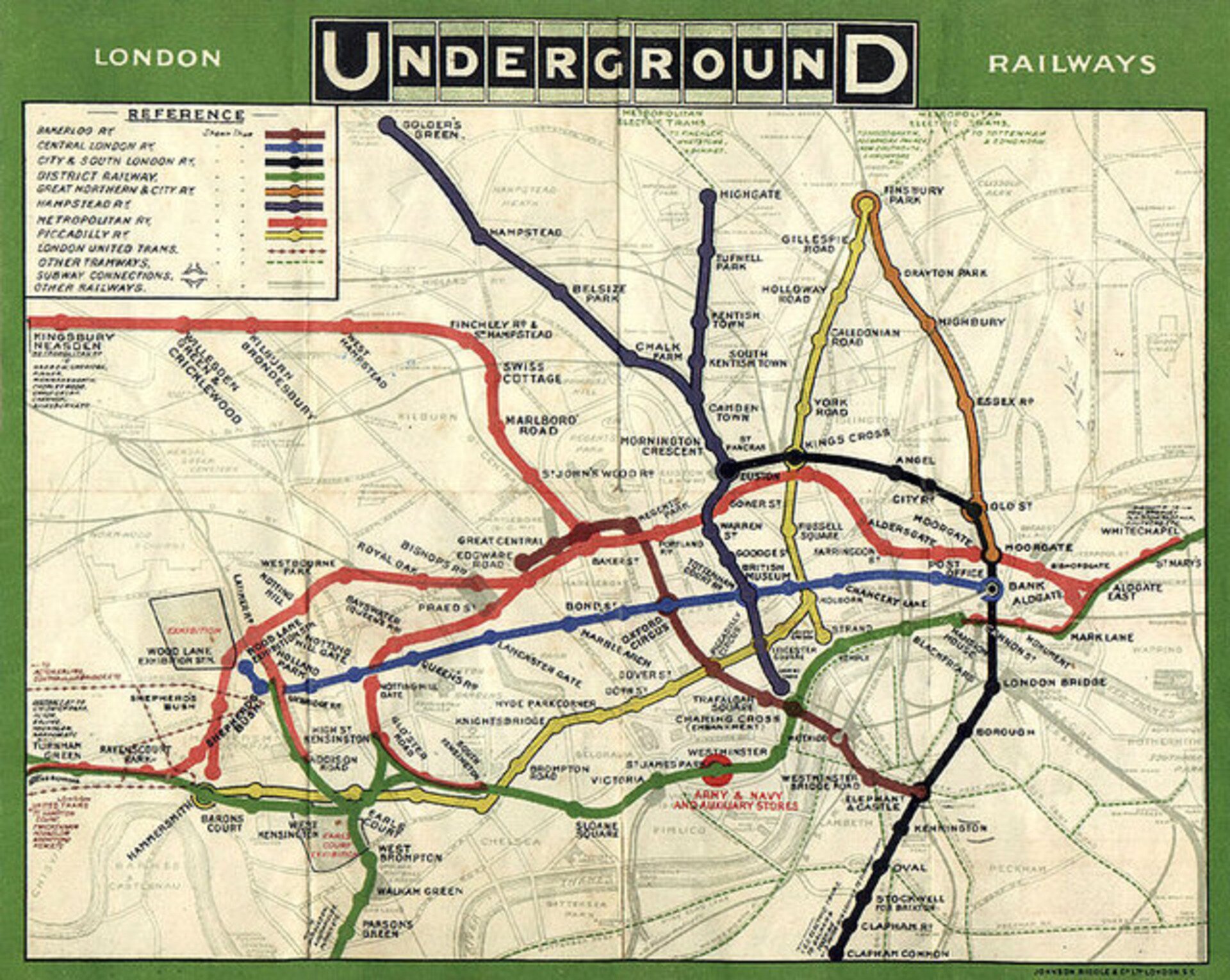
The growth in the number of inhabitants of European cities in the second half of the nineteenth century was the result of a surge in internal migration from the countryside by those in pursuit of better living conditions, most often in search for work in the industry sector. In many countries, the urban population exceeded the number of rural inhabitants. From the 1830s to the 1870s, a number of European cities were modernized. Hundreds of new tenement houses were built and the order therein was improved urbanisticurbanisationurbanistic. The urban space, which up to that point had been developing in a chaotic manner, began to be organized. In the second half of the nineteenth century, large department stores began to emerge in cities. Their appearance was a sign of the economic prosperity of cities and increasing welfare. At the beginning of the 1880s in Berlin – as the first city in the history - electric trams started operating. The first metro in the world was launched in London as early as in 1863. At the end of the 19th century, in some European countries communal housing began to be developed for the poorer population. However, indigent areas still existed in cities, which were unable to cope without the activities of private philanthropic associations, church institutions and public welfare services, which were gradually developing.

R1Sq5rlEteuoD
Exercise 1
Indicate the 5 biggest European cities in 1900. Where were they located? Możliwe odpowiedzi: 1. Berlin – 2071, 2. Budapest – 880, 3. Glasgow – 1000, 4. Hamburg – 931, 5. London – 7256, 6. Moscow – 1550, 7. Paris – 2888, 8. St. Petersburg – 1962, 9. Warsaw – 872, 10. Vienna – 2031
Exercise 2

Familiarize yourself with the table and do the exercise.

Year

Number of cities

Percentage of the total population

1800

23

2,5

1900

135

10

R1N04vxLsH538
Which process is depicted in the table? Możliwe odpowiedzi: 1. industrialisation process, 2. urbanisation process, 3. pauperisation process
1
Task 1
W jaki sposób upowszechnienie elektryczności zmieniło życie ludzi?
R1OMRR9eXBYMJ
Wersja alternatywna: Zapoznaj się z przedstawionymi informacjami w języku angielskim: In 1882, 14000 electric street lamps were installed in New York, and around 1900 electric lighting in cities became a reality. But before it happened, the streets had been lit by gas lamps and, in private areas, most often by oil lamps. With the advancement of electrification, oil, kerosene and gas street lamps were replaced by electric ones almost everywhere. Louis Anquetin, the painting “Avenue de Clichy: Five O’Clock in the Evening”, painted in 1887, depicts an urban reality contemporary to his times. Above the heads of the pedestrians one can notice gas street lamps. Some cities nowadays preserve that type of lighting in their historic centres (in Ostrów Tumski in Wrocław), because its light is much gentler/milder than the one of electric lamps. The industrial revolution enforced the prolongation of people’s daily activities to evening and night hours. Today, people of cities that never sleep have long forgotten what a starry sky looks like. Households also appreciated electric lighting, just as they had appreciated gas lamps not long before. Both types of lighting irrevocably ended the era of harmful fumes, soot on ceilings, scrubbing of shades and the need for ventilation openings above every oil lamp.
Avenue de Clichy: Five O’Clock in the Evening
Source: Louis Anquetin, GroMar Sp. z o.o., Avenue de Clichy: Five O’Clock in the Evening, licencja: CC BY-SA 3.0.
RnHOnEPDbvfXP
Exercise 3
Czy w Paryżu końca XIX wieku elektryczność była powszechna?
Paris street. Rainy day
Source: Gustave Caillebotte, domena publiczna.
RQOjaXX2NGgTt1
Exercise 4
Ilustracja przedstawiająca różne typy oświetlenia na przestrzeni wieków. Wersja alternatywna ćwiczenia: Przygotuj kilka pytań związanych z tematem lekcji i zadaj je koledze lub koleżance.
Lighting through the ages. Antiquity: 1. Prehistory. - 2-3. Egyptian - 4-5. Assyrian. 6-13. Roman. - 14-15. Carthaginian. - 16-17. Merovingian period. - Middle age and modern times: 19-20. 11th century. - 21. 12th century. - 22. 13th century. - 23-24. 14th century. - 25-26-27. 15th century. - 28. 16th century. - 29. 17th century. - 30-31. 18th century. - Contemporary period: 32. (original) Argand lamp. - 33-34. (Antoine Quinquet's improved) Argand lamp. - 35. Stephenson (Geordie) lamp (mines). - 36. Street light. - 37. Davy lamp. - 38. Air-fed wick lamp (theatre). - 39. Railway lamp. - 40. Carcel lamp. - 41. Gasifier. - 42. Auer (gas) lamp with gas mantle. - 43. Gas street lighting (regular burner). - 44. Gas street lighting (high intensity burner). - 45. Auer (petrol) lamp. - 46. (Air-fed) petrol lamp. - 47. Incandescent (electricity). - 48. Lighthouse (electricity). - 49. Mine lamp (electricity). - 50. Incandescent (electricity) [street light]. - 51. Arc light (electricity). - 52. Acetylene lamp (burner). - 53. Acetylene lamp (bycicle). - 54. Acetylene lamp (lamp). - Japan: 55. Street light. - 56. Transportation (rickshaw). - 57. Lantern for funerals. - 58. Portable lantern.
Source: domena publiczna.
Task 2
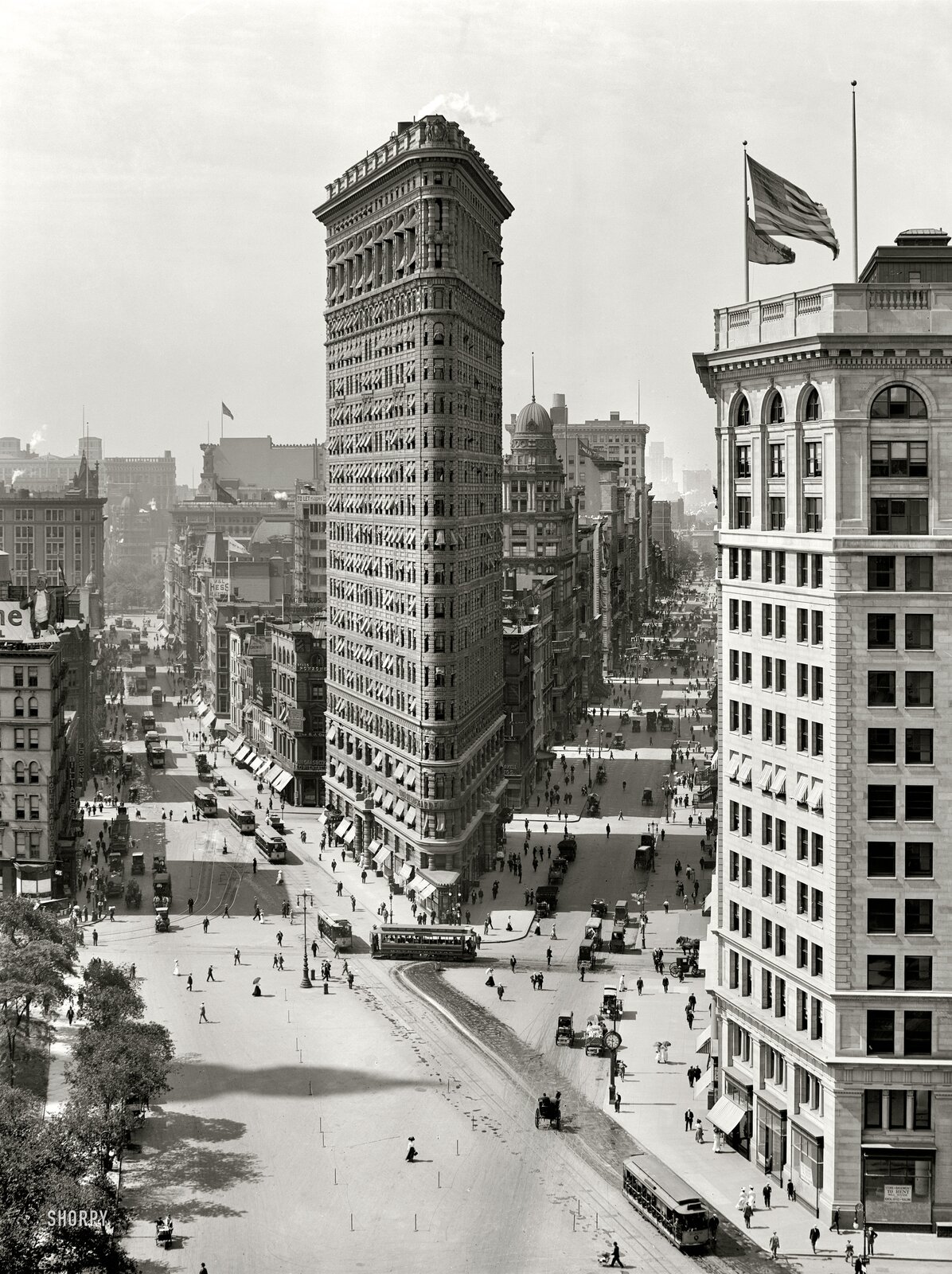
Kiedy w Nowym Jorku powstały pierwsze drapacze chmur?
RTGGSBd493Zcf
Flatiron, New York 1909
Source: domena publiczna.
Task 3
R16JJ6J7RIvA4
The London Underground map from 1908.
Source: domena publiczna.
R1EiFCEtlAGsy
Exercise 5
Łączenie par. Organize your knowledge about the characteristic features of the urban space at the turn of the 20th century in Europe and the United States.. „sky scrapers", i.e. high-rise buildings. Możliwe odpowiedzi: Europa, the United States. community building. Możliwe odpowiedzi: Europa, the United States. buildings with elevators. Możliwe odpowiedzi: Europa, the United States. department stores. Możliwe odpowiedzi: Europa, the United States. metro. Możliwe odpowiedzi: Europa, the United States. construction authorities. Możliwe odpowiedzi: Europa, the United States. pedestrian crossings. Możliwe odpowiedzi: Europa, the United States. representative tenement houses. Możliwe odpowiedzi: Europa, the United States. water supply and sewage networks development. Możliwe odpowiedzi: Europa,the United States. escalators. Możliwe odpowiedzi: Europa, the United States. traffic lights. Możliwe odpowiedzi: Europa, the United States. named streets. Możliwe odpowiedzi: Europa, the United States. numbered streets. Możliwe odpowiedzi: Europa, the United States

Keywords

consumptionismconsumptionismconsumptionism, slumsslumsslums, urbanisation

Glossary

consumptionism
consumptionism
R1Y5vwO5SY9Oy
Nagranie słówka: consumptionism

konsumpcjonizm – nadmierne przywiązywanie wagi do zdobywania dóbr materialnych.

Social care
Social care
Rx4rjPhTIG8bY
Nagranie dźwiękowe słowa.

Opieka społeczna – państwowe lub miejskie instytucje zajmujące się pomocą ludziom potrzebującym

Slums
Slums
Rvgworuv4ntFo
Nagranie słówka: Slums

Slumsy – dzielnice biedoty w wielkich miastach

Urbanisation
Urbanisation
R1ZOMeUkIUIuz
Nagranie słówka: Urbanisation

Urbanizacja – proces rozwoju miast i wzrostu ich liczby; powiększanie się obszarów miejskich i udziału ludności miejskiej w całości zaludnienia; wzrost liczby ludności żyjącej wg miejskich wzorów.