Przeczytaj
Did you know that the White House features on the reverse of one of the dollar banknotes in the US? In this section, you are going to discover many more interesting facts about the White House. Before you read the text, think: what do you know about the White House already? What sort of building does your president live in? Is it similar to the White House in any way?
Czy wiesz, że Biały Dom widnieje na odwrocie jednego z najpopularniejszych banknotów w Stanach Zjednoczonych? W tej sekcji dowiesz się wielu ciekawych rzeczy o tej budowli. Zanim zapoznasz się z tekstem, pomyśl, co już wiesz o Białym Domu. W jakim budynku mieszka prezydent twojego kraju? Czy te dwie rezydencje są do siebie podobne?
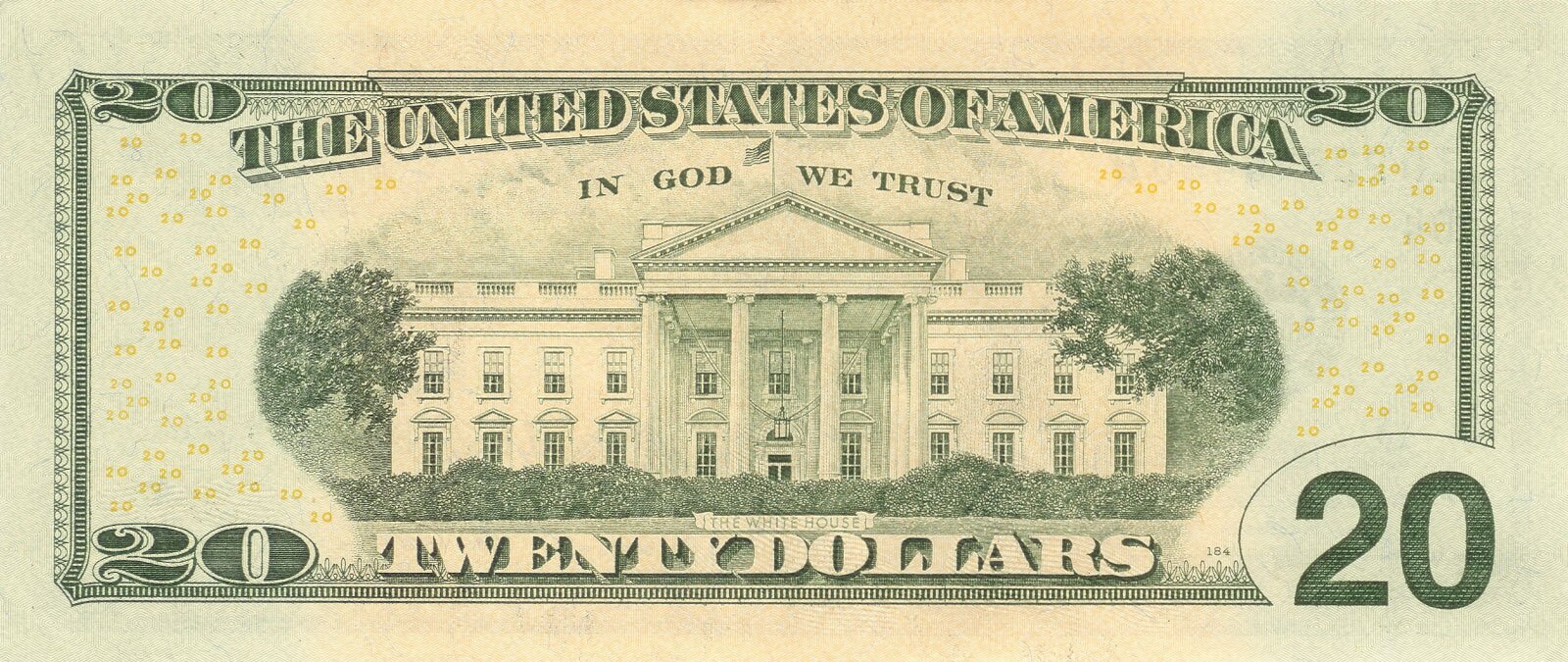
How much do you know about the White House? Choose all the answers that seem right to you.
Read the text about the White House. Then, use the information from the text to complete the exercises below.
Six Curious Facts About the White House1. ________
When a new president‑electpresident‑elect moves into office, the entire White House changes together with him. The house gets redecorated, which means it's painted and new furniture is brought in, all to accommodateaccommodate the new president’s needs after he is sworn‑insworn‑in and takes officetakes office. This is all done in one day, so the moving companymoving company has to work very fast! In this way, each new president brings in a unique style and interior decorinterior decor.
2. ________
The White House itself was built by immigrant Europeans as well as enslavedenslaved African‑American labourers, which represents a dark past of the United States. This fact became well‑known after the first Afro‑American First LadyFirst Lady, Michelle Obama, expressed her views on how sad it was for her to live in a house which has no privacy, imposesimposes strict rules (or lacks openable windows), but also was built on the pain and sufferingsuffering of her ancestorsancestors.
3. ________
Apart from the famous rooms like the Oval OfficeOval Office or the Red RoomRed Room, and all the administrativeadministrative and executiveexecutive centres for the presidential staff, there have been plenty of other, less‑known rooms throughout its history. One of them was the bowling alleybowling alley installed by Harry Truman. The White House also houses exterior and interior swimming pools, as well as a number of shops, including a florist and a chocolate shop. It also has a dentist’s office to address the president’s dental problems! One of its underground areas has been transformed into a bunkerbunker where the president can take sheltertake shelter in case of danger.
4. ________
Although the building itself started to be built as early as 1792, there was no plumbingplumbing or running water until 1853. The White House had to do without electricity for almost a hundred years, as electric lighting -- then a novelty -- was first installed here in 1891. The telephone came before that: the first phone was installed by President Rutherford B. Hayes in 1879. Interestingly, his phone number was simply a ‘1’ and he couldn’t call a lot of people except for a few houses in Washington.
5. ________
The White House we see today is not the original building that was inauguratedinaugurated in 1800 and burned down only 14 years later by the British during an invasioninvasion. However, it was the original architect, James Hoban, who worked on rebuilding it in its eclecticeclectic shape of a British Georgian‑style mansionGeorgian‑style mansion, which later on obtained elegant, French‑in‑origin Federal‑styleFederal‑style features.
6. ________
Contrary to what you might think, all the services and improvements at the White House do not come for free for the president. He actually has to pay for them on his own, and the service billsservice bills for all the meals, services, cleaning, and maintenance get deducteddeducted from his salarysalary. Actually, many American presidents, e.g. Bill Clinton, have run into serious debts while living there!
Źródło: Tomasz Wiśniewski, licencja: CC BY-SA 3.0.
2. 1. It isn’t free, 2. Burned down, 3. Unusual rooms, 4. Colonial past, 5. Decades without basic facilities, 6. Hectic move-ins
3. 1. It isn’t free, 2. Burned down, 3. Unusual rooms, 4. Colonial past, 5. Decades without basic facilities, 6. Hectic move-ins
4. 1. It isn’t free, 2. Burned down, 3. Unusual rooms, 4. Colonial past, 5. Decades without basic facilities, 6. Hectic move-ins
5. 1. It isn’t free, 2. Burned down, 3. Unusual rooms, 4. Colonial past, 5. Decades without basic facilities, 6. Hectic move-ins
6. 1. It isn’t free, 2. Burned down, 3. Unusual rooms, 4. Colonial past, 5. Decades without basic facilities, 6. Hectic move-ins
a) a move-in officer.
b) a president-elect.
c) a swear-in.
2. After moving in, the new president
a) paints and decorates the White House himself.
b) orders the White House to be refurbished.
c) accommodates his family and staff in it.
3. Michelle Obama popularised the information about
a) the windows and doors in the White House.
b) the private life of presidents in the White House.
c) the uncomfortable roots of the White House.
4. The White house does not have
a) a place to go bowling.
b) any administrative areas.
c) windows that open.
5. The president can find safety in
a) a chocolate store.
b) the dentist’s office.
c) an underground bunker.
6. There was no plumbing in the White House
a) for almost a hundred years.
b) until the end of the 19th c.
c) for more than 60 years.
7. The original White House was burned in
a) 1891.
b) 1800.
c) 1814.
8. Maintaining the White House is
a) paid for from the taxes.
b) paid for by the government.
c) paid for by the president.
Study the text above. Then match the words with their descriptions.
Read the text about the White House and shortly answer the following questions.
What is the most surprising fact about the White House that you’ve learned?
Does the president of your country live in a similar place? Describe it shortly highlighting similarities and differences.
What other famous American buildings do you know?
Słownik
/ əˈkɒmədeɪt /
tu: zadbać o (provide with something desired or needed)
/ ədˈmɪnɪstrətɪv /
administracyjny/administracyjna (of or relating to or responsible for administration)
/ ˈænsestəz / / ˈænsestə /
przodkowie [przodek/przodkini] (someone who is related to you who lived a long time ago)
/ ˈbəʊlɪŋ ˈæli /
kręgielnia (a building that contains several alleys for bowling)
/ ˈbʌŋkə /
bunkier (a room or set of rooms with very strong walls, built underground as a shelter against bombs or other threats)
/ dɪˈdʌktɪd / / dɪˈdʌkt /
odjęty/odjęta [odjąć] (take an amount or number from a total)
/ ɪˈklektɪk /
eklektyczny/eklektyczna, różnorodny/różnorodna (interesting or unusual because it consists of many different types)
/ ɪnˈsleɪvd /
zniewolony/zniewolona (held in slavery)
/ ɪɡˈzekjʊtɪv /
wykonawczy/wykonawcza (having the power to make important decisions in an organization or government)
/ ˈfedərəl staɪl /
styl federalny – klasycyzująca architektura zbudowana w nowo powstałych Stanach Zjednoczonych (classicising architecture built in the newly founded United States)
/ ˈfɜ:st ˈleɪdi /
pierwsza dama (the wife or female partner of the president or other leader of a nation or state, in particular the wife of the president of the United States)
/ ˈdʒɔːdʒjən staɪl ˈmænʃn̩ /
posiadłość w stylu gregoriańskim (styl architektoniczny pochodzący z Wielkiej Brytanii) (a huge building in the 18c architectural style which favoured symmetry and proportion)
/ ɪmˈpəʊzɪz / / ɪmˈpəʊz /
narzuca [narzucać] (enforce the use or compliance with something)
/ ɪˈnɔːɡjʊreɪtɪd / / ɪˈnɔːɡjʊreɪt /
zainaugurowany/zainaugurowana [zainaugurować] (declared open in a formal ceremony)
/ ɪnˈtɪərɪə ˈdeɪkɔː /
wystrój wnętrz (the decoration of the interior of a building or room, especially with regard for colour combination and artistic effect)
/ ɪnˈveɪʒn̩ /
inwazja (an occasion when one country’s army goes into another country to take control of it by force)
/ ˈmuːvɪŋ ˈkʌmpəni /
firma przeprowadzkowa (a company that moves the possessions of a family or business from one site to another)
/ ˈəʊvl̩ ˈɒfɪs /
Gabinet Owalny – formalne miejsce pracy prezydenta Stanów Zjednoczonych (the formal workspace of the President of the United States)
/ ˈplʌmɪŋ /
kanalizacja, instalacja wodociągowa (the system of pipes, water tanks, and other equipment used for supplying and storing water in a building)
/ˈprezɪdənt/ /ɪˈlekt/
prezydent elekt (someone who has been elected president but has not officially started the position yet)
/ ˈprɒmɪnənt /
ważny/ważna, wyróżniający/wyróżniająca się (important and well known)
/ ˈred ruːm /
Czerwony Pokój – słynna, urządzona na czerwono sala w Białym Domu, w której odbywają się imprezy i koncerty (a famous, red decorated room in the White House used for parties and music)
/ ˈsæləri /
wynagrodzenie (a particular amount of money that you earn each month or year from your job)
/ ˈsɜːvɪs bɪlz / / ˈsɜːvɪs bɪl /
rachunki za usługi [rachunek za usługi] (a document stating how much money a customer owes for goods or services they ordered)
/ ˈsʌfərɪŋ /
cierpienie (feelings of mental or physical pain)
/ swɔːn ɪn / / sweər ɪn /
zaprzysiężony/zaprzysiężona [zaprzysięgać] (has formally promised to fulfil the duties of a new job or appointment)
/ ˈteɪk ˈʃeltə /
schronić się (go somewhere for cover and protection from danger, bad weather, etc.)
/ ˈteɪks ˈɒfɪs / / ˈteɪk ˈɒfɪs /
obejmuje urząd [objąć urząd] (assume an office, duty, or title)
Źródło: GroMar Sp. z o.o., licencja: CC BY‑SA 3.0