Animals in our home
that animals are sometimes kept in homes for pleasure;
that you can see many different animals in pet stores;
that in other countries there are animals that are not in Poland.
discuss common animals kept in homes by humans;
discuss the rules of caring for pets;
justify the statement that having an animal involves obligations;
provide the benefits of animal husbandry and care.
What animals do we keep at home?
Having a petpet it is a great pleasure, but also a big responsibility. Most often, we keep those animals in our homes, whose maintenance does not pose too complicated tasks for us. Some people choose a more difficult animal to maintain. That is why in our homes you can find more and more species of animals – including those exotic and not native to Poland. Once, only dogs, rodentsrodents and rabbits were kept in homes. Today, ferrets, chinchillas and hedgehogs are very popular. They are equally interesting, but a bit more demanding when it comes to maintenance.

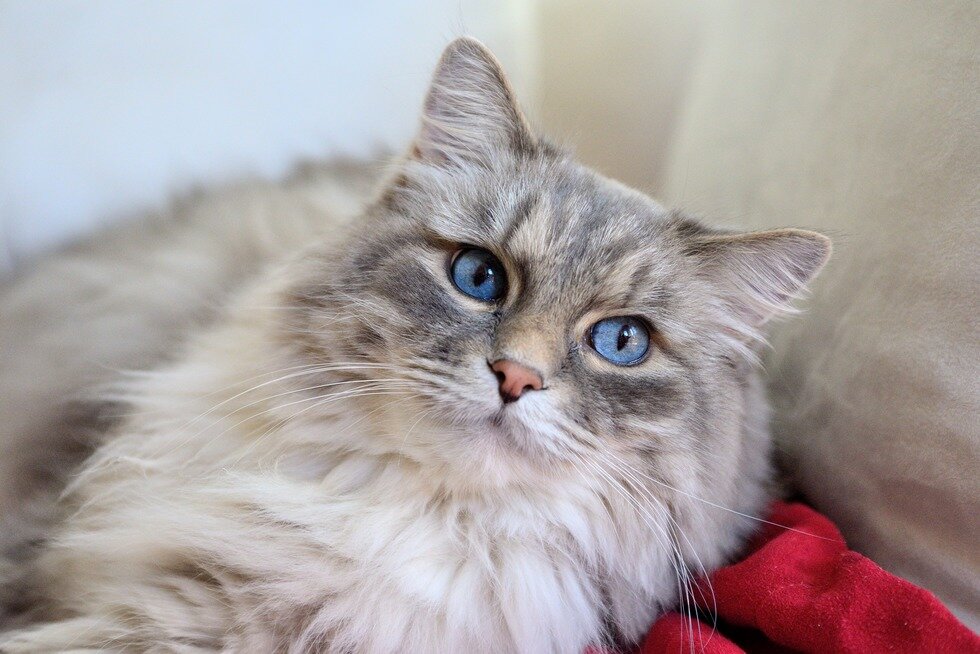
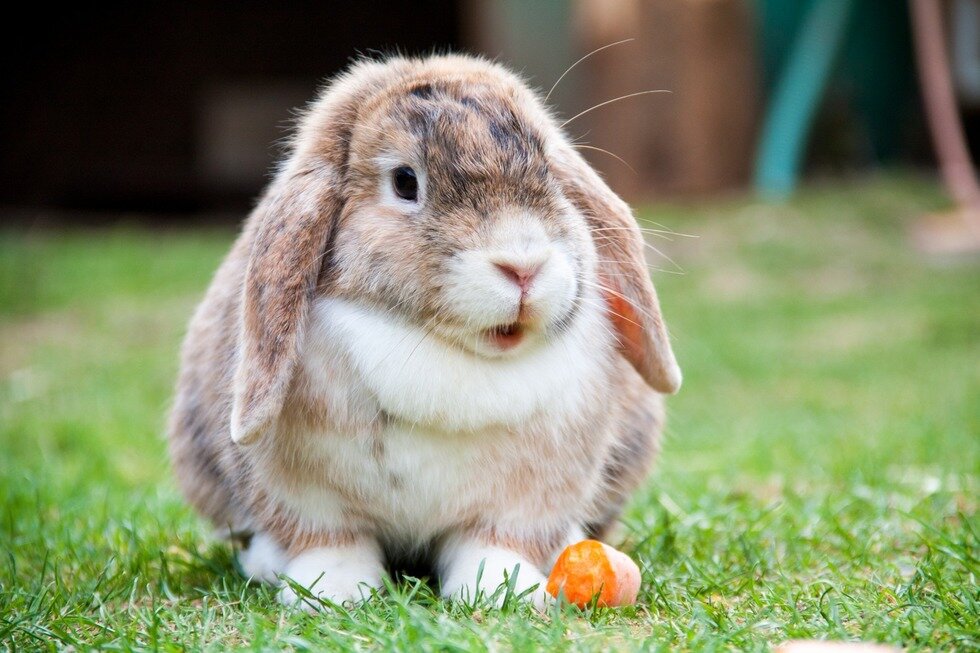
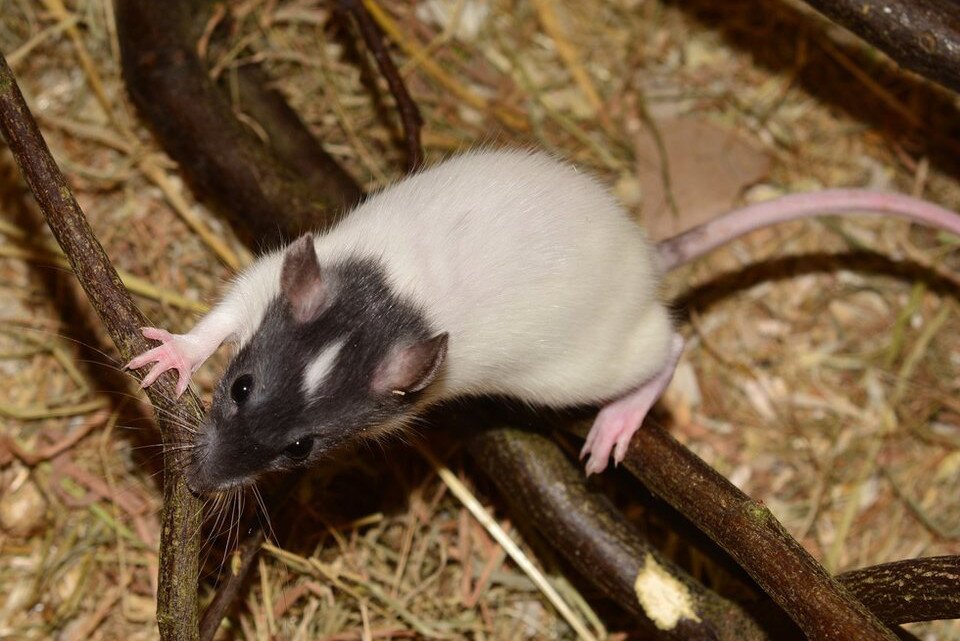
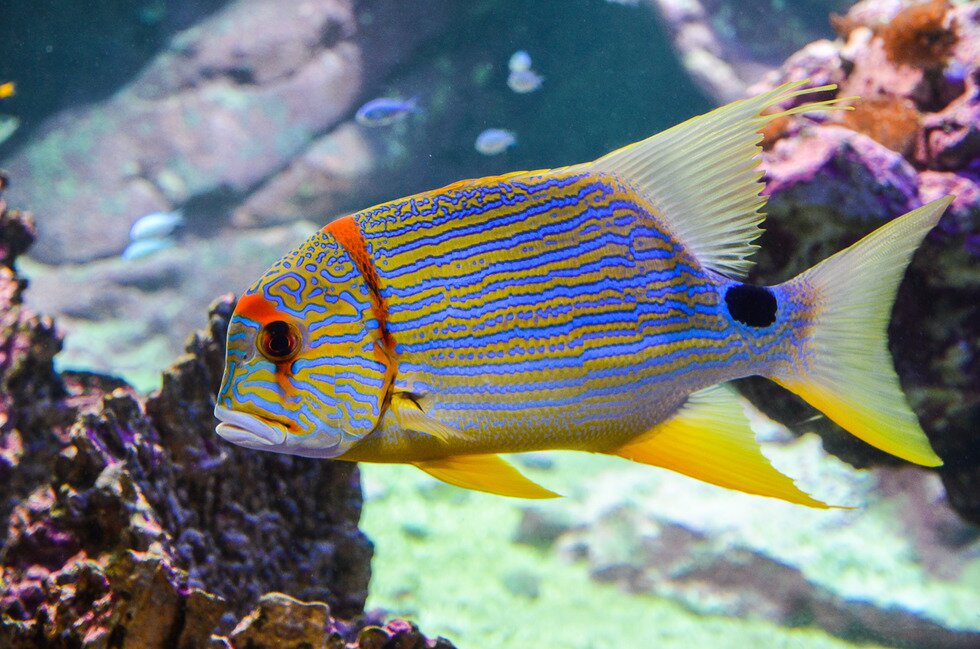
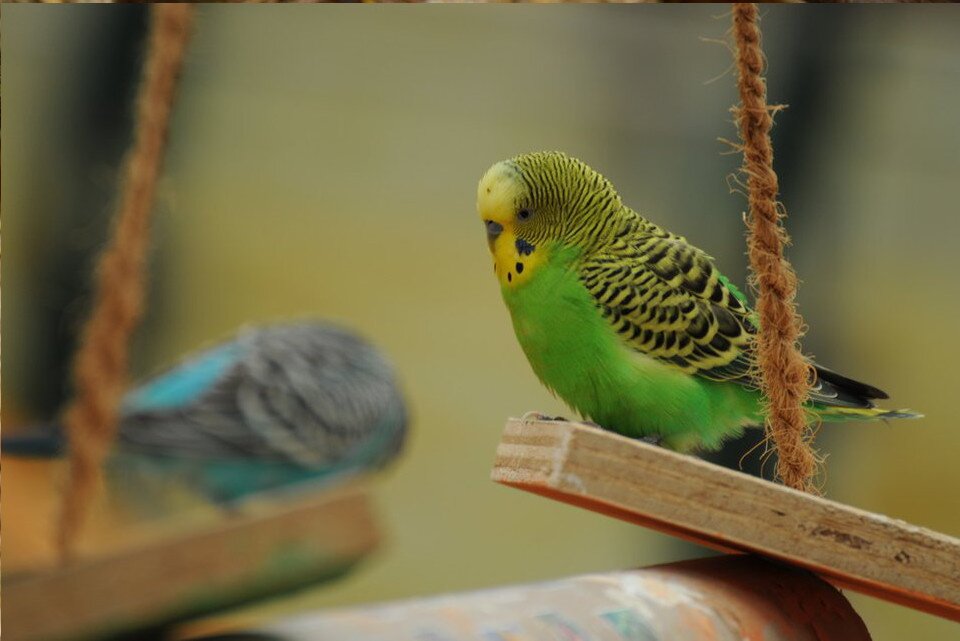
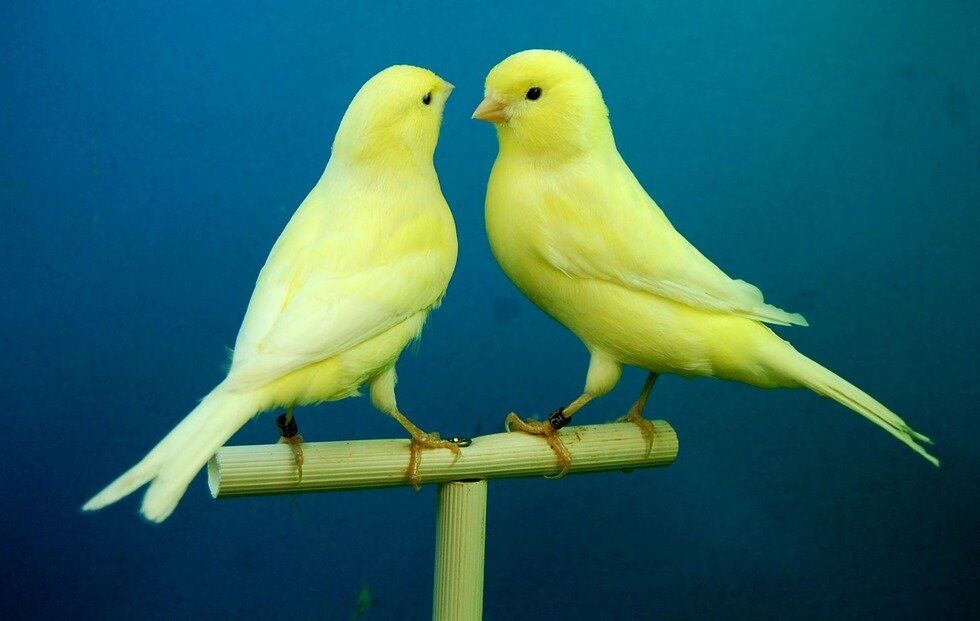
Some people decide to keep spiders or snakes in their homes. These people must first make sure that the possession of such animals is not prohibited in Poland. You must not buy animals from illegal and uncertain sources. You also need to find out if the animal is not dangerous and how to look after it to ensure it has the right living conditions.
If you have an animal at home, describe what it takes to care for it and what gives you the greatest pleasure in dealing with it. List the limitations of responsibility for an animal (eg the need to provide care during trips).
How to look after animals?
When we have a pet, we must remember that it is completely dependent on us. Taking them to our home, we assume full responsibility for his health and well‑being. Remember that every animal should have permanent access to fresh water, the food should be of good quality, and the room or cage in which it lives, large enough and clean. In case of illness, the animal will need specialist treatment. Remember also that caring for an animal lasts for a long time; cats, for example, live for over 12 years. You must be aware that the animal is not a toy but a companion for its entire life. After many years, he will still need your care and company.
In the case of exotic animals from warm countries, it is very important to provide them with high enough temperature, humidity and lighting. When considering the purchase of such an animal, we must be sure that we will be able to create the right conditions for him. If not, we should not decide to keep exotic animals at home.
Remember that a badly treated animal can be taken away from the owner, and he himself – sentenced to imprisonment.
Farm animals
Keeping animals for pleasure is a form of hobby, but some animals, called farm animalsfarm animals, man tamed for his own benefit. All the animals that we breed today were formerly wild. Many thousands of years ago people began to catch and breed them in captivity, which was the beginning of their domesticationdomestication. Today they are an important element of the economy.
Indicate the true sentences.
- All pets must have access to clean water and fresh food.
- Each pet likes walking and stroking.
- It is the owner's responsibility to provide the animal with medical care.
- Cages and lairs should be cleaned regularly.
Summary
Animal husbandry teaches responsibility.
The most commonly raised domestic animals are: cats, dogs, rabbits, rodents (mice, rats, hamsters, degus), ferrets, fish, birds (parrots, canaries) and reptiles (snakes, turtles, lizards).
Providing a pet with good care is the most important task of its owner.
Domestication of animals currently serving as an economic contributor to the development of civilization.
Answer what animal care can teach us.
Keywords
domestication, pet, rodents, farm animal
Glossary
gryzonie – niewielkie ssaki charakteryzujące się rosnącymi przez całe życie siekaczami, które muszą ścierać, gryząc pokarm i na przykład gałęzie; do gryzoni należą m.in. szczury, myszy, chomiki, bobry i wiewiórki
udomowienie – proces przekształcenia zwierząt dzikich w oswojone oraz takie kształtowanie ich cech, aby zwierzęta te stały się bardziej przydatne człowiekowi
zwierzę domowe – zwierzę trzymane w domu dla przyjemności, a nie dla korzyści (np. pozyskania z niego futra lub mleka)
zwierzę gospodarskie – zwierzę udomowione dla pozyskania mięsa, futra, skór, mleka itp.