Przeczytaj
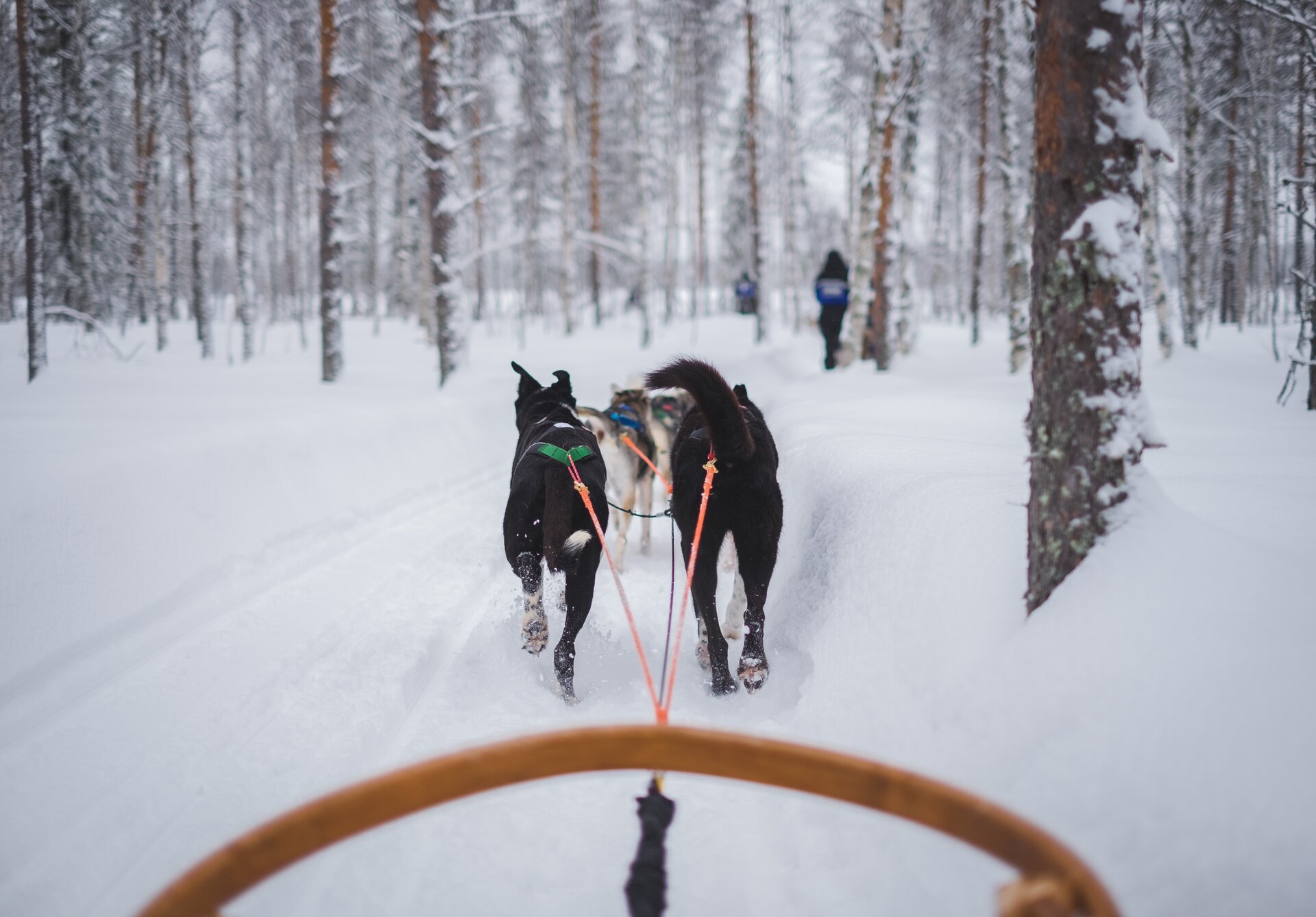
The most popular long‑distance races are held in Alaska and Canada. The legendary ones are Idatarod (with 1,850 km during 8‑10 days) and Yukon Quest. Intelligent and strong dogs as well as effective communication between the musher and the entire dog team are absolutely crucial in this discipline. As participants say “You lose your sled, you lose your life.” In this part of the material you will learn more about dog sled, team members, and types of races.
<Najsłynniejsze zawody długodystansowe organizowane są na Alasce i w Kanadzie. Legendarne wyścigi to Idatarod (1850 kilometrów w 8–10 dni) oraz Yukon Quest. Kluczowe w tym sporcie są silne i inteligentne psy oraz skuteczna komunikacja maszera z całym psim zespołem. Jak mawiają zawodnicy: „Tracisz zaprzęg, tracisz życie”. W tym materiale dowiesz się więcej o psich zaprzęgach, ich składzie oraz rodzajach wyścigów.
Study the text and do the exercises below.
Something For Sports And Dogs Lovers - Two In One!Are you someone who enjoys watching dogs doing tricks and taking part in sports disciplines? Dogs are truly admired for their brilliance, being devoted to their owners and highly disciplineddisciplined. Dogs participate in various sports activities and dog sports have long been popular in many countries in the world.
A.
One of the best known dog sports is sled dog racingsled dog racing mainly practised in the Arctic region of the US, Russia, Canada and some European countries. In North America the first recorded sled race was held in Alaska in 1908. This is where sled dog racing emerged fromemerged from. At that time it was 400 miles long through hard areas. It was a timed competitiontimed competition of teams of sled dogssled dogs whose job was to pull a sledpull a sled. Now it looks similar. A dog driver or mushermusher is in control of a sled while highly trained dogs taking part in a race pull a sled or a wheel‑less vehiclewheel‑less vehicle over ice or snow. A driver uses harnessesharnesses and ropes like it was in the past.
B.
Dog races vary mainly in distance. There are sprint races with 4 to 100 miles, mid‑distance races from 100 to 300 miles and long‑distance ones from 300 to over 1,000 miles. The last one, known as the Last Great Race on Earth, is called Iditarod, with 12‑16 dogs across frozen lakes, uninhabited tundrasuninhabited tundras, mountains, or forests. The number of dogs allowed in the team determinesdetermines the category of the race. The most typical categories are four‑dog, six‑dog, eight‑dog, ten‑dog, and open (unlimited).
C.
Have you ever heard of mushing? It is not only a sport but a great means of transportation, powered by dogs. It involves one or more dogs to pull a sled, a bicycle (bikejoringbikejoring), a scooter (dog scooteringdog scootering), a skier (skijoringskijoring), a sledge (pulkpulk), a cart (cartingcarting), or weight pulling. Mushing is becoming a more and more popular way to get some fun and exercise during the winter months.
D.
Whatever the length of the race, it’s necessary for each musher to be equipped with certain equipment that includes an arctic parkaarctic parka, an axax, and snowshoessnowshoes for the dog driver as well as for dogs. Snowshoes protect animals’ feet against hard packed snowhard packed snow and cutting icecutting ice. Certain regulations must be followed for the race to be organised. First of all, the trail has to be clear to the competitorscompetitors and participantsparticipants are told to report distances accurately. What's more, the racers must treat the dogs well and cannot use any substances to improve their performanceimprove their performance.
Well, it seems that dogs are not only beloved pets, but we can add that a good dog is the best companion on the road of life.
Źródło: Anna Faszcza, licencja: CC BY-SA 3.0.
B. 1. Something alike, 2. A brief outline, 3. Variety of classifications, 4. Geographical background., 5. Some musts, 6. Necessary outfit.
C. 1. Something alike, 2. A brief outline, 3. Variety of classifications, 4. Geographical background., 5. Some musts, 6. Necessary outfit.
D. 1. Something alike, 2. A brief outline, 3. Variety of classifications, 4. Geographical background., 5. Some musts, 6. Necessary outfit.
Based on the information from the text, click on the words to listen to the names of sports involving dogs. Drag and drop them into the correct pictures.
Which two pieces of information from the text do you find the most surprising? Write 4‑5 sentences.
Słownik
/ ˌɑ:ktɪk ˈpɑːkə /
kurtka na silne mrozy (warm, weatherproof winter jacket)
/ æks /
topór
/ bi ɪˈkwɪpt wɪð /
być wyposażonym/wyposażoną w
/ˈ baɪk ˌdʒɔːrɪŋ /
sport zaprzęgowy, w którym do roweru zaprzęga się jednego lub dwa psy (riding a bike that is drawn by a dog or two)
/ ˈkɑːtɪŋ / / kɑːt /
ciągnięcie wózka przez psa [ciągnąć wózek, przewozić]
/ kəmˈpetɪtəz / / kəmˈpetɪtə /
współzawodnicy/współzawodniczki [współzawodnik/współzawodniczka]
/ kʌtɪŋ aɪs /
ostre kawałki lodu
/ dɪˈtɜːmɪnz / / dɪˈtɜːmɪn /
określa [określać]
/ ˈdɪsɪplɪnd /
zdyscyplinowany, zdyscyplinowana
/ dɒg ˈskuːtərɪŋ /
sport zaprzęgowy, w którym do hulajnogi zaprzęga się jednego lub dwa psy (riding a scooter that is drawn by a dog or dogs )
/ ɪˈmɜːdʒd frɒm / / ɪˈmɜːdʒ frɒm /
wywodził/wywodziła się z [wywodzić się z] (originate from)
/ hɑ:d pækt snəʊ /
twardo ubity śnieg
/ ˈhɑːnəsɪz / / ˈhɑːnəs /
uprzęże [uprząż] (a set of straps by means of which an animal is controlled by a driver)
/ ɪmˈpruːv ðeə pəˈfɔːməns / / ɪmˈpruːv ðə pəˈfɔːməns /
poprawić wydajność pracy
/ ˈməʃə /
maszer, osoba kierująca psim zaprzęgiem (a person who controls a dog sled)
/ pɑːˈtɪsɪpənts / / pɑːˈtɪsɪpənt /
uczestnicy/uczestniczki [uczestnik/uczestniczka]
/ pɑːˈtɪsɪpeɪt ɪn /
uczestniczyć w
/ pʌlk /
sanie (a type of sledge that is pulled by a person or an animal)
/ pʊl ə sled /
ciągnąć sanie
/ skiːˈdʒɔːrɪŋ /
narciarstwo z psim zaprzęgiem (recreation activity when a person is pulled over snow by a dog )
/ sled dɒg ˈreɪsɪŋ /
wyścig psich zaprzęgów
/ sled dɒɡz / / sled dɒɡ /
psy zaprzęgowe [pies zaprzęgowy]
/ sled reɪs /
wyścig zaprzęgów
/ ˈsnəʊʃuːz / / ˈsnoˌʃuː /
buty śnieżne [but śnieżny]
/ taɪmd ˌkɒmpəˈtɪʃn̩ /
zawody na czas
/ ˌʌnɪnˈhæbɪtɪd ˈtʌndrəz / / ˌʌnɪnˈhæbɪtɪd ˈtʌndrə /
niezamieszkane tundry [niezamieszkana tundra] (a flat Arctic region with no trees where nobody lives)
/ wiːl̩lɪs ˈviːɪkl̩ /
pojazd bez kół
Źródło: GroMar Sp. z o.o., licencja: CC BY‑SA 3.0