The ways of movement of organisms, plant movements
nutrition is one of the vital functions;
every organism needs nutrients;
plants are autotrophic organisms, animals and fungi are heterotrophic organisms.
to explain the ways of movement of organisms;
to distinguish the movements of plants.
Nagranie dostępne na portalu epodreczniki.pl
Nagranie dźwiękowe abstraktu dotyczące sposobów poruszania się organizmów, ruchów roślin
The ways of movement of organisms
Movement is one of the manifestations of life, it is also important for the functioning of organisms in the environment. Owing to the ability to move, the animals can find and get food, and in the event of danger escape from a predator, avoid adverse environmental factors or seek a partner for reproduction. The way animals move around depends on the structure of their bodies and the environment in which they live.
Three ways of movement can be distinguished: amoeboid and ciliary occurring mainly in unicellular organisms, and muscular. Amoeboid movementAmoeboid movement involves spasms and protrusion of cytoplasm of the cells, which results in the formation of multiform projections known as pseudopodia. Some animal‑like protists (e.g. amoebas) move in this way. Ciliary movementCiliary movement – performed with short cilia and long flagella, – characterizes certain bacteria and animal‑like protists (such as Paramecium or Euglena). Muscular movementMuscular movement is based on the contraction of muscle cell assemblies. It is common to most animals living both in water and on land. The rigid external or internal skeleton, to which the muscles are attached, facilitates the movement of those animals. Depending on the environment they live in, animals move by flying, running, jumping, crawling or swimming.
Plant movements
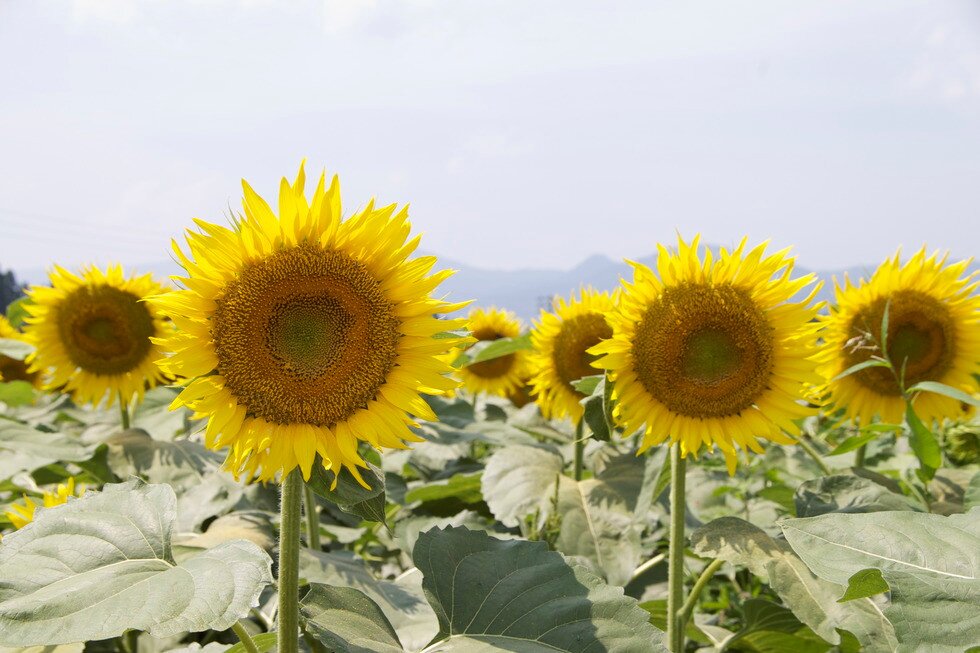
Moving is not synonymous with relocation. Plants do not change the habitat, yet they move, changing the position of leaves, flowers and whole shoots, they also show movement associated with growth. Plant movements are a manifestation of sensitivity to environmental stimuli. The change in the position of organs results from the influence of environmental factors: light, temperature, humidity, gravity or touch. Two types of movement are known in plants: tropismstropisms and nastiesnasties. Tropisms are movements that depend on the direction of the stimulus. According to the type of the influencing factor, there are several types of tropisms. Phototropism is a directional reaction to light. Stems show positive phototropism, as they are directed towards the light. Growing roots are directed towards unlit spaces, so they show negative phototropism. Tigmotropism is a directional response to touch – it occurs when young shoots of plants or tendrils are wrapping around a support.
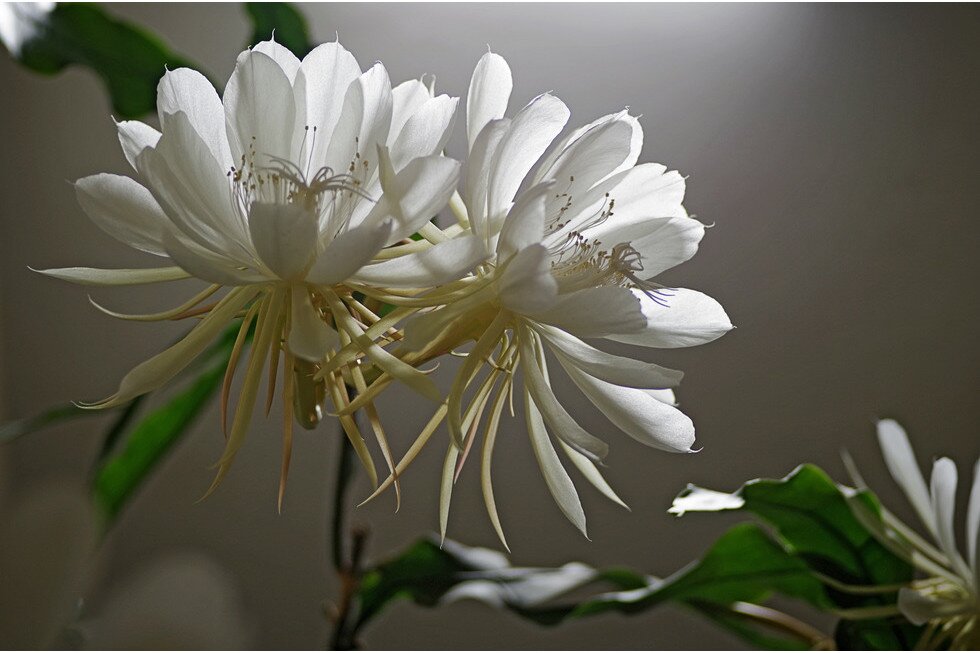
Nasties are growth or turgor movements that do not depend on the direction of the stimulus. Photonasties are reactions to the change of lightning – this is the reason why in the morning flowers open, and in the evening they close. Seismonasty is observed, for example, in mimosa, a plant that folds the leaf when touched.


Organize the stages of the experiment.
- Conducting an experiment or observation
- Formulating the problem
- Formulating the conclusion
- Making hypotheses
- Saving the results
Assign the names of the organisms to the names of the body parts responsible for the movement of these organisms.
earthworm, cockchafer, paramecium, amoeba, snail, bacteria
| flagella | |
|---|---|
| cilia | |
| pseudopodia | |
| muscles |
Summary
Energy from nutrients is needed to perform movements.
Three ways of movement of organism can be distinguished: amoeboid and ciliary occurring mainly in unicellular organisms, and muscular.
Two types of movement are known in plants: tropisms and nasties.
How was this lesson? Did you like it? Finish selected sentences.

Keywords
life activity, movement, tropism, nasties
Glossary
nastie – ruchy organów roślinnych na bodźce bezkierunkowe; ruchy te są zależne od natężenia działania bodźca; pierwszy człon nazwy nastii określa bodziec, np. fotonastia (bodziec – światło), sejsmonastia (bodziec – wstrząs), termonastia (bodziec – ciepło)
ruch mięśniowy – ruch wykonywany za pomocą skurczu komórek mięśniowych
ruch pełzakowaty – ruch całych organizmów jednokomórkowych i niektórych komórek polegający na skurczach i przelewaniu się cytoplazmy komórek; u niektórych protistów powoduje tworzenie się różnokształtnych wypustek nazywanych nibynóżkami
ruch rzęskowy – ruch wykonywany dzięki pracy krótkich rzęsek lub długich wici występujących u jednokomórkowych organizmów żyjących w środowisku wodnym
tropizmy – reakcje ruchowe roślin na kierunkowe bodźce zewnętrzne; ruch w kierunku bodźca to tropizm dodatni, ruch w kierunku przeciwnym to tropizm ujemny; reakcja na światło to fototropizm, reakcja na bodziec mechaniczny (np. podporę) to tigmotropizm