Przeczytaj
When a new medicine or medical procedure needs to be tested, there is a need for volunteers to agree to take part in a trial. But how are these tests organised and why do some patients receive “fake” pills instead of real medications? You are going to read a text about the role of placebos in medical testing.
Kiedy trzeba przetestować nowy lek lub procedurę medyczną, ochotnicy muszą wyrazić zgodę na udział w badaniu. Jak jest ono zorganizowane i dlaczego niektórzy pacjenci otrzymują „fałszywe” pigułki zamiast prawdziwych leków? Przeczytaj tekst o roli placebo w badaniach medycznych.
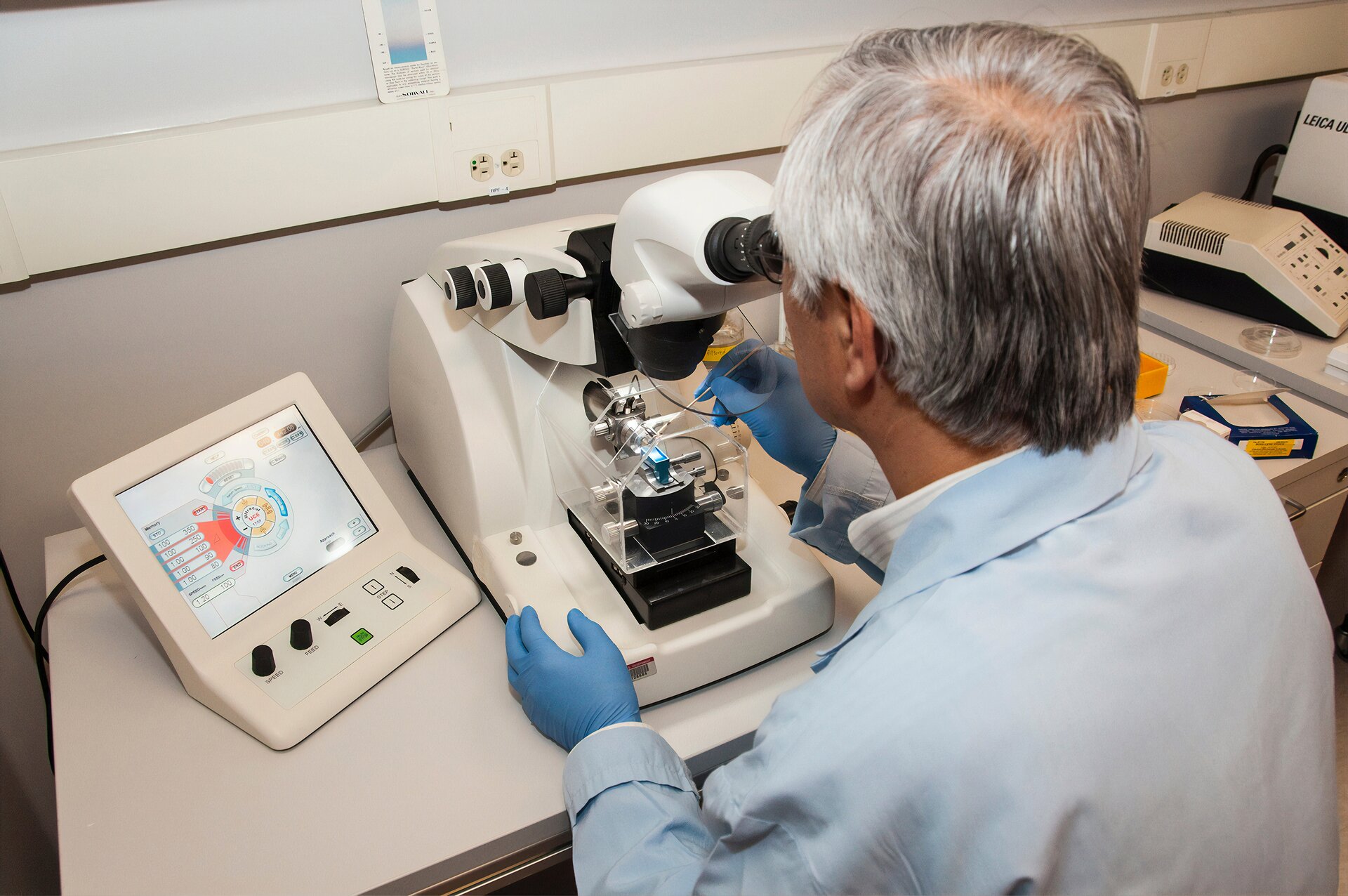
Read the text about the process of testing new medicines and medical procedures and do the exercises below.
Placebo Effect: Informed Consent To Being Cheated?The relationship between a doctor and a patient should be built on understanding and trust. Could you imagine a doctor trying to cheat their patient? However, such situations happen quite regularly and usually with patients fully aware of it!
The placebo effect has been known to medicine since around the 18th century and it indicates a psychological or physiological improvementpsychological or physiological improvement in a disease or condition attributed to therapy with an inert substance or a sham procedure. You may wonder how it is possible! Research gives no clear explanation for why some people experience measurable improvementexperience measurable improvement when given such a substitute for treatment. It has been indicated that the effect may be caused by the person’s expectations about the treatmentperson’s expectations about the treatment rather than being a direct effect of the treatment itself.
Do you know what placebos actually are? Placebos in the form of inert drugs and sham procedures are frequently used in modern clinical trialsmodern clinical trials that are designed to test new treatmentstest new treatments. If you are in a placebo‑controlled trialplacebo‑controlled trial as an enrolled patient, you get randomly assignedrandomly assigned to receive either the new medicine or procedure being tested or a placebo. In a blind testblind test you do not know whether you are given the real drug or a placebo. In a double blind testdouble blind test neither you nor your physician is aware of it. This prevents patients from knowing what treatment they received, which could cause them to influence study resultsinfluence study results. Generally speaking, researchers want to observe the new procedure or medicine to have a greater effect on you than that of the placebo.
You may wonder whether using placebos is morally right or wrong. In fact, their use in clinical trials has raised difficult questionsraised difficult questions in bioethics. The World Medical Association used to prohibit the use of placebos in trials when effective therapies or interventionseffective therapies or interventions already existed. Nowadays, however, its guidelines have been revisedguidelines have been revised to allow placebo‑controlled trials under certain circumstancesunder certain circumstances. While these trials might provide information about the effectiveness of a treatmenteffectiveness of a treatment, some patients might not gain access to what could be the best available treatment. That is why your informed consent is usually required for a study to be considered ethical, where you grant researchers or doctors the right to possibly administer a placebo to you and you are aware of the advantages and disadvantages of the trial.
Źródło: Marcin Legeżyński, licencja: CC BY-SA 3.0.
Sham procedures may indirectly influence any health improvement. TRUEFALSE
In placebo-controlled trials, patients get to choose which group they end up in. TRUEFALSE
Placebo-controlled trials aren’t regulated by medical authorities. TRUEFALSE
Administering a placebo to a patient requires their informed consent. TRUEFALSE
Researchers believe this to be an effect of a patient’s 1. expectations about the treatment, 2. placebo-controlled trials, 3. double blind tests, 4. physiological improvement, 5. inert substance, 6. blind trials.
Nowadays, 1. expectations about the treatment, 2. placebo-controlled trials, 3. double blind tests, 4. physiological improvement, 5. inert substance, 6. blind trials are frequently used in modern medicine.
For example, in 1. expectations about the treatment, 2. placebo-controlled trials, 3. double blind tests, 4. physiological improvement, 5. inert substance, 6. blind trials patients are not aware whether they receive the real medicine, or an 1. expectations about the treatment, 2. placebo-controlled trials, 3. double blind tests, 4. physiological improvement, 5. inert substance, 6. blind trials.
For added credibility, 1. expectations about the treatment, 2. placebo-controlled trials, 3. double blind tests, 4. physiological improvement, 5. inert substance, 6. blind trials are used where neither the patient, nor the physician are aware who received a real medicine, and who gets a placebo.
Would you, or wouldn’t you decide to join a placebo‑controlled medical test? Answer the question considering in particular:
how the influence of the test on your medical condition would impact your decision;
how the assignment to a group would make you feel;
how the ethical aspect of medical testing would determine your decision to participate.
Write 2‑3 sentences to each aspect.
Słownik
/ blaɪnd ˈtest /
ślepa próba, czyli procedura, w której pacjent/pacjentka nie wie, czy podano prawdziwy lek, czy placebo (a scientific test in which scientists and people who are tested do not know what is being tested)
/ kənˈsɪdəd ˈethetaɪkl̩ / / kənˈsɪdər ˈethetaɪkl̩ /
uważany/uważana za etyczny/etyczną [uważać za etyczny/etyczną] (regarded as moral principles)
/ ˌdʌbl blaɪnd ˈtest /
podwójna ślepa próba, czyli procedura, w której ani lekarz/lekarka, ani pacjent/pacjentka nie wiedzą, czy podano prawdziwy lek, czy placebo (a scientific test in which neither a doctor nor a patient know if the patient was given placebo)
/ ɪˈfektɪv ˈthetaerəpɪz ɔːr ˌɪntəˈvenʃn̩z / / ɪˈfektɪv ˈthetaerəpi ɔːr ˌɪntəˈvenʃn̩ /
skuteczne formy terapii lub interwencji lekarskiej [skuteczna forma terapii lub interwencji lekarskiej] (successful forms of treatment)
/ ɪˈfektɪvnəs əv ə ˈtriːtmənt /
skuteczność terapii (getting a desired effect from the treatment)
/ ɪnˈrəʊld ˈpeɪʃnt /
zarejestrowany pacjent/pacjentka (a registered patient)
/ ɪkˈspɪərɪəns ˈmeʒərəbl̩ ɪmˈpruːvmənt /
doświadczać mierzalnej poprawy (undergo visible development)
/ ˈɡaɪdlaɪnz həv biːn rɪˈvaɪzd / / tu rɪˈvaɪz ə ˈɡaɪdlaɪn /
wytyczne zostały uaktualnione [uaktualniać wytyczne]
/ ɪˈnɜːt ˈsʌbstəns /
substancja obojętna (inactive substance)
/ ˈɪnflʊəns ˈstʌdi rɪˈzʌlts /
wpływać na wyniki badań (have an impact on study results)
/ ɪnˈfɔːmd kənˈsent /
świadoma zgoda (continuous agreement)
/ ˈmɒdn̩ ˈkl̩ɪnɪkl ˈtraɪəlz / / ˈmɒdn̩ ˈkl̩ɪnɪkl ˈtraɪəl /
nowoczesne badania kliniczne [nowoczesne badanie kliniczne] (present‑day clinical test)
/ ˈpɜːsənz ˌekspekˈteɪʃn̩z əˌbaʊt ðə ˈtriːtmənt /
oczekiwania osoby wobec leczenia (one’s hopes about the treatment)
/ pləˈsiːbəʊ kənˈtrəʊld ˈtraɪəlz / / pləˈsiːbəʊ kənˈtrəʊld ˈtraɪəl /
badanie kliniczne z grupą kontrolną otrzymującą placebo (test that involves a group of people who get placebo)
/ prəˈhɪbɪt ðə ˈjuːs əv pləˈsiːbəʊz / / prəˈhɪbɪt ðə ˈjuːs əv pləˈsiːbəʊ /
zakazywać używania placebo (l.m.) [zakazywać używania placebo (l.p.)] (forbid to use placebo)
/ ˌsaɪkəˈlɒdʒɪkl̩ ɔː ˌfɪzɪəˈlɒdʒɪkl̩ ɪmˈpruːvmənt /
psychologiczna lub fizjologiczna poprawa (progress in the field of psychology and physiology)
/ reɪzd ˈdɪfɪkəlt ˈkwestʃənz / / reɪz ˈdɪfɪkəlt ˈkwestʃən /
wzbudził trudne pytania [wzbudzać trudne pytanie] (bring issues)
/ ˈrændəmli əˈsaɪnd / / ˈrændəmli əˈsaɪn /
losowo przydzieleni/przydzielone [przydzielać losowo] (chosen randomly)
/ ʃæm prəˈsiːdʒə /
pozorowana procedura medyczna (pretended strategy)
/ ˈtest ˈnju: ˈtriːtmənts / / ˈtest ˈnju: ˈtriːtmənt /
testować nowe sposoby leczenia [testować nowy sposób leczenia] (test new methods of theraphy)
/ ʌndə ˈsɜːtn̩ ˈsɜːkəmstənsɪz /
w pewnych okolicznościach (in some cases)
Źródło: GroMar Sp. z o.o.,licencja CC BY‑SA 3.0