Periodisation, that is the division of time into periods, is a natural process which has accompanied humans since the dawn of time. Since time immemorial, people have tried to mark boundaries and divide the flow of time. In this way, they described duration of the rule of a leader, the existence of a state (city), or the length of their own lives. That need led to the emergence of the science of measuring and dividing time, called chronologyChronologychronology. The basic question related to chronology is the way of the beginning and the end of overlapping periods of time, or epochsEpochepochs should be set, and whether it is possible to precisely determine them at all. The answers to those questions were the subject of the deliberations of the scientists of the modern epochEpochepoch. In the 17th century, they were the first to set the boundaries which separated consecutive historical epochsEpochepochs, whose beginnings and ends were very often associated with ground‑breaking events or discoveries, considered by posterity to be the end of “old times”.
So what could end the epochEpochepoch of the Middle Ages? One can list a few such ground‑breaking events in the history of Europe and the world. They are commonly acknowledged to be the fall of Constantinople (1453), the invention of the printing press by Johannes Gutenberg (around 1450), or the discovery of America by Christopher Columbus (1492). Regardless of the event which we consider to be the beginning of the new epochEpochepoch – the modern period – each of them was an event, after which the world was never the same again. But only people who lived many decades later found that out…
Think, if you recognise any of the styles in music, architecture, fashion or literature. How do you know you are visiting a medieval and not a baroque castle? How can you tell the old masters from the modern ones?
Task 1
Wysłuchaj nagrania abstraktu, wyodrębnij jego części i nadaj im tytuły.
Wysłuchaj nagrania abstraktu, wyodrębnij jego części i nadaj im tytuły.
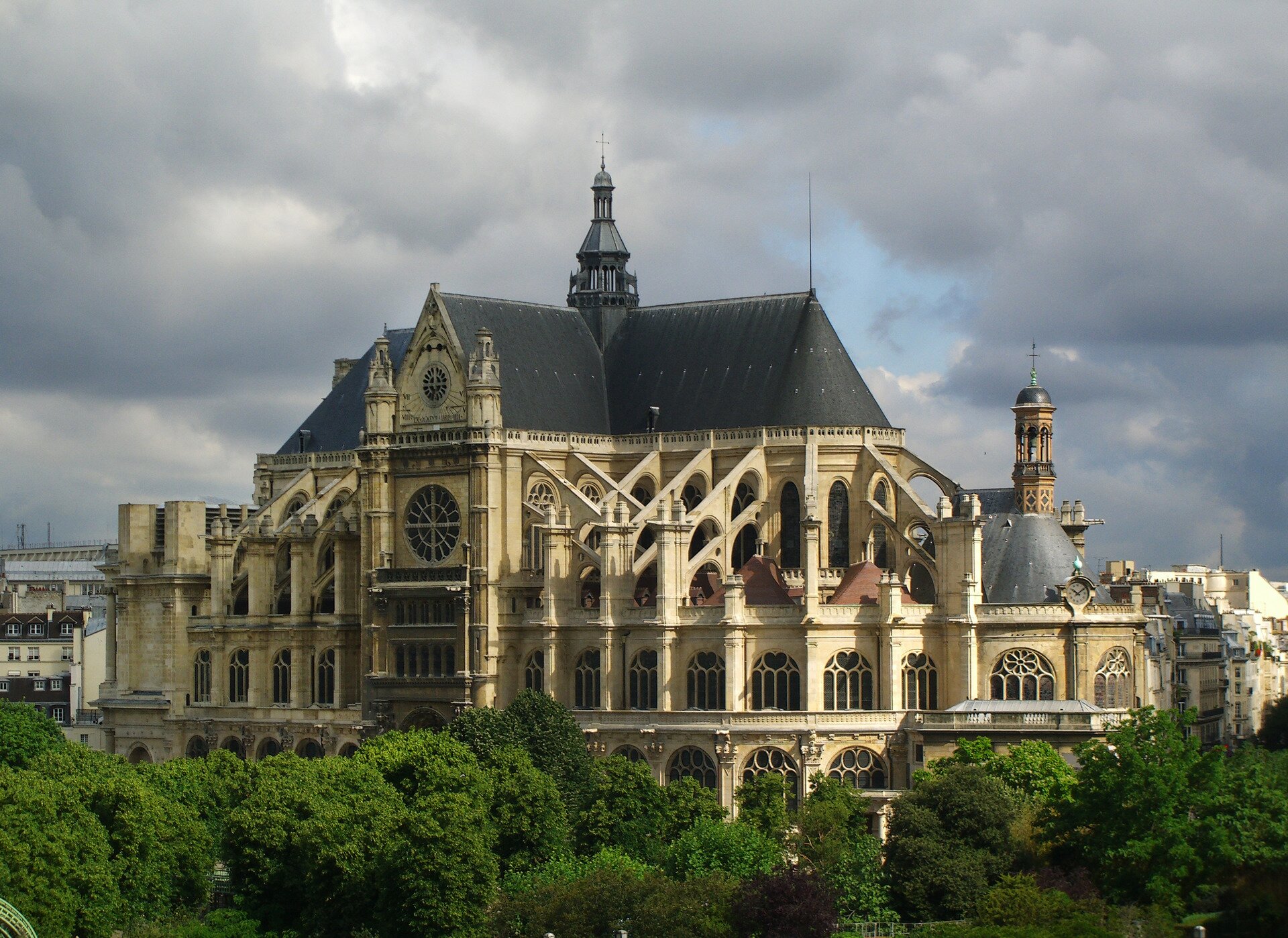
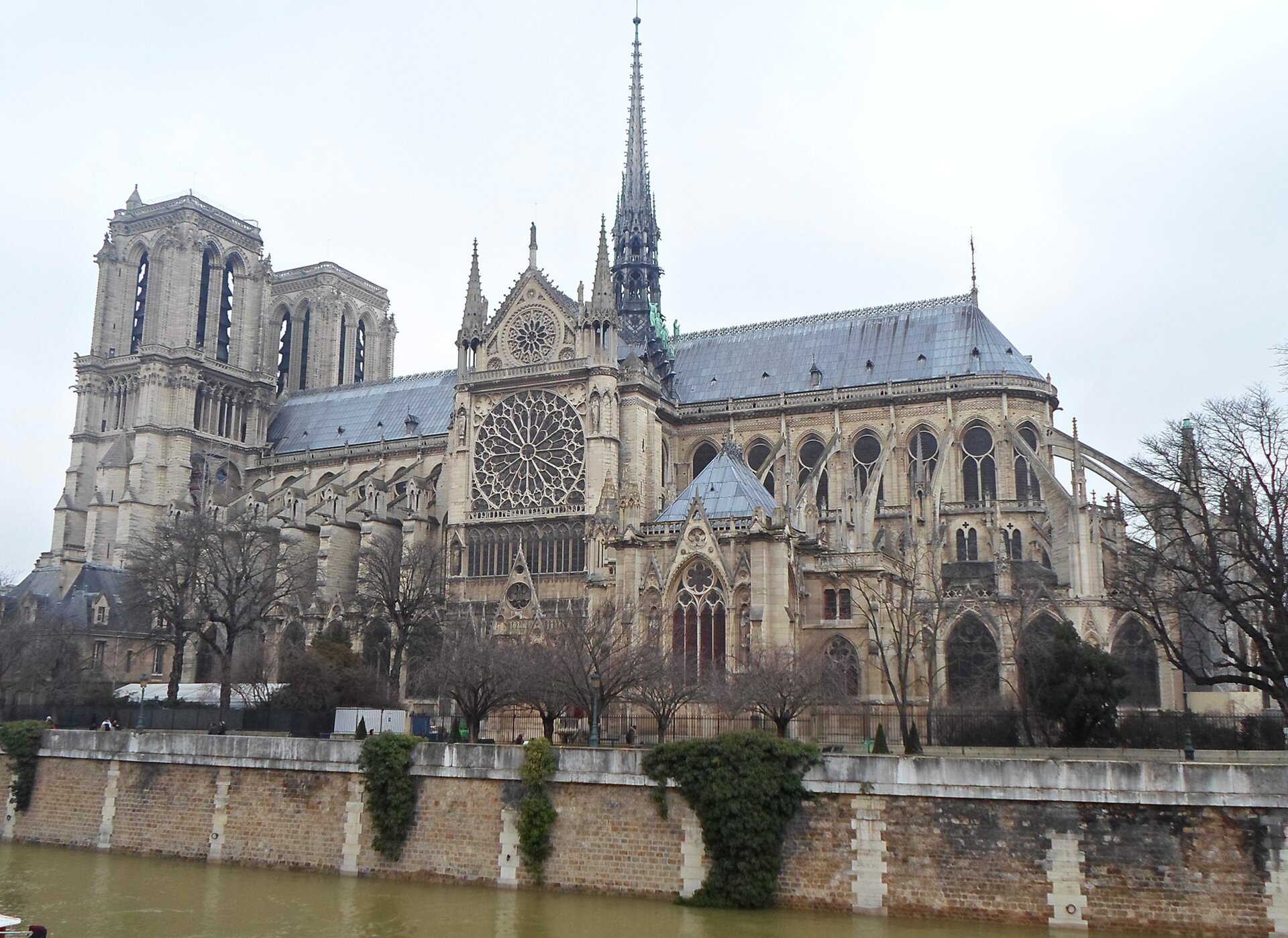
Compare the photographs below and point out the similarities, and the differences between them. Prepare a table and include the following information there:
Find the meaning of the words: the ridge turret and the pinnacle, and define, what is the shape of those elements in the buildings shown.
Which church seems to be slenderer?
Can you see similar structural elements in both of them?
R1SGvE1x1ObLl
Fotografia barwna przedstawiająca Kościół św. Eustachego w Paryżu, zbudowany w latach 1532-1640.
The Church of St Eustache in Paris, built between 1532 and 1640.
Source: Pavel Krok, Wikimedia Commons, licencja: CC BY-SA 2.5.
RowUWj8mTLMBS
Fotografia barwna przedstawiająca Katedrę Notre-Dame z XII wieku, widok z południa.
The Cathedral of Notre-Dame de Paris from the 12th century, a view from the south
Source: Bibonius, Wikimedia Commons, licencja: CC 0.
Exercise 1
Wymyśl pytanie na kartkówkę związane z tematem abstraktu.
Wymyśl pytanie na kartkówkę związane z tematem abstraktu.
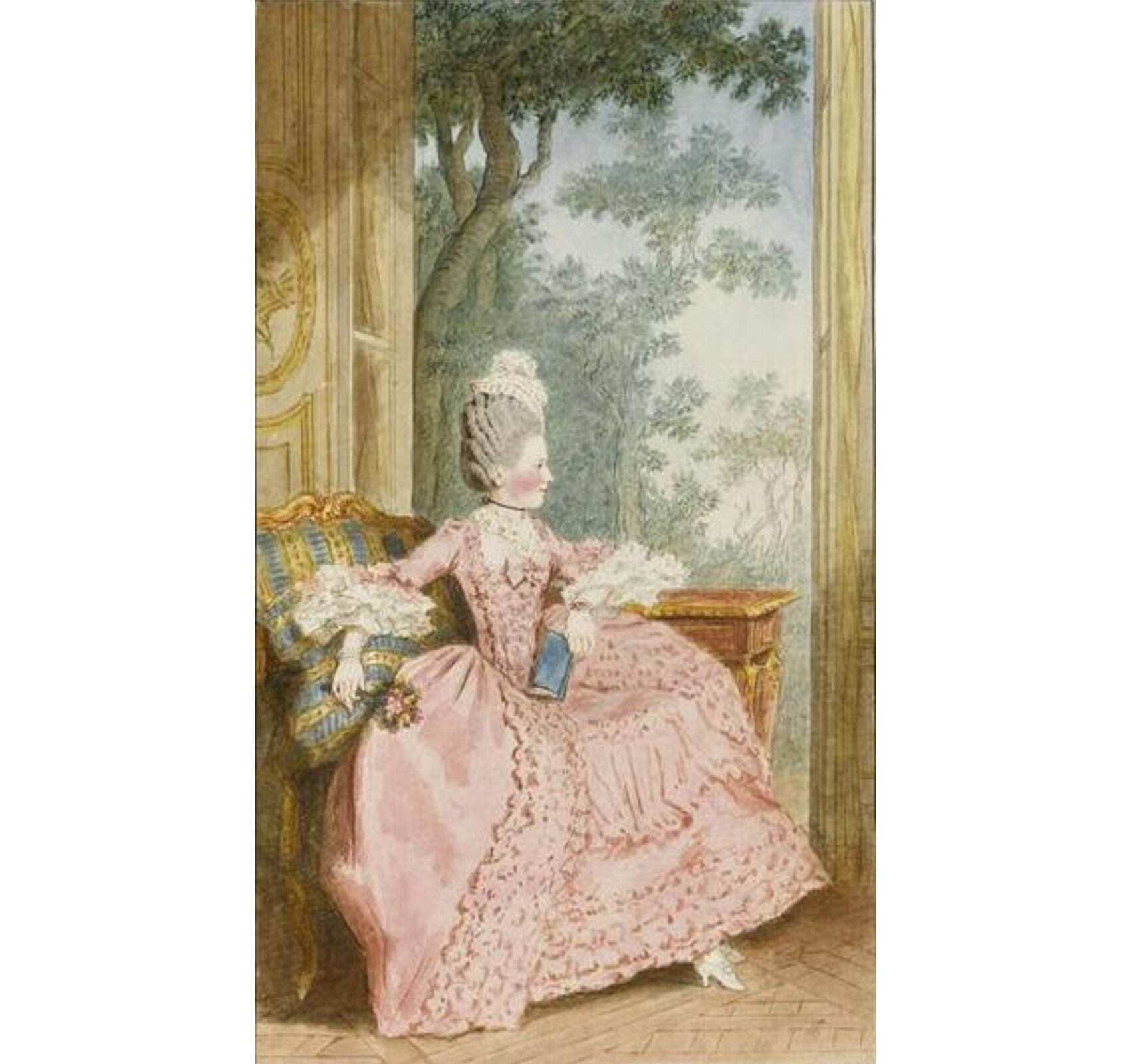
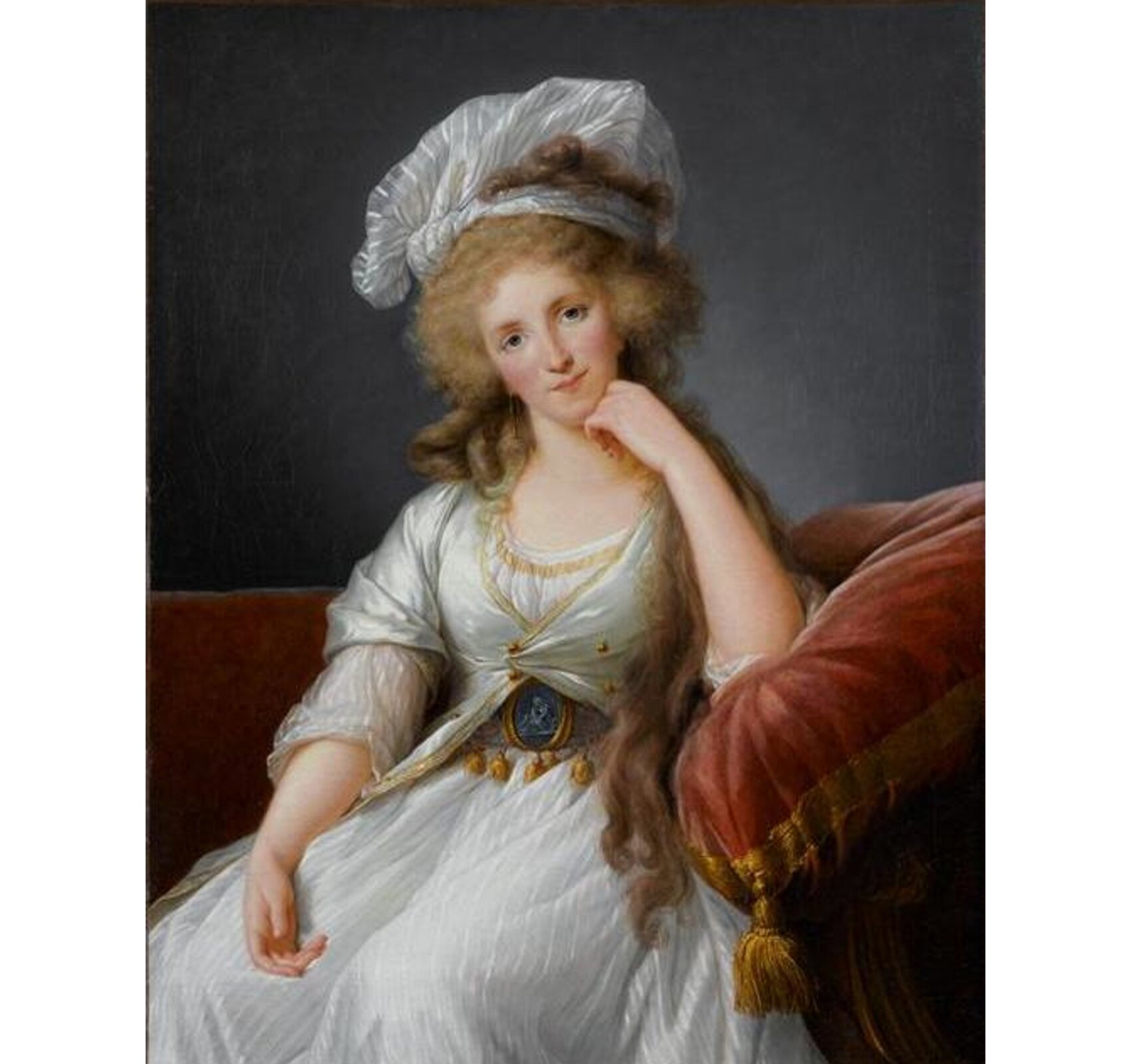
Look at the two portraits of the same woman. The first of them comes from the period called „Ancien RégimeAncien RégimeAncien Régime”, and the other from the “new epochEpochepoch” after the RevolutionRevolutionRevolution. Do the exercise.
Rci7v3kPfrtbf
Ilustracja przedstawiająca kobietę w modnej sukni siedzącą na fotelu.
Ancien regime fashion ca. 1770
Source: Carmontelle, Portrait de la duchesse de Chartres, 1770, Gwasz, Musée Condé, licencja: CC 0.
RM24jXR6brvJE
Obraz przedstawiający Portret Louise Marie Adélaïde de Bourbon.
The fashion of the Ancien Régime around 1770
Source: Louise Élisabeth Vigée Le Brun, Portrait of Louise Marie Adélaïde de Bourbon, Palace of Versailles, licencja: CC 0.
R1HeMaJnGiEcn
Try to find the differences between the paintings. Match the following statements to the paintings. The fashion of the Ancien Régime Możliwe odpowiedzi: 1. The dress required putting on additional structural elements (learn how the flared bottom part of the dress was obtained), 2. The dress was tight and close-fitting, 3. The dress was made of fabric which fell into soft folds, 4. The hairdo required long preparations, 5. The hairdo was comfortable, 6. The hairdo required assistance of a professional hairdresser, 7. The hair is of natural colour (it did not have to be dyed) The fashion of the period of the Revolution and the Empire in France Możliwe odpowiedzi: 1. The dress required putting on additional structural elements (learn how the flared bottom part of the dress was obtained), 2. The dress was tight and close-fitting, 3. The dress was made of fabric which fell into soft folds, 4. The hairdo required long preparations, 5. The hairdo was comfortable, 6. The hairdo required assistance of a professional hairdresser, 7. The hair is of natural colour (it did not have to be dyed)
Try to find the differences between the paintings. Match the following statements to the paintings. The fashion of the Ancien Régime Możliwe odpowiedzi: 1. The dress required putting on additional structural elements (learn how the flared bottom part of the dress was obtained), 2. The dress was tight and close-fitting, 3. The dress was made of fabric which fell into soft folds, 4. The hairdo required long preparations, 5. The hairdo was comfortable, 6. The hairdo required assistance of a professional hairdresser, 7. The hair is of natural colour (it did not have to be dyed) The fashion of the period of the Revolution and the Empire in France Możliwe odpowiedzi: 1. The dress required putting on additional structural elements (learn how the flared bottom part of the dress was obtained), 2. The dress was tight and close-fitting, 3. The dress was made of fabric which fell into soft folds, 4. The hairdo required long preparations, 5. The hairdo was comfortable, 6. The hairdo required assistance of a professional hairdresser, 7. The hair is of natural colour (it did not have to be dyed)
Try to find the differences between the paintings. Match the following statements to the paintings.
The dress was tight and close-fitting, The hair is of natural colour (it did not have to be dyed), The hairdo required long preparations, The dress required putting on additional structural elements (learn how the flared bottom part of the dress was obtained), The hairdo was comfortable, The dress was made of fabric which fell into soft folds, The hairdo required assistance of a professional hairdresser
The fashion of the Ancien Régime
The fashion of the period of the Revolution and the Empire in France
Task 2
obraz przedstawiający upadek Konstantynopola z 1453 roku. W poszczególnych punktach zostały opisane wydarzenia: 1. Development of a new image of man and perception of the world2. Emergence of national states3. Popularisation of the term “raison d'etat”4. Broadly defined “secularisation” of social life5. Transformations in culture, development of “written culture” and culture based on scientificity6. The beginning of the Industrial Revolution 7. Movements of economic and political emancipation (efforts to achieve independence) of the bourgeoisie
obraz przedstawiający upadek Konstantynopola z 1453 roku. W poszczególnych punktach zostały opisane wydarzenia: 1. Development of a new image of man and perception of the world2. Emergence of national states3. Popularisation of the term “raison d'etat”4. Broadly defined “secularisation” of social life5. Transformations in culture, development of “written culture” and culture based on scientificity6. The beginning of the Industrial Revolution 7. Movements of economic and political emancipation (efforts to achieve independence) of the bourgeoisie
Look at the painting depicting the 1453 fall of Constantinople. That date is one of a few dates which are considered to mark the beginning of the modern period. Learn more about the transformations which occurred in that epoch.
R7CJDsTawsYm1
obraz przedstawiający upadek Konstantynopola z 1453 roku.
obraz przedstawiający upadek Konstantynopola z 1453 roku.
R1YHkCNKaqsmb1
Exercise 2
Match the terms with their definitions. Chronology Możliwe odpowiedzi: 1. a period of time which is one of the phases in history. Epochs are periods, when certain social, political and cultural conditions were dominant, e.g. the modern epoch., 2. literally, the old regime, an old way of government, an outdated form government. The term was introduced during the French Revolution in reference to the government before its outbreak., 3. limitation or removal of the role of religion in society and forfeiture of the property and offices of the church authorities to the secular authorities., 4. a sudden change which brings about a major change in the existing situation. Colloquially, sudden and profound changes., 5. the order of events and phenomena which occur one after another over time; the science of measuring and dividing time., 6. an epoch called the revival of art and science. Its beginning dates back to the end of the 14th century and the beginning of the 15th century in Italian cities, the end dates back to the 17th century. During that epoch, there was an increase in the interest in antiquity and the human body., 7. a ground-breaking moment which marks the beginning and the end of a phase or an epoch. Dividing line Możliwe odpowiedzi: 1. a period of time which is one of the phases in history. Epochs are periods, when certain social, political and cultural conditions were dominant, e.g. the modern epoch., 2. literally, the old regime, an old way of government, an outdated form government. The term was introduced during the French Revolution in reference to the government before its outbreak., 3. limitation or removal of the role of religion in society and forfeiture of the property and offices of the church authorities to the secular authorities., 4. a sudden change which brings about a major change in the existing situation. Colloquially, sudden and profound changes., 5. the order of events and phenomena which occur one after another over time; the science of measuring and dividing time., 6. an epoch called the revival of art and science. Its beginning dates back to the end of the 14th century and the beginning of the 15th century in Italian cities, the end dates back to the 17th century. During that epoch, there was an increase in the interest in antiquity and the human body., 7. a ground-breaking moment which marks the beginning and the end of a phase or an epoch. Epoch Możliwe odpowiedzi: 1. a period of time which is one of the phases in history. Epochs are periods, when certain social, political and cultural conditions were dominant, e.g. the modern epoch., 2. literally, the old regime, an old way of government, an outdated form government. The term was introduced during the French Revolution in reference to the government before its outbreak., 3. limitation or removal of the role of religion in society and forfeiture of the property and offices of the church authorities to the secular authorities., 4. a sudden change which brings about a major change in the existing situation. Colloquially, sudden and profound changes., 5. the order of events and phenomena which occur one after another over time; the science of measuring and dividing time., 6. an epoch called the revival of art and science. Its beginning dates back to the end of the 14th century and the beginning of the 15th century in Italian cities, the end dates back to the 17th century. During that epoch, there was an increase in the interest in antiquity and the human body., 7. a ground-breaking moment which marks the beginning and the end of a phase or an epoch. The Renaissance Możliwe odpowiedzi: 1. a period of time which is one of the phases in history. Epochs are periods, when certain social, political and cultural conditions were dominant, e.g. the modern epoch., 2. literally, the old regime, an old way of government, an outdated form government. The term was introduced during the French Revolution in reference to the government before its outbreak., 3. limitation or removal of the role of religion in society and forfeiture of the property and offices of the church authorities to the secular authorities., 4. a sudden change which brings about a major change in the existing situation. Colloquially, sudden and profound changes., 5. the order of events and phenomena which occur one after another over time; the science of measuring and dividing time., 6. an epoch called the revival of art and science. Its beginning dates back to the end of the 14th century and the beginning of the 15th century in Italian cities, the end dates back to the 17th century. During that epoch, there was an increase in the interest in antiquity and the human body., 7. a ground-breaking moment which marks the beginning and the end of a phase or an epoch. Revolution Możliwe odpowiedzi: 1. a period of time which is one of the phases in history. Epochs are periods, when certain social, political and cultural conditions were dominant, e.g. the modern epoch., 2. literally, the old regime, an old way of government, an outdated form government. The term was introduced during the French Revolution in reference to the government before its outbreak., 3. limitation or removal of the role of religion in society and forfeiture of the property and offices of the church authorities to the secular authorities., 4. a sudden change which brings about a major change in the existing situation. Colloquially, sudden and profound changes., 5. the order of events and phenomena which occur one after another over time; the science of measuring and dividing time., 6. an epoch called the revival of art and science. Its beginning dates back to the end of the 14th century and the beginning of the 15th century in Italian cities, the end dates back to the 17th century. During that epoch, there was an increase in the interest in antiquity and the human body., 7. a ground-breaking moment which marks the beginning and the end of a phase or an epoch. Secularisation Możliwe odpowiedzi: 1. a period of time which is one of the phases in history. Epochs are periods, when certain social, political and cultural conditions were dominant, e.g. the modern epoch., 2. literally, the old regime, an old way of government, an outdated form government. The term was introduced during the French Revolution in reference to the government before its outbreak., 3. limitation or removal of the role of religion in society and forfeiture of the property and offices of the church authorities to the secular authorities., 4. a sudden change which brings about a major change in the existing situation. Colloquially, sudden and profound changes., 5. the order of events and phenomena which occur one after another over time; the science of measuring and dividing time., 6. an epoch called the revival of art and science. Its beginning dates back to the end of the 14th century and the beginning of the 15th century in Italian cities, the end dates back to the 17th century. During that epoch, there was an increase in the interest in antiquity and the human body., 7. a ground-breaking moment which marks the beginning and the end of a phase or an epoch. Ancien Régime Możliwe odpowiedzi: 1. a period of time which is one of the phases in history. Epochs are periods, when certain social, political and cultural conditions were dominant, e.g. the modern epoch., 2. literally, the old regime, an old way of government, an outdated form government. The term was introduced during the French Revolution in reference to the government before its outbreak., 3. limitation or removal of the role of religion in society and forfeiture of the property and offices of the church authorities to the secular authorities., 4. a sudden change which brings about a major change in the existing situation. Colloquially, sudden and profound changes., 5. the order of events and phenomena which occur one after another over time; the science of measuring and dividing time., 6. an epoch called the revival of art and science. Its beginning dates back to the end of the 14th century and the beginning of the 15th century in Italian cities, the end dates back to the 17th century. During that epoch, there was an increase in the interest in antiquity and the human body., 7. a ground-breaking moment which marks the beginning and the end of a phase or an epoch.
Match the terms with their definitions. Chronology Możliwe odpowiedzi: 1. a period of time which is one of the phases in history. Epochs are periods, when certain social, political and cultural conditions were dominant, e.g. the modern epoch., 2. literally, the old regime, an old way of government, an outdated form government. The term was introduced during the French Revolution in reference to the government before its outbreak., 3. limitation or removal of the role of religion in society and forfeiture of the property and offices of the church authorities to the secular authorities., 4. a sudden change which brings about a major change in the existing situation. Colloquially, sudden and profound changes., 5. the order of events and phenomena which occur one after another over time; the science of measuring and dividing time., 6. an epoch called the revival of art and science. Its beginning dates back to the end of the 14th century and the beginning of the 15th century in Italian cities, the end dates back to the 17th century. During that epoch, there was an increase in the interest in antiquity and the human body., 7. a ground-breaking moment which marks the beginning and the end of a phase or an epoch. Dividing line Możliwe odpowiedzi: 1. a period of time which is one of the phases in history. Epochs are periods, when certain social, political and cultural conditions were dominant, e.g. the modern epoch., 2. literally, the old regime, an old way of government, an outdated form government. The term was introduced during the French Revolution in reference to the government before its outbreak., 3. limitation or removal of the role of religion in society and forfeiture of the property and offices of the church authorities to the secular authorities., 4. a sudden change which brings about a major change in the existing situation. Colloquially, sudden and profound changes., 5. the order of events and phenomena which occur one after another over time; the science of measuring and dividing time., 6. an epoch called the revival of art and science. Its beginning dates back to the end of the 14th century and the beginning of the 15th century in Italian cities, the end dates back to the 17th century. During that epoch, there was an increase in the interest in antiquity and the human body., 7. a ground-breaking moment which marks the beginning and the end of a phase or an epoch. Epoch Możliwe odpowiedzi: 1. a period of time which is one of the phases in history. Epochs are periods, when certain social, political and cultural conditions were dominant, e.g. the modern epoch., 2. literally, the old regime, an old way of government, an outdated form government. The term was introduced during the French Revolution in reference to the government before its outbreak., 3. limitation or removal of the role of religion in society and forfeiture of the property and offices of the church authorities to the secular authorities., 4. a sudden change which brings about a major change in the existing situation. Colloquially, sudden and profound changes., 5. the order of events and phenomena which occur one after another over time; the science of measuring and dividing time., 6. an epoch called the revival of art and science. Its beginning dates back to the end of the 14th century and the beginning of the 15th century in Italian cities, the end dates back to the 17th century. During that epoch, there was an increase in the interest in antiquity and the human body., 7. a ground-breaking moment which marks the beginning and the end of a phase or an epoch. The Renaissance Możliwe odpowiedzi: 1. a period of time which is one of the phases in history. Epochs are periods, when certain social, political and cultural conditions were dominant, e.g. the modern epoch., 2. literally, the old regime, an old way of government, an outdated form government. The term was introduced during the French Revolution in reference to the government before its outbreak., 3. limitation or removal of the role of religion in society and forfeiture of the property and offices of the church authorities to the secular authorities., 4. a sudden change which brings about a major change in the existing situation. Colloquially, sudden and profound changes., 5. the order of events and phenomena which occur one after another over time; the science of measuring and dividing time., 6. an epoch called the revival of art and science. Its beginning dates back to the end of the 14th century and the beginning of the 15th century in Italian cities, the end dates back to the 17th century. During that epoch, there was an increase in the interest in antiquity and the human body., 7. a ground-breaking moment which marks the beginning and the end of a phase or an epoch. Revolution Możliwe odpowiedzi: 1. a period of time which is one of the phases in history. Epochs are periods, when certain social, political and cultural conditions were dominant, e.g. the modern epoch., 2. literally, the old regime, an old way of government, an outdated form government. The term was introduced during the French Revolution in reference to the government before its outbreak., 3. limitation or removal of the role of religion in society and forfeiture of the property and offices of the church authorities to the secular authorities., 4. a sudden change which brings about a major change in the existing situation. Colloquially, sudden and profound changes., 5. the order of events and phenomena which occur one after another over time; the science of measuring and dividing time., 6. an epoch called the revival of art and science. Its beginning dates back to the end of the 14th century and the beginning of the 15th century in Italian cities, the end dates back to the 17th century. During that epoch, there was an increase in the interest in antiquity and the human body., 7. a ground-breaking moment which marks the beginning and the end of a phase or an epoch. Secularisation Możliwe odpowiedzi: 1. a period of time which is one of the phases in history. Epochs are periods, when certain social, political and cultural conditions were dominant, e.g. the modern epoch., 2. literally, the old regime, an old way of government, an outdated form government. The term was introduced during the French Revolution in reference to the government before its outbreak., 3. limitation or removal of the role of religion in society and forfeiture of the property and offices of the church authorities to the secular authorities., 4. a sudden change which brings about a major change in the existing situation. Colloquially, sudden and profound changes., 5. the order of events and phenomena which occur one after another over time; the science of measuring and dividing time., 6. an epoch called the revival of art and science. Its beginning dates back to the end of the 14th century and the beginning of the 15th century in Italian cities, the end dates back to the 17th century. During that epoch, there was an increase in the interest in antiquity and the human body., 7. a ground-breaking moment which marks the beginning and the end of a phase or an epoch. Ancien Régime Możliwe odpowiedzi: 1. a period of time which is one of the phases in history. Epochs are periods, when certain social, political and cultural conditions were dominant, e.g. the modern epoch., 2. literally, the old regime, an old way of government, an outdated form government. The term was introduced during the French Revolution in reference to the government before its outbreak., 3. limitation or removal of the role of religion in society and forfeiture of the property and offices of the church authorities to the secular authorities., 4. a sudden change which brings about a major change in the existing situation. Colloquially, sudden and profound changes., 5. the order of events and phenomena which occur one after another over time; the science of measuring and dividing time., 6. an epoch called the revival of art and science. Its beginning dates back to the end of the 14th century and the beginning of the 15th century in Italian cities, the end dates back to the 17th century. During that epoch, there was an increase in the interest in antiquity and the human body., 7. a ground-breaking moment which marks the beginning and the end of a phase or an epoch.
Match the terms with their definitions.
limitation or removal of the role of religion in society and forfeiture of the property and offices of the church authorities to the secular authorities., literally, the old regime, an old way of government, an outdated form government. The term was introduced during the French Revolution in reference to the government before its outbreak., the order of events and phenomena which occur one after another over time; the science of measuring and dividing time., a sudden change which brings about a major change in the existing situation. Colloquially, sudden and profound changes., an epoch called the revival of art and science. Its beginning dates back to the end of the 14th century and the beginning of the 15th century in Italian cities, the end dates back to the 17th century. During that epoch, there was an increase in the interest in antiquity and the human body., a ground-breaking moment which marks the beginning and the end of a phase or an epoch., a period of time which is one of the phases in history. Epochs are periods, when certain social, political and cultural conditions were dominant, e.g. the modern epoch.
Chronology
Dividing line
Epoch
The Renaissance
Revolution
Secularisation
Ancien Régime
Keywords
an epoch, the modern period, the Middle Ages, the Renaissance
Epoka – okres stanowiący jeden z etapów dziejów. Epoką nazywane są okresy, w których dominowały określone stosunki społeczne, polityczne i kulturalne, np. epoka nowożytna.
Renesans – epoka nazywana odrodzeniem sztuki i nauki, jej początek datuje się na przełom XIV i XV wieku w miastach włoskich, koniec na XVII wiek. W czasie jej trwania nastąpił wzrost zainteresowania antykiem i ludzkim ciałem.
Sekularyzacja – inaczej zeświecczenie, ograniczenie lub usunięcie roli religii w społeczeństwie oraz przejęcie majątków i urzędów spod władzy kościelnej przez świecką.
Ancien regime – dosłownie stary porządek, dany sposób rządzenia, przestarzała forma rządów. Termin ten został wprowadzony po Rewolucji Francuskiej w odniesieniu do rządów przed jej wybuchem.