Legendary beginnings of Poland
about the Lech, Czech and Rus legendlegend and Piast and Popiel legendlegend;
what the characteristics of the founding and dynastic legendsdynastic legends are, you will be able to indicate examples thereof;
that legendslegends are important to communities (they give their members the feeling that they belong to a unique and important group of people).
The origins of the Polish state are lost in the mists of time. There aren’t any surviving written sources from that period. Poland’s earliest history is told in legendslegends, i.e. traditional stories written down a few centuries after the described events took place. There may – or may not – be a grain of truth in them. These tales are brimming with accounts of fantastic creatures and extraordinary events. Therefore, their function is similar to that of mythsmyths. The oldest Polish legendslegends concentrate on two traditions: that of Greater Poland (Gniezno) and that of Lesser Poland (Cracow). It is believed that Lech, the brother of Czech and Rus, was the forefather of Poles (Lechites). Many years later, an evil duke called Popiel came to rule Gniezno. His subjects expelled him and elected a new duke called Siemowit, a son of a smallholder farmer named Piast. A popular legendlegend of the Cracow region was the tale of Krakus and the Wawel DragonDragon.
From among the characteristics given, select those that characterize the legend.
- Applies to places, characters or historical events.
- The author is anonymous.
- Includes some truth.
- Has a happy ending.
- Applies only to false events and places.
- The author is known.
Read the Lech, Czech and Rus legendlegend. Where did Lech set up his settlement?
It all happened many centuries ago. Poland differed much from what it is today. There were no motorways, railway lines, bridges or concrete settlements. The land was overgrown with impassable primaeval forests and woods inhabited by wild animals.
Three brothers – Lech, Czech and Rus – set out on their journey at the head of their tribes in search of a new place to settle. They were machining for many days through dense forests and rivers. One day, a beautiful, sun‑drenched valley emerged from the trees, decorated with low hills and picturesque lakes. Delighted with this view, the brothers stopped to enjoy it. When they stood still, they heard the noise of wings over their heads and saw an eagle circling majestically in the sky against the setting sun. A moment later, it landed in a nest on a nearby oak. Lech decided that the appearance of this noblest bird was a good omen. He wanted to stay in this valley forever.

Soon, the sound of axes and other tools could be heard. The trees were cut down to build houses, and the fields were prepared for cultivation. Lech founded his settlement near the tree where the eagle lived. It was named – after the eagle's nest – Gniazdo or Gniezdo, meaning “nest” in Slavic, and later Gniezno. It became the first capital of Poland – a state founded by the descendantsdescendants of Lech, called the Lechites. The eagle has become the hallmark of this country and its people.
The valley, although vast, could not accommodate all the tribes. For their own sake, the brothers had to part ways. Czech and Rus continued on their journey. The first one arrived to the south, where he founded Czechia. The other brother went east, where he founded Ruthenia, which he ruled.
Gniezno was named after...
- an unknown bird’s nest.
- the eagle nest.
- the stork's nest.
Pair the names of the state with the names of their legendary founders.
Rus, Czech, Lech
| Poland | |
| Ruthenia | |
| Czechia |
Read the legendlegend about Piast and the evil PrincePrince Popiel. How did Popiel treat the visitors asking for accommodation?
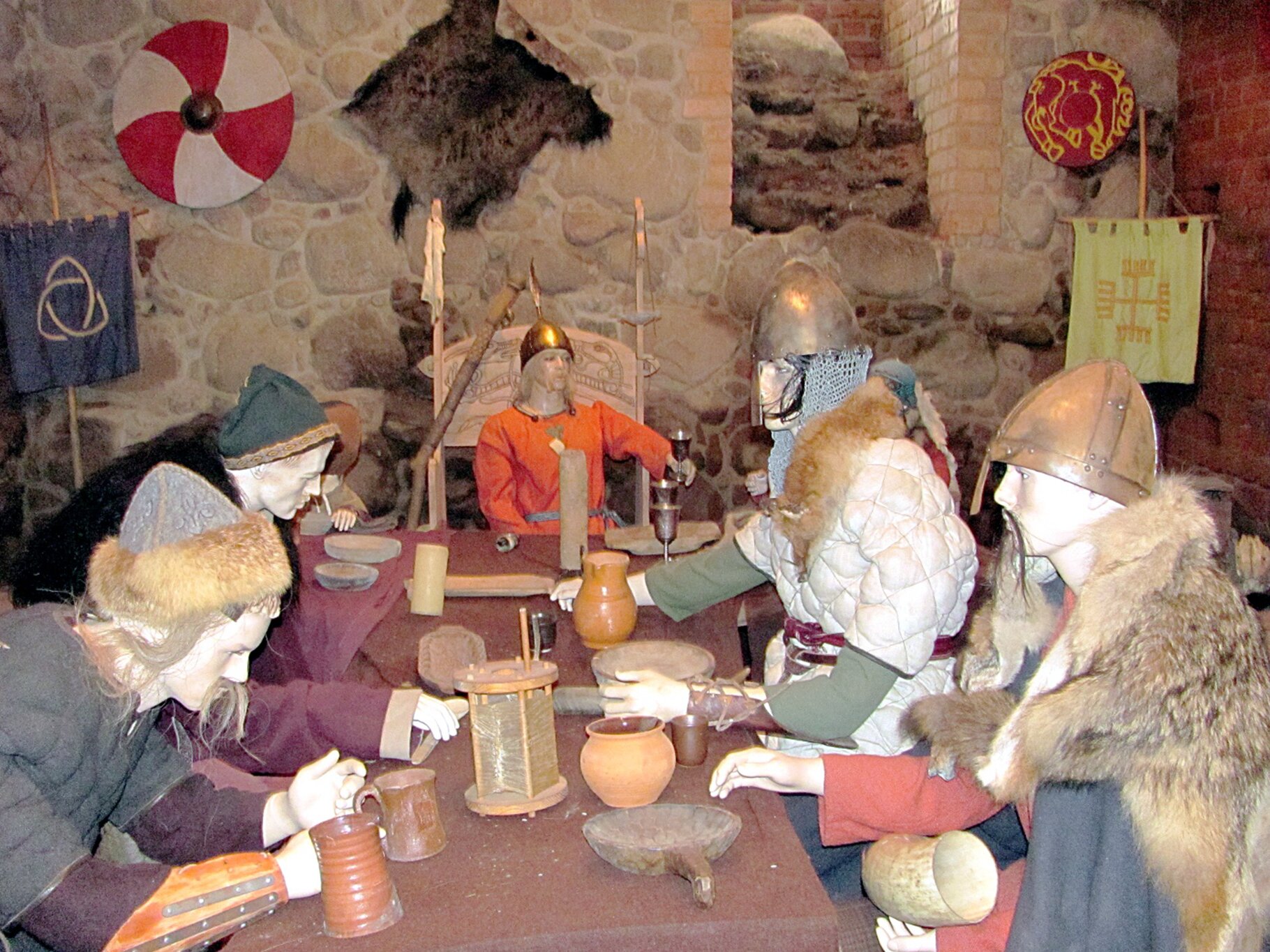
It happened many years after Lech founded his settlement. Gniezno was ruled then by a young, mean and cruel princeprince, Popiel. As the tradition required, he held a sumptuous feast in honour of his sons' first haircut. It was a very important ceremony at that time. During this ceremony, a 7year‑old boy, who had been taken care of by his mother before, was now to be looked after his father, who cut off his son's hair, gave him a new name and asked the gods to watch over his child. During the feast, two footsore strangers appeared at Popiel's courtcourt. Although the feast was still going on and there was plenty of food and drinks, they were not allowed to enter. The princeprince ordered them to be expelled.
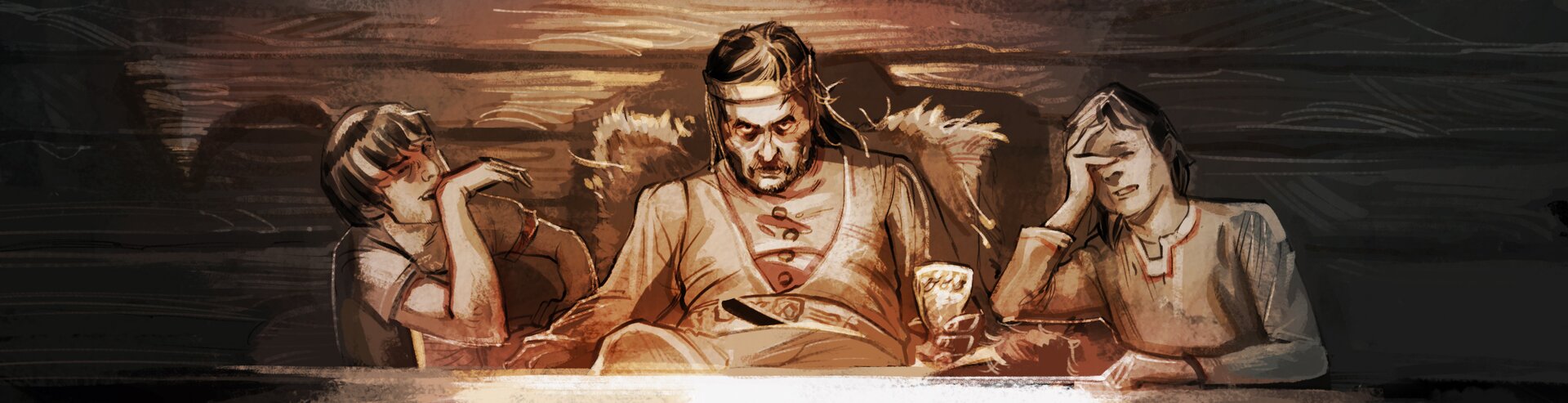
At the same time Piast was arranging the first haircut ceremony in his little house near the Popiel’s castlecastle. Piast was a modest but respected husbandman. He and his wife Rzepicha were always willing to help and advise others, which is why they were much liked by all their neighbours. They were also very hospitable. Although they sometimes suffered from shortages, they prepared victuals for the feast.
When the party began, two strangers appeared at the door of the house looking for a shelter. They were the same wanderers who had previously been expelled by Popiel. Piast warmly invited them to join him. To honour the newcomers especially, he asked them to cut his son’s hair. They did it, giving him a new name as the tradition required. The child was named Siemowit. The guests blessed the boy and his house. They assured that their arrival and the hospitality offered to them would provide the Piast family with prosperity, and their offspring with honour and fame. The promise began to come true on the same day, as food and drinks were not diminishing, although there were many guests.
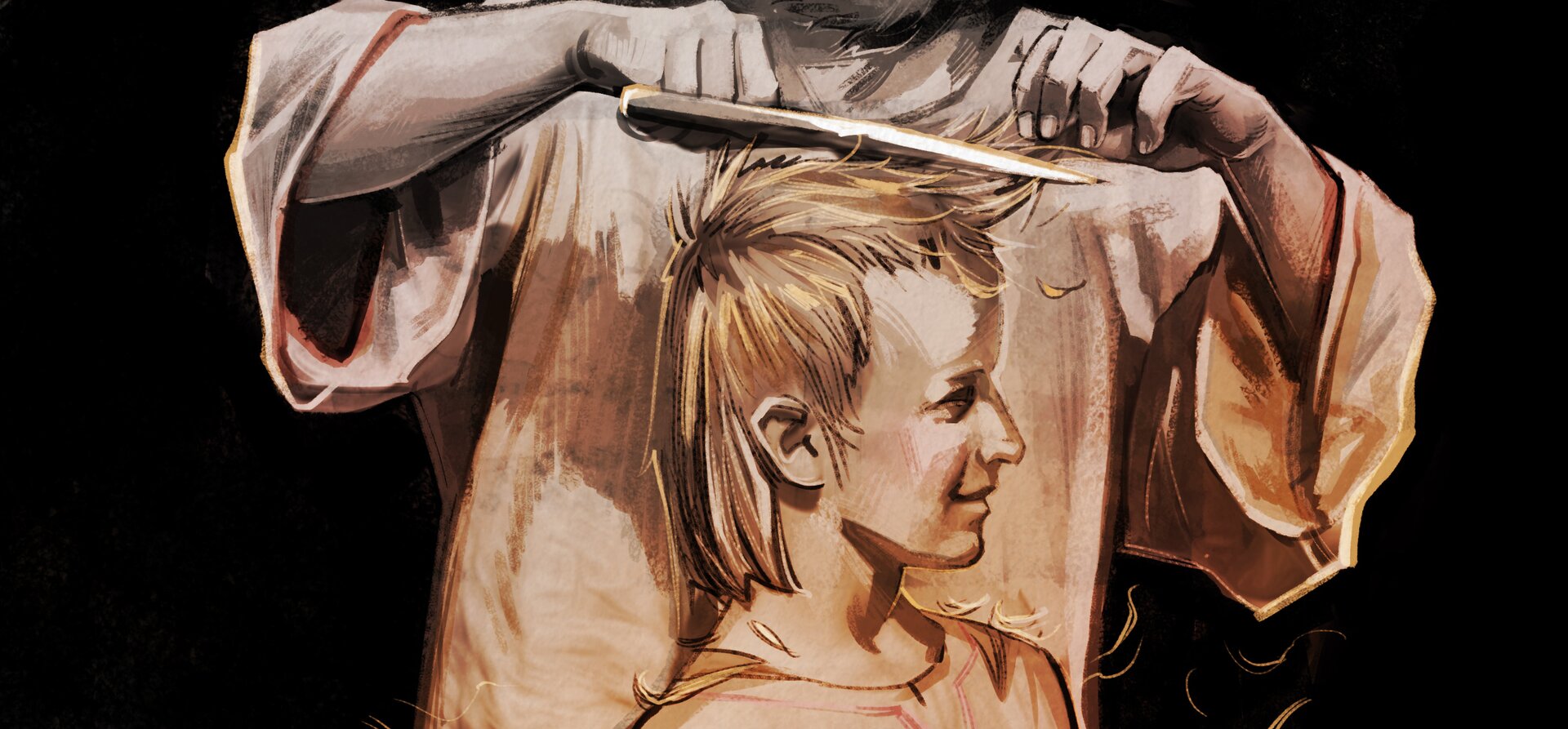
After many years, the promise of the stranger was fully fulfilled. Siemowit grew up to be a wise and noble young man, and when he became an adult, he was elected a princeprince. He started the Piast dynasty (descended from Piast, Siemowit’s father), that ruled Poland for many centuries.
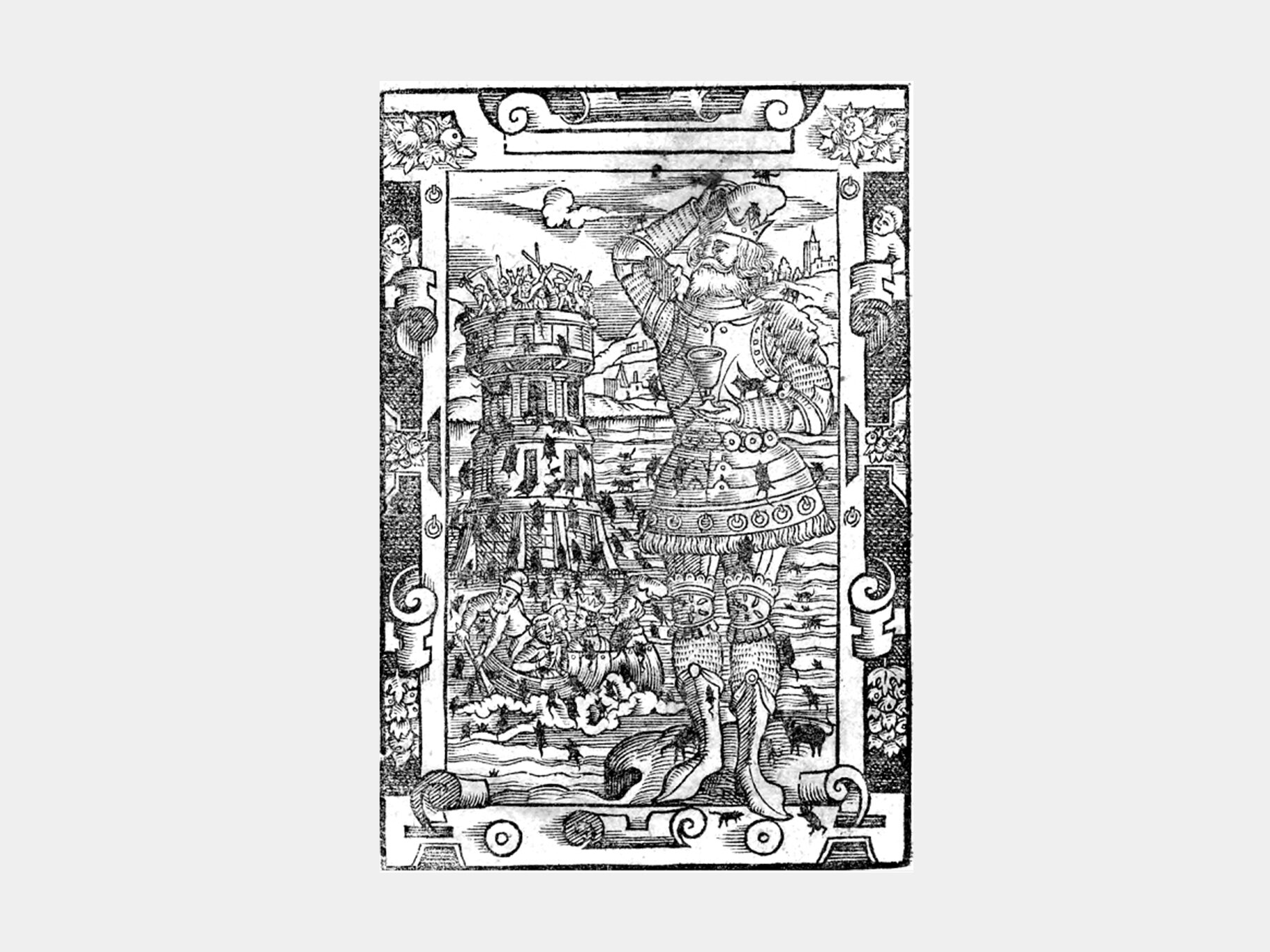
According to the legendlegend, Siemowit was elected after the death of the evil PrincePrince Popiel, who died eaten by mice. He tried to hide from them in the tower on the island on Lake Gopło, but he did not escape his terrible fate. It was a punishment for an abominable act: he committed a great and cruel crime, poisoning his uncles for fear of losing power.
Match the traits below to Piast, Popiel and Siemowit as appropriate.
mean, noble, wise, discourteous, hospitable, modest, helpful, inhospitable, evil
| Piast | |
|---|---|
| Popiel | |
| Siemowit |
Learn who wrote the poems about Popiel's tragedy and what Kruszwica is still known for.
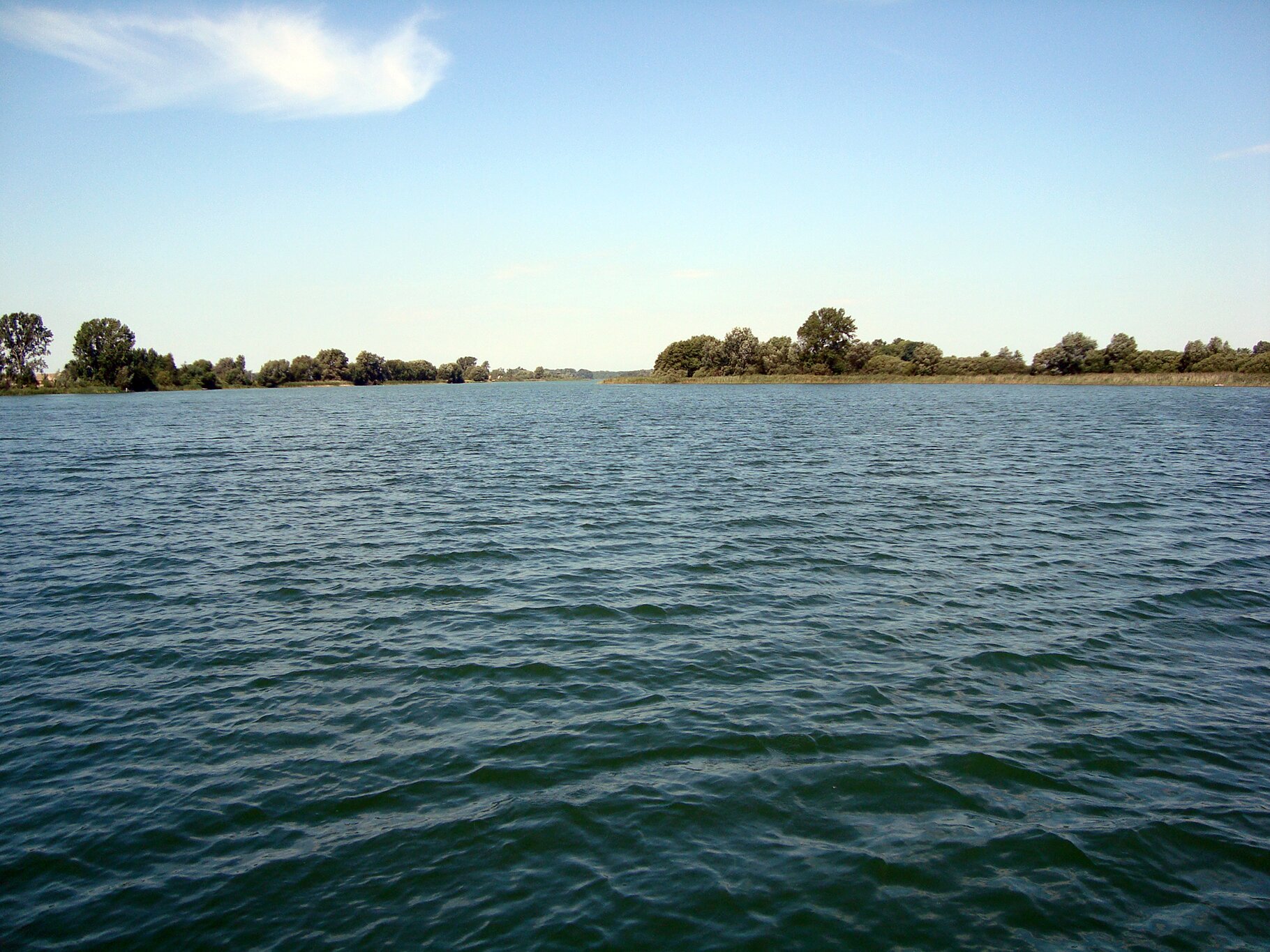
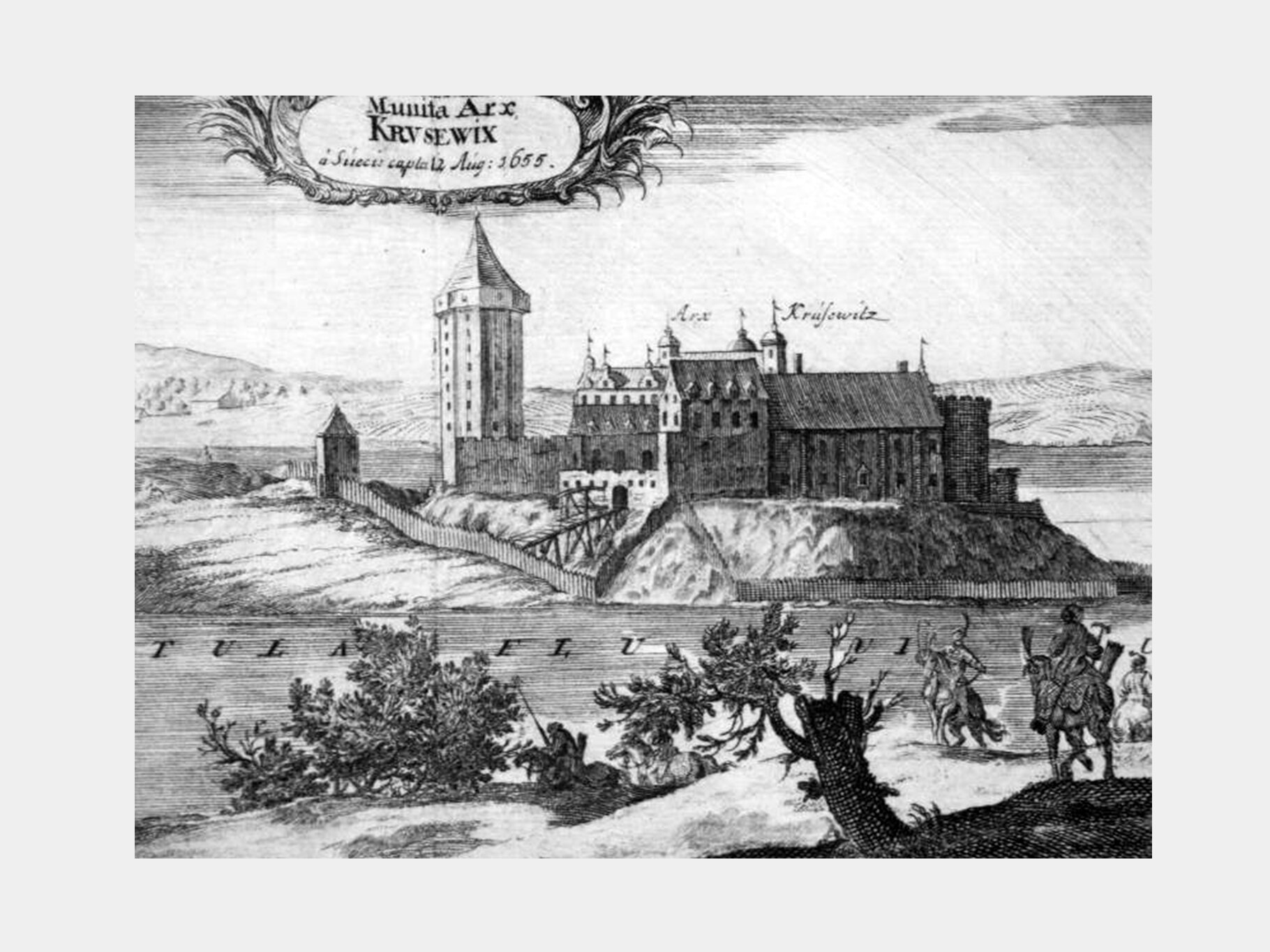

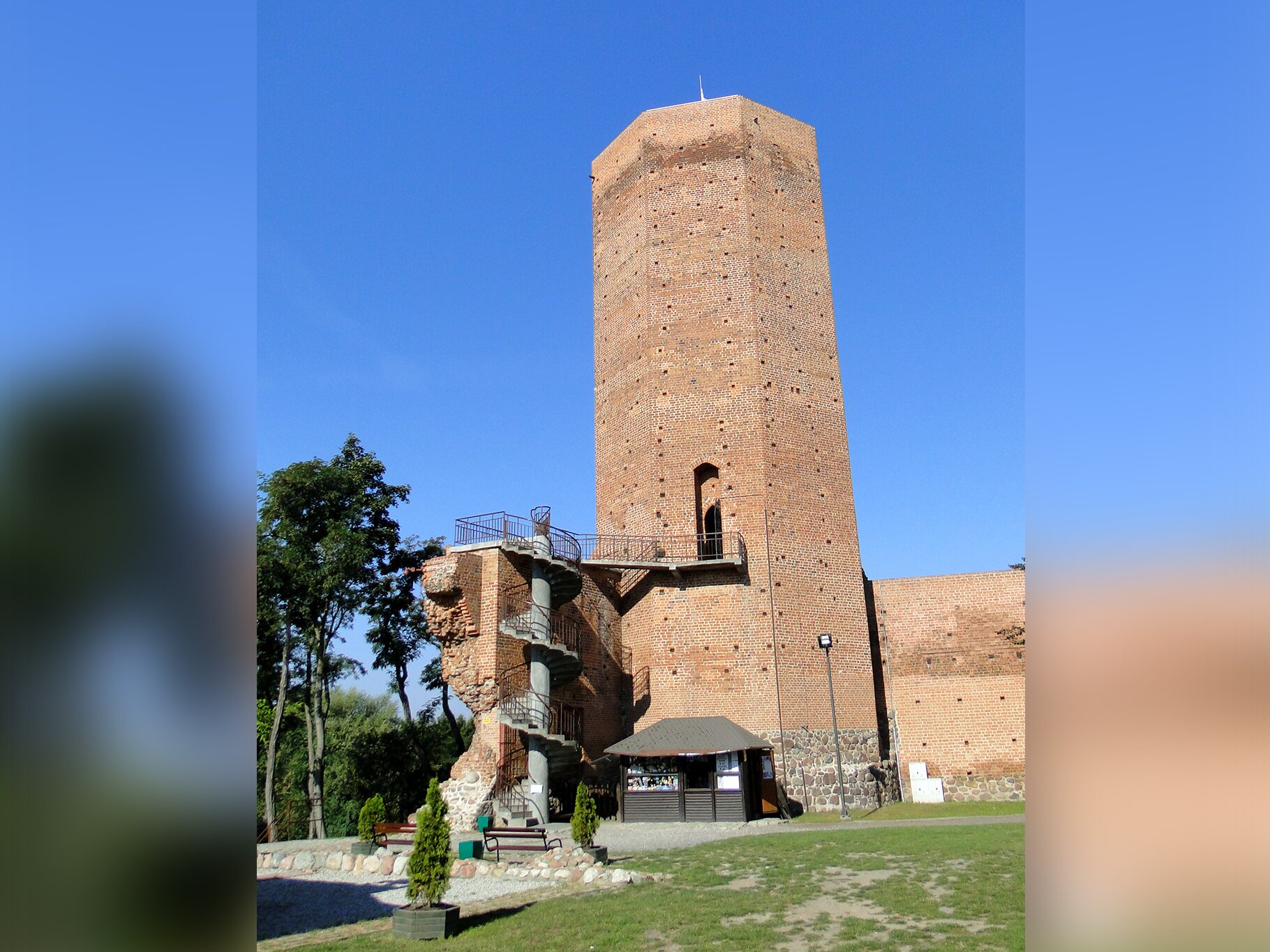
Thanks to the legendslegends of the evil ruler Popiel, who was eaten by mice, and Piast the Wheelwright, it is one of the most famous castlescastles in the country, although mainly associated with a bergfried called the „Mouse Tower”. In fact, the building is much younger than the legendlegend says, and it does not go back to the early times of Piast. The castlecastle was erected on the orders of King Casimir the Great, the last ruler of the Piast dynasty. It was built on an irregular plan with two towers on the west side and a gate on the east side. After the destruction of the castlecastle by the Swedes in the seventeenth century, it never returned to its impressive form. Only the famous tower has survived to this day.
Kruszwica was made famous by Juliusz Słowacki in „Balladyna” and Józef Ignacy Kraszewski in „An Ancient Tale”. There are many indications that the legendlegend about Popiel hides an ancient memory of a rebellion of inhabitants of nearby villages against this cruel ruler, and even about the attack of the Vikings.
Kruszwica is famous not only for the mice and King Popiel. People's tales point to a treasure buried by the Swedes in the vaults of the castlecastle, which stretch to the collegiate church in Kruszwica. They were said to have left them there during the withdrawal from the previously conquered Poland. They were certain that they would come back to these lands anyway. The legendlegend like many, but post‑war archaeological researches led to the discovery of mysterious corridors (later buried), and the local population who rummaged at the excavations found elements of old jewellery.
Language practice. Match pairs: English and Polish.
legenda dynastyczna, potomek, książę, smok, legenda założycielska
| founding legend | |
| dynastic legend | |
| prince | |
| dragon | |
| descendant |
Keywords
legend, dynasty, origins, Wawel Dragon, Piast, Lech, Siemowit
Glossary
legenda
mit
legenda założycielska
legenda dynastyczna
zamek
dwór
książę
smok
potomek