The end of monarchy. Causes of the Great French Revolution
to explain the differences between the estates in France;
to characterize features of the feudal system of government;
to indicate the links between the situation of society and revolutionary moods.
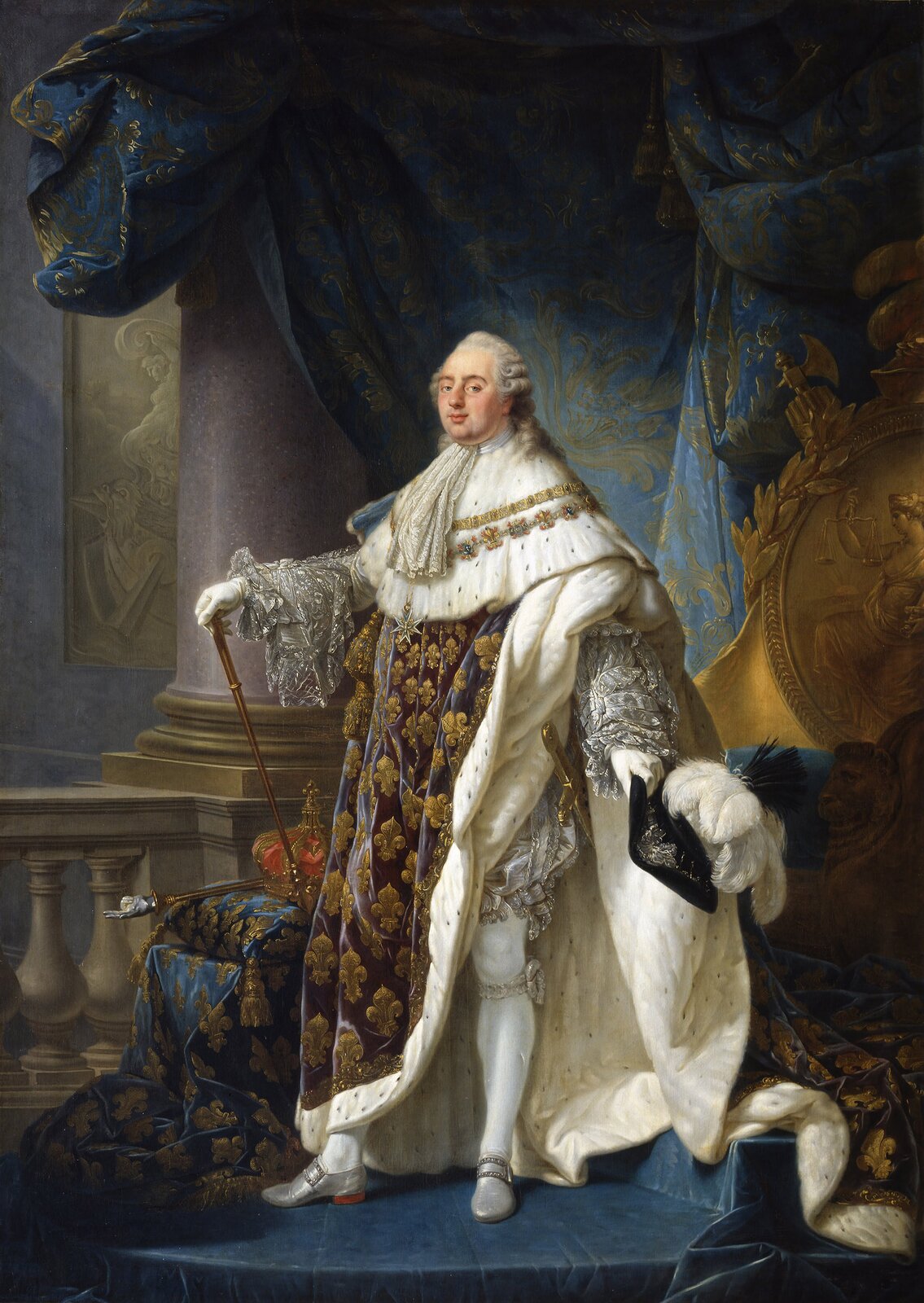
At the end of the 18th century, France was the most populated country in Europe. The wealth of France was available only to a few. The first and second estates (higher clergy and nobility) had a monopoly on occupying the most important positions in the church and army, as well as extensive economic and judicial privileges. Those social strata that formed part of the third estate and contributed the most to France's economic growth, on the other hand, had far fewer opportunities to benefit from the results of their work. The worst situation was for peasants and labourers (sans‑culottes) belonging to this estate, because France was hit by numerous natural disasters and food prices rose sharply. The country was hit by a crisis caused by the incompetent rule of King Louis XVI. This monarch ordered his ministers to seek financial resources in order to balance the budget. At the same time, however, he did not see a need to improve the situation of France's poorest people or to carry out deeper reforms. Under the pressure of the still unresolved question of raising money, the king had to summon the Estates General (i.e. the assembly of representatives of all three French estates), which could decide on new taxes. However, it did not happen so. On 17 June 1789, the representatives of the third estate invited to Versailles proclaimed themselves to be the National Assembly, ignoring the members of the nobility and clergy, or even Louis XVI himself.
Complete the text by dragging and dropping appropriate elements.
Something, Estates General, pamphlet, Nothing, Everything
When Louis XVI proposed the convocation of the .............................., Finance Minister Jacques Necker invited, at the King's request, French writers to the assembly to state their views. One of them, Joseph Sieyès published his celebrated January 1789 .............................. entitled What Is the Third Estate?
He begins his answer:
1. What is the Third Estate? – ...............................
2. What has it been hither to in the political order? – ...............................
3. What does it desire to be? – ...............................
Use a drawing machine to find the right matchings.
|
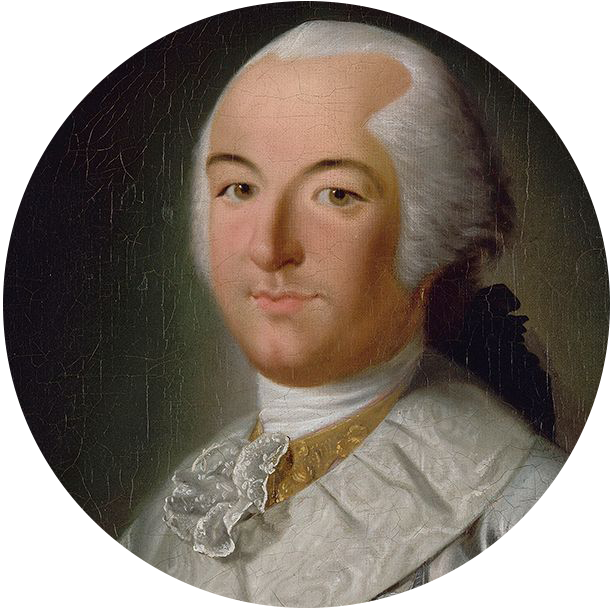
Louis Philippe, Duke of Orléans
|
His philosophical treatise (On) The Spirit of the Laws was the first one in the history to identify three types of power: legislative, executive and judicial, as well as to describe the differences between them.
|
|
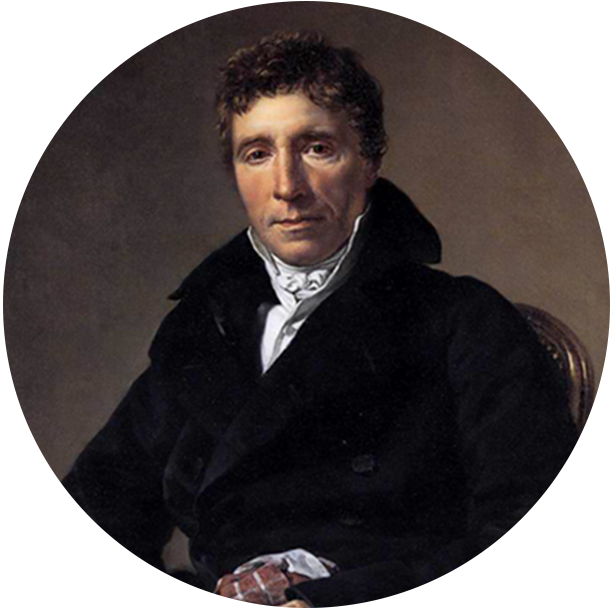
Montesquieu
|
The first aristocrat and democrat to publicly criticize the absolutist system of government of Louis XVI in the Paris Parliament; a supporter of the French Revolution.
|
|
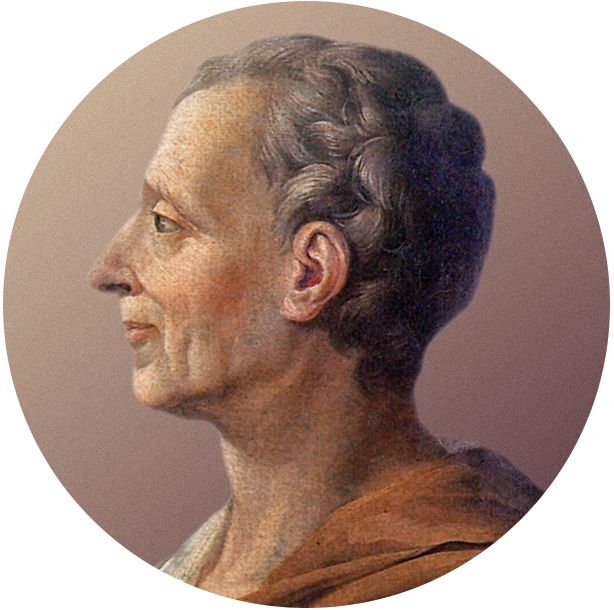
Emmanuel Joseph Sieyès
|
This priest, the author of the pamphlet What is the Third Estate? was one of the most important initiators of the French revolution, co-author of the Declaration of the Rights of Man and of the Citizen.
|
Match the pairs: English words with Polish definition.
warstwa wykształconych i majętnych mieszkańców miast, system władzy w monarchiach wczesnonowożytnych, władzę króla ograniczały tylko prawa naturalne i podstawowe normy ustrojowe, takie jak sukcesja tronu, niekorzystna dla budżetu różnica w wydatkach i dochodach państwa; przewaga pierwszych nad drugimi
| budget deficit | |
| bourgeoisie | |
| absolutism |
Keywords
Great French Revolution, estates, bourgeoisie
Glossary
deficyt budżetowy – niekorzystna dla budżetu różnica w wydatkach i dochodach państwa; przewaga pierwszych nad drugimi
burżuazja – warstwa wykształconych i majętnych mieszkańców miast
absolutyzm – system władzy w monarchiach wczesnonowożytnych, władzę króla ograniczały tylko prawa naturalne i podstawowe normy ustrojowe, takie jak sukcesja tronu