R1GyPTEV1xwWO

Earth - a common home of humanity. Chances and dangers

Wind power plant
Source: pixabay.com, domena publiczna.

Link to the lesson

You will learn
  • to explain what does the statement „global villageglobal villageglobal village” mean;

  • to recognise the most important opportunities and threats of the modern world.

R4ce3Ni3qCijH
Nagranie abstraktu

From the 19th century, rapid technical development is under way. Distances are reduced. In one day, you can travel to the most distant place on Earth. It takes a few seconds to send information. Thanks to the development of technology, the world has „dwindled”, it has become a „global village”. At the same time, thanks to the mass media (InternetInternetInternet, television, radio), people use the same products regardless of their place of life and can follow the same events live. However, progress has its price. It is the degradation of the natural environment.

Task 1
Wybierz dowolne angielskie słówko ze słowniczka i zapytaj kolegę o jego znaczenie.

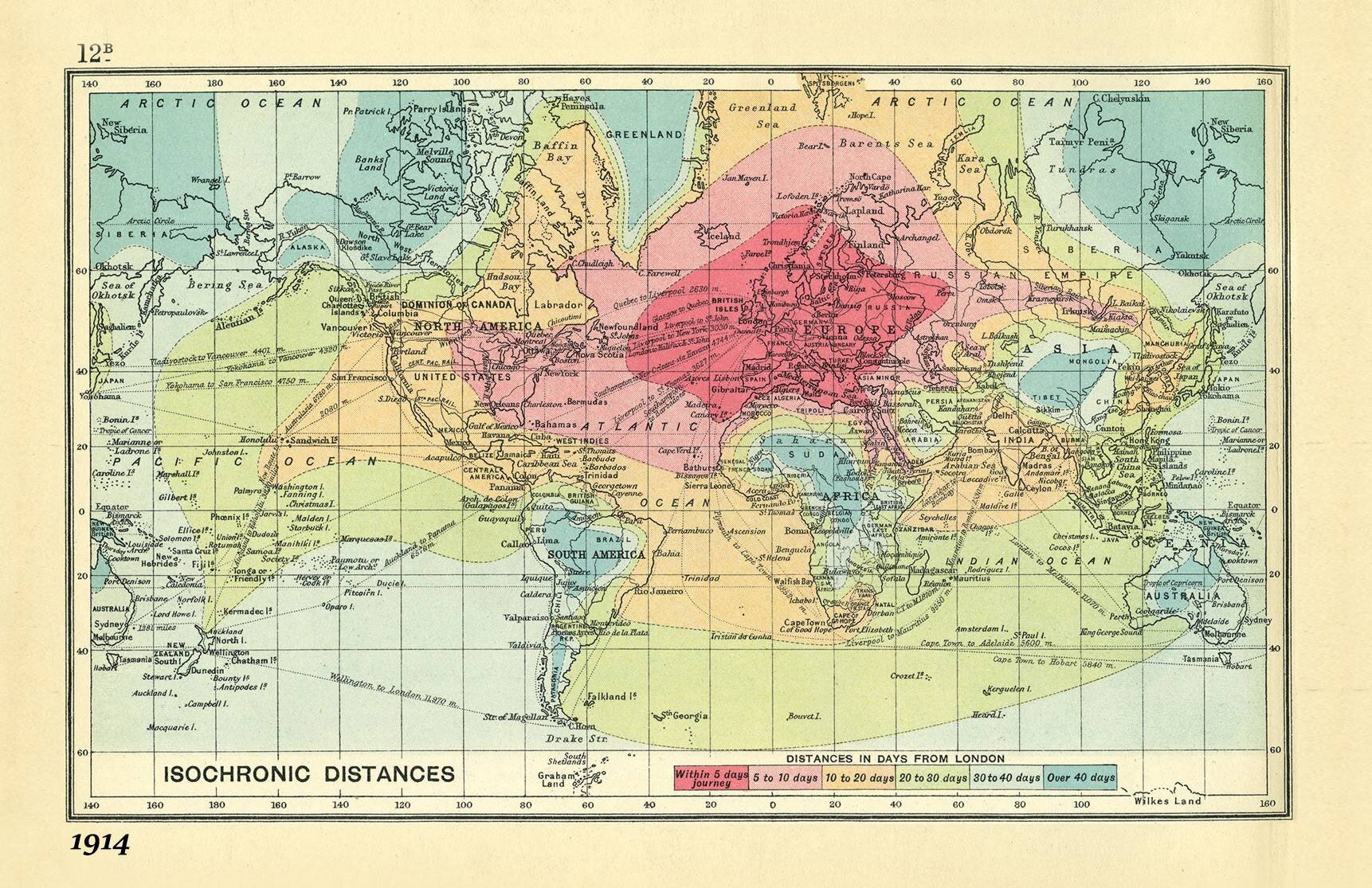
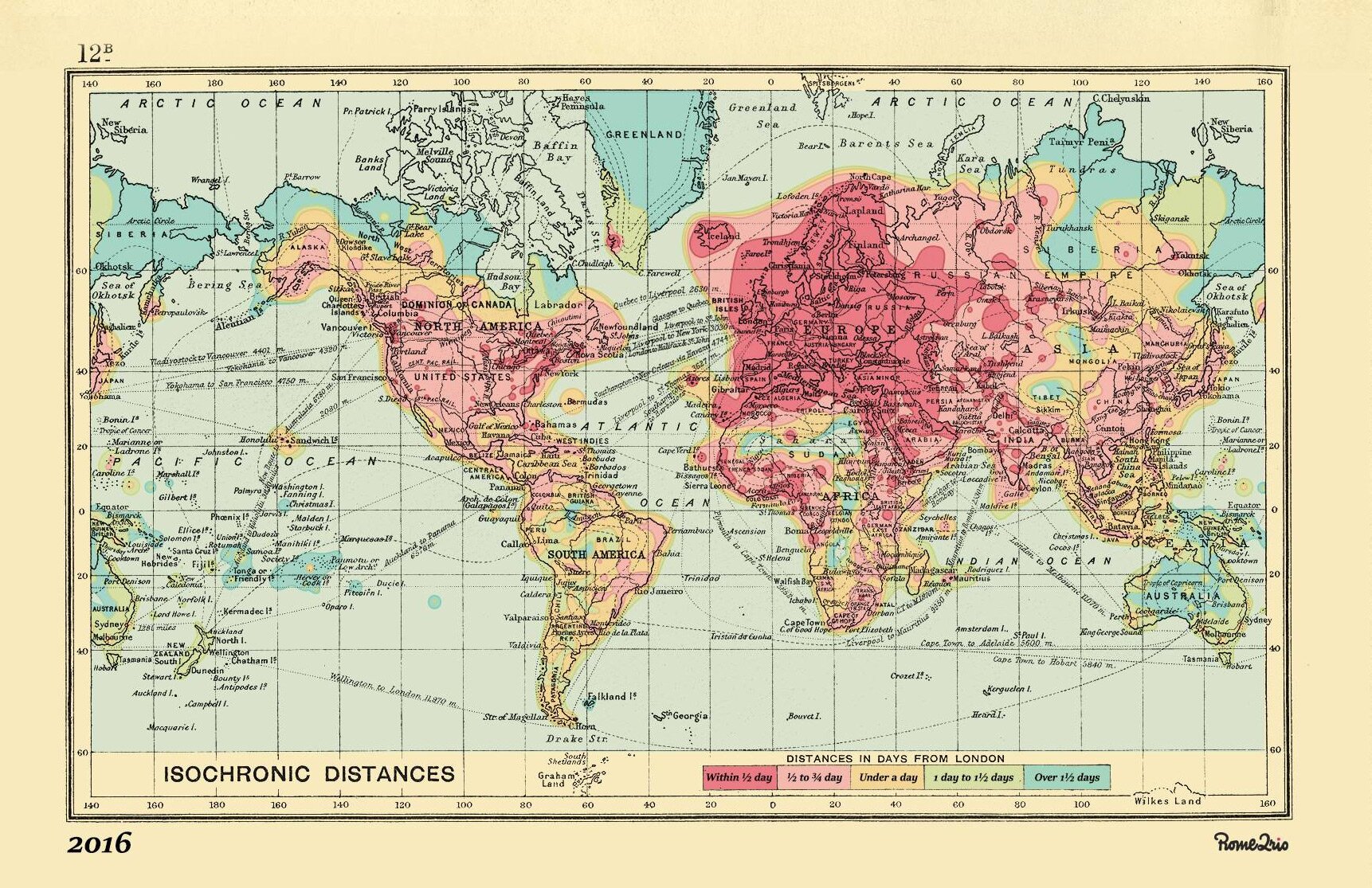
How long did it take to travel in 1914 from London to Moscow, San Francisco and Sydney, and how long in 2016? What contributed to the shortening of travel time?
Task 2

Keeping in mind the development of ways of communicating information between people, say how you would explain the claim that with the development of radio and television, the Earth has become a global village.

Task 3

Find out more about renewable energy sources

The use of renewable energy sources RESRESRES seems to be a solution that will become common in the near future due to ecological, economic and health benefits. They are not only a chance to reduce pollution of our planet but also a safe and inexhaustible source of energy.

RV6vKPkdxjGP91
Fotografie przedstawiające odnawialne źródła energii. Na fotografii znajdują się dodatkowe opisy. 1. Solar energy. It is one of the most promising sources of RES providing electricity and heating. For the direct conversion of solar energy into electricity, the photovoltaic cell is used, and the solar collector for the thermal energy.2. Wind energy. The use of wind masses and wind energy has been known to man since antiquity, and the first of their examples were sailing boats. Transforming it into electricity using wind turbines is an increasingly popular solution due to the uncomplicated construction and operation of equipment. In 2015, wind energy provided 3.5% of global electricity demand to mankind, and Denmark was the leader in its production, in which more than 49% of energy was generated in this way. 3. Biofuel. It is a fuel resulting from the processing of products of living organisms - plants, animals or microorganisms. Biofuel is also added to traditional fuels, such as crude oil, and is used to reduce the dependence on it. The most efficient biofuels are obtained from algae and other microorganisms, in a special classification they include so‑called third generation. 4. Energy of sea currents, tides and waves. Energy obtained through underwater mills and turbines powered by currents and sea waves. Due to the dangers of storms, variations in wave heights and the strength of such power plants, they are not used in the production of electricity on an industrial scale. 5. Geothermal energy. It is the thermal energy of rocks, waters and soil beneath the surface of the Earth. It is the largest source of energy in seismically and volcanically active countries, i.e. Iceland or the Philippines. The most popular way to obtain it is to create wells for tanks with hot water which after „taking” its heat is pumped back into the ground. 6. Hydropower. Otherwise called hydropower, uses the mechanical energy of flowing water, often based on its artificial accumulation thanks to water dams. In many areas rich in hydro energy, industrial centers are growing, attracted not only by environmental protection but also by low electricity prices.
Exercise 1
Powiedz, które zdania pasują do właściwego miejsca w tabeli:
RjGL7RpVIOrja
Chances of globalization Możliwe odpowiedzi: 1. Losing the importance of states for transnational interests, 2. Mass culture displacing the national culture, 3. Development of scientific research and international cooperation, 4. Getting to know distant cultures, 5. Dissemination of democracy, 6. The deepening gap between rich and poor countries, 7. Helping poor societies in different corners of the world, 8. Peaceful coexistence of countries in the world, 9. Dissemination of the civilizational achievements, 10. The disappearance of different cultures, 11. The concentration of profits in the hands of the richest Threats of globalization Możliwe odpowiedzi: 1. Losing the importance of states for transnational interests, 2. Mass culture displacing the national culture, 3. Development of scientific research and international cooperation, 4. Getting to know distant cultures, 5. Dissemination of democracy, 6. The deepening gap between rich and poor countries, 7. Helping poor societies in different corners of the world, 8. Peaceful coexistence of countries in the world, 9. Dissemination of the civilizational achievements, 10. The disappearance of different cultures, 11. The concentration of profits in the hands of the richest

Keywords

globalizationglobalizationglobalization, global village, mass mediamass mediamass media, Internet, RES

Glossary

Globalization
Globalization
RjbW9ffjJcoY5
Nagranie słówka: Globalization

Globalizacja – proces polegający na współzależności i integracji społeczeństw i państw w skali całego świata. Prowadzi to do „zmniejszania się” świata i tworzenia jednego wspólnego światowego społeczeństwa. Przyjmuje się, że proces ten zapoczątkowały wielkie odkrycia geograficzne.

Global village
Global village
R1NKK1qyqJLiA
Nagranie słówka: Global village

Globalna wioska – pojęcie opisujące zanik granic oraz barier czasowych i przestrzennych na rzecz masowej, powszechnej komunikacji i dostępności dóbr. Potocznie odnosi się on do opisania Internetu, pozwalającego na szybką komunikację ludzi na całym świecie.

Mass media
Mass media
R1Lm1pcVOqtoG
Nagranie słówka: Mass media

Mass media – środki masowego przekazu są elementem kultury masowej przekazującym informacje i umożliwiającym komunikowanie się. Zaliczamy do nich prasę, radio, telewizję oraz Internet. Często nie tylko przekazują informacje, ale również wywierają wpływ na społeczeństwo poprzez swoją powszechność i zasięg.

Internet
Internet
RSt1LOzqeGSFD
Nagranie słówka: Internet

internet – zwany inaczej siecią, to system połączeń między komputerami na całym świecie umożliwiający przesył i wymianę informacji. Jego początki sięgają lat 60. XX wieku i związane są z utworzeniem sieci ARPANET w Stanach Zjednoczonych.

RES
RES
R1JaXGEYZLux2
Nagranie słówka: RES

OZE – odnawialne źródła energii, których wykorzystanie nie wiąże się z ich stratą. Zaliczamy do nich m.in. promienie słoneczne, wiatr i źródła geotermalne.