See not only yourself
Draw a picture showing the value that is the most important in your life.
How can you explain to a little child what the money is? Write your suggestions.
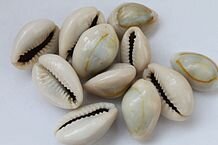
One of the oldest form of money were the cowrie shells. The string of shells consisting from five to ten shells, was the basic monetary unit in the period of the Shang dynasty (from the 17th to 11th century B.C.) in China. In Egypt and Mesopotamia, in the second millennium BC, the bronze rings (easy to carry after being strung on a wire loop), appeared. Their value was determined according to their weight. The first real coinscoins were used in the kingdom of Lydia, located in the modern western Turkey, around 650 year B.C. They came in the form of small nuggets, similar to peas, and were made of electrum (natural alloy of gold and silver). The first paper money was introduced by the Chinese (the first attempt was in the 1st century B.C.).
Use any English Language Dictionary, and explain the following terms:
What colloquial terms for money do you know?
There are many sayings and idioms related to money. Check if you know them.
Assign the given idioms to their meanings.
to have a lot of money, to know someone very well, especially to know someone from the wrong side, having no money, to share one's opinion when it is unasked for, a small monetary contribution from someone who is poor, if you have money, you can use it to get more money, for a very small amount of money
| za psie pieniądze | |
| nie mieć grosza (przy duszy) | |
| znać kogoś jak zły szelg | |
| wtrącać swoje trzy grosze | |
| pieniądz robi pieniądz | |
| wdowi grosz | |
| mieć pieniędzy jak lodu |
We have already discussed things that are important to you. Let’s check what may happen if money becomes the most important value in life.
Read the text and answer the questions:
How did the father explain to his child what money was?
Against what would father want to warn a child?
Lusterko i pieniądzeBajka żydowska
Pewnego razu małe dziecko zapytało swego ojca:
– Tato, co to są pieniądze?
Ojciec zastanawiał się przez chwilę, a potem wziął kawałek zwykłego szkła i podniósł go do oczu dziecka, prosząc je:
– Popatrz przez nie!
Dziecko mogło zobaczyć przez szkło i swojego ojca, i ludzi, którzy przechodzili ulicą, i przejeżdżające nią pojazdy.
Potem ojciec wziął srebrną farbę i pokrył nią całą powierzchnię jednej strony szkła, żeby zrobić z niej podlew lusterka.
– Popatrz teraz – poprosił.
Ale w tak utworzonym lustrze dziecko widziało już tylko własną twarz.
– To jest właśnie niebezpieczeństwo, które niesie ze sobą pieniądz – powiedział ojciec. – Prowadzi ono do tego, że widzisz już tylko samego siebie.Source: Michel Piquemal, Lusterko i pieniądze, Warszawa 2004.
People should not see only themselves in life. According to you, how they should act to comply with this rule?
Complete the definitions of “altruist” and “egoist”. Remember their meaning.
another’s, his own, person, person, bad, welfare, devoted, selfish, others
Altruist - a ...................... unselfishly concerned for or ...................... to the ...................... of others
Egoist - a ...................... who places ...................... good over the good of ......................, a ...................... person.
Today you have learnt some new words and idioms. Check if you remember them.
| waluta | currency |
| bilon | specie |
| drobne | change |
| banknot | bank note |
| moneta | coin |
| altruista | altruist |
| egoista | egoist |
| wartość | value |
| psie pieniądze | a pittance |
| nie mieć grosza przy duszy | to be penniless |
| wdowi grosz | widow’s mite |
| wtrącać swoje trzy grosze | add one's two penny worth |
| mieć pieniędzy jak lodu | to roll in money |
Keywords
values, money, altruist, egoist, coins
Glossary
pieniądze
bogactwo
waluta
bilon
gotówka
drobne
banknot
ćwiartka, ćwierć
kasa
altruista
egoista
wartość
przyjaźń
miłość
rodzina
zdrowie
radość
szczęście
wolność