Prevention of respiratory diseases
the pathways leading the air to the lungs cleanse, heat and moisturize it;
the greater the lung capacity, the more efficient the organism;
respiratory infections include, among others, runny nose, inflammation of the throat and lungs.
name the factors conditioning the efficiency of the respiratory system;
explain why it is worth breathing with the diaphragm;
describe selected respiratory diseases;
explain the harmfulness of tobacco smoke.
Internal factors affecting the condition and functioning of the respiratory system
Internal and external factors influence the proper functioning of the respiratory system. The first ones are: properly developed lungs, well‑developed chest, strong respiratory muscles. Their condition and activity are improved with regular physical exercise. Movement activity strengthens the diaphragm and other respiratory muscles, and thus the ability of the chest to expand, which leads to an increase in lung capacitylung capacity. This facilitates gas exchange. The improvement in the quality of the respiratory system may be affected by systematic simple breathing exercises.
In women (especially in pregnancy), the most common is breast breathing because it involves mainly intercostal muscles. In men, during breathing movements of the diaphragm responsible for abdominal breathing prevail. Diaphragmatic breathingDiaphragmatic breathing involves deep air inhaling and better body oxygenation. It allows making a very loud (powerful) scream, sing, talk for a long time without any harm to your health. It helps in the fight against stress and it relaxes. It is therefore worth learning to properly breathe with the diaphragm.
A comparison of pulmonary and abdominal breathing performance.
you,
other person to measure time,
stopwatch.
Take a deep breath, stretching only the upper chest as far as possible. Immediately after that, shout as loud as possible and let the other person measure the time of shouting.
Take a deep breath in the stomach, using only the diaphragm if possible. Immediately after that, shout as loud as possible and let the other person measure the time of shouting.
Diaphragmatic breathing increases the volume of air being drawn in.
External factors affecting the condition and functioning of the respiratory system
External factors to which the respiratory system is exposed can be divided into non‑infectious air pollution – dust, gas, and infectious – viruses, bacteria and fungi.
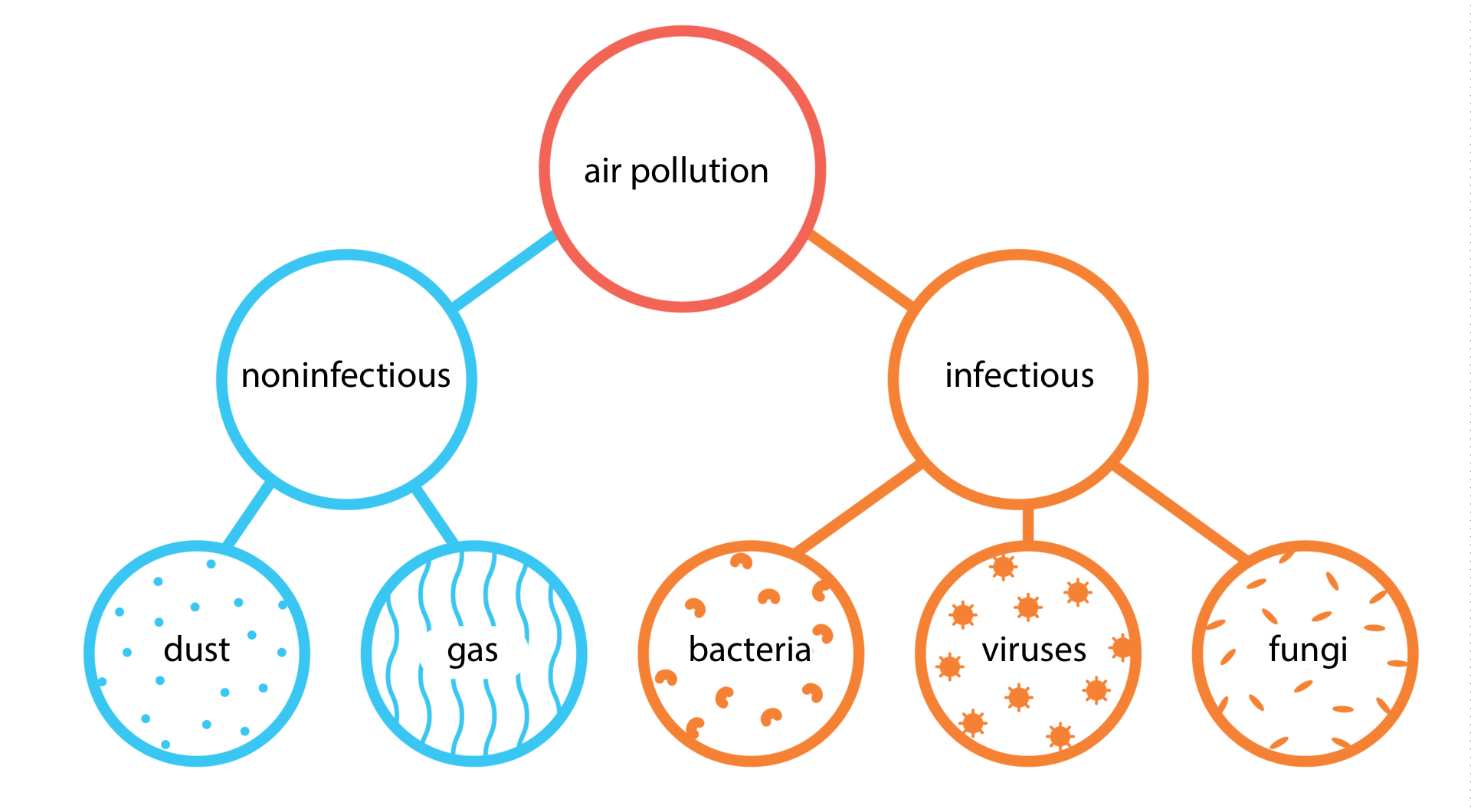

Dust pollution includes dust generated, for example, during metalworking in the metallurgical industry, dust and volcanic ashes, dust raised by the wind in the streets, pollen from plants, exfoliating epidermis, animal dander. Gas refers to gases the content of which in the air exceeds the acceptable standards, e.g. carbon monoxide and dioxide, sulphur oxides and nitrogen oxides. Particularly dangerous for life is odorless carbon monoxidecarbon monoxide. It combines with hemoglobin faster and more stable than oxygen. A respiratory dye blocked this way cannot attach and deliver oxygen molecules to the cells. This leads to hypoxia and can cause death. Carbon dioxide, although not toxic when low in concentrations, in high concentrations also results in hypoxia of the body. The increase in its volume is accompanied by a decrease in the oxygen content in the air.
Dust and gas impurities cause impaired lung ventilation and gas exchange. They can lead to allergy and asthma. Bacteria, viruses and fungi that get into the body as they are airborne cause infectious respiratory diseases: pneumonia, bronchitis, angina, runny nose, influenza and tuberculosis.
Name of the disease | Causes | Symptoms | Prevention |
Allergy | grass pollen, animal hair, house dust mite | runny nose, watery eyes, skin rash, shortness of breath | avoiding contact with an allergen, ventilation of rooms |
Asthma bronchial | untreated allergies | wheezing, breathlessness | avoiding contact with an allergen, ventilation of rooms |
Rhinitis (cold) | viruses, allergens | leak of fluid nasal discharge | avoidance of contact with allergens (with allergic rhinitis) and patients, compliance with basic hygiene rules |
Throat inflammation | bacteria, viruses | sore throat, difficulty swallowing, fever | avoiding the consumption of cold drinks and foods, cooling and overheating, avoiding contact with patients |
Bronchitis | viruses, bacteria | dry cough or cough with expectoration secretions, runny nose, fever | avoiding cigarette smoke, chilling and overheating of the body and being in a dusty environment, avoiding contact with patients |
Pneumonia | bacteria, viruses | fever, cough, dyspnoea | avoiding hypothermia and overheating of the body, curing to the end of other diseases of the respiratory system, especially influenza, avoiding contact with patients |
Tuberculosis | bacteria – tuberculosis mycobacteria | chronic cough, chest pain, fever, weight loss | protective vaccinations, radiological examination (Rtg) of the lungs |
Diseases of the respiratory system are a serious problem. This applies to respiratory allergies, occupational diseases of the respiratory system associated with environmental pollution, and in recent years also tuberculosis.
In developed countries, there is a decrease in the incidence of this dangerous disease. The incidence of tuberculosis in Poland is also decreasing, yet in the European Union the largest number of patients come from Poland, Romania and the United Kingdom. It is estimated that every third person is the carrier of tubercle bacillus. This disease develops during the decline of immunity of the organism caused by, among others, poor diet, stress, lack of exercise in the fresh air and other serious diseases (AIDS, cancer). Increasingly, it also proves to be a drug‑resistant disease. In Poland, children up to 1 year of age are vaccinated against tuberculosis, and such a vaccine works for 15 years.
Most respiratory diseases can be controlled and treated. Many can also be prevented by trying to eliminate risk factors, for example:
avoiding contact with sick people,
airing rooms,
avoiding being in groups of people smoking cigarettes,
limiting contact with allergenic factors (removal of carpets from your room, frequent vacuuming),
protective vaccinations,
proper nutrition,
physical exercise, especially in the open air.
In the prevention and diagnosis of respiratory diseases, a significant role is played by chest radiographschest radiographs, which allow assessing lung condition and detect irregularities in their structure.
Insert factors into the appropriate groups.
dust, bacteria, gases, fungi, viruses
| Infectious agents | |
|---|---|
| Non-infectious factors |
The effects of smoking tobacco
The efficiency of the respiratory system decreases when cigarette smoke is present in the air, the deadly effect of which influences both active and passive smokers, that is, people who are in the company of smokers. Cigarette smoke consists of over 4,000 chemical compounds, including almost 60 substances with a proven carcinogenic effect. The addictive factor is nicotinenicotine. Toxic components include carbon monoxide and hydrogen cyanidehydrogen cyanide. In addictive smokers, as much as 15% of hemoglobin can be associated with carbon monoxide, which significantly reduces body efficiency.
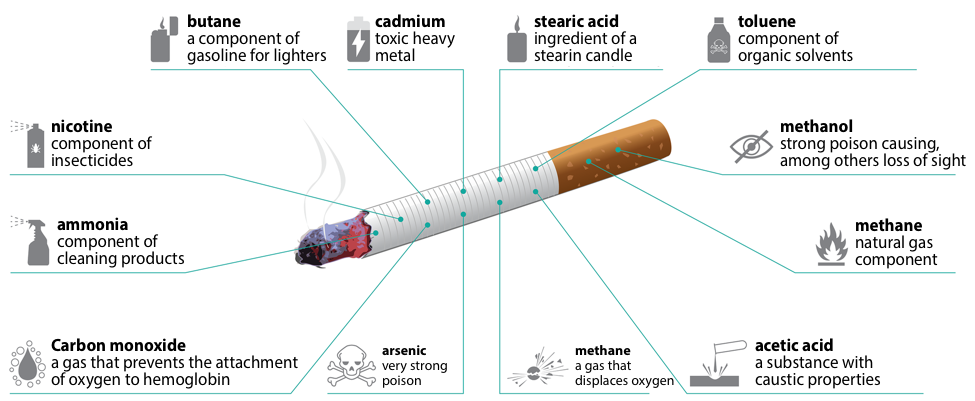
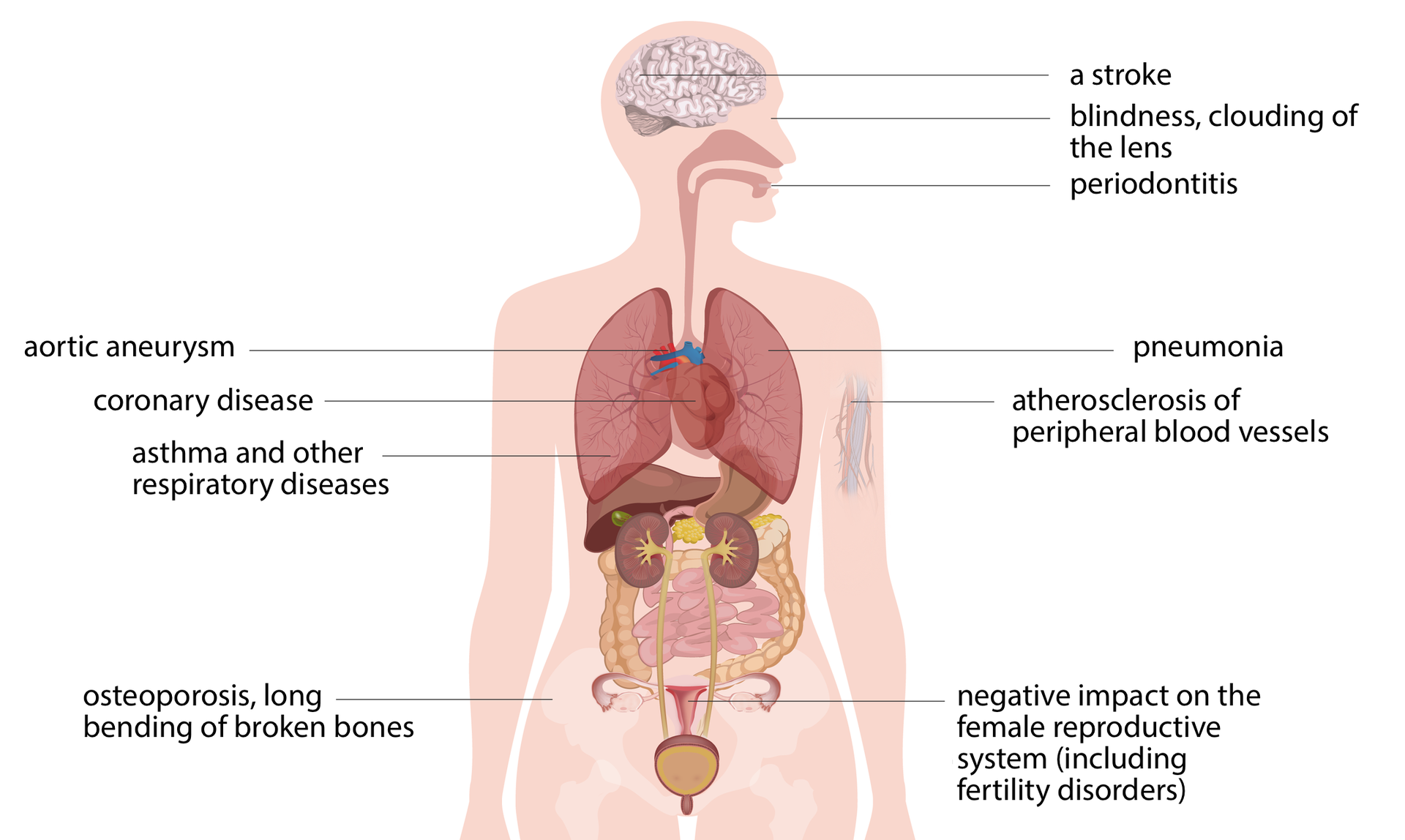
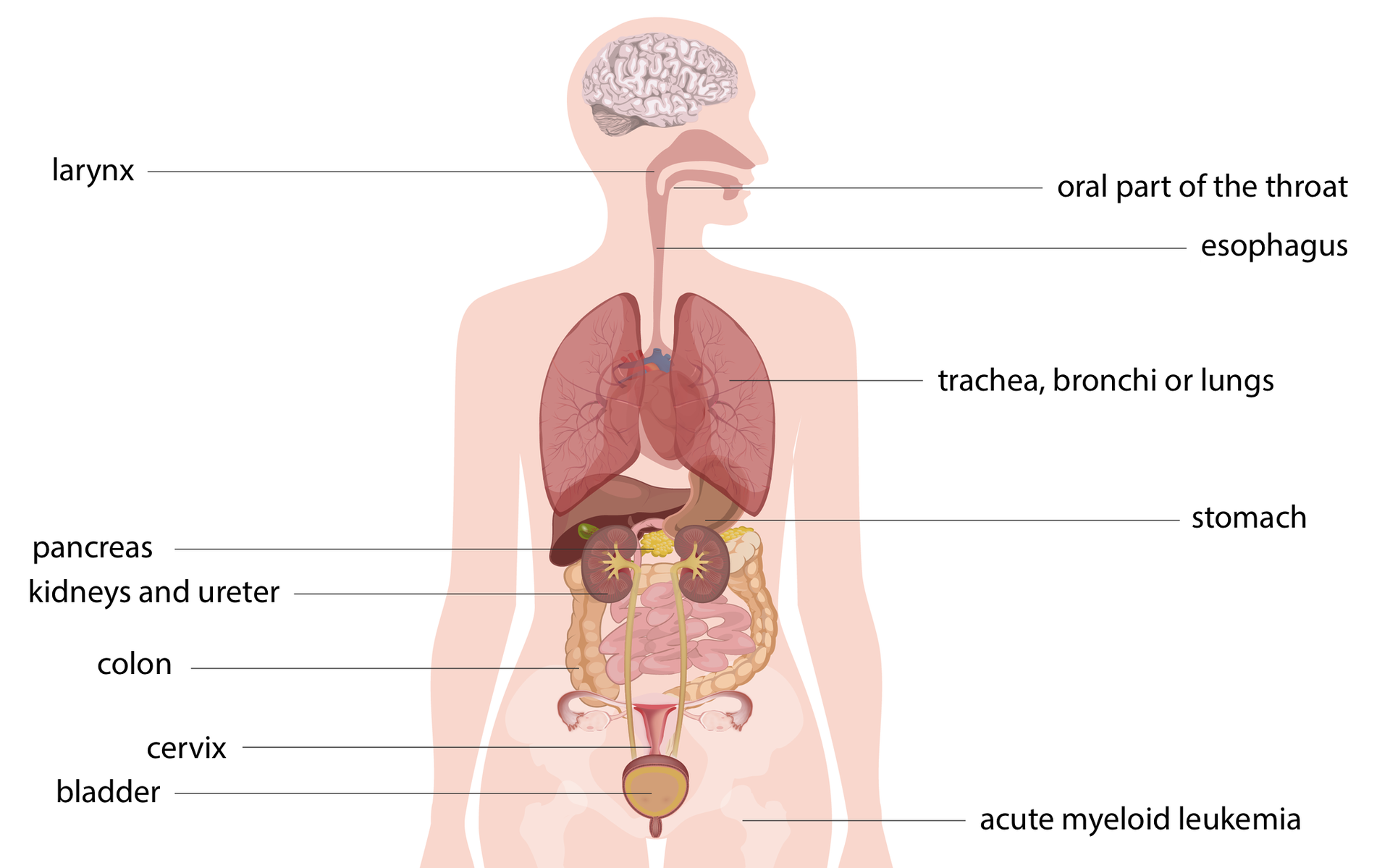
Active smoking can lead to cancers of lungs, larynx, esophagus, throat, oral cavity, pancreas and bladder. It increases the risk of the cardiovascular disease, may lead to reduced fertility, delayed fetal development and low birth weight of newborns. In Poland, almost half of premature deaths of middle‑aged people are caused by cigarette smoking, and lung cancer is the most common malignant tumour in men. When inhaling smoke, passive smokers are exposed to an increased risk of upper respiratory tract diseases. Components of inhaled smoke exacerbate attacks of asthma and cough. In children there is greater susceptibility to sinusitis, bronchitis and lungs increases. Even short‑term smoking has negative effects on the body: smokers have unpleasant breath, grey and quickly ageing skin, dark coating on the teeth and often get respiratory infections.
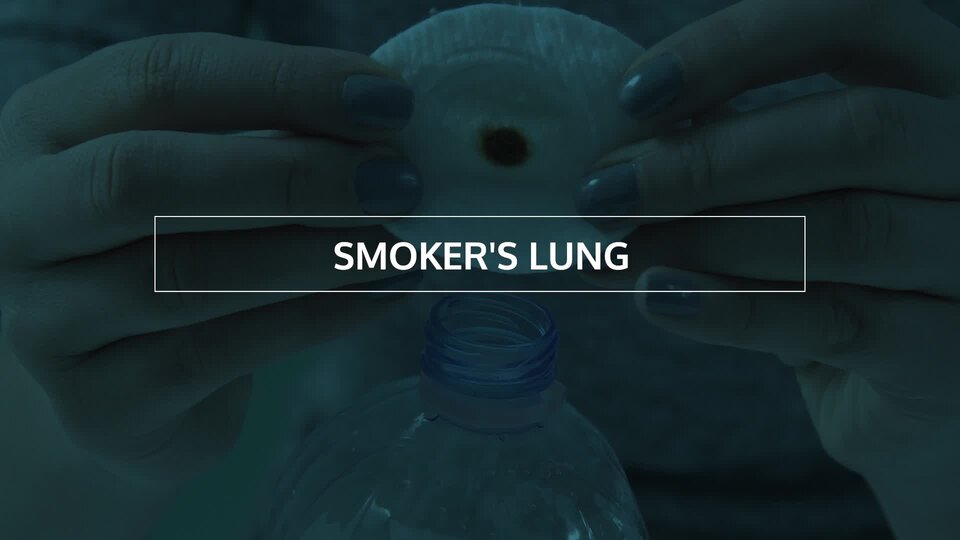
Watch a video showing the lung model while smoking cigarettes. Say how smoking affects the lungs.
Film dostępny na portalu epodreczniki.pl
Nagranie filmowe przedstawia płuco palacza, jak domowym sposobem pokazać substancje smoliste wdychane przez palacza papierosów. Potrzebujemy: papieros słomka butelka wacik plastelina klips biurowy wiertarka zapalniczka nożyczki Wydrążamy wiertarką dziury w zakrętce oraz butelce, wkładamy słomkę. Połączenie obklejamy plasteliną. Na górę słomki wkładamy papierosa. Drugą słomkę w ten sam sposób wkładamy do butelki i obklejamy plasteliną. Na górze słomki wkładamy klipsa. Do butelki wlewamy wodę i zakręcamy butelkę. Zapalamy papierosa, znajdującego się na zakrętce. Po pewnym czasie odkręcamy butelkę i w miejsce zakrętki, kładziemy wacik i ponownie zakręcamy butelkę.
Get familiar with the myths and facts about smoking cigarettes. Maybe you can add other points to this list?
Choose arguments against smoking that are the most convincing for young people.
Evaluate the truth of the entries below and mark the answer: true or false.
| True | False | |
| Currently, cigarettes have excellent protection in filters to protect against the absorption of harmful substances. | □ | □ |
| If a packet of cigarettes costs 14 PLN, a smoker who smokes 20 cigarettes per day spends 5,110 PLN a year on tobacco. | □ | □ |
| Smoking cigarettes without inhaling the smoke limits the harmful effects of smoking. | □ | □ |
| Cigarette smoking by teenagers is proof of their independence. | □ | □ |
Summary
Physical activity increases lung ventilation and its capacity.
Environmental pollution can cause a respiratory disease.
Tuberculosis is a serious disease that can be prevented by taking protective vaccinations and periodic lung X‑ray tests and leading a healthy lifestyle.
Tobacco smoke contains many irritating, toxic, carcinogenic and addictive substances.
Keywords
nicotine, diaphragmatic breathing, cigarette smoking
Glossary
badanie radiologiczne – badanie, które polega na prześwietleniu ciała pacjenta za pomocą promieni rentgenowskich; wynik prześwietlenia utrwala się na kliszy lub zapisuje cyfrowo; stosowane głównie w diagnostyce płuc, serca i układu kostnego.
cyjanowodór – silnie toksyczny związek chemiczny o zapachu gorzkich migdałów, blokujący przenoszenie tlenu z krwi do komórek.
nikotyna – substancja zawarta w korzeniach i liściach tytoniu, wykazująca działanie pobudzające i uzależniające; stosowana jako składnik środków owadobójczych.
oddychanie przeponowe – oddychanie z wykorzystaniem głównie przepony; ułatwia mówienie, zmniejsza stres i napięcie.
pojemność płuc – całkowita objętość powietrza, jaką są w stanie pomieścić płuca.
tlenek węgla – tlenek węgla(II); bezbarwny, bezwonny gaz o silnie toksycznym działaniu, łączący się trwale z hemoglobiną.