Plik audio
bg‑azure
In this section, you are going to learn more about how to be an ethical consumer. Play the recordings and find out what people think about this concept.
W tej sekcji dowiesz się więcej o tym, jak być etycznym konsumentem lub konsumentką. Odtwórz nagrania i sprawdź, co ludzie myślą o tej koncepcji.
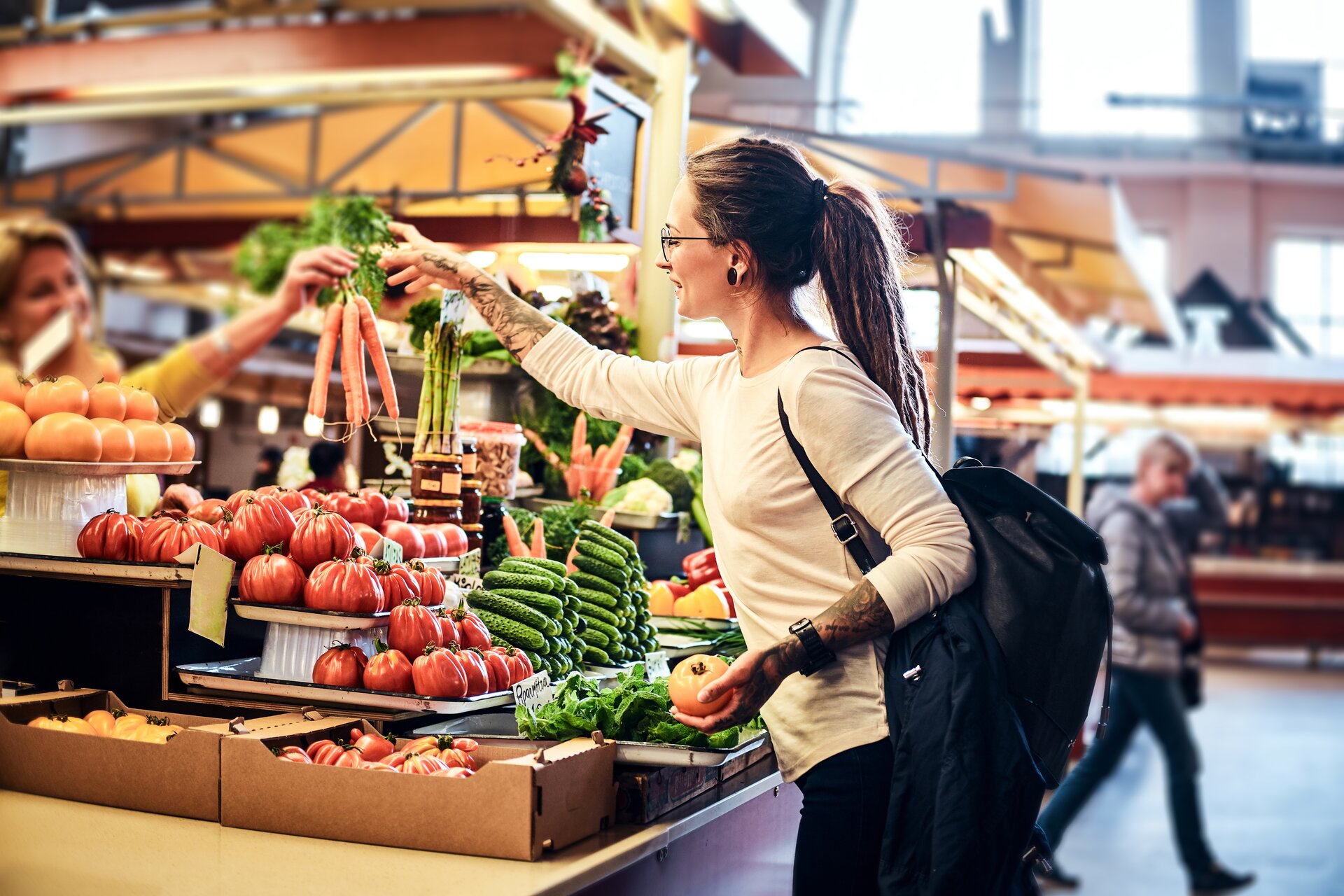
How to be an ethical consumer?
Jak być etycznym konsumentem/konsumentką?
Źródło: dostępny w internecie: www.freepik.com [dostęp 19.08.2022], domena publiczna.
Exercise 1
Źródło: GroMar Sp. z o.o., licencja: CC BY-SA 3.0.
Exercise 2
Źródło: GroMar Sp. z o.o., licencja: CC BY-SA 3.0.
Exercise 2
Źródło: GroMar Sp. z o.o., licencja: CC BY-SA 3.0.
Speaker 1
Speaker 2
Speaker 3
Speaker 4
Exercise 3
- You can save money and protect the environment if you buy 1. local communities, 2. income, 3. artisans, 4. organic, 5. exchange party, 6. boycotting, 7. pre-loved, 8. palm oil goods from flea markets or charity shops.
- If you want to swap clothes with friends, throwing a clothes 1. local communities, 2. income, 3. artisans, 4. organic, 5. exchange party, 6. boycotting, 7. pre-loved, 8. palm oil is a great idea.
- More and more consumers try to avoid products containing 1. local communities, 2. income, 3. artisans, 4. organic, 5. exchange party, 6. boycotting, 7. pre-loved, 8. palm oil.
- For a product to be called 1. local communities, 2. income, 3. artisans, 4. organic, 5. exchange party, 6. boycotting, 7. pre-loved, 8. palm oil it must not contain hormones, antibiotics, or GMOs.
- Buying fair trade cosmetics, bracelets, cards, or other similar products causes 1. local communities, 2. income, 3. artisans, 4. organic, 5. exchange party, 6. boycotting, 7. pre-loved, 8. palm oil to be paid adequate money for their work.
- It’s not uncommon that fair trade is the only source of 1. local communities, 2. income, 3. artisans, 4. organic, 5. exchange party, 6. boycotting, 7. pre-loved, 8. palm oil for disadvantaged communities.
- One way to show your opposition to using child labour or harming the environemt is 1. local communities, 2. income, 3. artisans, 4. organic, 5. exchange party, 6. boycotting, 7. pre-loved, 8. palm oil companies which use such methods.
- If you buy products from small, independent producers, more money will stay in 1. local communities, 2. income, 3. artisans, 4. organic, 5. exchange party, 6. boycotting, 7. pre-loved, 8. palm oil.
Źródło: GroMar Sp. z o.o., licencja: CC BY-SA 3.0.
Exercise 4
Answer the questions below. Write 2–3 sentences in each case.
Do you ever buy clothes in second‑hand shops, or use an app to buy or sell clothes? Why? Why not?
When was the last time you bought something handmade? What was it? Where did you buy it?
Do you usually buy products from big or small, local companies? Why?
Źródło: GroMar Sp. z o.o., licencja: CC BY-SA 3.0.