Przeczytaj
When studying history, we often focus on the Europeans and their influence on the world, giving little attention to those who came before them. The truth is, however, that every location settled by the English, French, or Spanish had already been inhabited by indigenous peoples. To this day, those remain the groups with separate cultures, traditions, histories, and languages. Who are they? In this section, you’re going to read the text about Aboriginal, Māori, and Inuit peoples.
Kiedy uczymy się historii, często skupiamy się na Europejczykach i ich wpływie na świat; nie zwracamy za to uwagi na tych, którzy byli przed nimi. Tymczasem każde miejsce zasiedlone w procesie kolonizacji przez Anglików, Francuzów czy Hiszpanów było już wcześniej zamieszkane przez ludy tubylcze. Po dziś dzień grupy te zachowują odrębną kulturę, tradycje, mają swoją historię i język. Kim są? W tej sekcji przeczytasz tekst o Aborygenach, Maorysach i Inuitach.
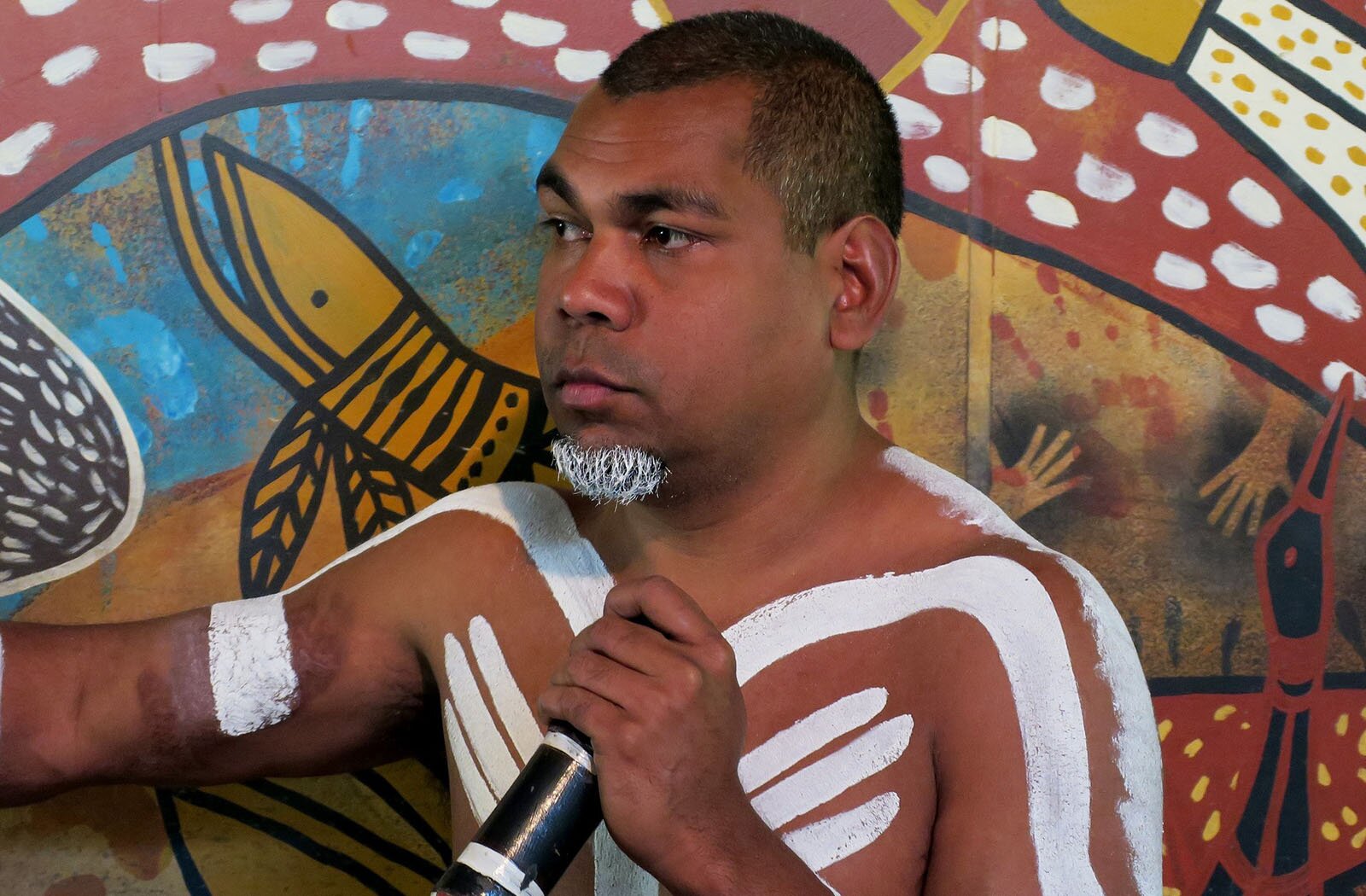
Read the text below and do the exercises.
Indigenous PeoplesAboriginal PeoplesAboriginal Peoples
Aboriginal peoples form the oldest living culture in the world, consisting of different peoples inhabitinginhabiting mainlandmainland Australia and many of its islands such as Tasmania (but without the Torres Strait Islands – people who live in this location are ethnically and culturally distinctethnically and culturally distinct). Interestingly, it was only in the past two hundred years that those groups started to share a collective identityshare a collective identity. Before that, self‑identificationself‑identification largely relied on kinship systemsrelied on kinship systems, religious beliefs, and regional cultures.
In broad terms, the Aboriginal peoples share a few common characteristics. One of them is what they refer to as “being on the country.” While in the West the land and the people are perceived as separateare perceived as separate, the Aboriginal Australians see it as one. To them, the land they live on holds their stories, customs, ancestors, and religion. As such, the Aboriginal peoples share a specific worldview that emphasises the holistic nature ofemphasises the holistic nature of the land and its inhabitants.
This approach largely affects the Aboriginal culture and art. Traditional beliefs are passed downare passed down by dancing, songlines, and artistic practices such as dot paintingdot painting. We refer to all of the above as Dreamtime. The Aboriginal Australians are also known for their crafts, such as the traditional basket weavingbasket weaving as well as cuisine referred to as bush tuckerbush tucker. Historically, the indigenous people relied on local plants and wildlife to survive. The knowledge of which mushrooms, berries, seeds – or even animals such as birds or lizards – one can eat has been passed down through generations. Today, this knowledge is reflected inis reflected in many of the local dishes.
MāoriMāori
The Māori are the indigenous Polynesian people who live in mainland New Zealand. Centuries of being away from other people have led to the development of a distinct culture that deeply rooted in spiritual beliefsdeeply rooted in spiritual beliefs. The word “māori” itself means “normal” or “natural”, emphasising the differenceemphasising the difference between ordinary humansordinary humans and deitiesdeities. As such, the Māori people have great respect for the ancient beliefs and undergo many ceremonies and rituals in their daily life. For example, it’s a common practice to remove one’s shoes when entering a meeting house to show respect for the spirits of the ancestorsspirits of the ancestors.
Indeed, the Māori pay great attention to tradition, the best example of which is a ceremonial danceceremonial dance called haka. Historically, it’s been performed by both men and women for a variety of social occasions such as great achievements or even funerals. Haka is recognized globally due to New Zealand’s sports teams performing it before their matches.
It is, however, only a part of a fascinating and vibrant culturevibrant culture. For example, the Māori engage in kapa haka, performance artperformance art that celebrates their heritageheritage and culture with the use of song and dance. They’re also known for their involvement in theatre, with many companies focusing on traditional story‑telling and puppetrypuppetry. In recent years, the Māori culture has been becoming active again with great attention paid to language.
InuitInuit
The Inuit are a large indigenous group who live in the arctic and subarctic regionssubarctic regions of such places as Greenland, Alaska, and Labrador. The harsh living conditionsharsh living conditions as well as long isolation influenced the Inuit people in a big way and led to the development of a culture revolving, in large part, around survivalsurvival.
One of the most impressive elements of the Inuit culture has always been using whatever is available to thrive inthrive in the unforgiving environmentunforgiving environment. As such, the indigenous people have traditionally relied on animals in all aspects of their lives. For example, to travel, they would build extraordinarily buoyant boatsextraordinarily buoyant boats using wood and sea animals’ skin. They called them qajaq – a predecessor topredecessor to the contemporary kayak. They would also rely on dog sledsdog sleds for transportation and seals, walruseswalruses, and reindeer for food.
Nowadays, most Inuit people live in cities, take up salaried jobstake up salaried jobs, and enjoy contemporary comforts. However, many of them still embraceembrace the traditional ways of hunting, crafting, and eating what their ancestors would. For example, it’s been found that the Inuit metabolise fatsmetabolise fats faster than Europeans do, thanks to the long tradition of eating specific foods.
Źródło: Zuzanna Kościuk , dostępny w internecie: https://www.britannica.com/topic/Australian-Aboriginal [dostęp 6.10.2022], https://www.britannica.com/topic/Inuit-people [dostęp 6.10.2022], https://en.wikipedia.org/wiki/Kakiniit [dostęp 6.10.2022], https://www.takai.nz/find-resources/articles/koha-2/ [dostęp 6.10.2022], https://www.britannica.com/topic/Maori [dostęp 6.10.2022], https://www.indigenous.gov.au/contact-us/welcome_acknowledgement-country [dostęp 6.10.2022], licencja: CC BY-SA 3.0.
1. Native inhabitants of Australia base their identity on
a) ancestry
b) being a part of the land
c) the relationship between everything
d) the survival in a harsh environment.
2 .A diet consisting of local plants and wildlife
a) is called bush tucker
b) has roots in spiritual beliefs
c) helped Aboriginal Peoples survive
d) remains a part of contemporary cuisine.
The Māori
3. The word “māori”
a) translates to “normal”
b) emphasises the group’s beliefs
c) relates to spirituality
d) implies the relationship between people and the land.
4. Activity that embraces the Māori culture is
a) dot painting
b) haka
c) performance art
d) puppetry.
The Inuit
5. A crucial part of the Inuit culture is
a) relying on animals to survive
b) knowing how to survive in a harsh environment
c) performing a ceremonial dance before big events
d) hunting and crafting.
6. The Inuit
a) formed a culture based on survivorship
b) identify based on kinship relationships
c) embrace the old ways
d) enjoy contemporary life.
a) the Inuit.
b) the Māori.
c) Aboriginal peoples.
d) No group holds such beliefs.
2. Aboriginal Australians
a) inhabit mainland Australia and all of its offshore lands.
b) are different from the inhabitants of a specific Australian island.
c) are only those groups that inhabit mainland Australia.
d) have migrated from offshore lands to the Australian mainland.
3. The Māori have many customs and traditions that
a) relate to survival skills.
b) are based on their holistic beliefs.
c) revolve around survivorship.
d) honour those who came before them.
4. The Inuit are the inventors of
a) cuisine that relies solely on local plant life.
b) one of the most widespread boat types.
c) a specific type of performance art called haka paka.
d) a particular method of painting.
5. What all the groups have in common is
a) placing importance on traditional beliefs.
b) forming their cultures mostly around survival.
c) having a cuisine based solely on what’s available.
d) expressing themselves through performance art.
6. The above text couldn’t be found
a) in a geographic magazine.
b) in a cultural studies journal.
c) on a personal blog.
d) in a professional trade publication.
You’ve been asked to write a short post about a chosen indigenous group for your school’s blog. Pick one of the groups from the text and summarise the information about it in 4–5 sentences.
Słownik
/ ˌæbəˈrɪdʒn̩əl ˈpiːpl̩z /
Aborygeni (the different tribes living in Australia when Europeans arrived there, and their descendants)
/ a: pɑːst daʊn / / bi pɑːst daʊn frəm ˌdʒenəˈreɪʃn̩ tu ˌdʒenəˈreɪʃn̩ /
są przekazywane [być przekazywanym] z pokolenia na pokolenie (to teach or give something to someone who will be alive after you have died)
/ a: pəˈsiːvd əz ˈseprət / / pəˈsiːv əz ˈseprət /
są postrzegane jako odrębne [postrzegać jako odrębny/odrębną] (to be seen as different from each other)
/ ˈbɑːskɪt ˈwiːvɪŋ /
wyplatanie koszyków (the process of weaving or sewing pliable materials into baskets)
/ bʊʃ ˈtʌkə /
rodzima żywność pochodząca z Australii i spożywana przez jej pierwotnych mieszkańców (food, typically uncooked, from plants and animals native to the Australian outback)
/ ˌserɪˈməʊnɪəl dɑːns /
taniec ceremonialny (a dance form with a ritualistic purpose)
/ diːpli ˈruːtɪd ɪn ˈspɪrɪtʃʊəl bɪˈliːfs /
głęboko zakorzeniony/zakorzeniona w wierzeniach duchowych (formed, made, or developed by using spiritual beliefs as a basis)
/ ˈdiːɪtɪz / / ˈdiːɪti /
bóstwa [bóstwo] (a god or goddess in a polytheistic religion)
/ dɒg sledz / / dɒg sled /
sanie z psimi zaprzęgami [sanie z psim zaprzęgiem] (a sled pulled by dogs)
/ dɒt ˈpeɪntɪŋ /
technika kropkowa (an art technique relying on repeated imprints of a paint covered brush, dotting stick, or other implemented onto the surface of the painting)
/ ɪmˈbreɪs /
tu: cenić, przyjąć (np. spuściznę kulturową) (to accept willingly and enthusiastically)
/ ˈemfəsaɪzɪz ðə həʊˈlɪstɪk ˈneɪtʃər ɒv / / ˈemfəsaɪz ðə həʊˈlɪstɪk ˈneɪtʃər ɒv /
podkreśla holistyczną naturę [podkreślać holistyczną naturę] (to highlight the belief that parts of something are intimately interconnected and explicable only by reference to the whole)
/ ˈemfəsaɪzɪŋ ðə ˈdɪfrəns / / ˈemfəsaɪz ðə ˈdɪfrəns /
podkreślanie różnicy [podkreślać różnicę] (give special importance or value to differences)
/ ˈethetanɪkl̩i ənd ˈkʌltʃərəli dɪˈstɪŋkt /
etnicznie i kulturowo odrębny/odrębna (different by the virtue of having a different ethnic or cultural background)
/ ɪkˈstrɔːdnrəli ˈbɔɪənt bəʊts / / ɪkˈstrɔːdnrəli ˈbɔɪənt bəʊt /
nadzwyczaj wyporne łódki [nadzwyczaj wyporna łódka] (a boat that has no issue whatsoever with staying afloat)
/ hɑːʃ ˈlɪvɪŋ kənˈdɪʃn̩z /
surowe warunki życia (extremely difficult living conditions)
/ ˈherɪtɪdʒ /
dziedzictwo (tu: kulturowe) (features belonging to the culture of a particular society, such as traditions, languages, or buildings, that were created in the past and still have historical importance)
/ ɪnˈdɪdʒɪnəs ˈpiːpl̩z / / ɪnˈdɪdʒɪnəs ˈpiːpl̩ /
rdzenne ludy [rdzenny lud] (distinct social and cultural groups that share collective ancestral ties to the lands and natural resources where they live, occupy or from which they have been displaced)
/ ɪnˈhæbɪtɪŋ / / ɪnˈhæbɪt /
zamieszkujący [zamieszkiwać] (to live in a particular place)
/ ˈɪnjuɪt /
Inuici (a group of culturally similar indigenous peoples inhabiting the Arctic and subarctic regions of Greenland, Labrador, Quebec, Nunavut, the Northwest Territories, and Alaska)
/ ɪz rɪˈflektɪd ɪn / / bi rɪˈflektɪd ɪn /
znajduje odzwierciedlenie w [znajdować odzwierciedlenie w] (to show, express, or be a sign of something)
/ ˈmeɪnlænd /
stały ląd (a large continuous extent of land that includes the greater part of a country or territory, as opposed to offshore islands and detached territories)
/ ˈmaʊri /
Maorysi (indigenous Polynesian people of mainland New Zealand)
/ məˈtæbəˌlaɪz fæts /
metabolizować tłuszcze (to process fats)
/ ˈɔːdɪnri ˈhjuːmənz / / ˈɔːdɪnri ˈhjuːmən /
zwykli ludzie [zwykły człowiek] (a regular person unlike a deity)
/ pəˈfɔːməns ɑːt /
sztuka sceniczna (an art form that combines visual art with dramatic performance)
/ ˈpriːdɪsesə tuː /
poprzednik/poprzedniczka kogoś/czegoś (a person or thing that has been followed or replaced by another)
/ ˈpʌpɪtri /
teatr kukiełkowy (the art of operating puppets, typically either by strings controlled from above or by hand)
/ rɪˈlaɪd ˈɒn ˈkɪnʃɪp ˈsɪstəmz / / rɪˈlaɪ ˈɒn ə ˈkɪnʃɪp ˈsɪstəm /
opierała się na systemie pokrewieństwa [opierać się na systemie pokrewieństwa] (to depend on familial relationships)
/ self aɪˌdentɪfɪˈkeɪʃn̩ /
samoidentyfikacja (the way in which one identifies himself or herself)
/ ˈʃeər ə kəˈlektɪv aɪˈdentɪti /
współdzielić tożsamość grupową (to share a sense of belonging to a group)
/ ˈspɪrɪts əv ði ˈænsestəz /
duchy przodków (ghosts of those who came before you)
/ ˈsʌbˈɑːktɪk ˈriːdʒən /
obszar subarktyczny (the region immediately to the south of the Arctic circle)
/ səˈvaɪvl̩ /
przetrwanie (the state or fact of continuing to live or exist, typically in spite of an accident, ordeal, or difficult circumstances)
/ ˈteɪk ˈʌp ˈsælərɪd dʒɒbz / / ˈteɪk ˈʌp ə ˈsælərɪd dʒɒb /
podejmować prace zarobkowe [podjąć pracę zarobkową] (to starting to work for a fixed amount of pay)
/ thetaraɪv ɪn /
prosperować w (to grow or develop well)
/ ˌʌnfəˈɡɪvɪŋ ɪnˈvaɪərənmənt /
bezlitosne środowisko (a harsh environment)
/ ˈvaɪbrənt ˈkʌltʃə /
kultura pełna życia (a culture full of life)
/ ˈwɔːlrəsɪz / / ˈwɔːlrəs /
morsy [mors] (a large marine mammal having two large downward‑pointing tusks and found in the Arctic Ocean)
Źródło: GroMar Sp. z o.o., licencja: CC BY‑SA 3.0