Plants around us
that plants are divided into trees, shrubs and herbaceous plants;
how to effectively and safely observe nature.
to name and recognise common plants in the immediate vicinity of the human being.
What do trees and shrubs look like?
Trees are the most magnificent plants in our environment. They usually have a single, thick, bark‑covered trunk, which at a certain height starts to branch out, forming boughs. These in turn divide into thinner and thinner branches. Boughs and branches form a tree crown. Roots, which are usually not visible on the surface, hold the entire plant in the ground.
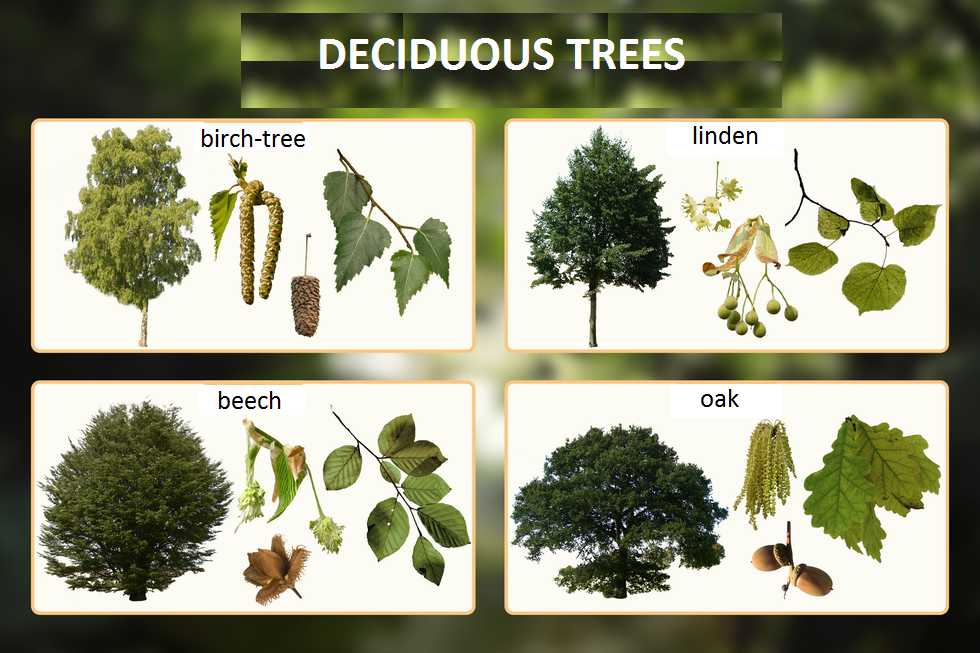
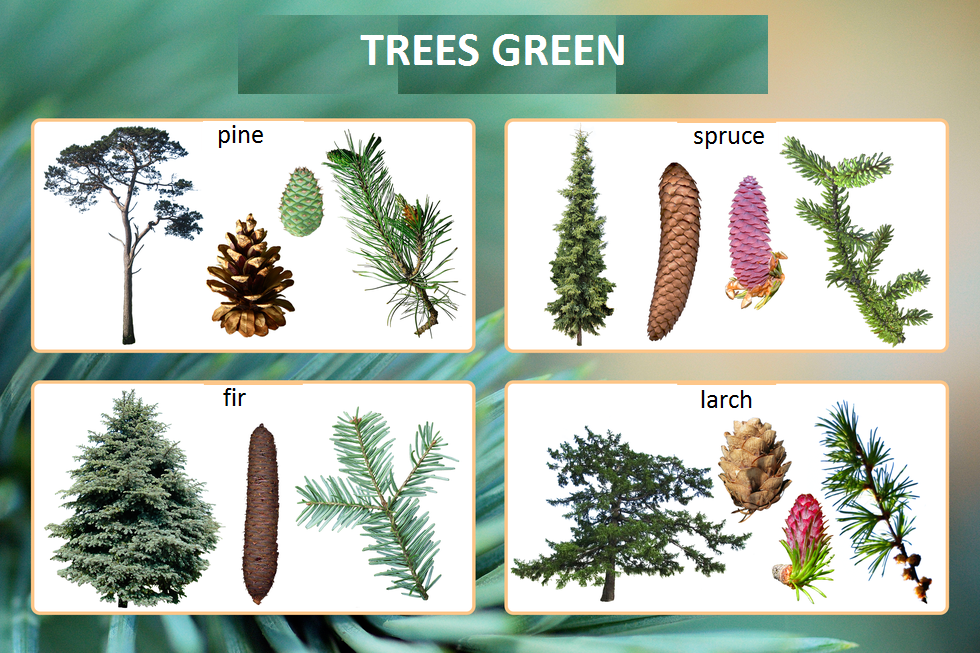
The trees differ in leaf structure. On this basis they are divided into deciduous and coniferous. The former usually have wide and flat leaves. They can have various shapes: similar to the heart as in a lime tree, ovoid as in a beech tree, or composed of small leaves as in a chestnut tree. The leaves of the conifers are thin and elongated. They are called needles or acerate leaves.
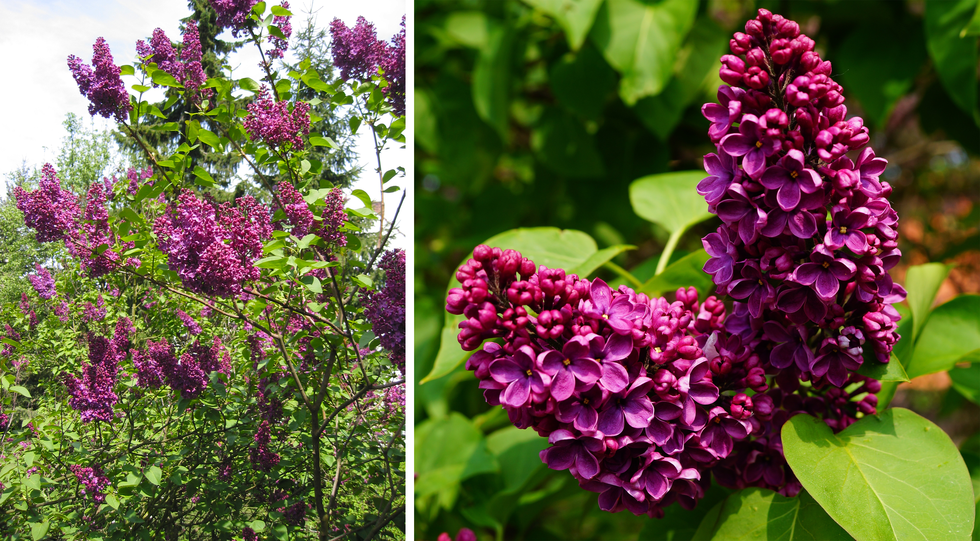
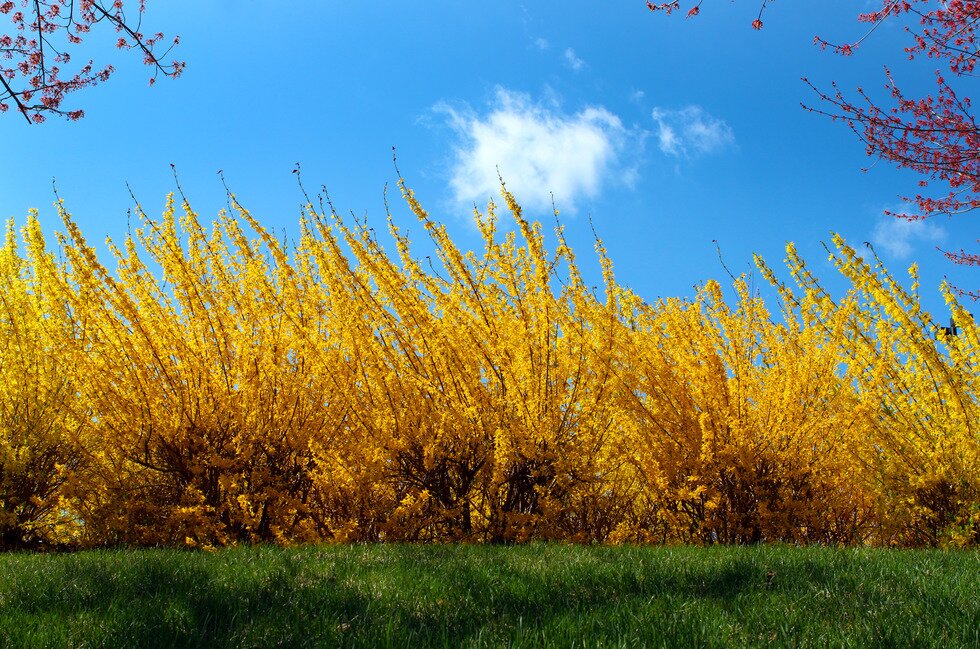
Shrubs differ from trees in that they are lower and do not have a clearly visible trunk. Forsythia is a common shrub in our environment. What is distinguishable about them is that they bloom early in the spring, before they even form leaves. Another common shrub is lilac. Some coniferous plants, such as yews and junipers, are also shrubs.
What a forest is?
Trees can grow individually, in groups (e.g. avenues of trees in parks, clusters of trees in fields), or together with shrubs and herbaceous plants they can form very large clusters called forestsforests. Forests where only deciduous trees grow are called deciduous forests. Only coniferous trees grow in coniferous forests, also called pine forests. Mixed forests are the ones in which both coniferous and deciduous trees grow.
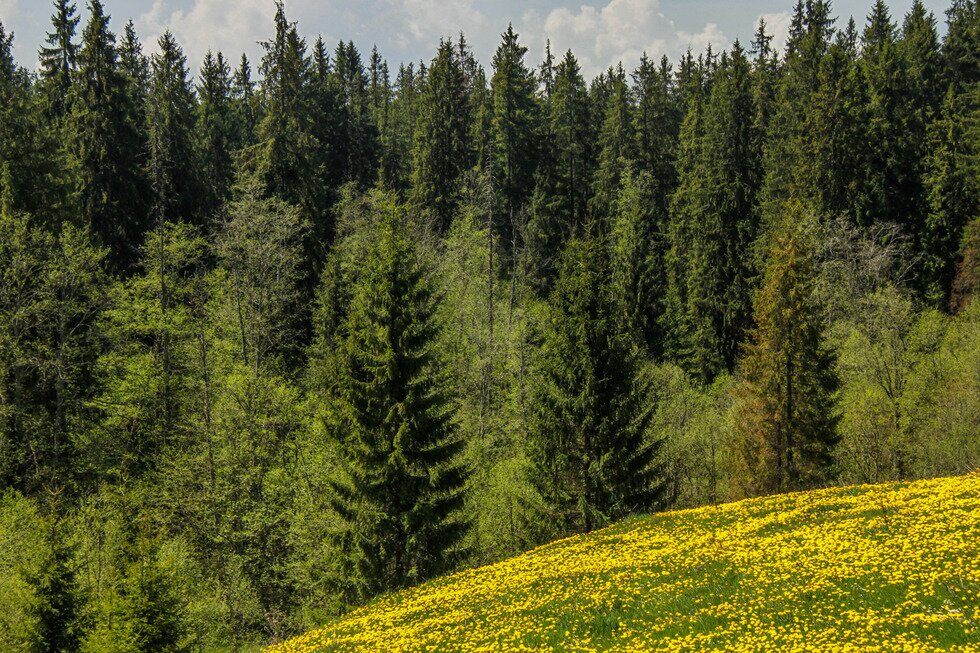
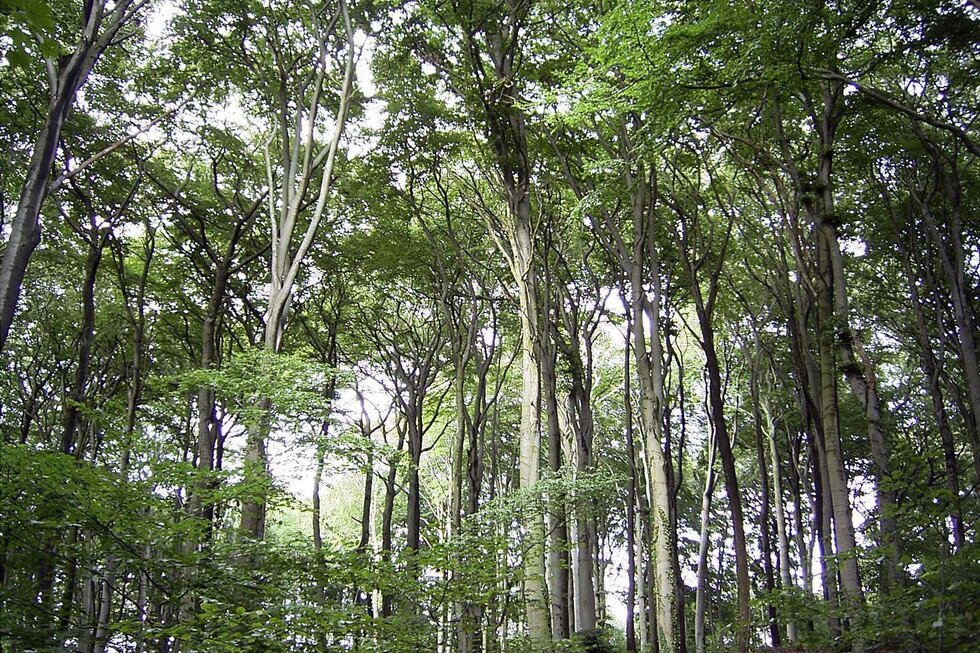
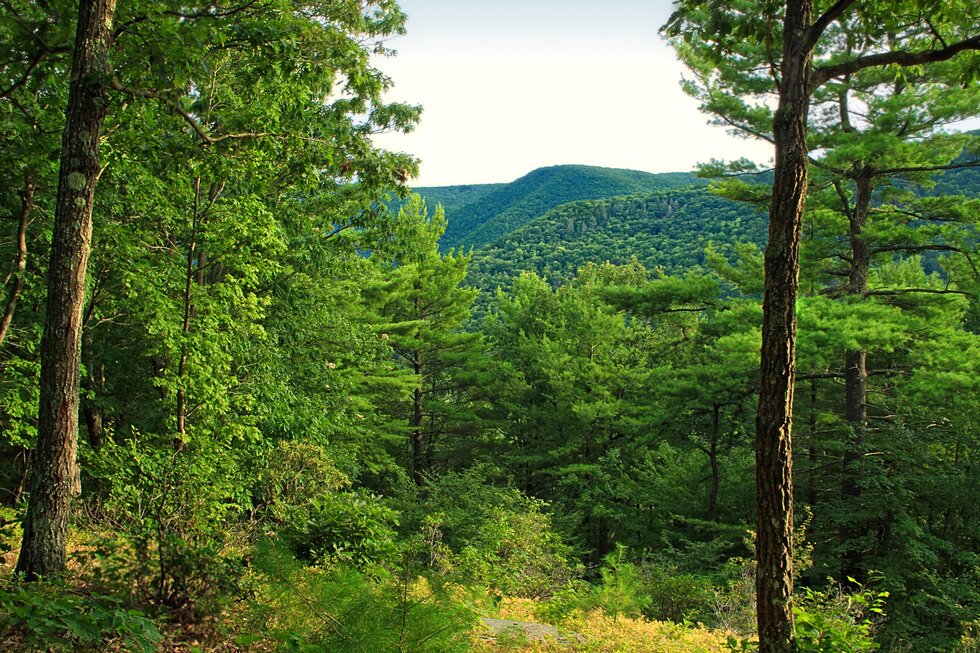
Tick the names of coniferous plants.
- lilac
- oak
- pine
- chestnut tree
- juniper
- birch tree
- spruce
- larch
Herbaceous plants
Unlike trees and shrubs, plants that do not have woody stems are herbaceous. Some of them, like trees and shrubs, are perennial. These include, among others, common dandelion, rabbitfoot clover and horsetail. We already know that there are also biennials, i.e. a plant that takes two years to complete its biological lifecycle. These include, among others, pansy, chrysanthemum and wood forget‑me‑not. Annual plants include chamomile and cornflower common to cereal crop groups. Among the crops, annual crops includes all cereals, rapeseed and sunflower.
The herbaceous plants can grow in clusters called meadowsmeadows. There are no trees or shrubs in the meadows. They are made up mainly of grasses and colourful plants such as clover. Meadows are the habitat of numerous insects, birds and mammals. Sometimes some forest animals, such as roe deer, also look for food there. Natural meadows are rare in Poland. Most of them were created by felling forests and are kept by grazing animals, mowing and removing young trees.
Summary
Plants growing in the immediate vicinity of the human can be divided into trees, shrubs and herbaceous plants.
Trees can be divided into deciduous and coniferous trees.
There are three basic types of forests: deciduous, coniferous and mixed.
Herbaceous plants are divided into annual plants, biennial plants and perennial plants.
Keywords
meadow, trees, shrubs, meadow plants
Glossary
las – zwarte skupisko roślin (przede wszystkim drzew, ale też krzewów i roślin zielnych) tworzących mniej lub bardziej wyraźne warstwy: ściółki, runa leśnego, podszytu, koron drzew; może być liściasty, iglasty lub mieszany; środowisko życia licznych gatunków zwierząt
łąka – zbiorowisko roślin zielnych, utworzone głównie przez trawy; środowisko życia licznych gatunków zwierząt