The philosophy of the late nineteenth and early twentieth century, analogically to earlier periods, had a great influence on literature and art. Artists reflected the mood, human anxieties and strivings in their creativity in a characteristic way, inspired by the works of great thinkers – Arthur Schopenhauer and Friedrich Nietzsche.
Exercise 1
Check the meaning of decadence in available sources.
R1VfowtBD0jir
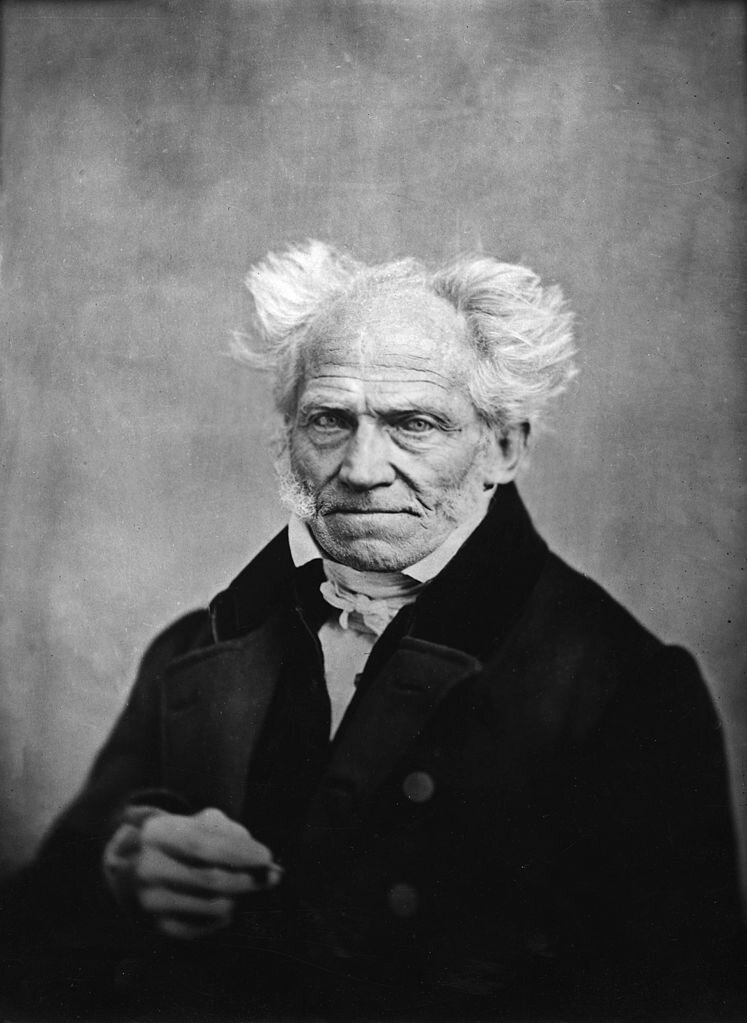
Zdjęcie czarno białe przedstawia filozofa Arthura Schopenhauera. Mężczyzna ma siwe włosy, poważny wyraz twarzy oraz ubrany jest w czarny długi płaszcz.
Arthur Schopenhauer
Source: domena publiczna.
Arthur Schopenhauer (1788 – 1860) – German philosopher born in Gdansk. Although his main work entitled The world as will and representation was published for the first time in 1819, only at the end of the nineteenth century did it gain publicity and the status of obligatory reading among contemporary artists and intellectuals. Schopenhauer’s pessimistic and nihilistic views according to which human life is a band of suffering and disappointmentsdisappointmentdisappointments, corresponded perfectly with the mood of the era. The philosopher claimed that our existenceexistenceexistence is governed by a blind drive that can never be satisfied. The happiness that each of us strives for is unachievable, and life, full of goals and desires, ends in an inevitable death. The absurdity of the complete torment of existence could be soothed, in the thinker's opinion, by religion, art and, above all, by the abandonment of all desires and needs. In this way Schopenhauer referred to the conceptconcept of a superhumanconcept of nirvana originating from the philosophy of the East, which means a state of absolute peace, caused by the total negation of the will to live.
Exercise 2
Read the passage from World as will and representation by Arthur Schopenhauer and identify three metaphors of life used by the author. Were they present in the previous eras?
Arthur SchopenhauerŚwiat jako wola i wyobrażenie
Życie ogromnej większości ludzi jest też tylko nieustanną walką o nagą egzystencję pomimo pewności ostatecznej przegranej. Tym jednak, co pozwala im wytrwać w tej tak mozolnej walce, jest nie tyle umiłowanie życia, ile strach przed śmiercią, ona zaś stoi nieuchronnie na zapleczu i w każdej chwili może podejść bliżej. Samo życie jest morzem pełnym raf i wirów, których człowiek unika starannie i troskliwie, chociaż wie, że nawet jeśli wysilając cały swój kunszt zdoła się przemknąć, to właśnie przez to każdy krok przybliża go do całkowitej, nieuniknionej i nieuleczalnej katastrofy, co więcej, że prosto do niej zmierza – do śmierci; jest ona celem ostatecznym mozolnej podróży i jest dla niego gorsza od wszystkich raf, których uniknął.
swiat Source: Arthur Schopenhauer, Świat jako wola i wyobrażenie, t. 1, tłum. Jan Garewicz, s. 475–476.
RDttWNp626vbV
Exercise 3
Indicate statements consistent with the philosophy of Arthur Schopenhauer. Możliwe odpowiedzi: 1. The defeat of every human being is inevitable., 2. Despite the hardships of life and the imperfections of the world, we can say that we live in the best possible place., 3. We fight the adversities of fate, because we are motivated by the fear of death., 4. Death is inevitable, but the reward is salvation.
Indicate statements consistent with the philosophy of Arthur Schopenhauer. Możliwe odpowiedzi: 1. The defeat of every human being is inevitable., 2. Despite the hardships of life and the imperfections of the world, we can say that we live in the best possible place., 3. We fight the adversities of fate, because we are motivated by the fear of death., 4. Death is inevitable, but the reward is salvation.
Mark statements consistent with the philosophy of Arthur Schopenhauer.
The defeat of every human being is inevitable.
Despite the hardships of life and the imperfections of the world, we can say that we live in the best possible place.
We fight the adversities of fate, because we are motivated by the fear of death.
Death is inevitable, but the reward is salvation.
Exercise 4
Ułóż trzy pytania odnoszące się do abstraktu i daj je do rozwiązania swoim kolegom i koleżankom.
Ułóż trzy pytania odnoszące się do abstraktu i daj je do rozwiązania swoim kolegom i koleżankom.
Find online and interpret memes using Schopenhauer’s portrait. How do his views function in the common consciousness? You can work in pairs.
RWGbnTjZhU8ck
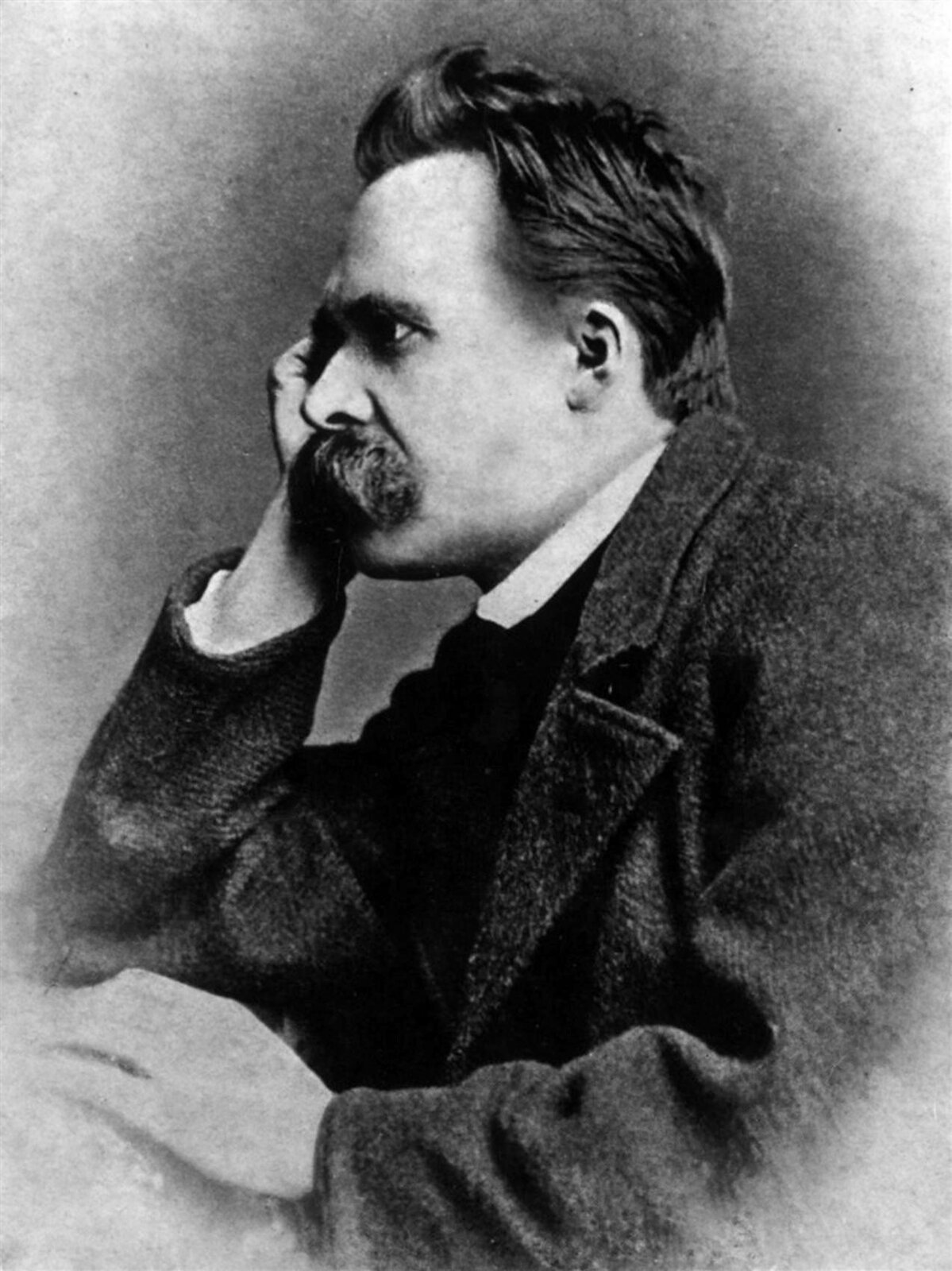
Zdjęcie czarno białe przedstawia filozofa Friedricha Nietzschego z profilu. Mężczyzna trzyma głowę wspartą na dłoni ubrany jest w szary płaszcz.
Friedrich Nietzsche
Source: domena publiczna.
Friedrich Nietzsche (1844 – 1900) – not only a famous philosopher, but also a classical philologist, prose writer and poet, which was not without effect on the presentation of his thoughts, which often took the form of aphorisms. The views expressed in two most important works by the German thinker – Thus spoke Zarathustra (1883 – 1884) and Beyond good and evil (1886) – became a great inspiration for the artistic elite at the turn of the century. Nietzsche criticized the prevailing moral principles: he claimed that morality is a subjective matter, individual for each man and created by him. In his opinion, the most‑privileged group in society was the „race of mastersmaster racerace of masters”, superhuman – exceptionally strong and outstanding individuals. They were to serve as a leader for a crowd of „slaves”: weak, vulnerable, unable to achieve higher goals.
Exercise 5
Read the passage from Thus spoke Zarathustra by Friedrich Nietzsche and explain who a human and a superhuman are according to the philosopher.
Friedrich NietzscheTako rzecze Zaratustra
Gdy Zaratustra zaszedł do najbliższego miasta, co u skraju lasów leżało, znalazł tam wiele ludu zgromadzonego na rynku, gdyż było obwieszczone, iż linoskok da widowisko. I Zaratustra tako rzekł do ludu: — Ja was uczę nadczłowieka. Człowiek jest czymś, co pokonanym być powinno. Cóżeście uczynili, aby jego pokonać? Wszystkie istoty stworzyły coś ponad siebie; chcecież być odpływem tej wielkiej fali i raczej do zwierzęcia powrócić, niźli człowieka pokonać? Czymże jest małpa dla człowieka? Pośmiewiskiem i sromem bolesnym. I tymże powinien być człowiek dla nadczłowieka: pośmiewiskiem i wstydem bolesnym. Przebyliście drogę od robaka do człowieka i wiele jest w was jeszcze z robaka. Byliście niegdyś małpami i dziś jest jeszcze człowiek bardziej małpą, niźli jakakolwiek małpa. Kto zaś jest pośród was najmędrszym, ten jest dwurodkiem i mieszańcem rośliny i upiora. Mówięż ja wam, byście się upiorami lub roślinami stali? Patrzcie, ja wam wskazuję nadczłowieka. Nadczłowiek jest treścią ziemi. Wasza wola niech rzeknie: bodajby się nadczłowiek treścią ziemi stał.
(…) Baczcie i czuwajcie, samotnicy! Z tajemnym skrzydeł łopotem przyszłości ciągną wiewy; czujnym uszom dobra zwiastuje się nowina. Samotnicy dnia dzisiejszego, wy, odosobniający się, ludem wy kiedyś będziecie: z was, którzyście się sami wybrali, powstanie lud wybrany: — a z niego nadczłowiek. Zaprawdę, siedliskiem uzdrowienia stać się jeszcze winna ziemia! Oto unosi się już nad nią nowa woń zwiastującej się szczęśliwości, — i nowa wróży się nadzieja!
tako Source: Friedrich Nietzsche, Tako rzecze Zaratustra, tłum. Wacław Berent, Poznań 1995, s. 5–39.
RUEQiqXcTMg6T
Exercise 6
Match the terms and their synonims to the correct groups. nirvana Możliwe odpowiedzi: 1. uniqueness, 2. relief, 3. self-esteem, 4. getting rid of troubles, 5. chosen individual, 6. the state of final relief, 7. strong individual, 8. „master race”, 9. the end of all worries, 10. silence superhuman Możliwe odpowiedzi: 1. uniqueness, 2. relief, 3. self-esteem, 4. getting rid of troubles, 5. chosen individual, 6. the state of final relief, 7. strong individual, 8. „master race”, 9. the end of all worries, 10. silence
Match the terms and their synonims to the correct groups. nirvana Możliwe odpowiedzi: 1. uniqueness, 2. relief, 3. self-esteem, 4. getting rid of troubles, 5. chosen individual, 6. the state of final relief, 7. strong individual, 8. „master race”, 9. the end of all worries, 10. silence superhuman Możliwe odpowiedzi: 1. uniqueness, 2. relief, 3. self-esteem, 4. getting rid of troubles, 5. chosen individual, 6. the state of final relief, 7. strong individual, 8. „master race”, 9. the end of all worries, 10. silence
Match the terms and their synonims to the correct groups.
the end of all worries, chosen individual, getting rid of troubles, relief, „master race”, the state of final relief, silence, self-esteem, strong individual, uniqueness
nirvana
superhuman
RqdtcZ4tnvnrh
Exercise 7
Match the texts and their authors. „Istnienie ludzkie bynajmniej nie ma charakteru daru, natomiast jest w każdym calu zaciągniętym długiem. Ściąganie go następuje w postaci ustanowionych przez to istnienie palących potrzeb, dręczących pragnień i bezmiernej nędzy. Na spłatę tego długu trzeba z reguły całego życia, ale umorzone zostają przez to tylko odsetki. Spłata kapitału dokonuje się przez śmierć”. Możliwe odpowiedzi: 1. Arthur Schopenhauer, 2. Friedrich Nietzsche „Czym jest małpa dla człowieka? Pośmiewiskiem i hańbą bolesną. I tym powinien być człowiek dla nadczłowieka: pośmiewiskiem i wstydem bolesnym”. Możliwe odpowiedzi: 1. Arthur Schopenhauer, 2. Friedrich Nietzsche
Match the texts and their authors. „Istnienie ludzkie bynajmniej nie ma charakteru daru, natomiast jest w każdym calu zaciągniętym długiem. Ściąganie go następuje w postaci ustanowionych przez to istnienie palących potrzeb, dręczących pragnień i bezmiernej nędzy. Na spłatę tego długu trzeba z reguły całego życia, ale umorzone zostają przez to tylko odsetki. Spłata kapitału dokonuje się przez śmierć”. Możliwe odpowiedzi: 1. Arthur Schopenhauer, 2. Friedrich Nietzsche „Czym jest małpa dla człowieka? Pośmiewiskiem i hańbą bolesną. I tym powinien być człowiek dla nadczłowieka: pośmiewiskiem i wstydem bolesnym”. Możliwe odpowiedzi: 1. Arthur Schopenhauer, 2. Friedrich Nietzsche
Match the texts and their authors.
Friedrich Nietzsche, Arthur Schopenhauer
„Istnienie ludzkie bynajmniej nie ma charakteru daru, natomiast jest w każdym calu zaciągniętym długiem. Ściąganie go następuje w postaci ustanowionych przez to istnienie palących potrzeb, dręczących pragnień i bezmiernej nędzy. Na spłatę tego długu trzeba z reguły całego życia, ale umorzone zostają przez to tylko odsetki. Spłata kapitału dokonuje się przez śmierć”.
„Czym jest małpa dla człowieka? Pośmiewiskiem i hańbą bolesną. I tym powinien być człowiek dla nadczłowieka: pośmiewiskiem i wstydem bolesnym”.
Exercise 8
Consider the topic and write an answer: Which is closer to you: Schopenhauer’s pessimismpessimismpessimism or Nietzsche’s sense of superhuman power? Formulate arguments and justify your answer.
RlUKt3bPX0Lba
Wykonaj ćwiczenie zgodnie z poleceniem.
Wykonaj ćwiczenie zgodnie z poleceniem.
R1cccGO5uhhqI
Wyjaśnij kluczowe pojęcia związane z tematem abstraktu.
Wyjaśnij kluczowe pojęcia związane z tematem abstraktu.
Prepare a multiple choice test verifying the knowledge from today's lesson. Exchange the questions with your school friends.
Question: ...
...
...
...
...
...
R1LsOiElJ6shV
Exercise 9
Listen to the abstract recording to review the material and new vocabulary. Then do the vocabulary exercise. Match the pairs: English and Polish words. koncepcja nadczłowieka Możliwe odpowiedzi: 1. disappointment, 2. concept of a superhuman, 3. decadent, 4. decadence, 5. master race, 6. pessimism, 7. nihilism, 8. existence. rasa panów Możliwe odpowiedzi: 1. disappointment, 2. concept of a superhuman, 3. decadent, 4. decadence, 5. master race, 6. pessimism, 7. nihilism, 8. existence. pesymizm Możliwe odpowiedzi: 1. disappointment, 2. concept of a superhuman, 3. decadent, 4. decadence, 5. master race, 6. pessimism, 7. nihilism, 8. existence. nihilizm Możliwe odpowiedzi: 1. disappointment, 2. concept of a superhuman, 3. decadent, 4. decadence, 5. master race, 6. pessimism, 7. nihilism, 8. existence. rozczarowanie Możliwe odpowiedzi: 1. disappointment, 2. concept of a superhuman, 3. decadent, 4. decadence, 5. master race, 6. pessimism, 7. nihilism, 8. existence. dekadentyzm Możliwe odpowiedzi: 1. disappointment, 2. concept of a superhuman, 3. decadent, 4. decadence, 5. master race, 6. pessimism, 7. nihilism, 8. existence. dekadent Możliwe odpowiedzi: 1. disappointment, 2. concept of a superhuman, 3. decadent, 4. decadence, 5. master race, 6. pessimism, 7. nihilism, 8. existence. egzystencja Możliwe odpowiedzi: 1. disappointment, 2. concept of a superhuman, 3. decadent, 4. decadence, 5. master race, 6. pessimism, 7. nihilism, 8. existence
Listen to the abstract recording to review the material and new vocabulary. Then do the vocabulary exercise. Match the pairs: English and Polish words. koncepcja nadczłowieka Możliwe odpowiedzi: 1. disappointment, 2. concept of a superhuman, 3. decadent, 4. decadence, 5. master race, 6. pessimism, 7. nihilism, 8. existence. rasa panów Możliwe odpowiedzi: 1. disappointment, 2. concept of a superhuman, 3. decadent, 4. decadence, 5. master race, 6. pessimism, 7. nihilism, 8. existence. pesymizm Możliwe odpowiedzi: 1. disappointment, 2. concept of a superhuman, 3. decadent, 4. decadence, 5. master race, 6. pessimism, 7. nihilism, 8. existence. nihilizm Możliwe odpowiedzi: 1. disappointment, 2. concept of a superhuman, 3. decadent, 4. decadence, 5. master race, 6. pessimism, 7. nihilism, 8. existence. rozczarowanie Możliwe odpowiedzi: 1. disappointment, 2. concept of a superhuman, 3. decadent, 4. decadence, 5. master race, 6. pessimism, 7. nihilism, 8. existence. dekadentyzm Możliwe odpowiedzi: 1. disappointment, 2. concept of a superhuman, 3. decadent, 4. decadence, 5. master race, 6. pessimism, 7. nihilism, 8. existence. dekadent Możliwe odpowiedzi: 1. disappointment, 2. concept of a superhuman, 3. decadent, 4. decadence, 5. master race, 6. pessimism, 7. nihilism, 8. existence. egzystencja Możliwe odpowiedzi: 1. disappointment, 2. concept of a superhuman, 3. decadent, 4. decadence, 5. master race, 6. pessimism, 7. nihilism, 8. existence
Listen to the abstract recording to review the material and new vocabulary. Then do the vocabulary exercise. Match the pairs: English and Polish words.
concept of a superhuman, nihilism, disappointment, pessimism, decadence, master race, decadent, existence
koncepcja nadczłowieka
rasa panów
pesymizm
nihilizm
rozczarowanie
dekadentyzm
dekadent
egzystencja
Keywords
Schopenhauerism, nirvana, Nietzscheism, concept of a superhuman