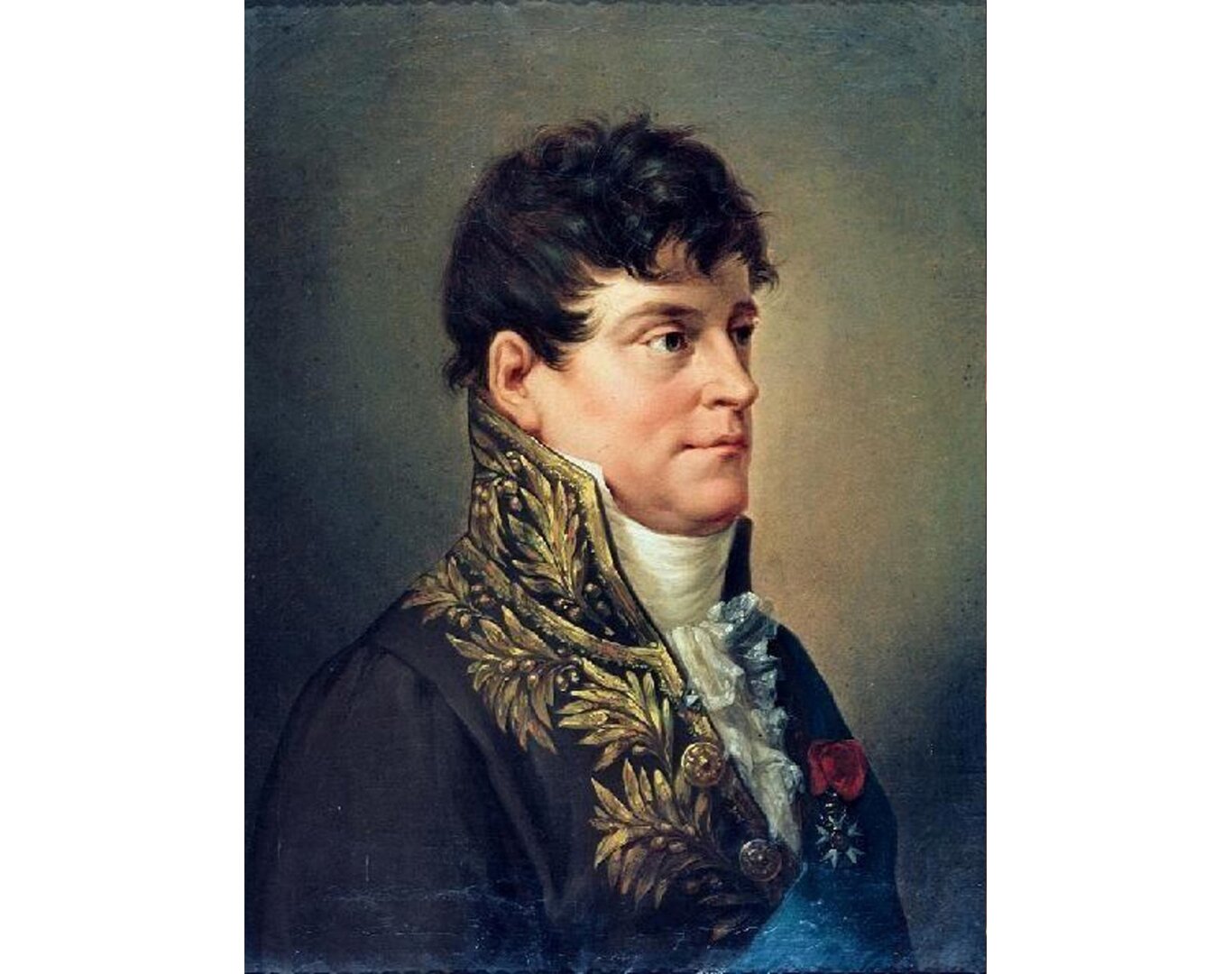
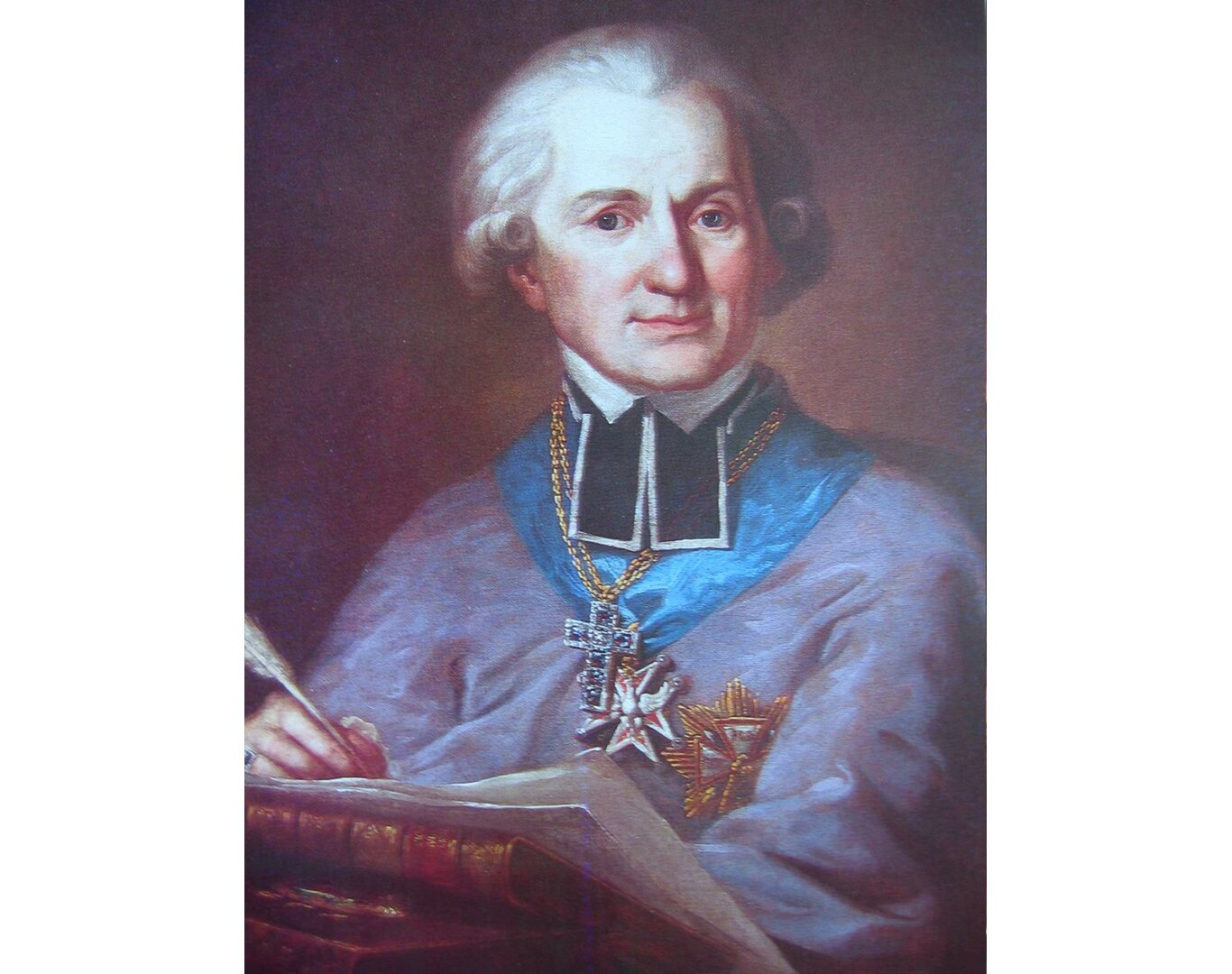
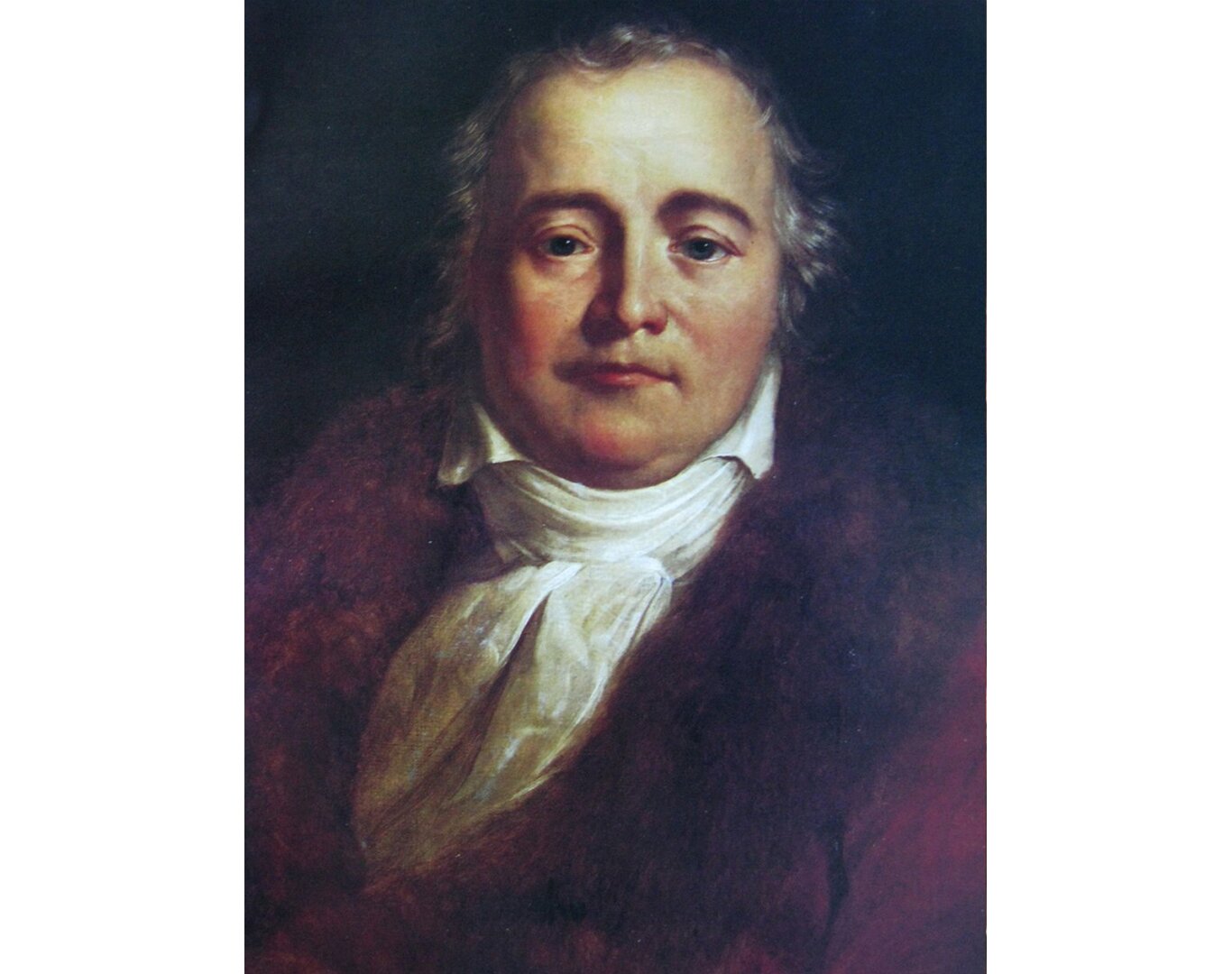
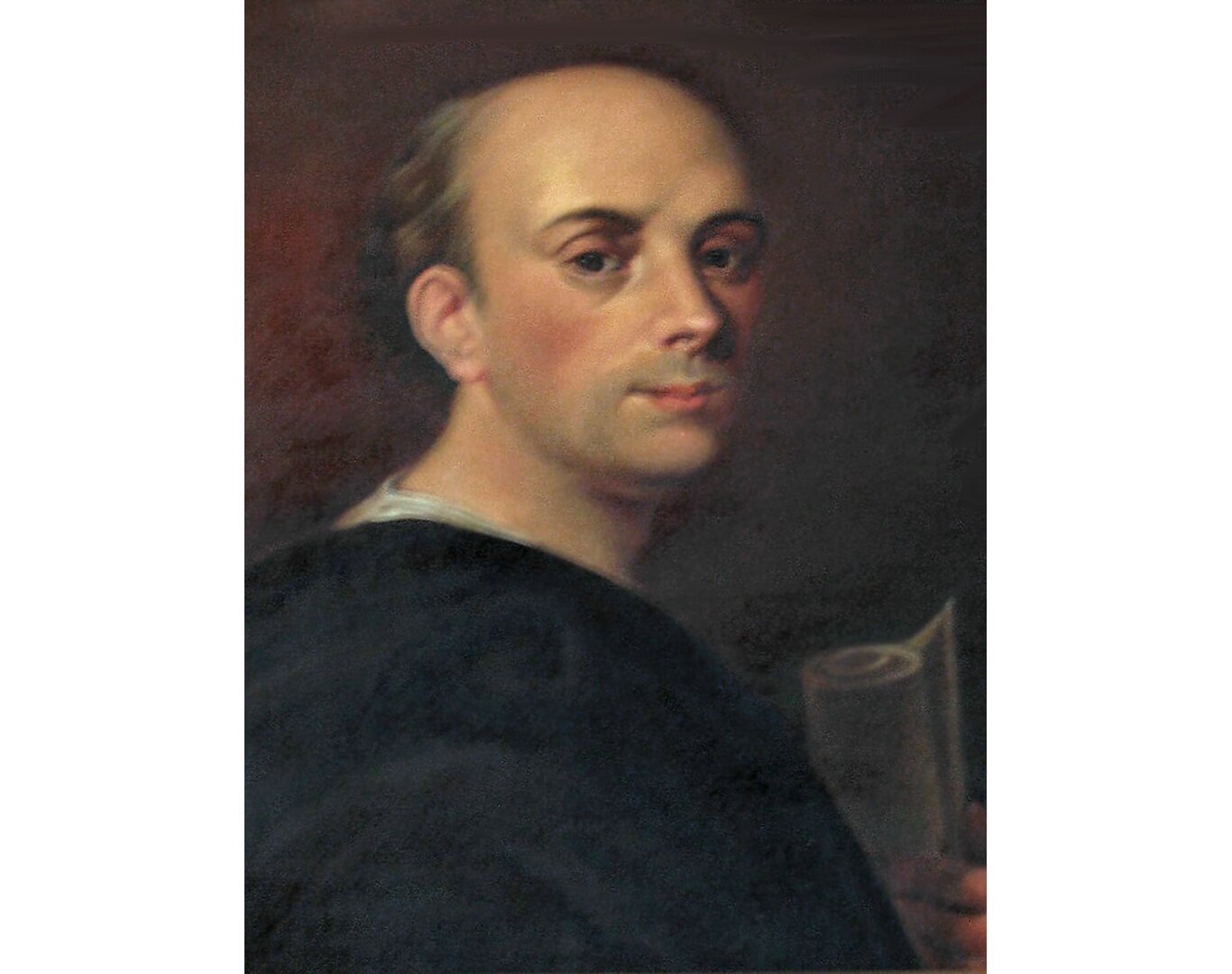
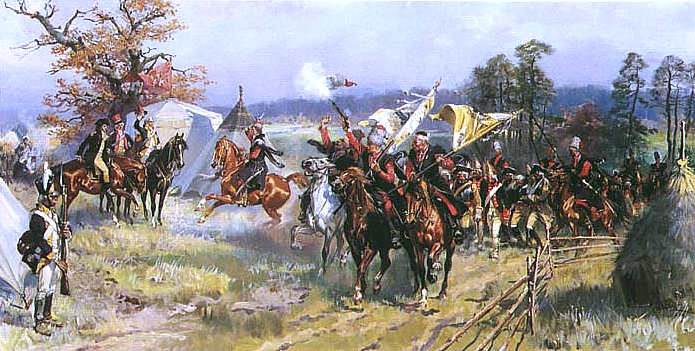
Opponents of the reforms and the Constitution of the 3rd of May: Szczęsny Potocki, Ksawery Branicki and Seweryn Rzewuski decided to turn to Catherine II with a proposal to set up a confederation which would oppose the reforms. The Confederation set up in St. Petersburg and officially proclaimed in 1792 in TargowicaTargowicaTargowica led to a war between the proponents and opponents of the constitution. The imbalance in strength was evident, as Russian troops arrived to assist the supporters of Targowica. The King, aiming to preserve any small elements of reform, decided to seek an agreement with Catherine. She immediately demanded to be admitted to the Targowica Confederation, which Poniatowski consented to on July 23rd, 1792. The monarch's hopes of saving the last remnants of progress proved to be an illusion and Catherine, together with King Frederick II of Prussia, carried out the Second Partition of Poland.
R1W488E1a2vd5
Exercise 1
Wysłuchaj nagrania abstraktu, wyodrębnij jego części i nadaj im tytuły.
Wysłuchaj nagrania abstraktu, wyodrębnij jego części i nadaj im tytuły.
Drag the appropriate parts of the text from the Statute of the Friends of the Constitutionto the correct places in the table .
Goal of the Assembly of the Friends of the Constitution, Rules between members (hierarchy of membership), Rules for decision making, Whoever desires to be a member of our union, they should have the support of at least one of the persons forming this assembly., All decisions of the Assembly in regards to the protocol should be adopted, which will be enforced by the three appointed deputies of the Assembly.
Contents
Text fragment
Goal of the Assembly of the Friends of the Constitution
Rules between members (hierarchy of membership)
Rules for decision making
Task 1
W dostępnych Ci źródłach (np. w internecie, encyklopedii lub specjalistycznych publikacjach) poszukaj informacji na temat jednej z wybranych osób. Do wyboru następujące postaci: Hugo Kołłątaj, Adam Kazimierz Czartoryski, Adam Naruszewicz, Julian Ursyn Niemcewicz, książę Józef Poniatowski.
W dostępnych Ci źródłach (np. w internecie, encyklopedii lub specjalistycznych publikacjach) poszukaj informacji na temat jednej z wybranych osób. Do wyboru następujące postaci: Hugo Kołłątaj, Adam Kazimierz Czartoryski, Adam Naruszewicz, Julian Ursyn Niemcewicz, książę Józef Poniatowski.
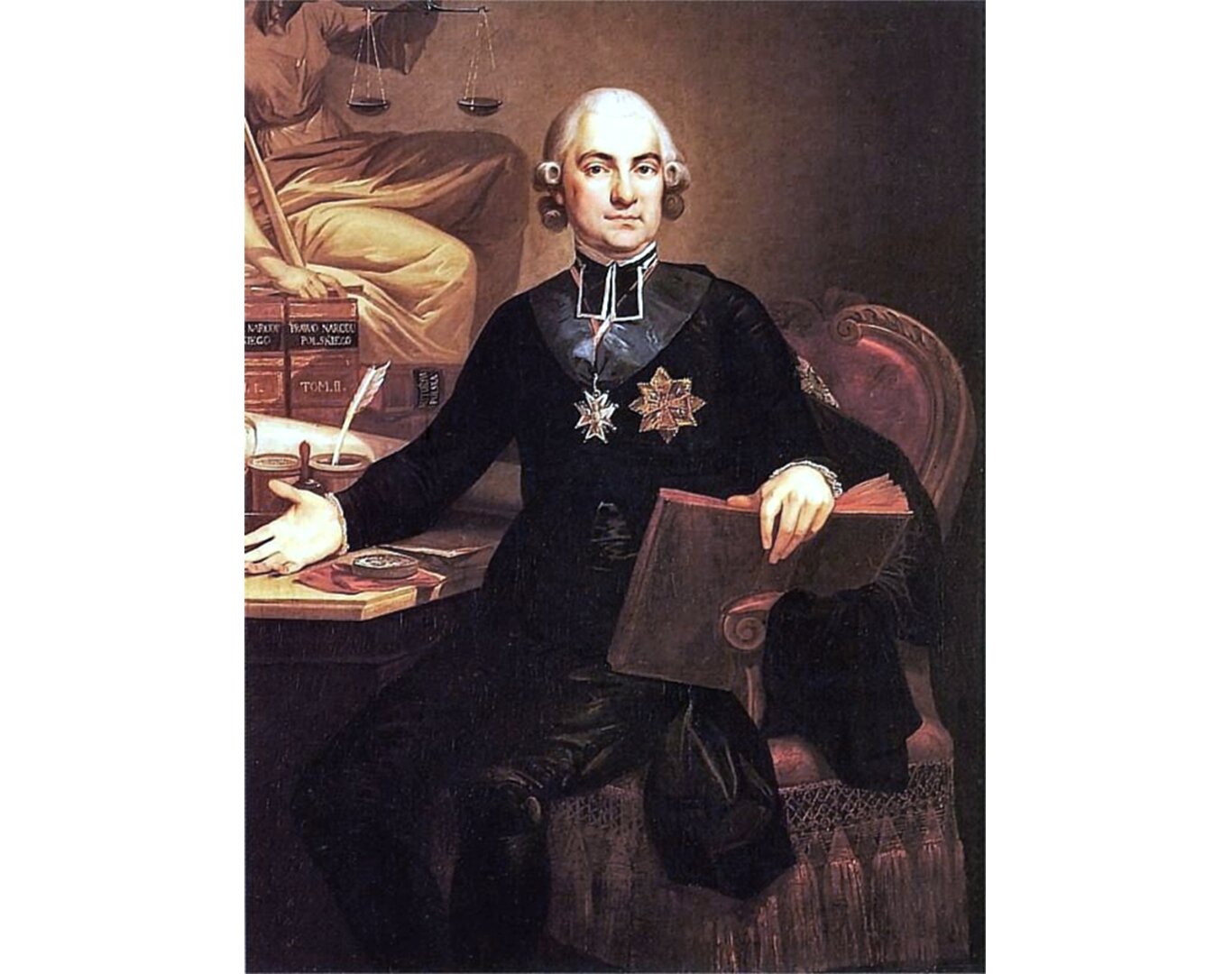
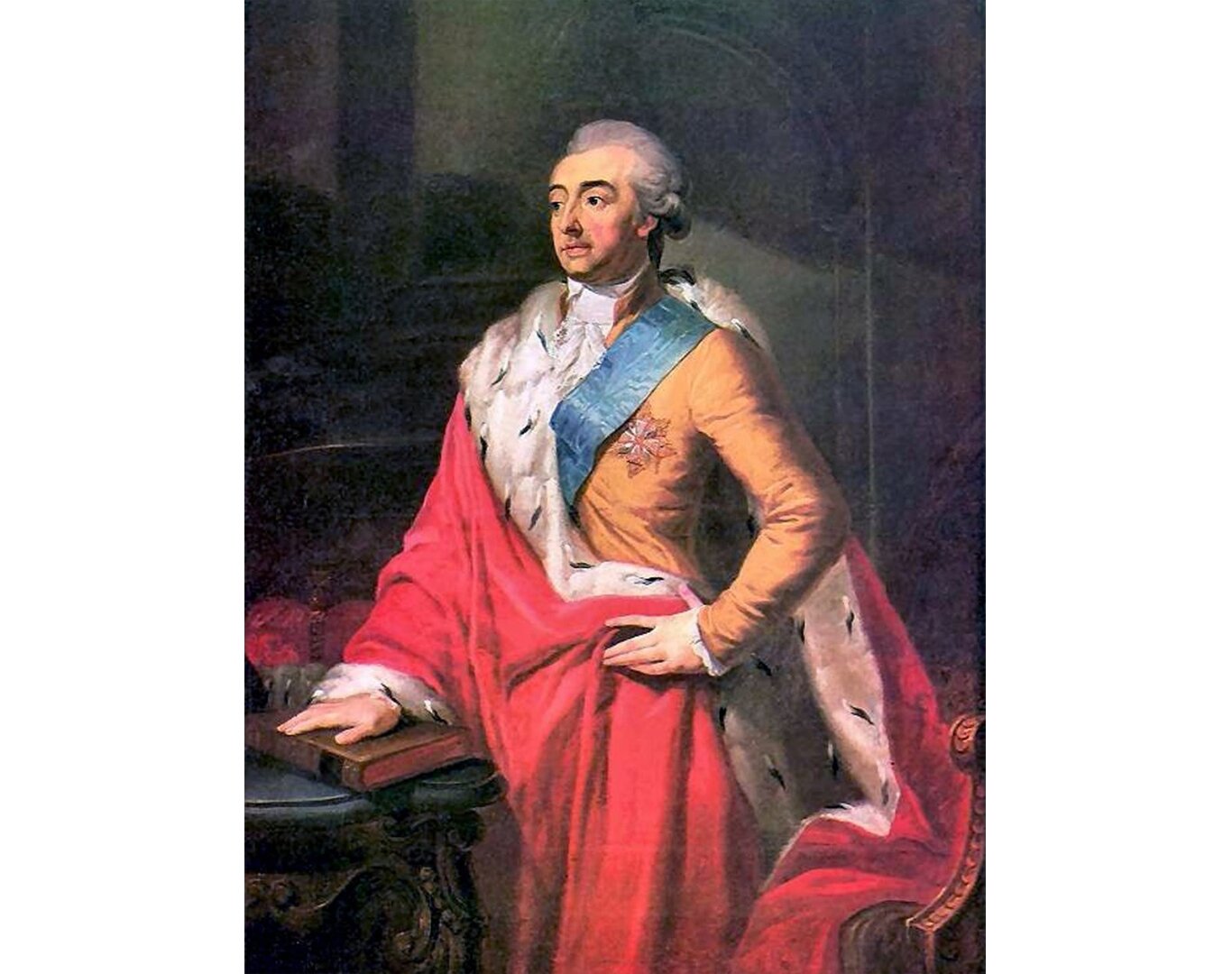
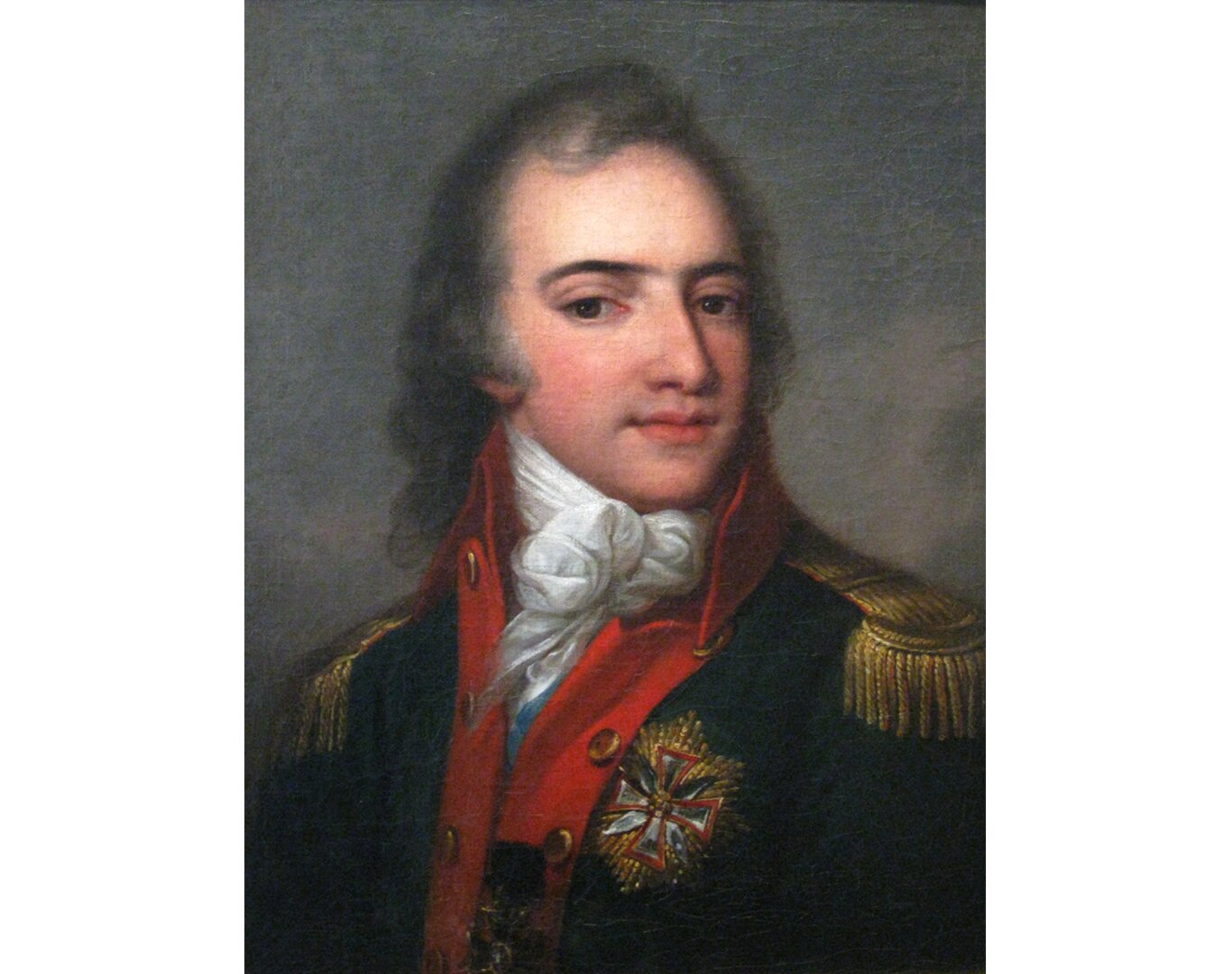
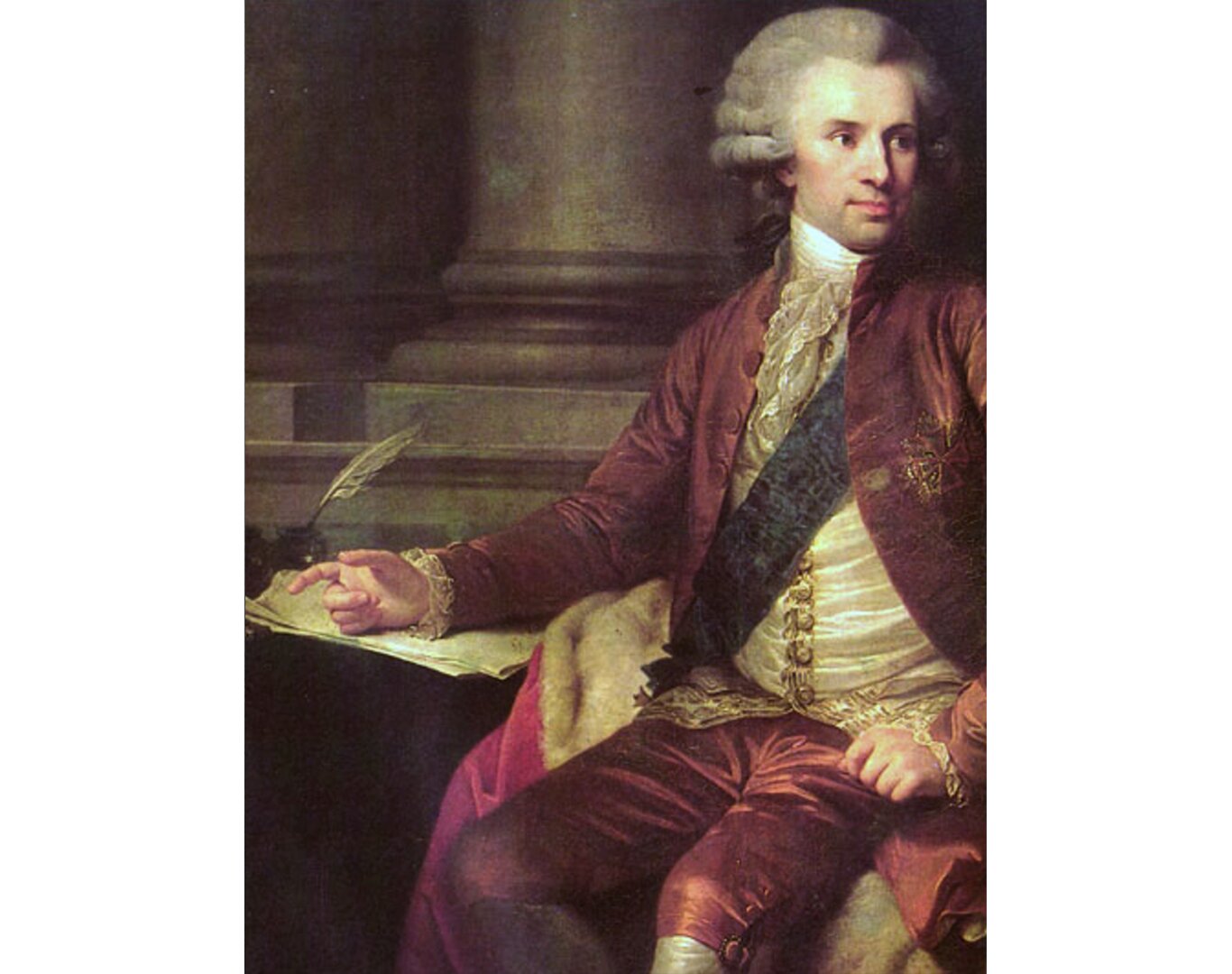
Look at the photo gallery. Who are the people from the portraits?
ReYRhS7cx10PV
Obraz przedstawiający portret Hugo Kołłątaja.
The most important members of one of the first "modern" political groups in Poland - the Friends of the Fiat Lux Constitution." Hugo Kołłątaj is in the picture
Source: Józef Peszka, domena publiczna.
RKpDdYrYC7Poq
Obraz przedstawiający portret księcia Adama Kazimierza Czartoryskiego.
The most important members of one of the first "modern" political groups in Poland - the Friends of the Fiat Lux Constitution." Prince Adam Kazimierz Czartoryski is in the picture.
Source: Józef Peszka, domena publiczna.
RsWpIAol4WLEZ
Obraz przedstawiający portret księcia Józefa Poniatowskiego.
The most important members of one of Poland's first "modern" political groups "The Friends of the Constitution of Fiat Lux." Shown in the portrait is Prince Józef Poniatowski.
Source: Josef Maria Grassi, licencja: CC BY-SA 3.0.
R15g1bKmlhXCE
Obraz przedstawiający portret Joachima Chreptowicza.
The most important members of one of the first "modern" political groups in Poland - the Friends of the Fiat Lux Constitution." Joachim Chreptowicz is in the picture
Source: domena publiczna.
RiWCvtibKufFp
Obraz przedstawiający portret Ksawerego Działyńskiego.
The most important members of one of the first "modern" political groups in Poland - the Friends of the Fiat Lux Constitution." Ksawery Działyński is in the picture
Source: Marcello Bacciarelli.
RaNOq2m8Xdkrs
Obraz przedstawiający portret Adama Naruszewicza.
The most important members of one of the first "modern" political groups in Poland - the Friends of the Fiat Lux Constitution." Adam Naruszewicz is in the picture
Source: Mateusz Tokarski, domena publiczna.
Rd7sxwbcoc0dE
Obraz przedstawiający portret Juliana Ursyna Niemcewicza.
The most important members of one of Poland's first "modern" political groups "The Friends of the Constitution of Fiat Lux." Shown in the portrait is Julian Ursyn Niemcewicz
Source: domena publiczna.
RvabZc0986Pv0
Obraz przedstawiający portret Scipione Piattoliego.
The most important members of one of the first "modern" political groups in Poland - the Friends of the Fiat Lux Constitution." Scipione Piattoli is in the picture
Source: domena publiczna.
RLiEtadKcCKTQ
Exercise 2
Point out the members of the "Friends of the Fiat Lux Constitution" who were the co-authors of the Constitution of the 3rd of May. Możliwe odpowiedzi: 1. Ksawery Działyński, 2. Joachim Chreptowicz, 3. Hugo Kołłątaj, 4. Prince Adam Kazimierz Czartoryski, 5. Scipione Piattoli, 6. Prince Józef Poniatowski, 7. Julian Ursyn Niemcewicz, 8. Adam Naruszewicz
Point out the members of the "Friends of the Fiat Lux Constitution" who were the co-authors of the Constitution of the 3rd of May. Możliwe odpowiedzi: 1. Ksawery Działyński, 2. Joachim Chreptowicz, 3. Hugo Kołłątaj, 4. Prince Adam Kazimierz Czartoryski, 5. Scipione Piattoli, 6. Prince Józef Poniatowski, 7. Julian Ursyn Niemcewicz, 8. Adam Naruszewicz
In the pictures, point out the members of the "Friends of the Fiat Lux Constitution" who were the co-authors of the Constitution of the 3rd of May.
Ksawery Działyński
Joachim Chreptowicz
Hugo Kołłątaj
Prince Adam Kazimierz Czartoryski
Scipione Piattoli
Prince Józef Poniatowski
Julian Ursyn Niemcewicz
Adam Naruszewicz
Task 2
Listen to the recording. Discover the circumstances by which Tadeusz Kosciusko saved the Polish army and earned Poland's highest military decoration: order „Virtuti Militari”„Virtuti Militari”order „Virtuti Militari”, in 1792.
„Katherine, determined to intervene in Poland, announced not a war against the Commonwealth, but friendly assistance aimed against the despotic parliamentary leaders who had destroyed the freedom of the nobility by the introduction of tyranny and absolutism. She also ordered the leaders of the Targowica Confederation to come to her with a request for assistance, which they willingly did. [...] The work to eradicate the reforms and progress in Poland, the Russians crossed the border into the Commonwealth on May 22nd, 1792, heading for the Ukrainian front so as to encircle and quickly destroy the Polish army. Kosciuszko cleverly avoided the encirclement, concentrated his division and on May 29th, united with Poniatowski at Janow. [...]
R1a8rSR47vC831
Obraz przedstawiający widok po bitwie pod Zieleńcami. Kościuszko wraz z księciem Józefem przyjmują defiladę polskiego wojska oraz pokonanych żołnierzy rosyjskich.
Following the Battle of Zieleńce, Kościuszko, together with Fr. Jozef, receive a parade of Polish troops with prisoners, following the defeat of Russian troops. Painting by Wojciech Kossak
Source: Wojciech Kossak, domena publiczna.
When the Russians again tried to surround the Poles, Prince Jozef directed the Kosciuszko division to join Czartoryski's to prevent the army from being encircled to the north. Kosciuszko did his job well: he rebuilt the bridge at Słucza and, threatening the rear of General Levinadov's army, which was attempting to outflank the Poles, he decided on a maneuvre which assisted Poniatowski and allowed him to retreat to Połonny. [...] But when he had retreated there, it turned out that the enemy was approaching, and faced with an overwhelming opponent, the fortification of the district was barely commenced. This is why Poniatowski decided to retreat again, this time to Ostrog, where he was protected by the Horyń River. Kosciuszko's division, as the rear guard, was to delay the advance of Levanidov.
The Poles march was in good order, although Levanidov's corps pursued the Poles, the determined attitude of Kosciuszko prevented him from unsettling the Polish troops. It was in this way that, by denying Levanidow, that Poniatowski was able to be victorious at the village of Zieleńce near Szepetówka (18 June). On the battlefield, Kosciuszko arrived after the main Polish forces, led by Prince Jozef, had retreated. General Markov tried to cut him off on the way, but on the night of 18/19 June, with the Russians surrounding the forests, he reached Zasław, where he again joined Poniatowski's army. Kosciuszko, as commander of the rear guard, made it impossible for the army to be encircled and made a significant contribution to Poland's military success. He had turned out a talented, brave and full of initiative. For his outstanding achievements he was awarded the gold medal of the Virtuti Militari, a medal he was amongst the first to ever receive.”
zahorski Source: Andrzej Zahorski, Chief in a tunic, Kraków 1990, s. 16.
Task 3
In the People's Republic of Poland, we had to work with a system imposed by the USSR and its allies. Explain why the USSR, which originated from old Russia, did not tolerate the below verse.
Piotr SzczepanikPolonez kościuszkowców
Kto powiedział, że Moskale Są to bracia nas, Lechitów, Temu pierwszy w łeb wypalę Przed kościołem Karmelitów.
zwrotka Source: Piotr Szczepanik, Polonez kościuszkowców.
RZ6BLzjmCIZat
Exercise 3
Wybierz jedno nowe słowo poznane podczas dzisiejszej lekcji i ułóż z nim zdanie.
Wybierz jedno nowe słowo poznane podczas dzisiejszej lekcji i ułóż z nim zdanie.
Practice your debating skills. Assign appropriate arguments to the given theses.
Unfortunately, despite its sympathetic attitude, Austria was not able to help Poland when it was threatened by Russia., Although Poniatowski was the head of the Polish army, he was subject to Tadeusz Kosciusko, who had war experience in America, Poland had no chance of victory against Russia., Yes. Therefore in St. Petersburg on April 27th, 1792, a confederation was formed, which was later falsely claimed to have been established in Targowica in the Commonwealth on May 14th., Yes. Fearing their property would be confiscated and they would be suject to other forms of repression, thousands of the nobility joined the Targowica Conferderation. The King agreed to it, hoping to save some remnants of his reforms and prevent further partitions of Poland. These reckonings turned out to be false., Yes. Catherine II's poropsals and actions corresponded fully with the Polish raison d'état.
Thesis
Arguments for the thesis
Unfortunately, despite its sympathetic attitude, Austria was not able to help Poland when it was threatened by Russia.
Yes. Therefore in St. Petersburg on April 27th, 1792, a confederation was formed, which was later falsely claimed to have been established in Targowica in the Commonwealth on May 14th.
Although Poniatowski was the head of the Polish army, he was subject to Tadeusz Kosciusko, who had war experience in America, Poland had no chance of victory against Russia.
Yes. Fearing their property would be confiscated and they would be suject to other forms of repression, thousands of the nobility joined the Targowica Conferderation. The King agreed to it, hoping to save some remnants of his reforms and prevent further partitions of Poland. These reckonings turned out to be false.
Malkontenci – negatywne, potoczne określenie środowisk opozycyjnych w stosunku do dworu królewskiego, używane w XVII–XVIII w.; dosłownie: niezadowoleni
Targowica – potoczne określenie konfederacji zawiązanej w Petersburgu, a ogłoszonej oficjalnie w Targowicy w 1792; w polskim słowniku politycznym synonim zdrady.