Przeczytaj
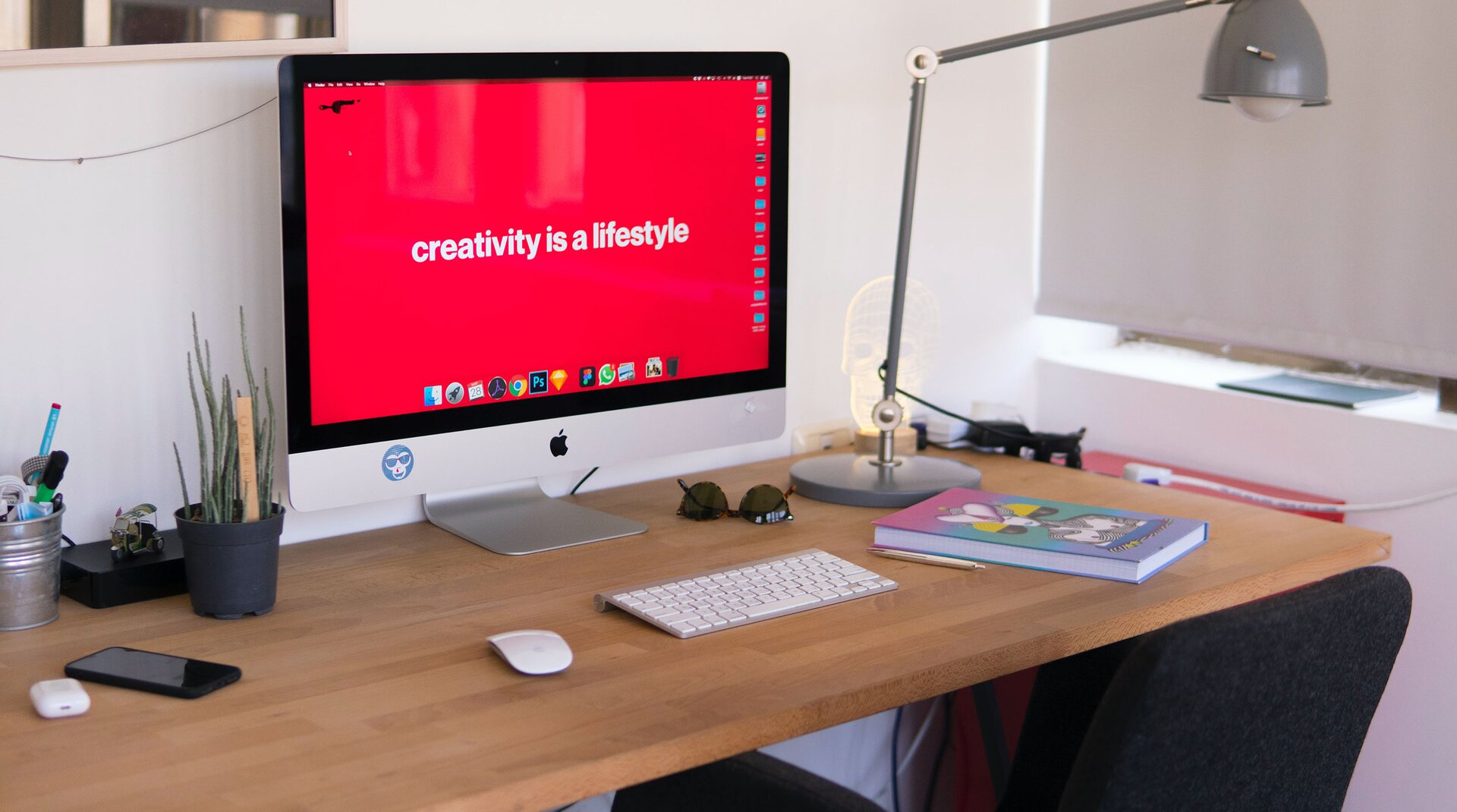
The picture below shows a place where somebody works. Is this how you imagine your future workplace? What can you say about a person working there?
Poniższe zdjęcie pokazuje przestrzeń, w której ktoś wykonuje pracę. Czy tak wyobrażasz sobie swoje przyszłe miejsce pracy? Co możesz powiedzieć o osobie tu pracującej? W tej sekcji przeczytasz cztery teksty przedstawiające różne formy pracy. Jak ty chciałbyś/chciałabyś pracować w przyszłości?
Match the words to create names of jobs.
Complete the puzzle to find out what the person's job is. Choose the correct option. Do you think it is an interesting job?
Read the texts and do the exercises below.
Jess
I don’t go to an office to do my work, I work remotelywork remotely from my home. After giving birth to my second child, I decided this type of work contractwork contract would be much more suitable for me, and the company I work for agreed to change my work contract in this respect. Basically, I do the same work as before, only that now I can decide when I do it, as long as I do everything I’m supposed to on a given day. The labour lawslabour laws are the same for me as for any other worker, and if I work longer, I report it, because paid hourspaid hours cover both normal and overtime hours. The flexibIe scheduleflexibIe schedule allows me to manage my working hoursworking hours on my own, so I can spend more time with my family. I’m pretty sure that in the future, more and more people will decide to work in this way.
Marlon
I work for UES, Inc. in Dayton, Ohio. As a VR engineer I work with objects in a virtual space using wireless technology. You definitely wouldn’t call it a 9 to 5 job9 to 5 job! We work shiftsshifts and I especially like the night work, as I can concentrate more then. It really suits me, although I know that many people prefer to work normal hoursnormal hours and have a more structured day. Work here is really stimulating, we create a lot of innovative products and the salary is really good. However, sometimes, when we have an urgenturgent order, we have to work overtimework overtime, for which we are given compensatory timecompensatory time, that is paid time off. I really like my job, since it gives me a sense of fulfillment and stability.
Maria
I have my own small company, so I’m my own boss. Most people think it’s great to be self‑employedself‑employed, but they don’t realise how hard you have to work to achieve success on your own. Of course, there are advantages, like not having to answer toanswer to anybody or making your own decisions, but don’t forget that it also means paying all the bills and premiumspremiums, and constantly worrying about your future. You can’t take annual leaveannual leave at any time, and you often work long hours, especially when you start your business. If you want to set up your own company, you have to take into consideration the mental impactmental impact this type of work has on your life.
Jim
I don’t have a contract to work for one company only. As a freelancefreelance journalist, I am hired to work on particular assignments by different magazines and I quite like it this way. In my previous job for The Curve I tried working flexitimeflexitime, choosing the hours I worked each day, but I spent so many extra hours at work anyway, that eventually I resigned. Now I can choose who I work with and how long I work for. If I feel overworkedoverworked I make sure I have some rest periodrest period between assignments and charge my batteries by going away.
Źródło: Agnieszka Sękiewicz‑Magoń, licencja: CC BY-SA 3.0.
- Which person has an office job?
a) Jess
b) Marlon
c) Maria
d) Jim
- Which reason for choosing a particular type of work is NOT mentioned in the texts?
a) being able to spend more time with family
b) being independent
c) suitable working hours
d) professional development
- Which person mentions your mental well-being as an important factor when deciding on this type of work?
a) Jess
b) Marlon
c) Maria
d) Jim
- Which aspect is mentioned in all four texts?
a) working overtime
b) job satisfaction
c) ability to choose your working hours
d) the pay
- Why has the author presented four different types of work?
a) to show which one is the best
b) to show their positive and negative aspects
c) to compare how much money you can earn in each one
d) to give advice to future workers
- We offer the possibility to work a 1. shifts, 2. compensatory time, 3. labour laws, 4. freelance, 5. work contract, 6. annual leave, 7. flexible schedule including weekends.
- The workmen were protected by 1. shifts, 2. compensatory time, 3. labour laws, 4. freelance, 5. work contract, 6. annual leave, 7. flexible schedule, which guaranteed benefits from the social security system.
- After years of working in corporations, he decided to become a 1. shifts, 2. compensatory time, 3. labour laws, 4. freelance, 5. work contract, 6. annual leave, 7. flexible schedule consultant because this let him choose his clients.
- The work is carried out continuously from Monday to Friday with two six-hour 1. shifts, 2. compensatory time, 3. labour laws, 4. freelance, 5. work contract, 6. annual leave, 7. flexible schedule of workers.
- Most full-time employees can have 28 days of an 1. shifts, 2. compensatory time, 3. labour laws, 4. freelance, 5. work contract, 6. annual leave, 7. flexible schedule.
- You will begin your training as soon as your 1. shifts, 2. compensatory time, 3. labour laws, 4. freelance, 5. work contract, 6. annual leave, 7. flexible schedule is signed.
- Employees who worked longer hours were offered 1. shifts, 2. compensatory time, 3. labour laws, 4. freelance, 5. work contract, 6. annual leave, 7. flexible schedule instead of extra money.
- Nobody likes (pracować w godzinach nadliczbowych) Tu uzupełnij , but sometimes it is necessary.
- If I had to (odpowiadać przed) Tu uzupełnij a boss like you, I would quit!
- She hoped to be able to (pracować zdalnie) Tu uzupełnij, but they didn’t let her.
- Being (samozatrudnionym) Tu uzupełnij has been his dream ever since he started work.
- Working in such inhumane conditions had a (psychiczny wpływ) Tu uzupełnij on his behaviour.
- People who (są przepracowani) Tu uzupełnij do not work as efficiently as they could.
- (Płatne godziny) Tu uzupełnij are calculated by deducting hours lost due to sickness, maternity leave, etc. from the normal basic hours.
- Research shows that a (okres wypoczynku) Tu uzupełnij is essential for the well-being of employees.
Słownik
/ 'naɪn tu faɪv 'dʒɒb /
typowa praca biurowa w standardowych godzinach (the normal working hours in an office)
/ ˈænjuəl ˈliːv /
coroczny urlop (a period of time every year when you are can be away from work)
/ ˈɑːnsə tu ˈsʌmbədi /
odpowiadać przed kimś, podlegać komuś (to have to explain your actions to somebody, e.g. to your boss)
/ kɒmˈpensejtəri ˈtaɪm /
wolne za nadgodziny (an arrangement that lets an employee to take time off work instead of getting money for working overtime)
/ driːm bɪɡ wɜːrk hɑːrd /
miej wielkie marzenia - pracuj ciężko
/ ˈfleksəbl̩ ˈskedʒuːl /
elastyczny grafik (a system in which employees can chose when they start and finish work each day)
/ ˈflɛksɪtʌɪm /
elastyczny czas pracy (a system in which employees can chose when they start and finish work each day)
/ ˈfriːlɑːns /
pracujący na własny rachunek (a system of work when you earn money by selling your services to several different organizations rather than being an employee of one organization)
/ ˈleɪbə lɔːz / / ˈleɪbə lɔː /
prawo pracy (a law talking about the rights and responsibilities of employees)
/ ˈmentl̩ ɪmˈpækt /
wpływ na psychikę (the influence on your psychological and social well‑being)
/ ˈnɔːml̩ ˈaʊəz /
standardowe godziny pracy (the usual 9–5 working hours)
/ ˌəʊvəˈwɜːkt /
przepracowany/przepracowana (made to work too much)
/ peɪd ˈaʊəz / / peɪd ˈaʊə /
godziny płatne [godzina płatna] (hours actually worked for which an employee will receive money)
/ ˈpriːmɪəmz / / ˈpriːmɪəm /
składki ubezpieczeniowe [składka ubezpieczeniowa] (an amount of money that you or your employer pay once or regularly for an insurance policy)
/ ˈrest ˈpɪərɪəd /
okres odpoczynku (a time when you are not working)
/ ˌself ɪmˈplɔɪd /
samozatrudniony/samozatrudniona (working for yourself)
/ ʃɪfts / / ʃɪft /
zmiany [zmiana] (a system of work in which a group of workers start work as another group finishes)
/ ˈɜːdʒənt /
pilne (requiring immediate attention)
/ ˈwɜ:k kənˈtrækt /
umowa o pracę (an agreement between you and your employer that defines your working relationship)
/ ˈwɜ:k ˈəʊvətaɪm /
pracować w nadgodzinach (to spend time at work after your normal hours have ended)
/ ˌwɜ:kɪŋ ˈaʊəz / / ˌwɜ:kɪŋ ˈaʊə /
godziny pracy [godzina pracy] (any hours that you spend working)
/ ˈwɜ:k rɪˈməʊtli /
pracować zdalnie (to work from home or another place which is not your office)