Japan – features of the natural environment and modern economy
that on Earth, in places where there is contact between lithospheric plates, there are seismic phenomena and active volcanoes;
what the consequences of earthquakes can be and the destruction caused by undersea volcanic eruptions;
which types of climate occur in Asia;
that socio‑cultural factors play a vital role in the development of a country and its institutions.
to determine the location of the Japanese archipelago and read the names of the largest of its islands;
to identify the natural threats occuring in the area of East Asia which shape the natural environment of the Japanese archipelago;
to name the ways people adapt to the natural threats (earthquakes, typhoons and tsunamis) in Japan;
to identify the importance of social and cultural factors in the creation of Japan's modern economy.
What influences Japan's variations in climate?
Japan's natural environment – threats and limitations to settlement and economic development
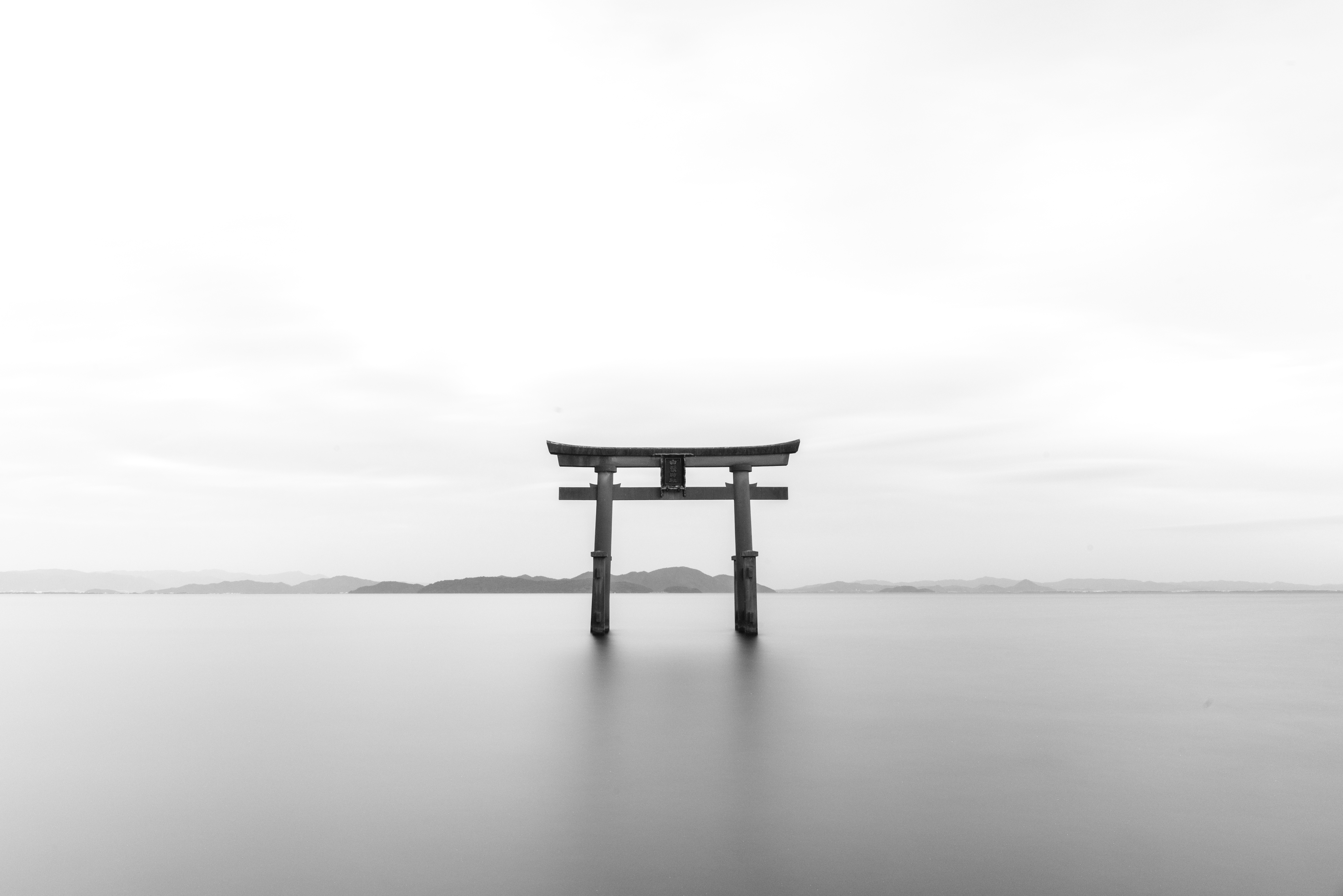
The Japanese archipelago stretches in the shape of an arch with a length of approximately 2.5 km along the East coast of Asia, from the North‑East to the South‑West. Its main part is made up of 4 large islands – Hokkaido, Honsiu, Kiusiu and Sikoku – separated from Asia by the Sea of Japan, and from the West, surrounded by the open waters of the Pacific Ocean. The long Riukiu archipelago, which is made up of small islands, is located in the South. On the ocean floor, parallel to the islands, oceanic trenches run at a depth of 6 km to 10 km: the Japan Trench – 8412 metres below sea level and the Izu‑Ogasawara Trench – 9710 metres below sea level.
The Japanese archipelago is the emerging ridge of an undersea mountain range, which came into existence as a result of lithospheric plates colliding. The whole region is, therefore, seismically active – earthquakes frequently occur there, and there are numerous active volcanoes. This is linked to the archipelago's location in the Pacific ocean's „Ring of Fire”. In Japan, there are 160 volcanoes, of which 46 demonstrate constant activity. The most famous volcano is Fuji, which is 3776 metres above sea level, making it also the highest point in Japan. Its cone is a national symbol.
Upland areas and mountainous areas , which occupy around 85% of the country's area, dominate the shape of the Japanese archipelago's surface. Lowlands can be found in the coastal zone and in the depressions between mountain belts.
Look at the hypsometric map of Japan in the e‑book.
Earthquakes are a huge threat to people. Every year in Japan, around 5 thousand seismic shocks are recorded. One of the most tragic was the earthquake of 1st September 1923, which affected the Kanto plain on the left coast of the island of Honsiu. At the time, almost 100 thousand people died. In the 21st century, on 11 march 2011, an underwater earthquake with a strength of 9 on the Richter scale caused a tsunami which, by hitting the north‑eastern area of the island of Honsiu with great force, destroyed many towns and settlements in the Tohoku region. 26 thousand people died, and material losses were estimated to be around 210 billion dollars. Tsunamis are especially dangerous in coastal zones. In the ocean, they range from 0,5 m to 2 m in height. However in coastal areas they accumulate in shallow waters and hit with huge force, deluging, destroying and displacing objects within their reach.
An extremely diverse element of the Japanese archipelago's natural environment is its climate.
It is determined by:
its location in temperate latitudes and its large meridonal extent;
the insular location between Asia to the West and the Pacific Ocean to the East;
considerable variations in altitudes on the four large Japanese islands;
the impact of ocean currents – the cold Oja Siwo current reaches the islands from the North‑East, and the warm Kuro Siwo, from the South‑East.
In Japan, there is a monsoon climate, which modifies zonal climate types. The northern part of the Japanese archipelago has a temperate continental climate with distinct thermal seasons. In the central part of Japan, there is a humid subtropical climate, and in the South - a humid tropical climate. Throughout Japan there is high precipitation – the average yearly total is 1858 mm.
The Japanese archipelago is located on a typhoon path. Typhoons – in Chinese: 'great wind' – originate over the Pacific Ocean to the West of the Philippines and over the South China Sea during monsoon changes (from summer to winter). During a typhoon, wind speeds reach up to 200 km/h. Every year, there are around 20 hurricane strength typhoons, which conjure powerful waves on the sea. The strong wind and heavy rainfall cause great damage, so every approaching typhoon is reported in the media.
The most important information about Japan's natural environment:
The Japanese archipelago is a relatively small archipelago located along the East coast of Asia.
The area surrounding the archipelago and the islands themselves are seismic terrain, with active volcanoes on land and on the ocean floor.
Tall mountains and uplands cover the interior of the islands, and lowlands account for only 15% of the surface in the coastal zones exposed to tsunamis.
From July to October, there are typhoons – strong winds with heavy rainfall.
An important element of the natural environment, which favoured settlers on the Japanese archipalego, was the excellently developed coastline.
Japan
The population of Japan – social and cultural factors in the creation of the modern economy
Today, 126.5 million people live in Japan, which makes it the eleventh most populous nation in the world. The most densely populated part of Japan, known as the Japanese Megalopolis, spans the southern part of the island of Honsiu, from the Kanto lowlands, where Tokyo – the country's capital is located, to the northern part of the island of Kiusiu.

Japanese agriculture
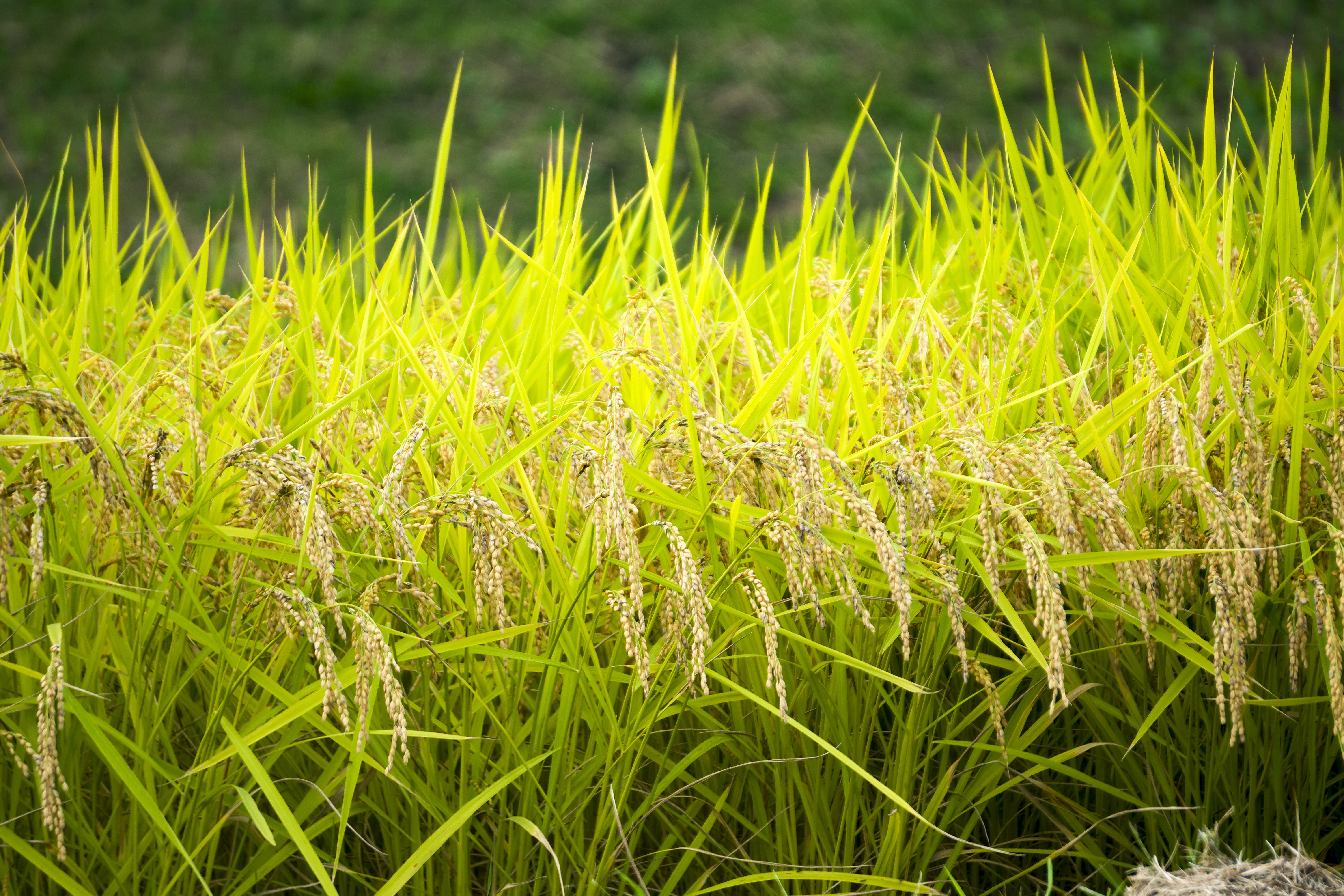
Japan's example shows the impact of natural and non-natural factors on agriculture. Factors which intensify agriculture are:
- a high level of mechanization in all field jobs;
- the usage of high doses of mineral fertilizers;
- the mass use of plant protection products;
- the usage of high quality seeds;
- highly educated farmers – around 1/3 of people working in this economic sector have at least a secondary education.
Japanese industry
Japan doesn't have significant mineral resources, but despite this, is a global economic power.
The driving force behind Japan's economic development was heavy industry . In the 1930s, the steel industry was expanded, which still maintains a leading position in the world today.
The Japanese model of industrial change anticipated a transition from labour intensive industries (textile), to capital intensive industries (heavy, shipbuilding) to the industry of
Oceanic wave, caused by an underwater earthquake, volcanic eruption, landslide or calving of glaciers. The waves propagate annually from the place of excitation. is called:
- tsunami.
- fehn.
- monsoon.
Keywords
The Ring of Fire, Fuji, tsunami, Japan, typhoon
Glossary
tsunami - fala oceaniczna, wywołana podwodnym trzęsieniem ziemi, wybuchem wulkanu, osuwiskiem ziemi lub cieleniem się lodowców. Fale rozchodzą się pierścieniowo od miejsca jej wzbudzenia.