Przeczytaj
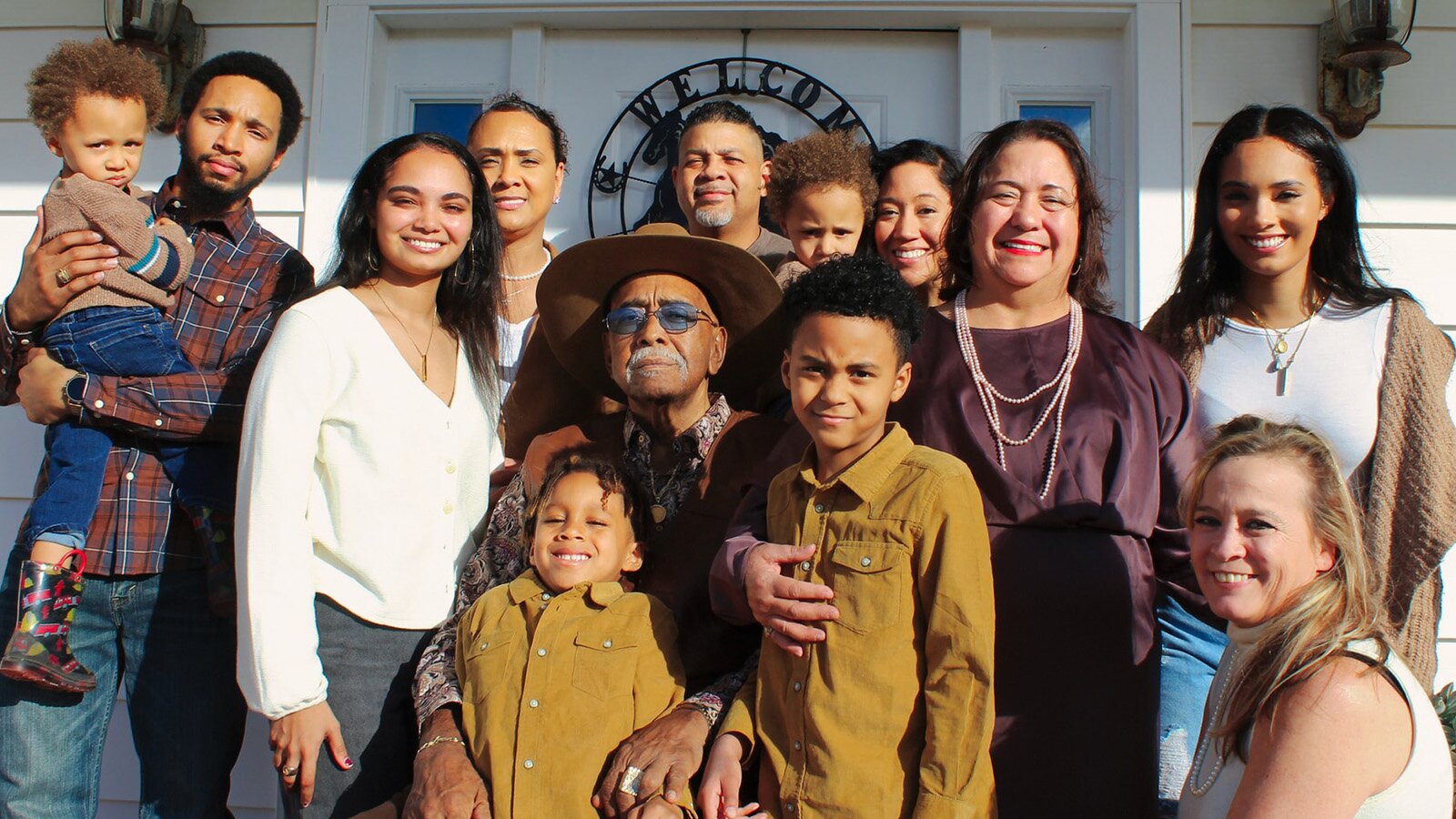
The picture below shows a Mexican multigenerational family. Despite the fact that they are loving and caring, all of its members don’t meet every day. However, they organise regular get‑togethers because they believe in fostering close links and cultivating relationships. In this section, you are going to read a text which will tell you why it is crucial to keep in touch with the members of your family.
Na zdjęciu widzisz wielopokoleniową meksykańską rodzinę. Jej członkowie, choć bardzo się kochają i troszczą się o siebie, nie widują się codziennie. Organizują za to regularne spotkania, ponieważ bardzo cenią sobie tworzenie więzi i utrzymywanie bliskich relacji. W tej sekcji przeczytasz tekst o tym, dlaczego regularny kontakt z rodziną jest tak ważny.
2. We usually don’t keep in touch with our distant 1. multigenerational families, 2. stepsister, 3. widower, 4. spouse, 5. ancestors, 6. relatives; they live far away and they don’t come to our family reunions even if they are invited.
3. Due to pandemic restrictions, only a 1. multigenerational families, 2. stepsister, 3. widower, 4. spouse, 5. ancestors, 6. relatives can visit you in hospital. You aren’t allowed any other visitors.
4. When you prepare a family tree, you can get to know many interesting facts from your 1. multigenerational families, 2. stepsister, 3. widower, 4. spouse, 5. ancestors, 6. relatives, and you can trace them and find their records even from two centuries ago.
5. John’s wife died when she was young and he’s been a 1. multigenerational families, 2. stepsister, 3. widower, 4. spouse, 5. ancestors, 6. relatives for more than 20 years now.
6. In the past, 1. multigenerational families, 2. stepsister, 3. widower, 4. spouse, 5. ancestors, 6. relatives lived together under one roof. Today, it’s very rare for kids to live with their parents and grandparents in one flat.
Study the text and do the exercises below.
Why Should I See My Family?Can you remember when you made a phone call to your great‑aunt? When did you pay your gran a visit? How about the last time you had lunch with your sister and her kids? In the contemporary world, most communication with our next of kinnext of kin is based on texting or exchanging short messages via communication applications. We rarely make time formake time for having meaningful conversations, let alonelet alone meeting one another face to face. But does that mean that we should refuse to cherishcherish developing strong tiesties with our loved ones? Of course not. That’s why every now and then, family reunions should be organised.
Family gatherings can be either formal or informal – it depends on the occasion. Some of us simply enjoy the company of relatives and invite our nearest and dearestnearest and dearest as often as possible. After all, what can be more rewardingrewarding than spending the day surrounded by children, grandchildren, and cousins? Others organise a meeting when a family member who lives abroad permanentlypermanently decides to visit their home country to celebrate the fact that they can finally see this person. Such get‑togethersget‑togethers can be held at home or in the garden if the weather allows it. Another good option is inviting your family for a holiday such as Thanksgiving, Christmas, or Easter. It is these special moments which you want to remember, especially when they involveinvolve seniors. It’s worth dressing updressing up for such a meeting and taking family photos.
But there are other situations which requirerequire a certain degree of formality. A wedding, funeralfuneral, or christeningchristening are the most common. This is when planning is mandatorymandatory. A proper venuevenue must be booked, the date set, invitations sent (the recipients are expected to RSVPRSVP), and catering ordered. It is customarycustomary to make sure that those who are arriving from afarfrom afar have a place to stay. Some families are more than willing to host guests in their houses while other people would rather book a hotel room for those who come for a family celebration. Whatever option you choose, you should take into accounttake into account the fact that you’ll have to plan different activities to make sure the ceremony runs smoothlysmoothly. For example, you may want to include some speeches or toasts to mark happy occasions or a eulogyeulogy and extending condolencesextending condolences during a funeral.
When organising a reunion, it’s necessary to think about what we want to celebrate and how. It may seem that organisational skills have to be used to the fullest, but to be honest, it’s more important to know that you are around the people who are special. And even if attending such events isn’t your thingisn’t your thing, remember that the world doesn’t always revolve aroundrevolve around you and that it’s important to do something nice for those who have always been there for you and who love you unconditionallyunconditionally. Perhaps it’s their last chance to see you?
Źródło: Marta Hilgier, licencja: CC BY-SA 3.0.
Read the text above and choose the correct answer. There is only one correct answer in each point.
One day, my brother visited me. Because he came 3. 1. unconditionally, 2. book, 3. from afar, 4. revolve around, 5. nearest and dearest, 6. alone, 7. willing, 8. venue, 9. involved, 10. funeral, 11. eulogy, 12. cherishing, 13. family ties, 14. get-together, 15. exchanging messages I decided to 4. 1. unconditionally, 2. book, 3. from afar, 4. revolve around, 5. nearest and dearest, 6. alone, 7. willing, 8. venue, 9. involved, 10. funeral, 11. eulogy, 12. cherishing, 13. family ties, 14. get-together, 15. exchanging messages a hotel room for him close to my apartment, but he was 5. 1. unconditionally, 2. book, 3. from afar, 4. revolve around, 5. nearest and dearest, 6. alone, 7. willing, 8. venue, 9. involved, 10. funeral, 11. eulogy, 12. cherishing, 13. family ties, 14. get-together, 15. exchanging messages to stay at my place. I wasn’t too happy about it, however I told myself, “Hey, he loves you 6. 1. unconditionally, 2. book, 3. from afar, 4. revolve around, 5. nearest and dearest, 6. alone, 7. willing, 8. venue, 9. involved, 10. funeral, 11. eulogy, 12. cherishing, 13. family ties, 14. get-together, 15. exchanging messages , he’s coming to see you and deserves your time, after all, the world doesn’t 7. 1. unconditionally, 2. book, 3. from afar, 4. revolve around, 5. nearest and dearest, 6. alone, 7. willing, 8. venue, 9. involved, 10. funeral, 11. eulogy, 12. cherishing, 13. family ties, 14. get-together, 15. exchanging messages you.”
So, Bill arrived and said he had to attend the 8. 1. unconditionally, 2. book, 3. from afar, 4. revolve around, 5. nearest and dearest, 6. alone, 7. willing, 8. venue, 9. involved, 10. funeral, 11. eulogy, 12. cherishing, 13. family ties, 14. get-together, 15. exchanging messages of his close friend who had suddenly died of a heart attack. I offered to give him a lift to the 9. 1. unconditionally, 2. book, 3. from afar, 4. revolve around, 5. nearest and dearest, 6. alone, 7. willing, 8. venue, 9. involved, 10. funeral, 11. eulogy, 12. cherishing, 13. family ties, 14. get-together, 15. exchanging messages , a beautiful church. Bill was supposed to give a 10. 1. unconditionally, 2. book, 3. from afar, 4. revolve around, 5. nearest and dearest, 6. alone, 7. willing, 8. venue, 9. involved, 10. funeral, 11. eulogy, 12. cherishing, 13. family ties, 14. get-together, 15. exchanging messages and when I listened to it carefully, I thought it was high time I started 11. 1. unconditionally, 2. book, 3. from afar, 4. revolve around, 5. nearest and dearest, 6. alone, 7. willing, 8. venue, 9. involved, 10. funeral, 11. eulogy, 12. cherishing, 13. family ties, 14. get-together, 15. exchanging messages the time I had with my family because life is short. You never know when one of your 12. 1. unconditionally, 2. book, 3. from afar, 4. revolve around, 5. nearest and dearest, 6. alone, 7. willing, 8. venue, 9. involved, 10. funeral, 11. eulogy, 12. cherishing, 13. family ties, 14. get-together, 15. exchanging messages will be seriously ill, let 13. 1. unconditionally, 2. book, 3. from afar, 4. revolve around, 5. nearest and dearest, 6. alone, 7. willing, 8. venue, 9. involved, 10. funeral, 11. eulogy, 12. cherishing, 13. family ties, 14. get-together, 15. exchanging messages will no longer be with us. From then on I have attended every family 14. 1. unconditionally, 2. book, 3. from afar, 4. revolve around, 5. nearest and dearest, 6. alone, 7. willing, 8. venue, 9. involved, 10. funeral, 11. eulogy, 12. cherishing, 13. family ties, 14. get-together, 15. exchanging messages even when they 15. 1. unconditionally, 2. book, 3. from afar, 4. revolve around, 5. nearest and dearest, 6. alone, 7. willing, 8. venue, 9. involved, 10. funeral, 11. eulogy, 12. cherishing, 13. family ties, 14. get-together, 15. exchanging messages dressing up for the occasion.
Słownik
/ ˈtʃerɪʃ /
dbać, czcić
/ ˈkrɪsn̩ɪŋ /
chrzciny
/ ˈkʌstəməri /
tradycyjny/tradycyjna, zwyczajowy/zwyczajowa
/ ˈdresɪŋ ʌp / / ˈdres ʌp /
wystrojenie się [stroić się]
/ ˈjuːlədʒi /
mowa pogrzebowa
/ ɪkˈstendɪŋ kənˈdəʊlənsɪz /
składanie kondolencji
/ frəm əˈfɑː /
z daleka
/ ˈfjuːnərəl /
pogrzeb
/ ˈɡet təɡeðəz / / ˈɡet təɡeðə /
imprezy [impreza]
/ ɪnˈvɒlv /
włączyć
/ ˈɪznt jə ˈthetaɪŋ /
ciężko pracować, nie jesteś stworzony/stworzona do harówki
/ ˈleɪbə /
ciężko pracować
/ ˈlet əˈləʊn /
nie mówiąc już o
/ ˈmeɪk ˈtaɪm fə ˈsʌmbədi ˈsʌmthetaɪŋ /
znaleźć czas dla kogoś/czegoś
/ ˈmændətr̩i /
konieczne, obowiązkowe [konieczny/konieczna, obowiązkowy/obowiązkowa]
/ ˈnɪərɪst ənd ˈdɪərɪst /
najbliżsi
/ nekst əv kɪn /
bliska rodzina
/ ˈpɜːmənəntli /
permanentnie, bez przerwy
/ rɪˈkwaɪə /
wymagają [wymagać]
/ rɪˈvɒlv əˈraʊnd /
kręcić się wokół
/ rɪˈwɔːdɪŋ /
dający/dająca satysfakcję
/ ˌɑ:ˌresˌviːˈpiː pliːz rɪˈplaɪ /
odpowiedzieć na zaproszenie (please reply)
/ ˈsmuːðli /
gładko
/ ˈteɪk ˈɪntə əˈkaʊnt /
wziąć pod uwagę
/ taɪz /
relacje, związki, więzi rodzinne
/ ˌʌnkənˈdɪʃənəli /
bezwarunkowo
/ ˈvenjuː /
miejsce spotkania, lokal
Źródło: GroMar Sp. z o.o., licencja: CC BY‑SA 3.0