Plik audio
Indigenous cultures are rich in customs and traditions that, unfortunately, many of us have never heard of. Learning about them might give you insight into the history, beliefs, and cultural practices of groups of people from all around the world. In this section, you’re going to work with accounts of fascinating cultural practices from the Inuit, Maori, and Aboriginal cultures.
Rdzenne ludy mają swoje bogate zwyczaje i tradycje, o których niestety wielu z nas nigdy nie słyszało. Poznanie ich może dać ci wgląd w historię, wierzenia i praktyki kulturowe ludzi z całego świata. W tej sekcji będziesz pracować z nagraniami dotyczącymi fascynujących praktyk kulturowych Inuitów, Maorysów i Aborygenów.
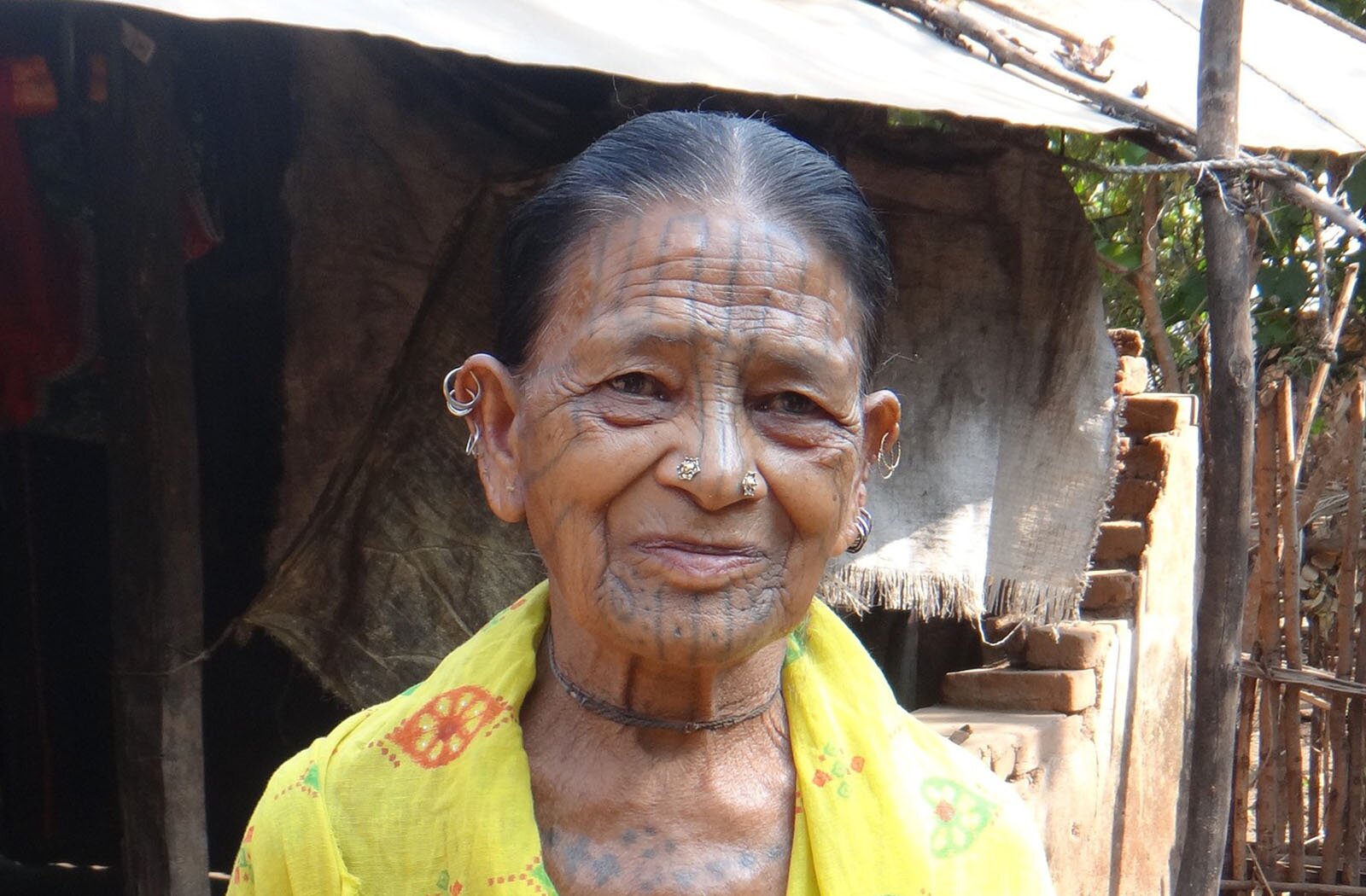
Work with the recordings below and do the exercises.
The Inuit: Kakiniit
Nagranie dostępne pod adresem https://zpe.gov.pl/a/DxDw1APQV
Nagranie dźwiękowe
The Māori: Kōhā
Nagranie dostępne pod adresem https://zpe.gov.pl/a/DxDw1APQV
Nagranie dźwiękowe
Aboriginal Australians: Welcome to Country
Nagranie dostępne pod adresem https://zpe.gov.pl/a/DxDw1APQV
Nagranie dźwiękowe
1. Kakiinit are intended for women to mark their way from childhood into adulthood.
2. Men’s tattoos look very similar to those of women but have different meanings.
3. The tradition of tattooing women has been practised for centuries without a break.
4. Historically, tattoos had a specific meaning relating to such things as,
for example, becoming a mother.
5. Kakiinit can be done only with the use of traditional tools such as wood,
bone, or steel needles.
Kōhā
1. The word may mean “offering”, “donation”, “kinship”, and “embroidery”.
2. Historically, the hosts received food or cultural items from their guests.
3. You can offend the host by giving him or her the wrong gift.
4. The host will often inform guests on how much money to bring, so they get
the biggest possible amount.
5. Nowadays, kōhā is usually money and works as a charge for rendered services.
Welcome to Country
1. Welcome to Country can be performed by anyone, most often by a member of the
Australian government.
2. The ritual may consist of different elements such as a speech or a smoking
ceremony.
3. The word “Country” has a deep meaning which relates to the holistic beliefs
of Aboriginal Peoples.
4. Historically, Welcome to Country would be performed to greet people arriving
on a specific part of the land.
5. The Australian government embraces Welcome to Country to mend the historically
fragile relationship between Aboriginal peoples and the colonists.
2. Historically, elderly Inuit women would use wood, steel, or bone needles and employ the 1. fixed-upon sum, 2. revival, 3. gratitude, 4. hand poke, 5. smoking ceremony, 6. elder, 7. unique, 8. symbolic meaning method to tattoo kakiniit.
3. A crucial element of kōhā is showing 1. fixed-upon sum, 2. revival, 3. gratitude, 4. hand poke, 5. smoking ceremony, 6. elder, 7. unique, 8. symbolic meaning to the host by giving them the right gift.
4. While the ritual of Welcome to Country can take on many forms, its most popular element remains the 1. fixed-upon sum, 2. revival, 3. gratitude, 4. hand poke, 5. smoking ceremony, 6. elder, 7. unique, 8. symbolic meaning.
5. Nowadays, many of the traditional customs and traditions, such as kakiniit, are undergoing a 1. fixed-upon sum, 2. revival, 3. gratitude, 4. hand poke, 5. smoking ceremony, 6. elder, 7. unique, 8. symbolic meaning.
6. Most of the indigenous traditions have a 1. fixed-upon sum, 2. revival, 3. gratitude, 4. hand poke, 5. smoking ceremony, 6. elder, 7. unique, 8. symbolic meaning within the contemporary context.
Write answers to the questions below in 3–4 sentences.
Historically, what’s the meaning behind kakiniit?
What’s mana and why is it important in relation to kōhā?
Why does the Australian government embrace Welcome to Country?