Herbivores, adaptation to a herbivorous diet, plants' defence mechanisms
that the food consumed by animals provides them with ingredients necessary for the building and functioning of the body and the energy required to perform vital functions;
that the adaptation to a lifestyle refers to the features of the structure and functioning of the organism and to behaviour patterns.
to identify and discuss the adaptation of animals to food acquisition;
to explain what determines the number of predators and their victims in the ecosystem;
to indicate what features evolved as a means of defence against predators;
to explain the relationship between the type of food (plant‑based, animal‑based) and the structure of the digestive system
to give examples and to recognize the characteristics of plants that are adapted to defend themselves against herbivores.
Nagranie dostępne na portalu epodreczniki.pl
Nagranie dźwiękowe abstraktu dotyczące roślinożerców, przystosowania do roślinożerności, przystosowania obronnego roślin
Herbivores
Plants are the source of food for herbivores. Among herbivores we can find many insects, but also some fish, birds and mammals, mainly ungulates. Interestingly, there are almost no herbivorous species among amphibians; herbivorous reptiles are also very rare. Taking food of plant origin requires the development of certain features (adaptationadaptation).
Adaptations for digesting plant food can be traced on the example of herbivorous mammals. Plant‑based food is relatively easy to acquire, but difficult to digest. Its main ingredient is cellulose (a polysaccharide that builds walls of the plant’s cells), which mammals cannot decompose because they lack adequate digestive enzymes. A portion of plant‑based food provides significantly less energy as compared to the same portion of food of animal origin. For this reason, herbivores graze for many hours every day and have a long, extensive digestive tract, in which the food can stay and be digested for a long time.
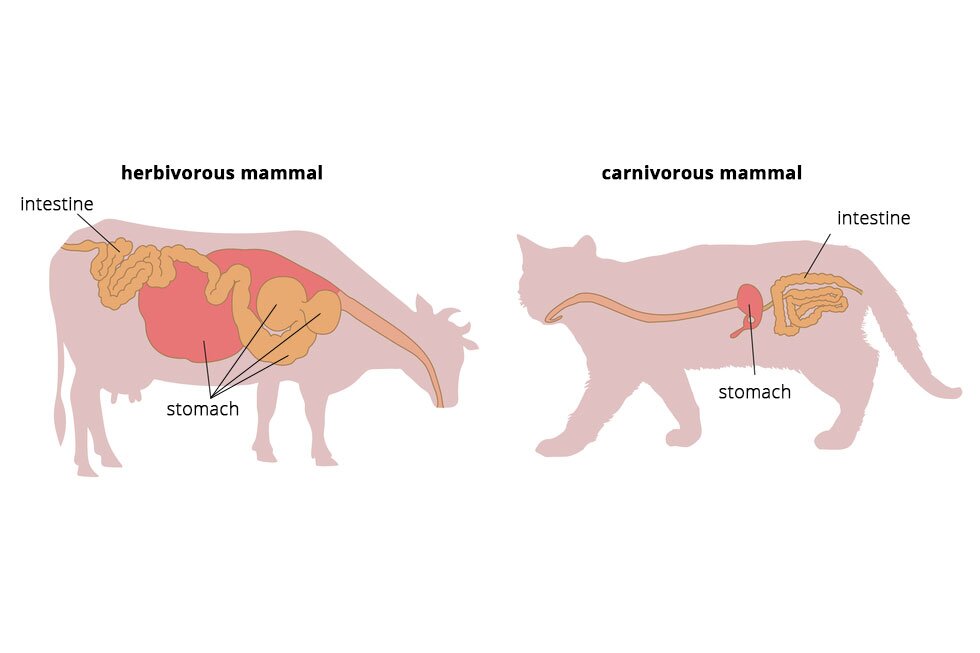
Explain why the fact that the food stays in the digestive tract for a long time allows for its more accurate digestion.
A large African elephant eats about 200 kg of grass, leaves, small twigs and fruit daily. Of all this, almost half is removed with faeces. A giraffe consumes similar foods, but eats 10 times less than the elephant in relation to its body weight. This is because the giraffe is a ruminant, and the digestion is facilitated by the microorganisms that live in its stomach. Thanks to them, the giraffe digests its food more efficiently.
Adaptation to an herbivorous diet
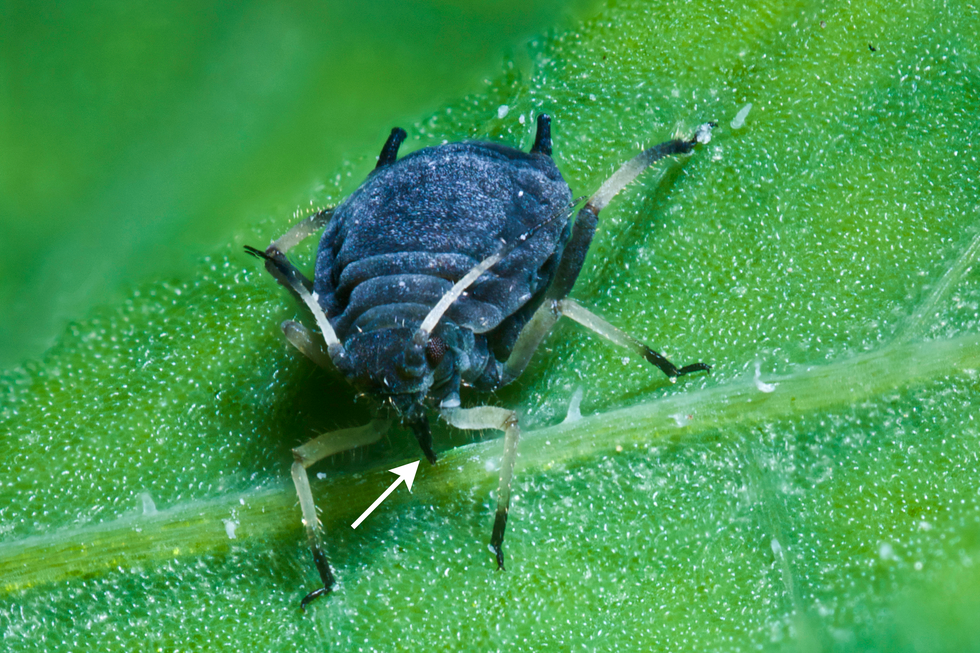
Hard plant food requires insects to be equipped with chewing mouthparts that are capable of cutting off leaves, drilling wood, and eating fruit. These organs have wide and flat edges, similar to scissors.
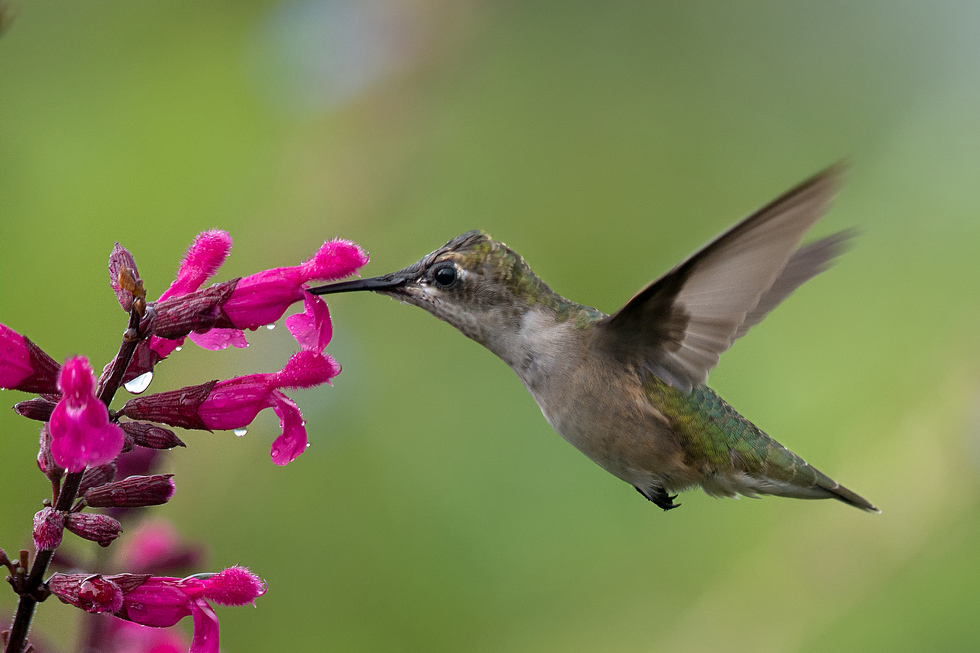
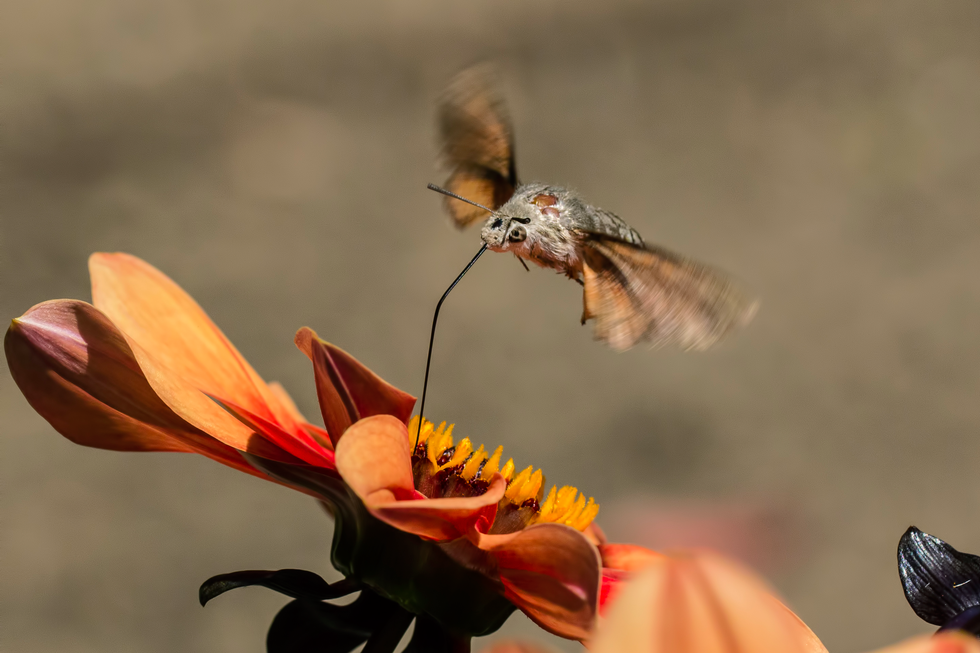
Herbivorous birds have a high energy demand, which is why they feed mainly on fruit or seeds. They usually have thick, strong beaks. The hawfinch, 18 centimetres long and weighing only 5 decagrams, can crush beech seeds, fruit seeds and hazelnuts with its beak. The crossbills have crossed mandibles, which are specialized in extracting seeds from cones. The hummingbird, which feeds on the liquid nectar of flowers, has a long, narrow, and relatively soft beak.
Among mammals, the adaptation to digesting plant‑based food is evident in the structure of their teeth. The front teeth of mammals that feed on the grass, the incisors, are arranged in a line, thanks to which they form a sharp cutting edge. The rear teeth, in turn, are wide and have a flat crown, covered with sharp folds resembling a grater. They are used to grind food. Teeth of herbivores wear out over time, even up to the gums. In rodents that feed on harder food, the incisors grow throughout their lives. Thanks to that, these mammals can bite bark and wood, hard seeds and fruits.
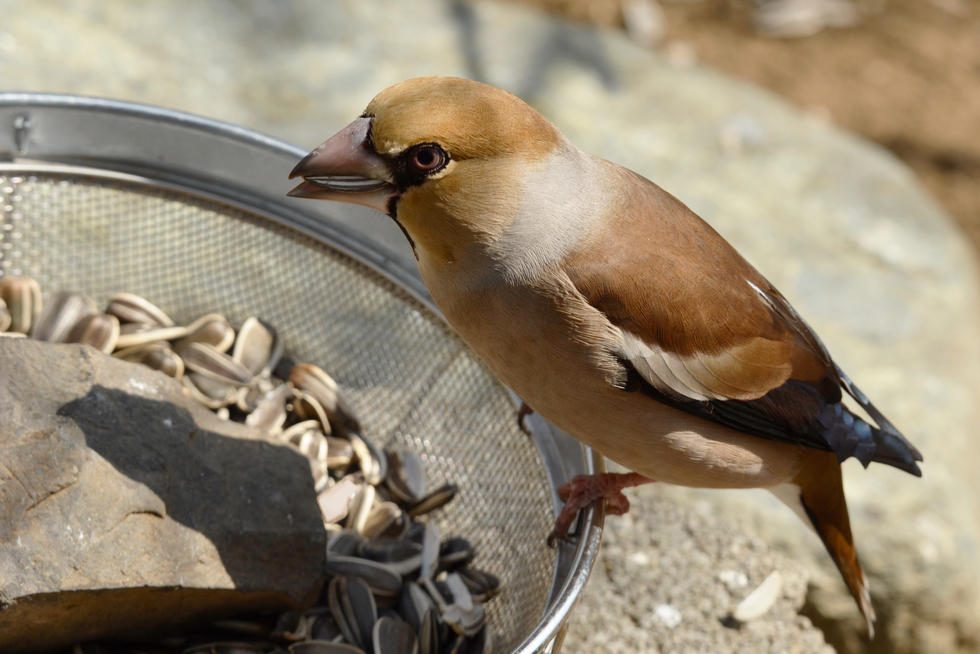
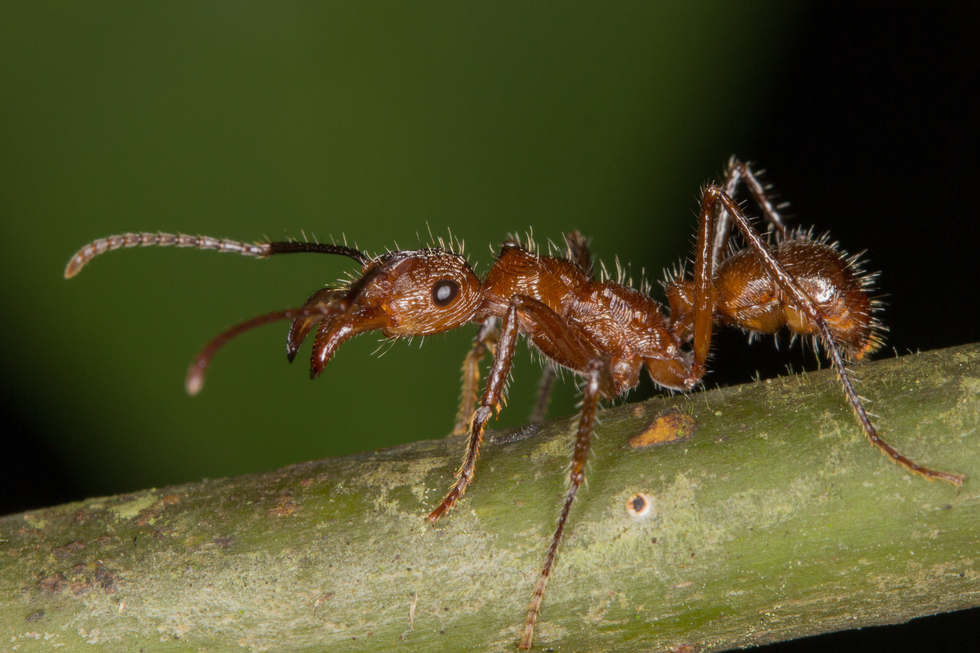
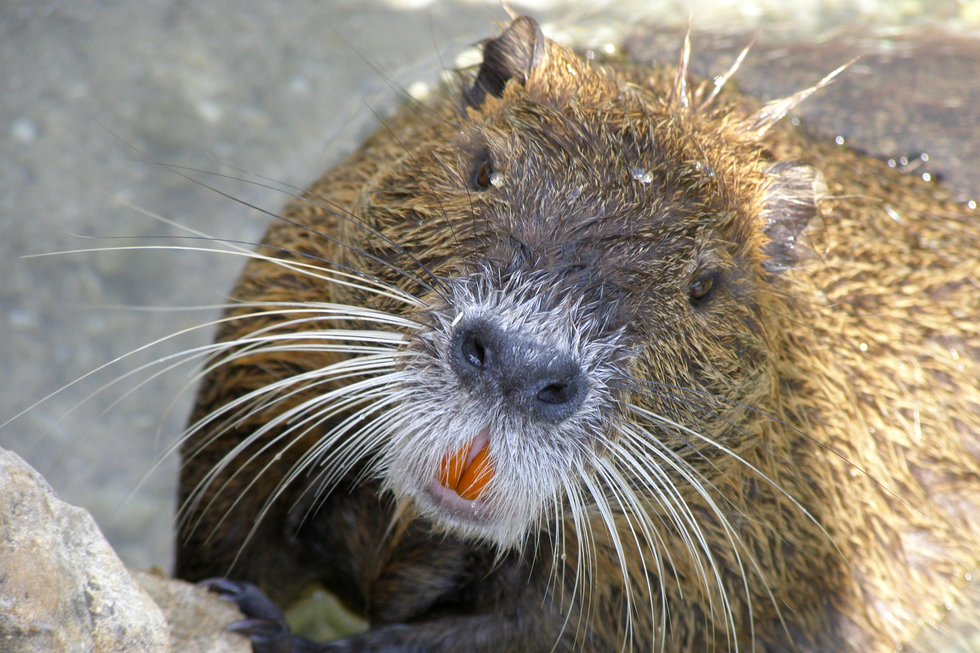
The giraffe has a special nutritional adaptation. It eats the leaves of spiny bushes, therefore it has prehensile, tough lips and tongue, which measures up 50 centimetres. These organs are resistant to thorny pricks.
Cows and other herbivores have a very sensitive, bare, moist skin from the upper lip up to the nostrils. Explain what function it plays in food intake.
Plants' defence mechanisms
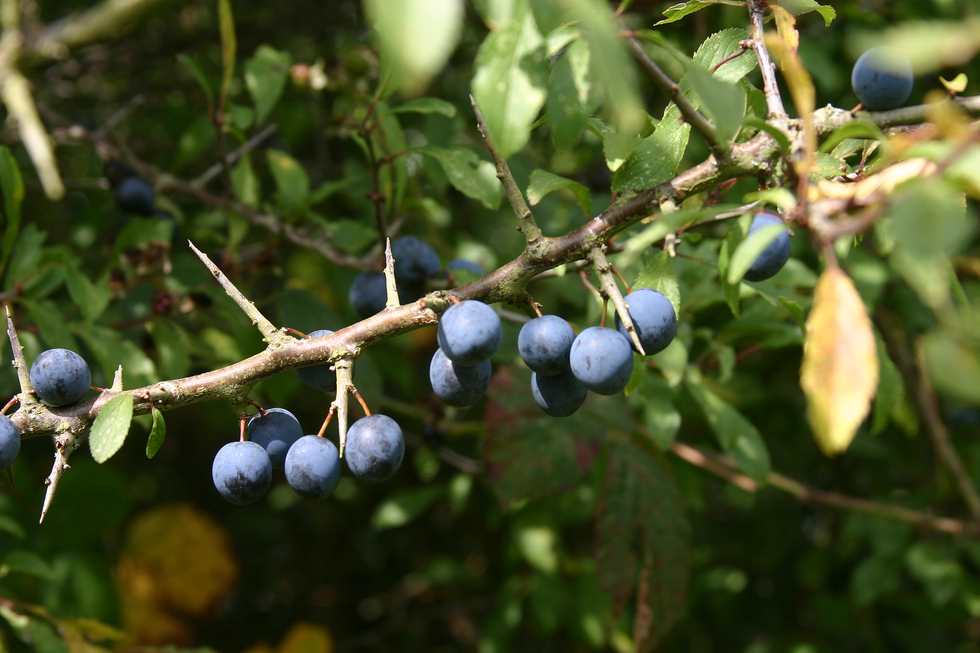
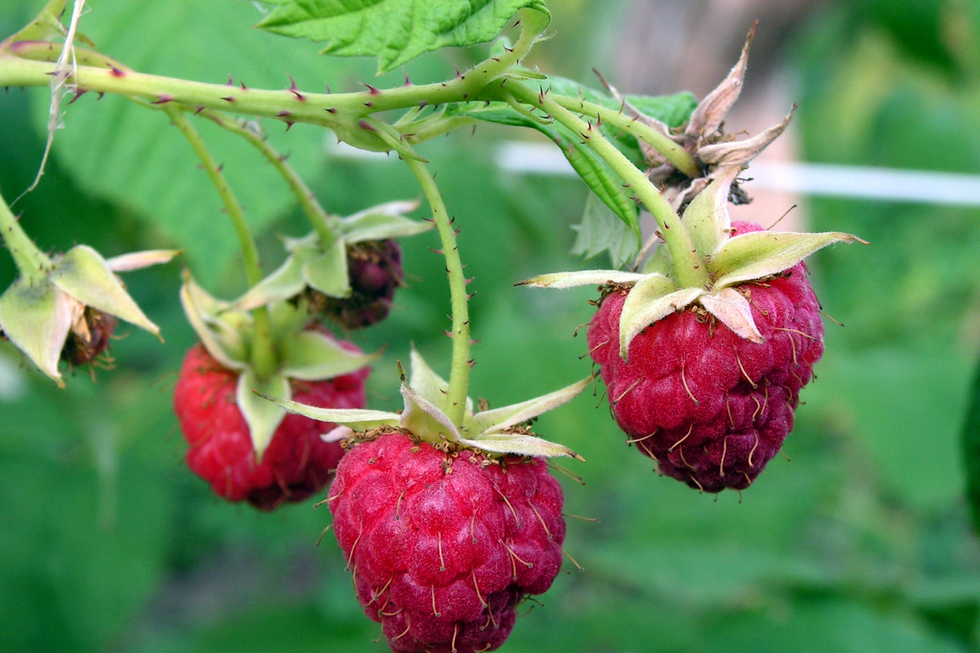
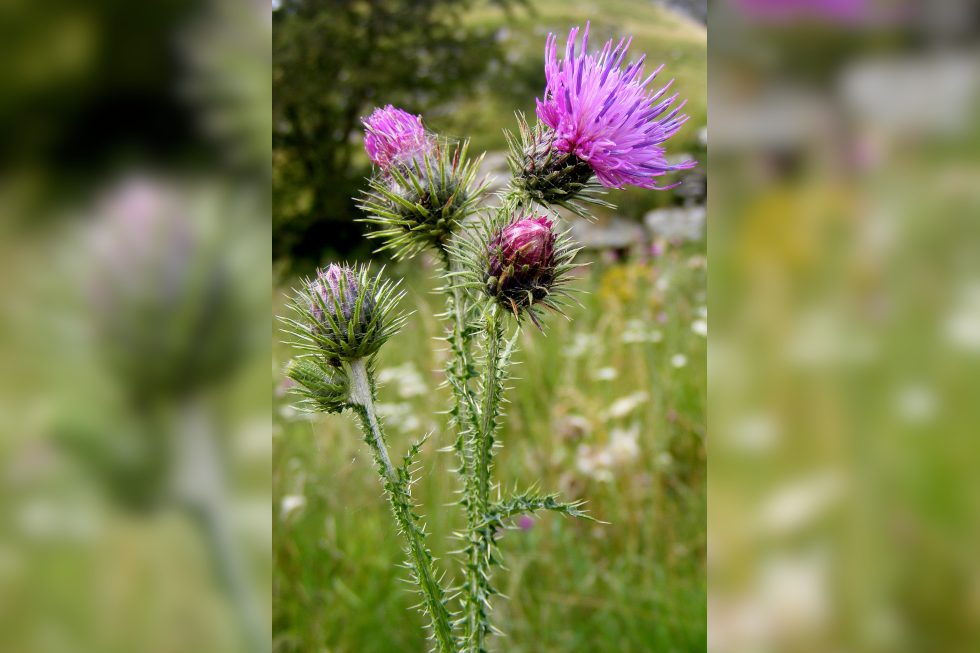
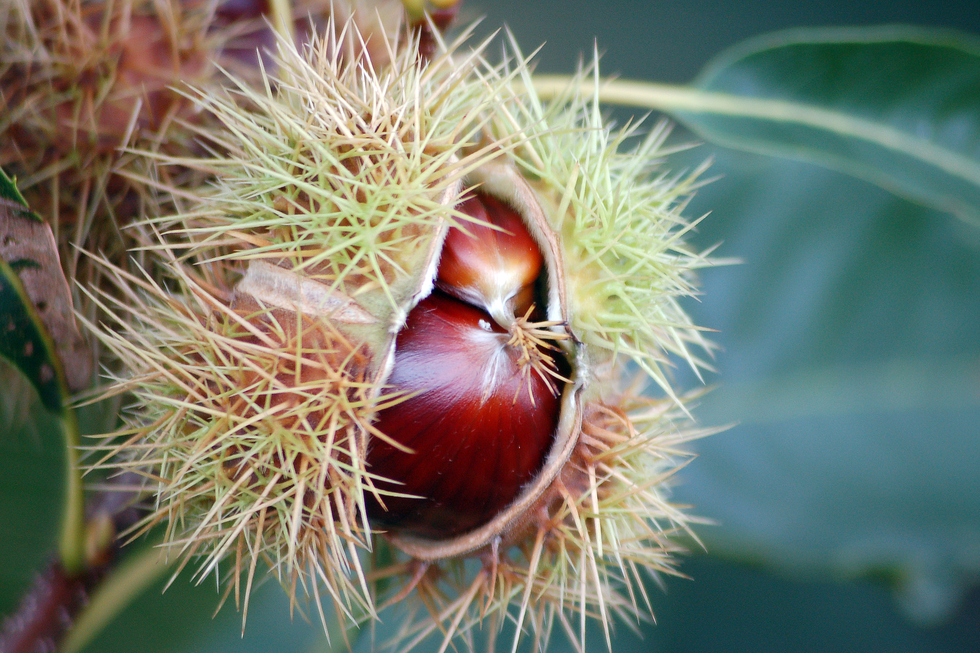
Plants eaten by animals grow less and bear less seeds. That is why they have developed various strategies to defend themselves against herbivores, one of which is mechanical defence. Plants protect themselves against biting by producing hard leaves (e.g. spruce), which can be digested by few animals, leaves covered with thick hairs (e.g. mullein), which are an impenetrable barrier for small organisms, or create spikes and pricklesprickles and thornsthorns that discourage the touching (e.g. blackberry, blackthorn).
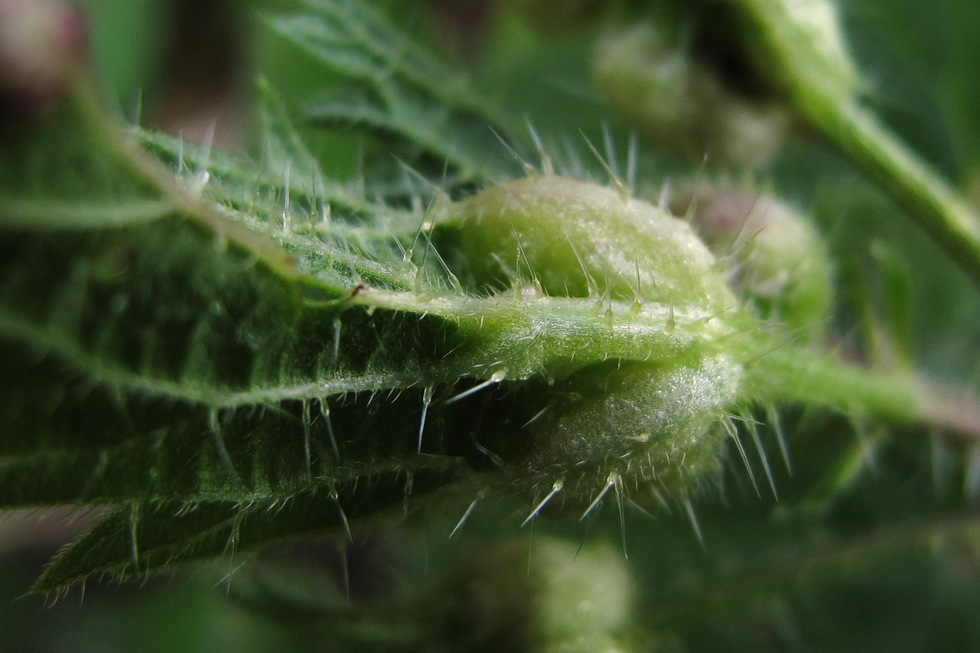
The second strategy is the production of repellent substances. Some plants have an unpleasant, burning taste (e.g. pepper fruits), cause poisoning (e.g. aconite), or have an unpleasant odour (e.g. geranium). Yet another adaptation is observed in the unarmed white nettle, which resembles the nettle. This similarity probably reduces possible herbivore threat.
Place all elements in the appropriate groups.
taking small portions of food throughout the day, big stomach, long intestine, extensive digestive tract, relatively short bowel, a small stomach, prehensile lips and tongue, presence of cellulose decomposing microorganisms in the gastrointestinal tract, taking large amounts of food throughout the day
| herbivorous mammal | |
|---|---|
| carnivorous mammal |
Select the adaptations in the structure of the teeth that help mammals to digest plant food.
- front teeth forming a sharp line
- wide rear teeth with a flat crown, covered with sharp folds
- well-developed, sharp and slightly curved fangs
- incisors that grow throughout the whole life
Summary
The digestive system of herbivores is extensive, adapted to the digestion of plant food.
Plants protect against herbivores through, among others, the production of thorns and prickles.
Defence mechanisms increase the chance of survival.
Keywords
herbivore diet, digestion, defence
Glossary
adaptacja – przystosowanie; cecha budowy, funkcjonowania organizmu lub zachowania zwiększająca szansę przetrwania w określonych warunkach środowiskowych
ciernie – skrócone, twarde, ostro zakończone liście lub pędy boczne pełniące funkcję obronną
kolce – u roślin wytwory skórki służące do obrony przed roślinożercami