RHW2Ya6eCSgmp

Metals and their properties

Metal wires
Source: Daniel Fazio, domena publiczna.

Link to the lesson

Before you start you should know
  • what properties matter has in various states of matter;

  • what are symbols of chemical elements and how to use them;

  • how to identify and distinguish physical and chemical properties;

  • according to which criteria mixtures are classified;

  • what safety rules should be followed in the school chemical laboratory.

You will learn
  • indicate metals in the periodic table of elements;

  • design experiments to examine the properties of metals;

  • plan experiments to compare the properties of metals.

RgLoOEUIclfGe
Nagranie dźwiękowe abstraktu 

Usability of metals

Task 1

Think about it and write down the answers here or in the notebook:

  • What are the applications of gold, argentum and copper in everyday life?

  • What are the differences between these metals?

RtESn6V7haAOI
Gold (Uzupełnij). Application (Uzupełnij). Argentum (Uzupełnij). Application (Uzupełnij). Copper (Uzupełnij). Application (Uzupełnij). Differences between metals (Uzupełnij).
Task 2

Check what you already know about gold, argentum and copper. Drop‑down the table tabs and read the information about those metals.

RTXwI21e3GURb
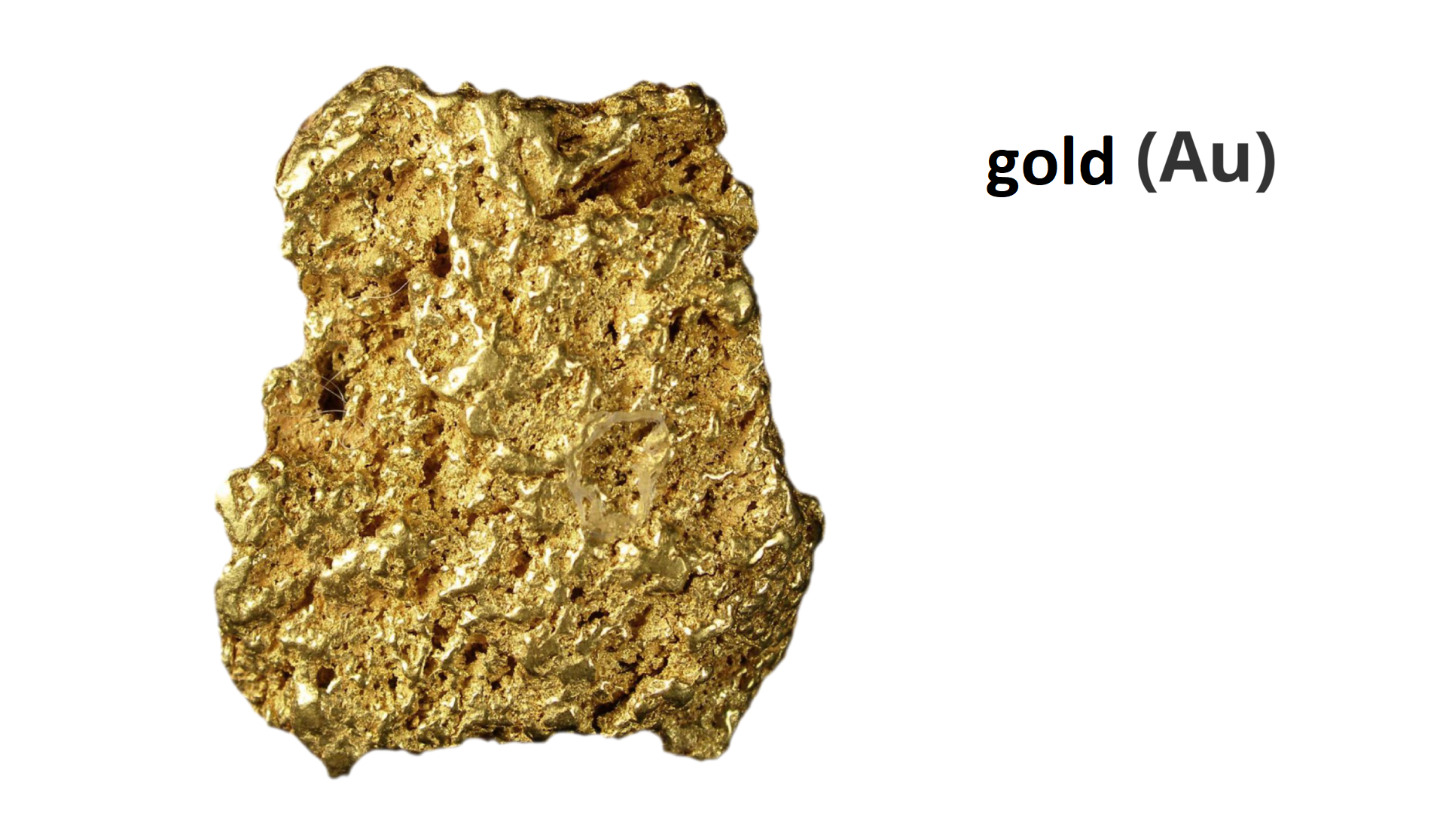
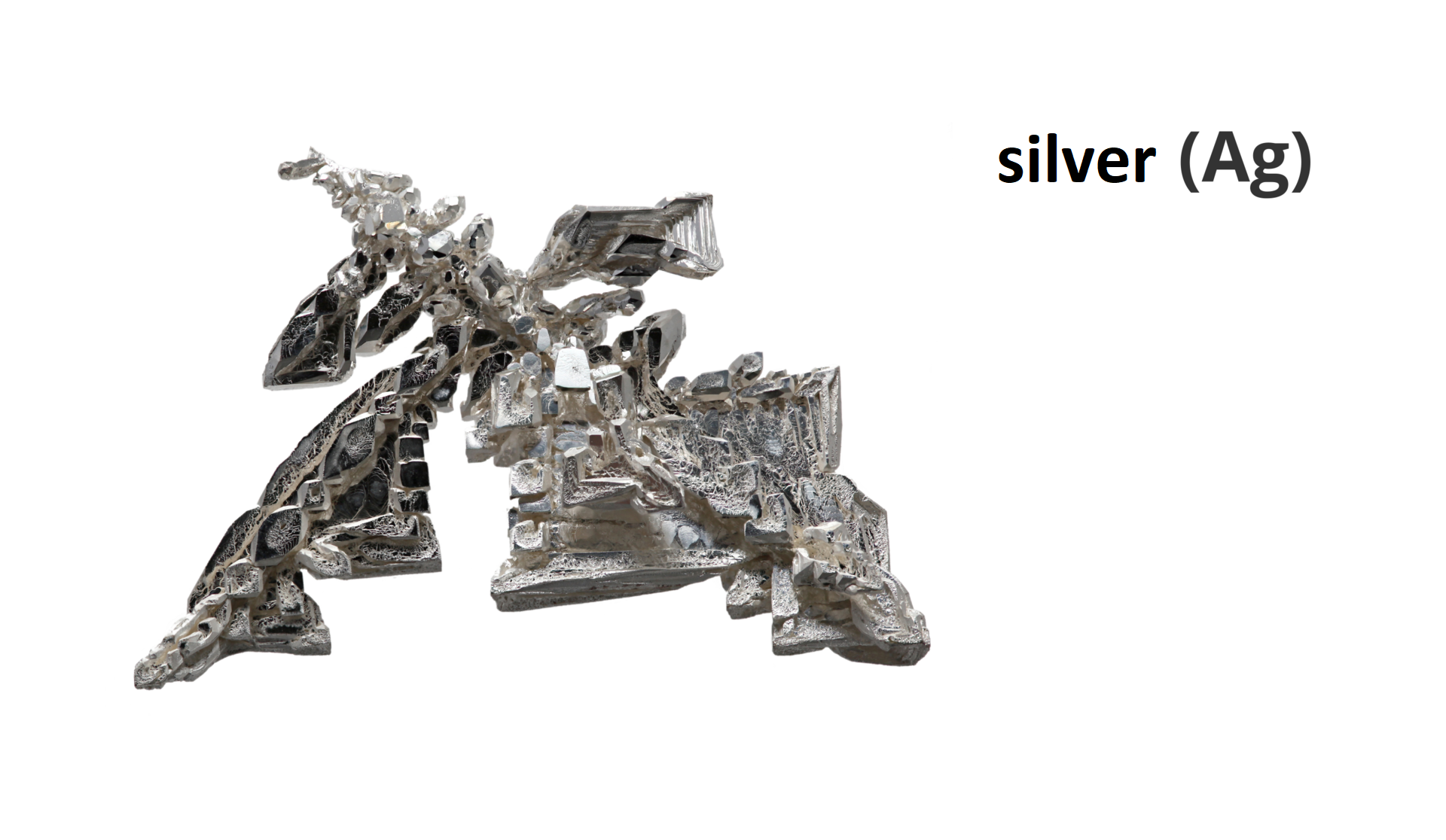
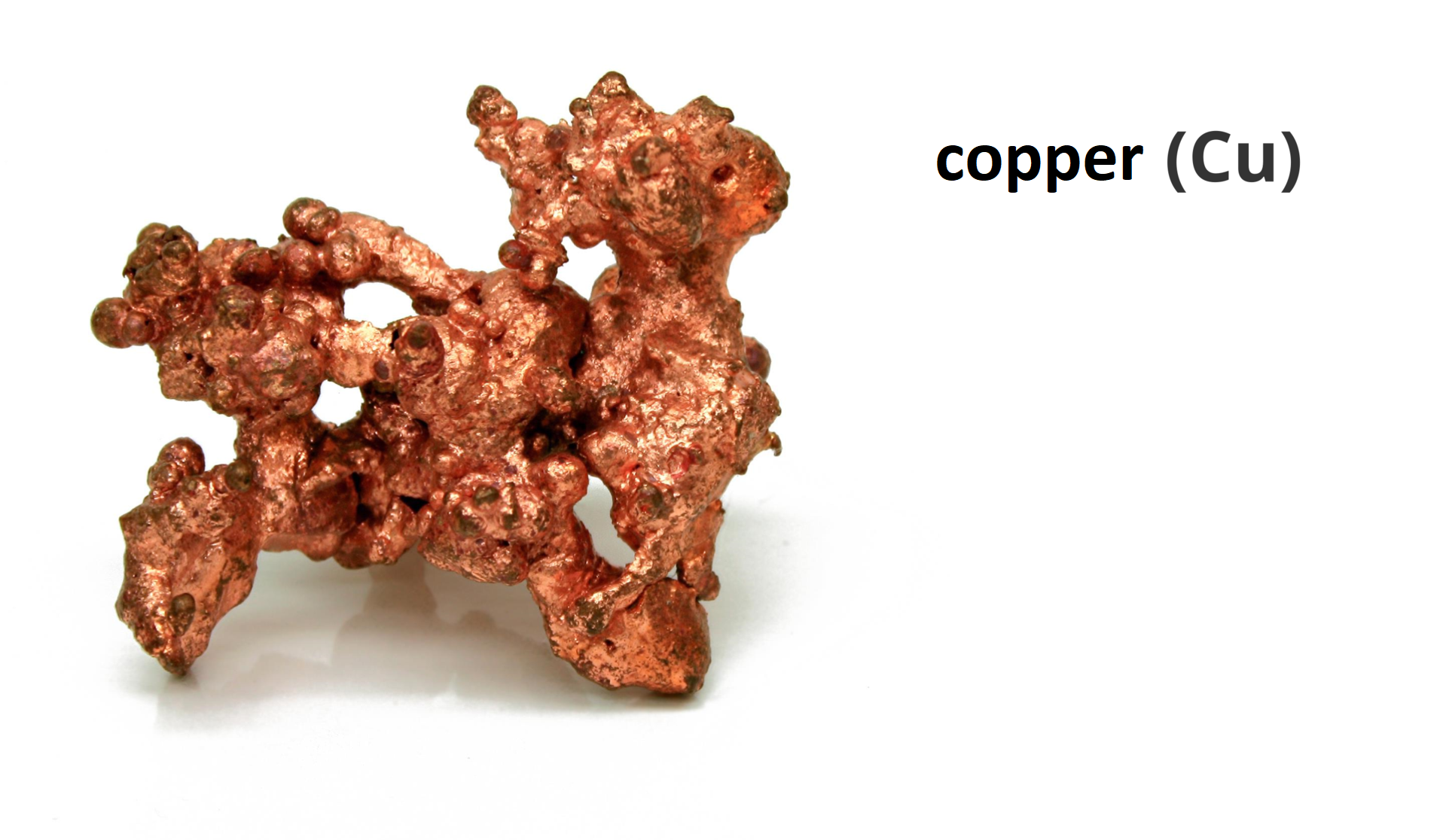
Na zdjęciu znajduje się bryłka złota. Gold Gold, the symbol of Au (Latin Aurum), is one of the most desirable elements on Earth, valuable because of the rarity of occurrence. It has a high density (19.28 g/cm3) - a cube with a side of 10 cm made of gold weighs 19.28 kg. It is a soft and the most tenatious metal - you can obtain a wire with a length of up to 100 km from 30 g of gold! Na zdjęciu znajduje się kawałek srebra. Argentum Silver, the symbol of Ar (Latin and English: Argentum), is a precious metal popular since ancient times, used to make jewellery, dishes and cutlery. It is the best conductor of electricity and heat, which is why it is used for the production of electrical points of contact and solar panels. Due to the antibacterial properties of silver, implants are made of it. In a finely fragmented form, as so-called Nano silver (1-5 nm), it is used, among others for the production of dressing materials and cosmetics with special antibacterial requirements. Na zdjęciu znajduje się kawałek miedzi. Copper Copper, the symbol of Cu (Latin Cuprum), is a metal whose name comes from the place where it was mined in antiquity, i.e. Cyprus. It is a soft, malleable and tenacious metal. The density of copper is 8.93g/cm3. Thanks to its properties, such as very good electrical and heat conductivity, copper is used, among others in the electrotechnical, power and construction industries. Copper alloys are used for the manufacture of plumbing fittings, building fittings, chemical equipment, bearings, musical instruments, decorative items (plates, cutlery, artificial jewellery), as well as in shipbuilding (e.g. ship propellers), defence (e.g. bullet shells), precision (e.g. scales, mechanical clocks) industries. Copper alloys are components of coins, including Euro and PLN. Because of its biological importance, copper is used in biomedicine.
Source: Silver: Alechmist-hp Copper: John Martimore.

Properties of metals

Task 3
Jakie są wspólne cechy metali szlachetnych - złota i srebra?
Task 4

Before you conduct the experiment „Testing physical properties of selected metals”, write down the research question and hypotheses. Also note down observations and conclusions from the experiment.

RTqpnKnnzWyjw
Analysis of the experiment: "Testing physical properties of selected metals". Research question (Uzupełnij). Hypothesis (Uzupełnij).
Testing physical properties of selected metals
Experiment 1
You will need
  • knife,

  • tweezers,

  • magnet,

  • zinc,

  • sodium,

  • magnesium,

  • aluminium,

  • iron.

Instruction
  1. Determine state of matter, colour and gloss of all of the metals.

  2. Touch magnet to samples of zinc, sodium (dried from paraffin), magnesium, aluminium and iron.

Summary
RojCVN2gCGz9Y
Observations (Uzupełnij). Conclusions (Uzupełnij).

Information about metals can be obtain from:

  • conducted experiments (e.g., examining physical and chemical properties by means of the senses),

  • data from the periodic table of elements or chemical tables.

Common metals features

RE7ZB5MKwvMeo
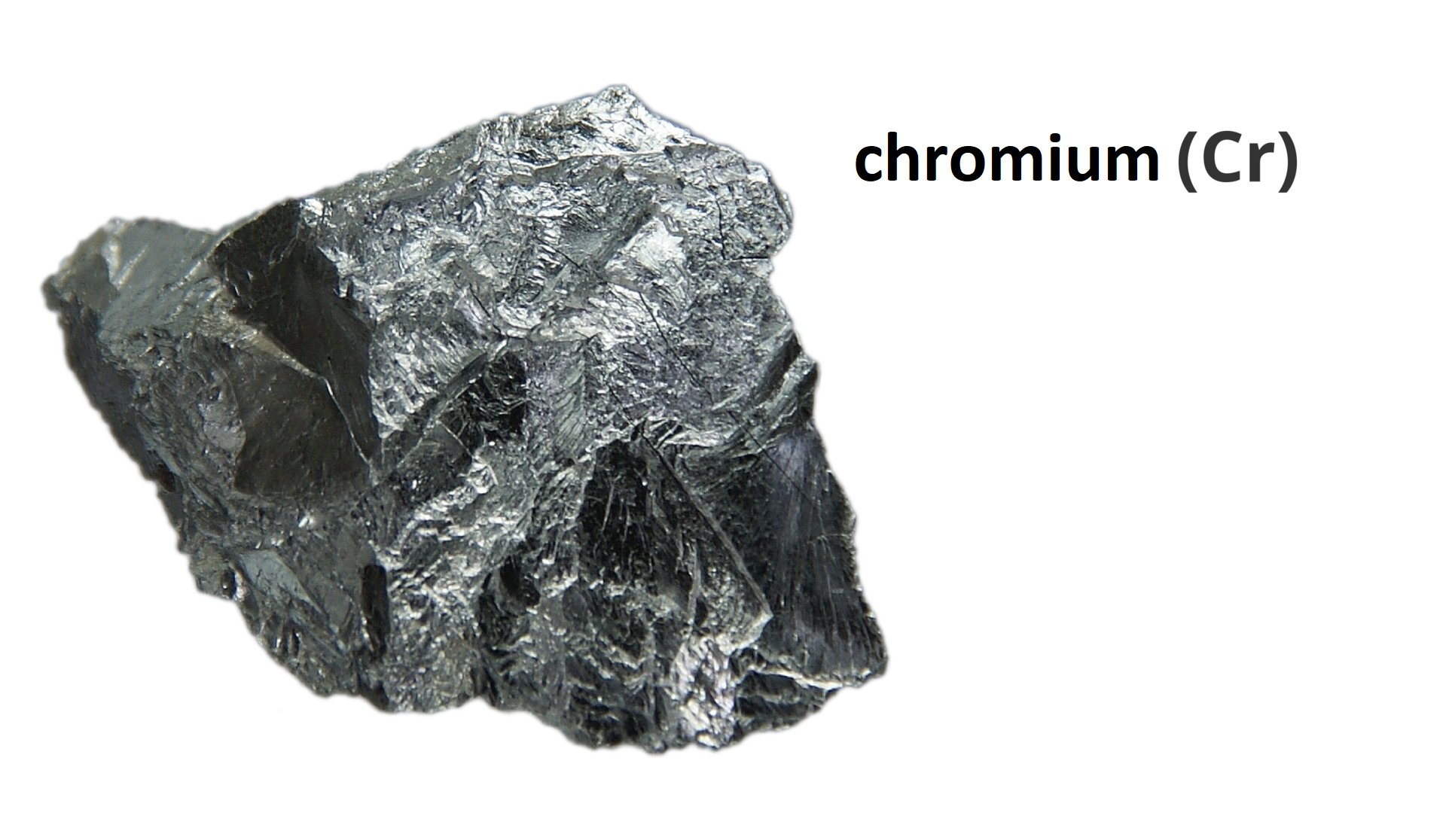
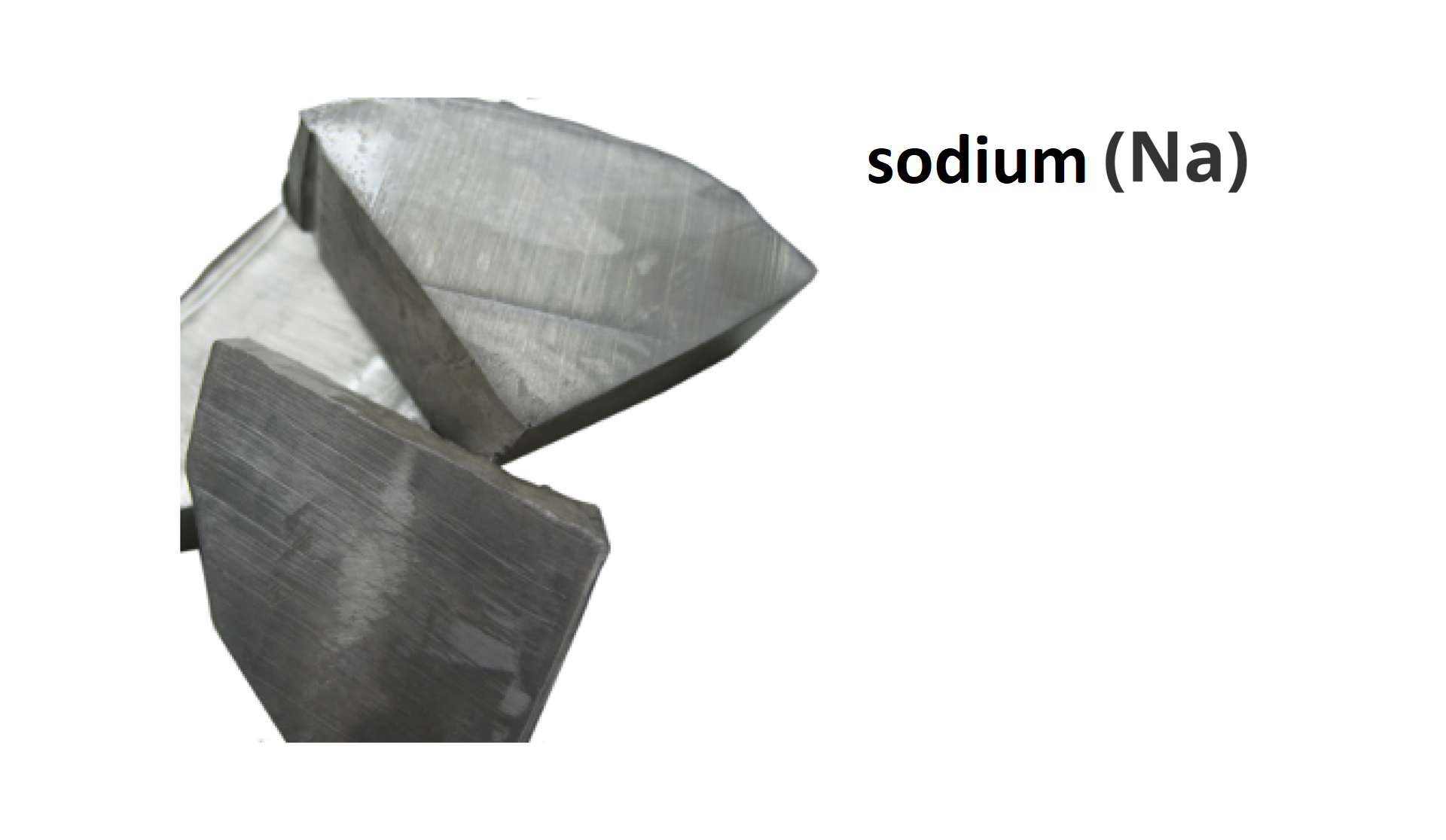
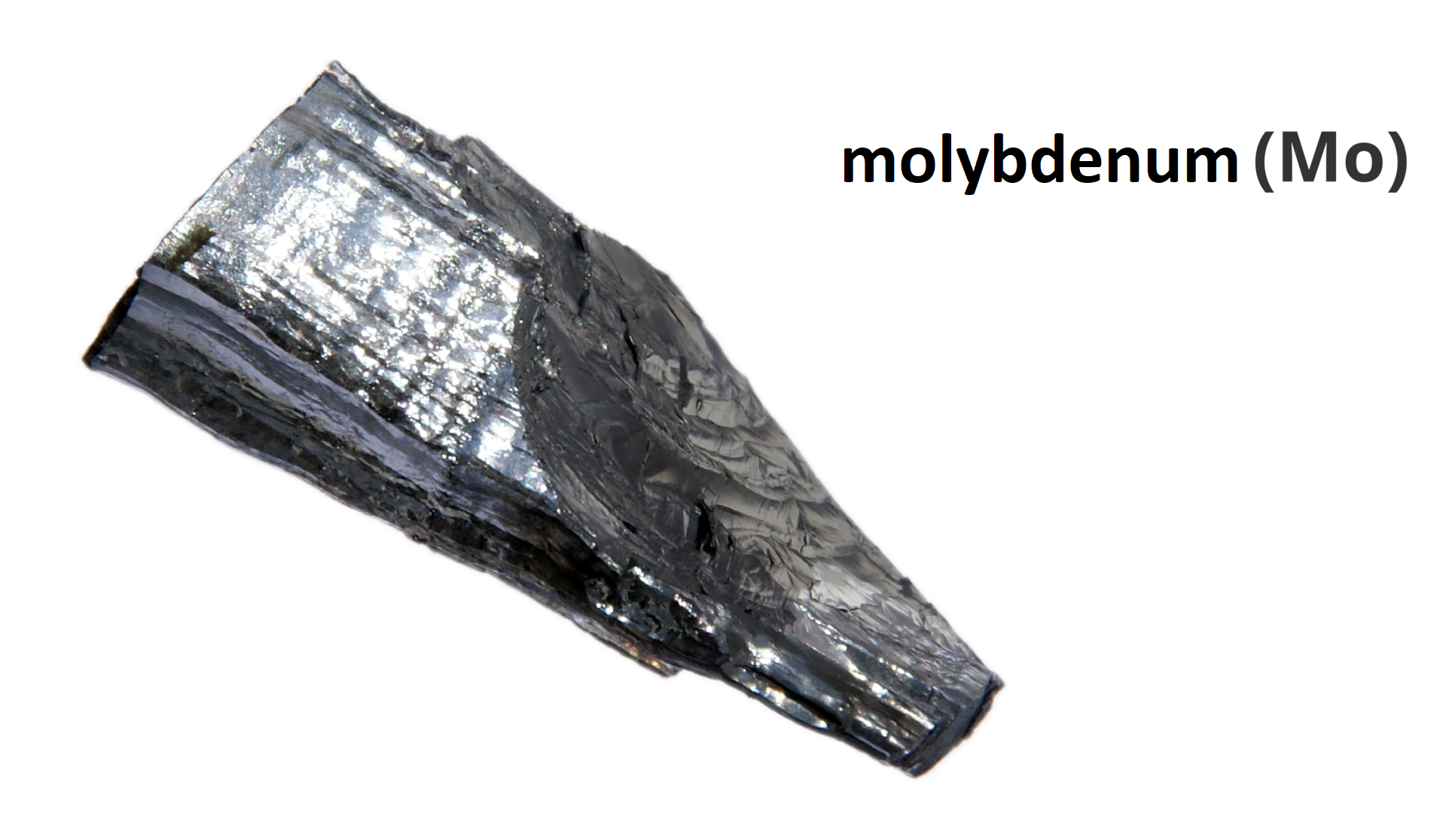
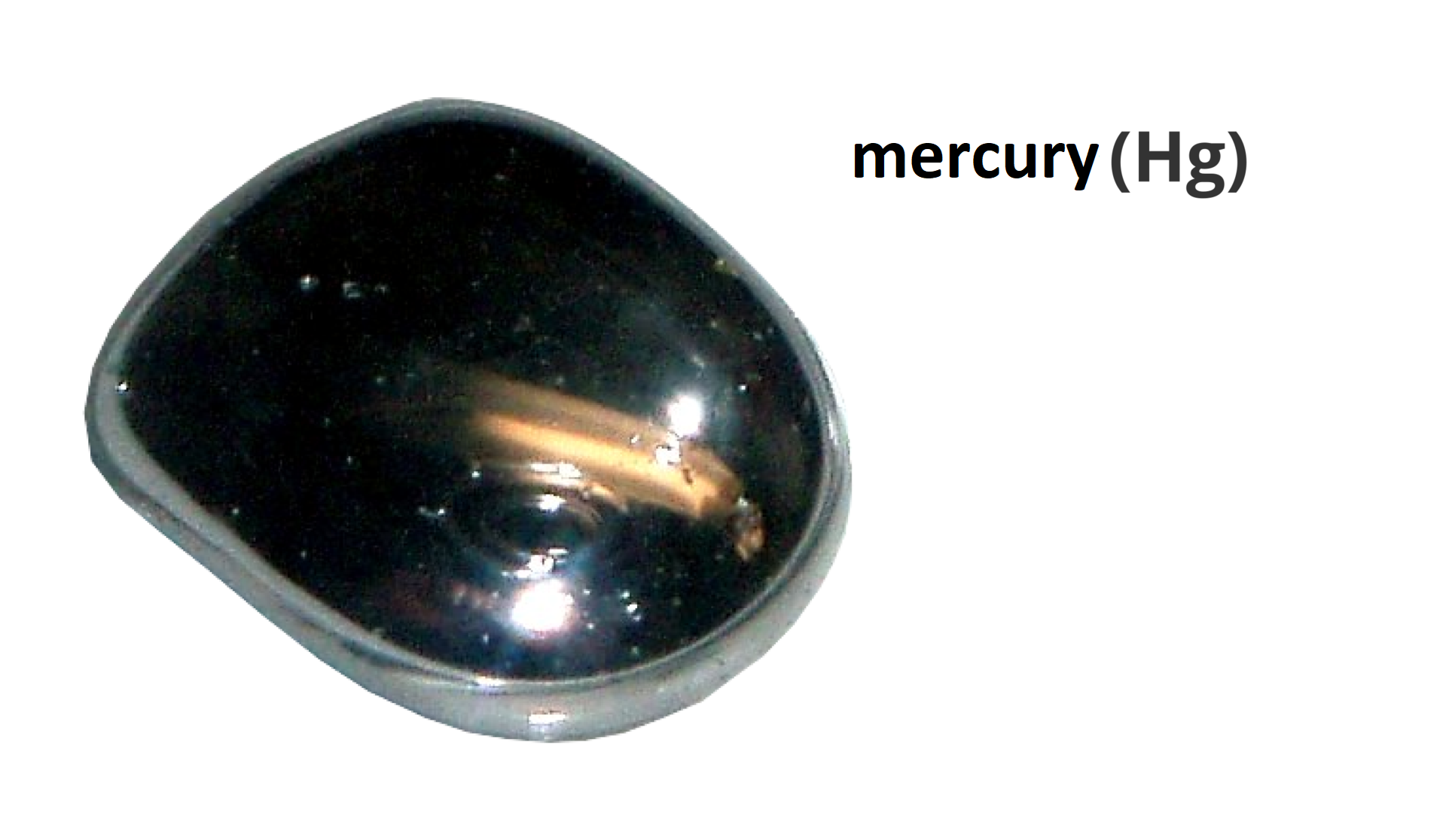
Metallic gloss. It reflects light, giving the effect of shine, and the silvery‑white or silvery‑grey colour. The exception is gold – yellow, and copper – silvery‑pink (well cleaned) to red‑brownish., Malleability. The property usually applies to the groups 1 to 12 on the periodic table of elements. It is the ability to bend or be hammered into other shapes without breaking. Examples of malleable metals are gold, iron, aluminum, copper, silver, and lead., Electrical conductivity. The electronic structure of metals means they are relatively good conductors of electricity. Electrons in matter can only have fixed rather than variable energy levels, and in a metal the energy levels of the electrons in its electron cloud, at least to some degree, correspond to the energy levels at which electrical conduction can occur., Thermal conductivity. Metals are relatively good conductors of heat. The electrons in a metal's electron cloud are highly mobile and easily able to pass on heat-induced vibrational energy., Others. All metals except liquid mercury are solids at room temperature. The compounds of some metals cause the change in the colour of the flame, e.g. sodium – yellow, strontium – carmine, calcium – brick‑red, and barium and copper – green. This property makes it possible to detect the presence of metal in the test sample (flame test). The ability to change the colour of the flame is used in the production of fireworks.
RnO3nxAwukISX
Exercise 1
Indicate true statements. 1. Zinc is a solid with a silvery-gray color and a metallic gloss. 2. Zinc, sodium, magnesium and aluminum have magnetic properties. 3. Sodium is also a solid with a silvery-white color - it is so soft, it can be cut with a knife. 4. Iron is strongly attracted by the magnet, it has magnetic properties.
RTZyCI2WrtYYQ
Exercise 2
Select true statements. Możliwe odpowiedzi: 1. Metalic gloss is characteristic for metals, 2. All metals have a silvery-white or silver-gray color., 3. All metals at room temperature are solid substances., 4. The compounds of some metals cause the flame to be colored - this is used in the production of fireworks., 5. Metals such as gold, silver, copper and platinum are used in medicine.

Summary

  • Metals are by definition substances that have 4 definitional features: they are malleable, they conduct electricity, heat and have a metallic gloss.

  • Metals at room temperature are characterized by: a constant state of matter (except mercury), silvery‑white or silvery‑grey colour (with the exception of gold, copper).

R18Tcfx8PL0qw1
Grafika przedstawiająca tablicę szkolną, na której znajdują się zdania do dokończenia. Finish selected sentences. 1 It was easy for me (uzupełnij). 2 It was difficult for me (uzupełnij). 3 Today I learned (uzupełnij). 4 I understood that (uzupełnij). 5 It surprised me (uzupełnij). 6. Today I found out (uzupełnij). 7. I was interested in (uzupełnij). 8. I still have to repeat (uzupełnij).
Source: GroMar Sp. z o.o., licencja: CC BY-SA 3.0.

Key words

metal, properties of metals, gold, argentum, copper, precious metals

Glossary

metals
metals
R15GUlkT37Tl8
Nagranie dźwiękowe słówka 

metale – substancje o metalicznym połysku, kowalne, bardzo dobrze przewodzą ciepło i prąd elektryczny