Przeczytaj
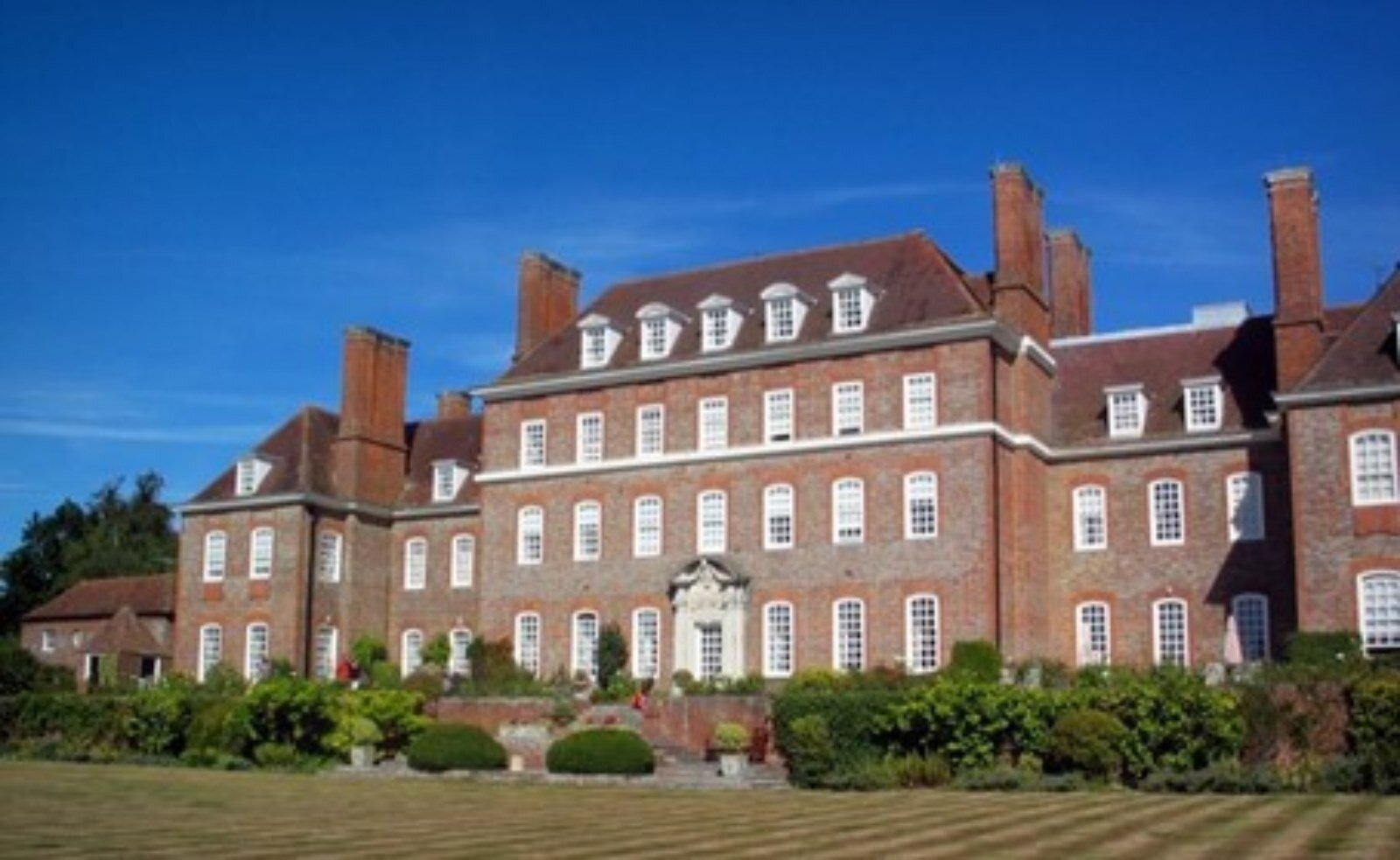
In the picture you can see an old English house. Frances Hodgson Burnett, a famous English writer, lived here for many years. One day she found an old door and saw a secret garden. She wrote The Secret Garden there. In this section, there is a text about this book.
W domu widocznym na zdjęciu przez wiele lat mieszkała słynna pisarka Frances Hodgson Burnett. Pewnego dnia znalazła stare drzwi i odkryła tajemniczy ogród. Napisała tam książkę o takim właśnie tytule – Tajemniczy ogród. W tej sekcji przeczytasz tekst dotyczący tej powieści.
Match words with their definitions.
Połącz wyrazy z definicjami.
Study the text about a popular novel The Secret Garden and next do the exercises.
Przeczytaj tekst na temat znanej powieści Tajemniczy ogród, a następnie wykonaj ćwiczenia.
A Mystery of an English GardenOne of the most popular English novelsnovels is The Secret Garden (1909) by Frances Hodgson Burnett. The main charactercharacter is a young orphanorphan girl, Mary Lennox. She is really naughtynaughty and nastynasty to other people. It changes when she moves to Misselthwaite Manor. It’s the house of her uncle, Archibald Craven.
Only a few people live in the house. Martha Sowerby, a maidmaid, tells Mary about a secret garden. Mary wants to visit the place. A few friends help her do it. One of them is Martha’s son, Dickon. Mary’s other friend is a small bird, a robinrobin. The robin lives in the secret garden. It helps Mary find the key to the garden and Dickon gives her a few gardening toolsgardening tools. She works hard in the garden and makes it beautiful again.
One night, Mary hears a strangestrange cry from one of the rooms in the house. She finds out that Mr Craven’s son, Colin, lives in the room. Colin believes that he is seriously illseriously ill. His father and all the servantsservants believe this, too. Because of this, everyone does what the boy wants. He is very spoiledspoiled and nasty.
Mary and Dickon start taking Colin to the secret garden. His health gets bettergets better. He can now play in the garden with the other two children. When Colin’s father learns about it from a letter, he comes back to Misselthwaite from abroadfrom abroad. He sees his son is healthy!
Mary changes, too. She becomes nicer because of the garden and her friends. She learns how to care for other people. The story teaches us that some of the bad things are only in our heads. With the help of our friends, we can forget about themforget about them.
Źródło: Marcin Legeżyński, licencja: CC BY-SA 3.0.
Read the text and choose an alternative title.
Przeczytaj tekst i wybierz dla niego alternatywny tytuł.
Study the text again and decide if the following sentences are true or false.
Przeczytaj tekst ponownie, a następnie zdecyduj, czy podane zdania są prawdziwe, czy fałszywe.
- Mary’s aunt closed the garden in Misselthwaite Manor.
TRUEFALSE - Dickon gave Mary some things she needed to work in the garden.
TRUEFALSE - Colin is Mr Craven’s son.
TRUEFALSE - Playing in the garden changes Archibald Craven.
TRUEFALSE - The story teaches us not to always believe in what people say about us.
TRUEFALSE
Study the text again and drag the words to fill in the gaps.
Przeczytaj tekst ponownie, a następnie przeciągnij wyrazy w odpowiednie luki.
- Archibald Craven lost his 1. key, 2. gardening, 3. England, 4. servants, 5. wife many years ago.
- The robin shows Mary where to find the 1. key, 2. gardening, 3. England, 4. servants, 5. wife.
- The 1. key, 2. gardening, 3. England, 4. servants, 5. wife do what Colin wants.
- Frances Hodgson Burnett wrote The Secret Garden in an old house in 1. key, 2. gardening, 3. England, 4. servants, 5. wife.
- Dickon gives Mary 1. key, 2. gardening, 3. England, 4. servants, 5. wife tools so she can work in the garden.
Słownik
/ ˈkærəktə /
postać
/ kraɪ /
płacz, krzyk
/ fəˈget əˌbaʊt ðəm /
zapomnieć o nich
/ frəm əˈbrɔːd /
z zagranicy
/ ˈɡɑːdn̩ɪŋ tuːlz / / ˈɡɑːdn̩ɪŋ tuːl /
narzędzia ogrodowe [narzędzie ogrodowe]
/ ˈɡets ˈbetə / / ˈget ˈbetə /
polepsza się [polepszać się]
/ ɡəʊst /
duch
/ meɪd /
pokojówka
/ ˈnɑːsti /
niemiły/niemiła
/ ˈnɔːti /
niegrzeczny/niegrzeczna
/ ˈnɒvl̩z / / ˈnɒvl̩ /
powieści [powieść]
/ ˈɔːfn̩ /
sierota
/ ˈrɒbɪn /
rudzik
/ ˈsɪərɪəsli ɪl /
poważnie chory/poważnie chora
/ ˈsɜːvənts / / ˈsɜːvənt /
służący
/ spɔɪld / / spɔɪl /
rozpieszczony/rozpieszczona [rozpieszczać]
/ streɪndʒ /
dziwny/dziwna
Źródło: GroMar Sp. z o.o., licencja: CC BY‑SA 3.0