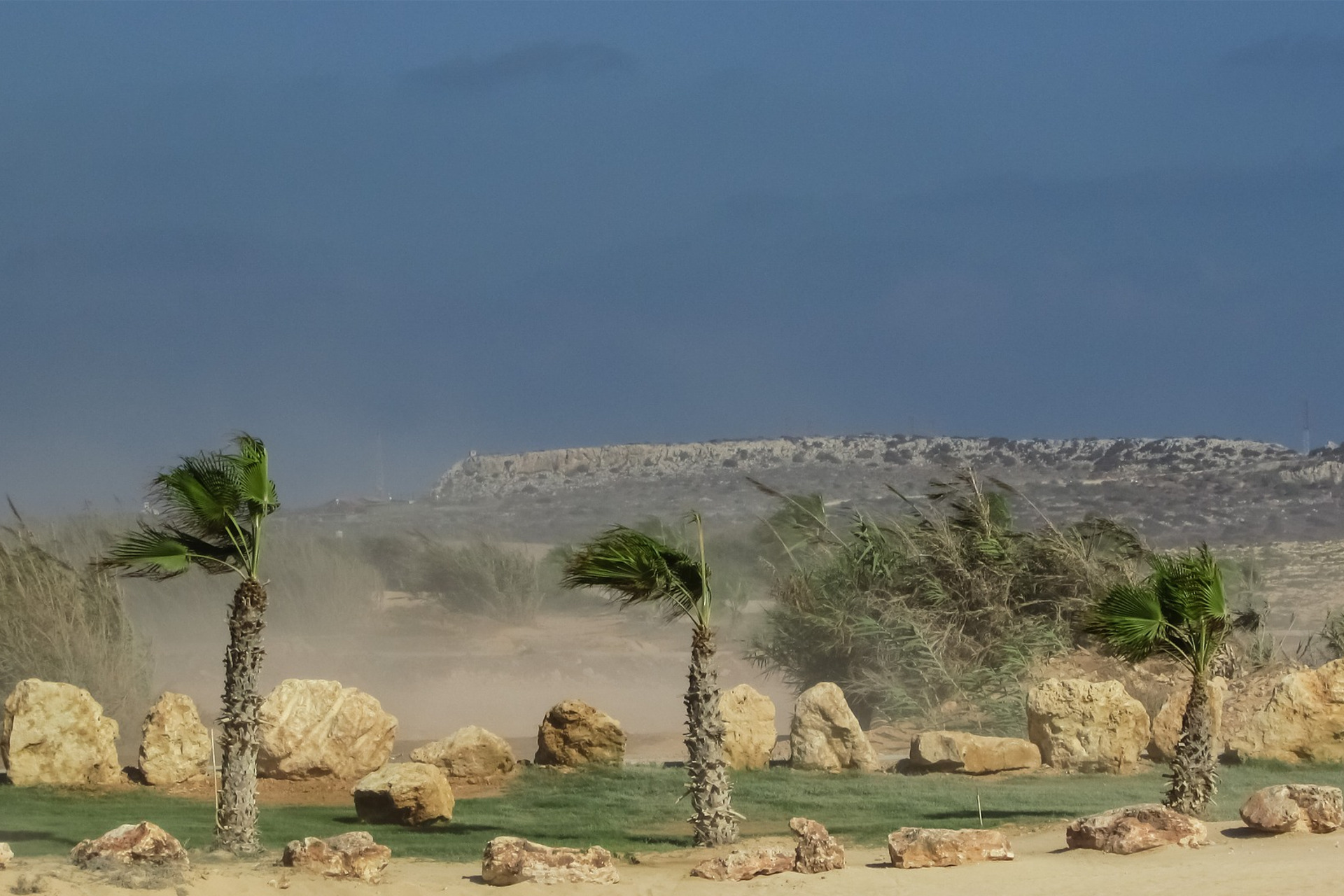
Air pollutants include all substances in the form of gases, liquids or solids (dust), which are not the natural components of air or are present in concentrations higher than natural ones.
In the past, the only source of pollution were natural processes, such as volcanic eruptions, forest and steppe fires, atmospheric discharges and decomposition of organic substances. As their result, carbon monoxide, nitrogen oxides, methane, dust and volcanic gases are formed, including carbon dioxide. The natural sources of pollution can also include particles of soils and rocks carried by the wind, pollen and various microorganisms (bacteria, viruses, fungi and others).
The development of motorization and industry has increased the demand for energy produced from raw materials such as oil, natural gas and hard coal. During their combustion, oxides of carbon, sulfur and nitrogen are formed. This type of pollution is therefore anthropogenic (artificial) pollution related to human activity: industry, communication, agriculture, and municipal economy.
Types of air pollutants
Pollutants can be divided due to the states of matter in which they occur in the air.
Gas compounds, e.g. oxides of carbon (CO and COIndeks dolny 22), sulfur (SOIndeks dolny 22 and SOIndeks dolny 33) and nitrogen oxides, ammonia (NHIndeks dolny 33), fluorine, (chain and aromatic) hydrocarbons, as well as their chlorine derivatives, phenols;
Solid particles inorganic and organic (dust), e.g. volatile ash, soot, cement dust, metallurgical dust, compounds of lead, copper, chromium, cadmium and other heavy metals;
Microorganisms – viruses, bacteria and fungi, the type or quantity of which deviates from the natural composition of the air microflora;
Liquid droplets, e.g. droplets of acids, bases, solvents.
The effects of air pollution
Air pollutants negatively affect the natural environment. Their most dangerous effects include acid precipitation, intensification of the greenhouse effect, ozone hole, smog, dust, pollution of soil and water.
Acid precipitation occurs when air polluted with sulfur and nitrogen oxides, combined with water or water vapor in the air, falls with rain or snow onto the ground. This precipitation causes environmental damage, accelerate metal corrosion and devastation of buildings.
The greenhouse effect occurs as a result of accumulation of carbon dioxide and water vapor (as well as: methane, nitrogen oxides, freonsfreonsfreons and ozone), which retain heat in the atmosphere. Excessive amount of these elements result in global warming, which can lead to melting of glaciers, rising sea and ocean levels, and climate changes.
Task 1
In the available sources find information on how sulfur dioxide affects plants. Then look at the table below and memorize what how various air pollutants affect the environment. How do they affect people?
R2E5AOqqATpyP
es o dwa - irritation of eyes, nose, throat;
- diseases of the upper respiratory tract;
- disorders in the circulatory system;
- acceleration of metal corrosion., en o iks - irritation of eyes, nose, throat;
- lung diseases;
- dizziness and headaches;
- destruction of many materials, e.g. alloys., ce o - highly toxic effects;
- even short-term breathing can cause death., Dust Substances such as mercury, lead, cadmium and their oxides.
- allergies, respiratory diseases;
- carcinogenic.
es o dwa - irritation of eyes, nose, throat;
- diseases of the upper respiratory tract;
- disorders in the circulatory system;
- acceleration of metal corrosion., en o iks - irritation of eyes, nose, throat;
- lung diseases;
- dizziness and headaches;
- destruction of many materials, e.g. alloys., ce o - highly toxic effects;
- even short-term breathing can cause death., Dust Substances such as mercury, lead, cadmium and their oxides.
- allergies, respiratory diseases;
- carcinogenic.
Selected air pollutions and their harmful effects
SO2 - irritation of eyes, nose, throat;
- diseases of the upper respiratory tract;
- disorders in the circulatory system;
- acceleration of metal corrosion.
NOx - irritation of eyes, nose, throat;
- lung diseases;
- dizziness and headaches;
- destruction of many materials, e.g. alloys.
CO - highly toxic effects;
- even short-term breathing can cause death.
Dust Substances such as mercury, lead, cadmium and their oxides.
- allergies, respiratory diseases;
- carcinogenic.
The impact of air pollution on health
Air pollution can have a significant impact on human health. Elderly people and children are particularly vulnerable.
RNbsJnVgF4Tly
Schemat przedstawiający anatomiczną budowę układu pokarmowego człowieka. Oznaczone są elementy: 1 głowa, es o dwa, pe em Headache and anxiety. Impact on the functioning of the central nervous system. 2 Oczy i nos, o trzy, pe em, en o dwa, es o dwa, be a pe, Irritation of eyes, nose, throat. Breathing problems.3 serce, o trzym es od dwa, Cardiovascular disease. 4 macica, pe em Effects on the reproductive system. 5 wątroba, en o dwa, Effects on the liver, spleen and blood
Schemat przedstawiający anatomiczną budowę układu pokarmowego człowieka. Oznaczone są elementy: 1 głowa, es o dwa, pe em Headache and anxiety. Impact on the functioning of the central nervous system. 2 Oczy i nos, o trzy, pe em, en o dwa, es o dwa, be a pe, Irritation of eyes, nose, throat. Breathing problems.3 serce, o trzym es od dwa, Cardiovascular disease. 4 macica, pe em Effects on the reproductive system. 5 wątroba, en o dwa, Effects on the liver, spleen and blood
Source: GroMar Sp. z o.o., licencja: CC BY-SA 3.0.
Benzo[a]pyrene (BaP) – is created in the process of incomplete fuel combustion. This substance is mainly formed as a product of wood burning and waste as well as in the production of coke and steel, and is emitted from vehicle engines.
Particulate matter (PM) – they are particles floating in the air. PM contaminants include sea salt, „black carbon” type coal, dust and condensed particles of some chemical substances.
R1HROHcyEtE0C
Exercise 1
Wysłuchaj nagrania abstraktu, ułóż do niego pytania i zadaj je koledze.
Wysłuchaj nagrania abstraktu, ułóż do niego pytania i zadaj je koledze.
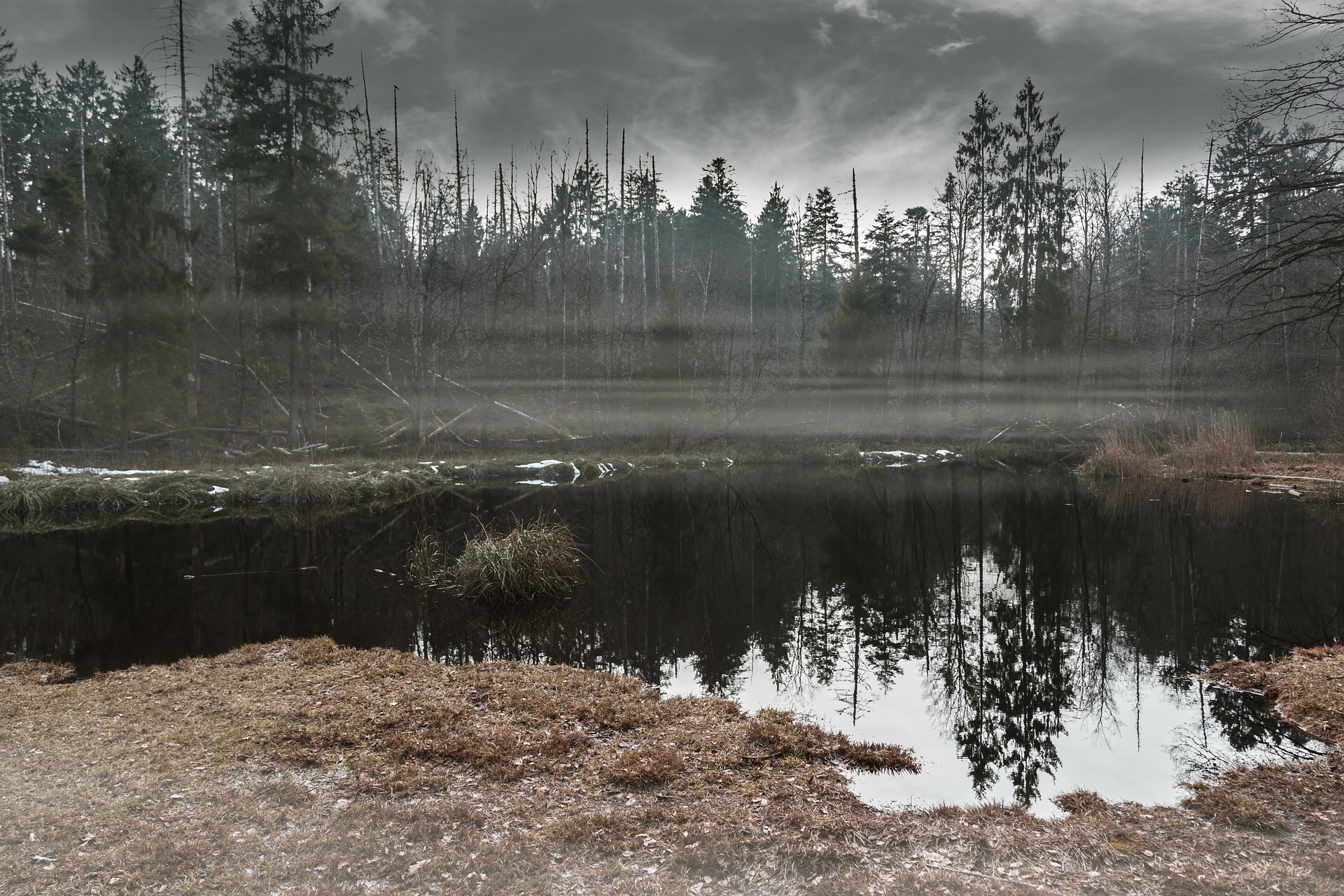
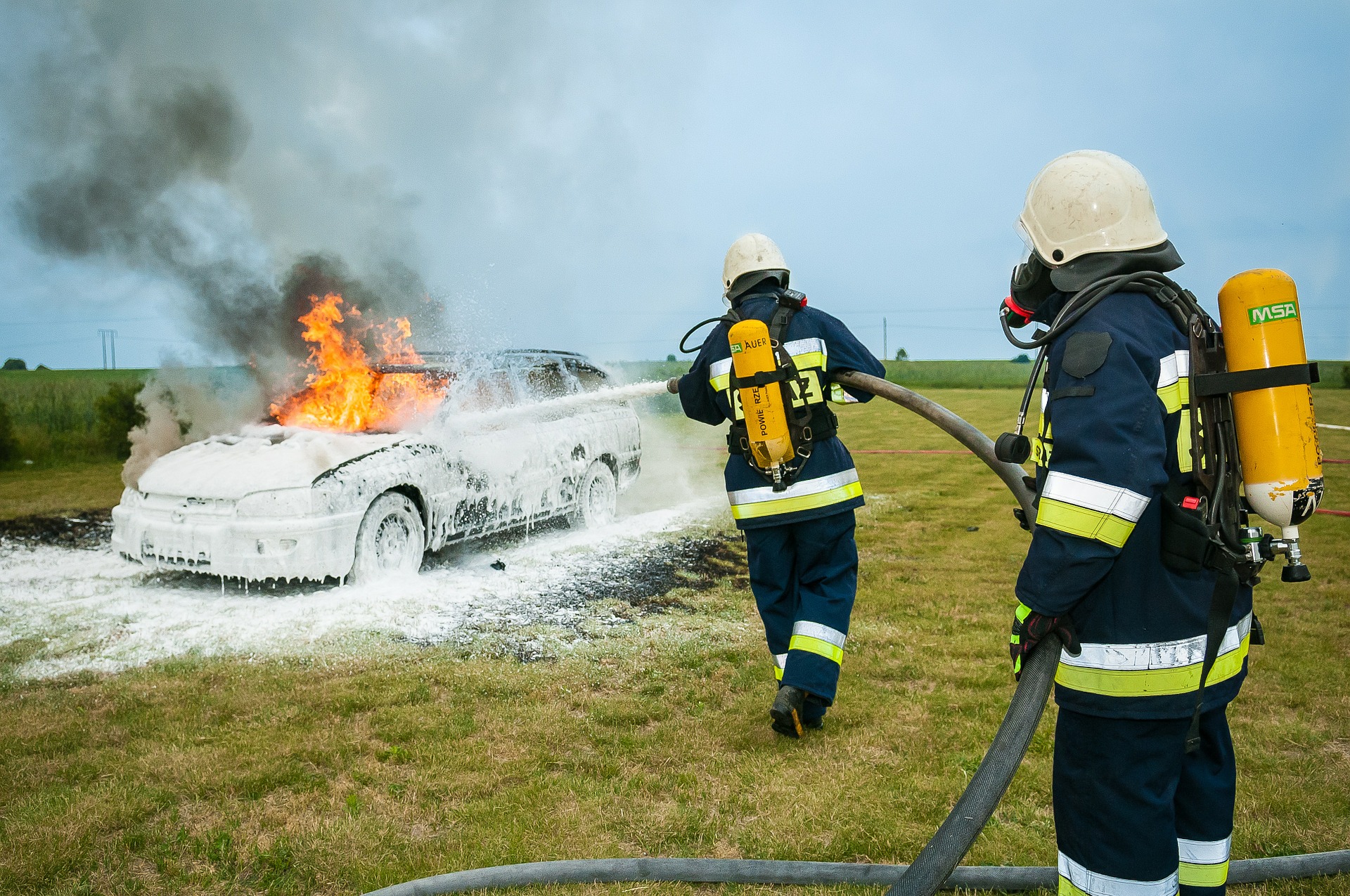
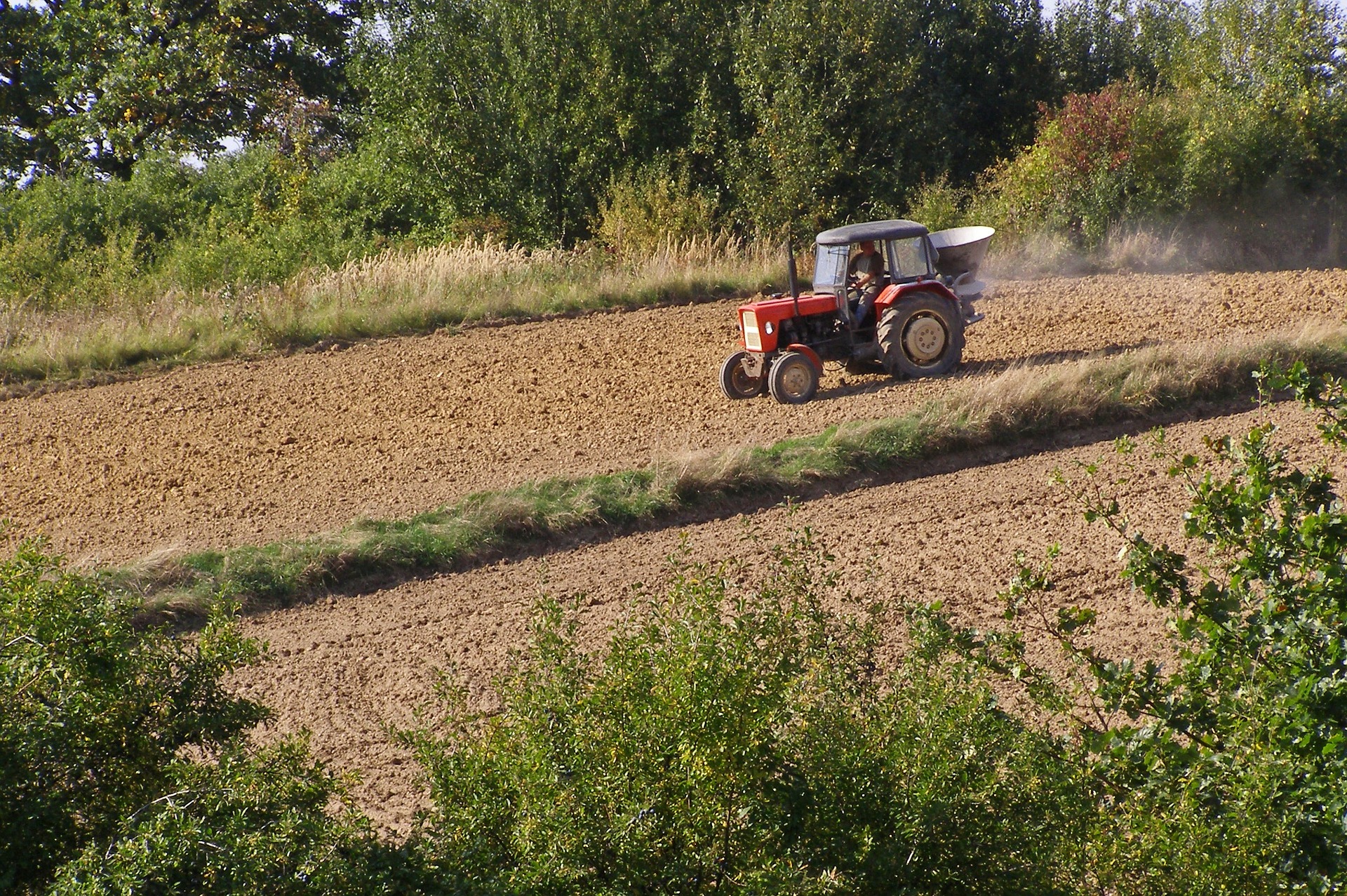
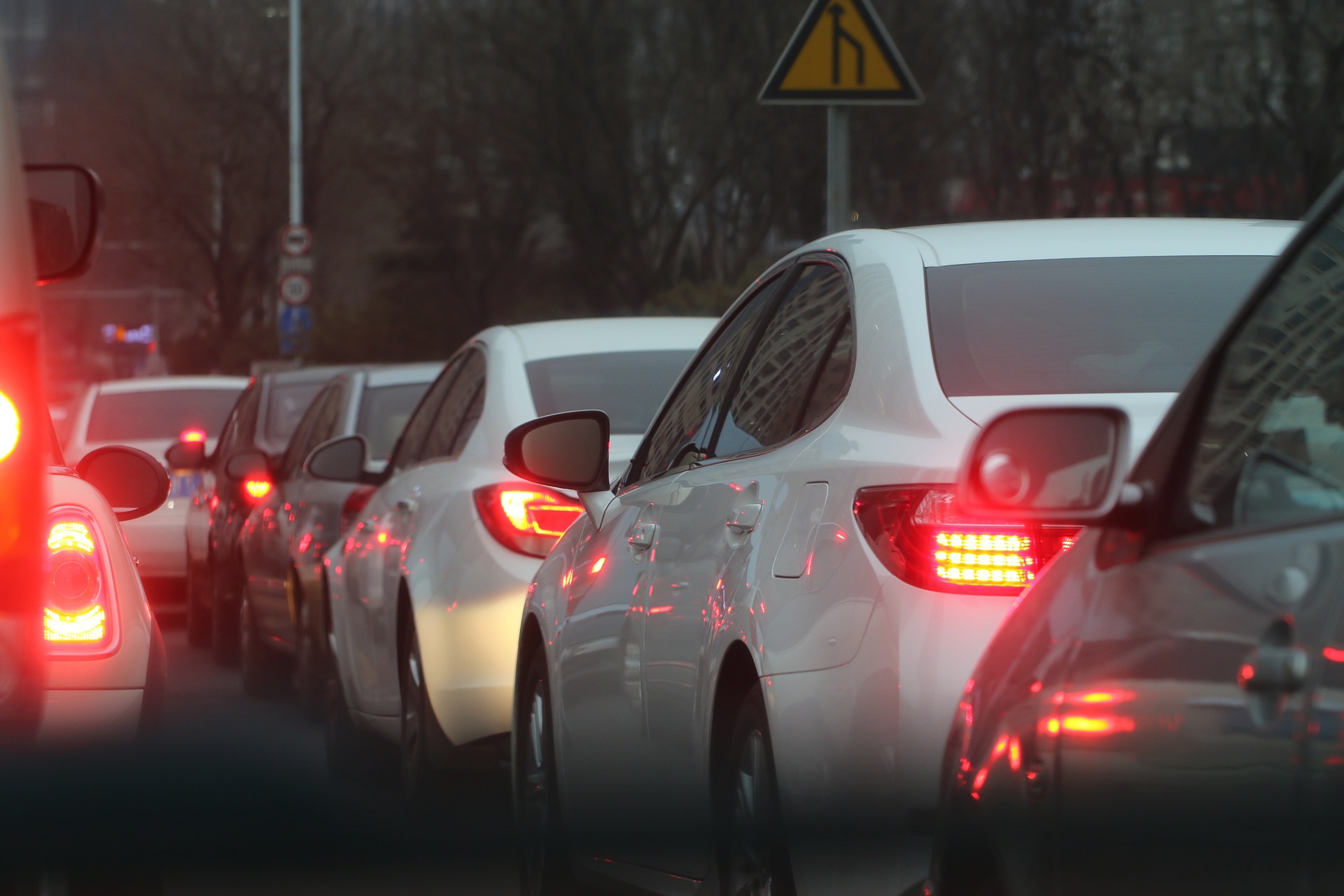
Mark all figures that show anthropogenic pollution.
Marsh
Fire car
Agriculture
Forest fire
Volcano
Motor vehicle transport
Industry
Sandstorm
RoFl1ljEcYYEQ
Exercise 2
Odpowiedz na pytania i uzupełnij tekst. 1. Volcanic uzupełnij are the natural source of sulfur dioxide, 2. uzupełnij pollutants are the main products of fuel combustion, 3. Forest fires are the uzupełnij sources of pollutants, 4. uzupełnij is one of the sources of anthropogenic pollution, 5. Pollutants containing heavy metals, e.g. lead, mercury, 6. Substances that cause lung diseases, dizziness and headache are uzupełnij oxides, 7. uzupełnij pollutants are formed around steel mills, cement plants and factories., 8. Sulfur dioxides accelerate the uzupełnij of metals., 9. Marshes are the source of uzupełnij
Odpowiedz na pytania i uzupełnij tekst. 1. Volcanic uzupełnij are the natural source of sulfur dioxide, 2. uzupełnij pollutants are the main products of fuel combustion, 3. Forest fires are the uzupełnij sources of pollutants, 4. uzupełnij is one of the sources of anthropogenic pollution, 5. Pollutants containing heavy metals, e.g. lead, mercury, 6. Substances that cause lung diseases, dizziness and headache are uzupełnij oxides, 7. uzupełnij pollutants are formed around steel mills, cement plants and factories., 8. Sulfur dioxides accelerate the uzupełnij of metals., 9. Marshes are the source of uzupełnij
Solve the crossword and explain the meaning of the result you receive.
Volcanic ... are the natural source of sulfur dioxide
.... pollutants are the main products of fuel combustion
Forest fires are the ... sources of pollutants
... is one of the sources of anthropogenic pollution
Pollutants containing heavy metals, e.g. lead, mercury
Substances that cause lung diseases, dizziness and headache are ... oxides
.... pollutants are formed around steel mills, cement plants and factories.
Sulfur dioxides accelerate the ... of metals.
Marshes are the source of ...
1
2
3
4
5
6
7
8
9
RfYldJmqFRrJK
Exercise 3
Fill in the reaction equations of air pollution oxides. Some of them can form acids in the natural environment. Dostępne opcje do wyboru: ha dwa es o cztery, trzy, es o trzy, es o dwa, dwa, es dwa o, 4. Równania reakcji do uzupełnienia: równanie pierwsze es doać o dwa strzałka w prawo tu uzupełnij; równanie drugie: dwa es o dwa dodać o dwa strzałka w prawo tu uzupełnij, tu uzupełnij; równanie trzecie: es o trzy dodać ha dwa o srzałka w prawo tu uzupełnij.
Fill in the reaction equations of air pollution oxides. Some of them can form acids in the natural environment. Dostępne opcje do wyboru: ha dwa es o cztery, trzy, es o trzy, es o dwa, dwa, es dwa o, 4. Równania reakcji do uzupełnienia: równanie pierwsze es doać o dwa strzałka w prawo tu uzupełnij; równanie drugie: dwa es o dwa dodać o dwa strzałka w prawo tu uzupełnij, tu uzupełnij; równanie trzecie: es o trzy dodać ha dwa o srzałka w prawo tu uzupełnij.
Fill in the reaction equations of air pollution oxides. Some of them can form acids in the natural environment.
3, SO3, 2, S2O, 4, SO2, H2SO4
sulfur oxides
S + O2 →
2 SO2 + O2 →
SO3 + H2O →
R1Vesu9LnwDvs
Exercise 4
Fill in the reaction equations of air pollution oxides. Some of them can form acids in the natural environment. Nitrogen oxides. Dostępne opcje do wyboru: dwa, en o dwa, cztery, en dwa o pięć, ha dwa o, ha en o trzy, trzy, pięć, en o trzy. Równania reakcji do uzupełnienia: równanie pierwsze: dwa en o dodać o dwa strzałka w prawo, tu uzupełnij, tu uzupełnij. Równanie drugie: tu uzupełnij, en o dwa dodać o dwa strzałka w prawo dwa tu uzupełnij. Równanie trzecie: en dwa o pięć dodać tu uzupełnij strzałka w prawo dwa tu uzupełnij.
Fill in the reaction equations of air pollution oxides. Some of them can form acids in the natural environment. Nitrogen oxides. Dostępne opcje do wyboru: dwa, en o dwa, cztery, en dwa o pięć, ha dwa o, ha en o trzy, trzy, pięć, en o trzy. Równania reakcji do uzupełnienia: równanie pierwsze: dwa en o dodać o dwa strzałka w prawo, tu uzupełnij, tu uzupełnij. Równanie drugie: tu uzupełnij, en o dwa dodać o dwa strzałka w prawo dwa tu uzupełnij. Równanie trzecie: en dwa o pięć dodać tu uzupełnij strzałka w prawo dwa tu uzupełnij.
Fill in the reaction equations of air pollution oxides. Some of them can form acids in the natural environment.
Fill in the reaction equations of air pollution oxides. Możliwe odpowiedzi: c o, ha dwa, c, dwa, ce o dwa, trzy, cztery, pięć, ha dwa c o trzy. Pierwsze równanie dla carbon monoxide: c dodać ha dwa o ze strzałką w górę strzałka w prawo tu uzupełnij ze strzałką w górę dodać tu uzupełnij ze strzałką w górę. Drugie równanie: tu uzupełnij dodać c o dwa strzałki w obie strony tu uzupełnij c o. Pierwsze równanie dla carbon dioxide: c dodać o dwa strzałka w prawo tu uzupełnij.
Fill in the reaction equations of air pollution oxides. Możliwe odpowiedzi: c o, ha dwa, c, dwa, ce o dwa, trzy, cztery, pięć, ha dwa c o trzy. Pierwsze równanie dla carbon monoxide: c dodać ha dwa o ze strzałką w górę strzałka w prawo tu uzupełnij ze strzałką w górę dodać tu uzupełnij ze strzałką w górę. Drugie równanie: tu uzupełnij dodać c o dwa strzałki w obie strony tu uzupełnij c o. Pierwsze równanie dla carbon dioxide: c dodać o dwa strzałka w prawo tu uzupełnij.
Fill in the reaction equations of air pollution oxides.
H2, C, CO, 2, CO2, 4, 3, H2CO3, 5
carbon monoxide
C + H2O↑ → ↑ + ↑
+ CO2 ⇄ CO
carbon dioxide
C + O2 →
RmUB2ri2ZnL2R
Exercise 6
Match the pairs: English words with Polish definition. ozone hole Możliwe odpowiedzi: 1. związki węgla z fluorem i chlorem; lotne ciecze lub gazy, bierne chemicznie, niepalne, niezwykle trwałe; znalazły zastosowanie w chłodnictwie, jako środki spieniające używane do produkcji tworzyw sztucznych oraz gaz nośny w aerozolach; są uważane za główną przyczynę powstawania dziury ozonowej, 2. groźna mieszanina zanieczyszczeń powietrza, powstająca głównie w dużych miastach przez osadzenie się tlenku węgla(IV), tlenku siarki(IV) i pary wodnej na cząstkach pyłów i sadzy. Wyróżniamy także smog fotochemiczny - typ smogu powstający w słoneczne dni przy dużym ruchu ulicznym., 3. potoczne określenie zmniejszenia się ilości ozonu w atmosferze ziemskiej (na wysokości 10-50 km), głównie wokół biegunów freons Możliwe odpowiedzi: 1. związki węgla z fluorem i chlorem; lotne ciecze lub gazy, bierne chemicznie, niepalne, niezwykle trwałe; znalazły zastosowanie w chłodnictwie, jako środki spieniające używane do produkcji tworzyw sztucznych oraz gaz nośny w aerozolach; są uważane za główną przyczynę powstawania dziury ozonowej, 2. groźna mieszanina zanieczyszczeń powietrza, powstająca głównie w dużych miastach przez osadzenie się tlenku węgla(IV), tlenku siarki(IV) i pary wodnej na cząstkach pyłów i sadzy. Wyróżniamy także smog fotochemiczny - typ smogu powstający w słoneczne dni przy dużym ruchu ulicznym., 3. potoczne określenie zmniejszenia się ilości ozonu w atmosferze ziemskiej (na wysokości 10-50 km), głównie wokół biegunów smog Możliwe odpowiedzi: 1. związki węgla z fluorem i chlorem; lotne ciecze lub gazy, bierne chemicznie, niepalne, niezwykle trwałe; znalazły zastosowanie w chłodnictwie, jako środki spieniające używane do produkcji tworzyw sztucznych oraz gaz nośny w aerozolach; są uważane za główną przyczynę powstawania dziury ozonowej, 2. groźna mieszanina zanieczyszczeń powietrza, powstająca głównie w dużych miastach przez osadzenie się tlenku węgla(IV), tlenku siarki(IV) i pary wodnej na cząstkach pyłów i sadzy. Wyróżniamy także smog fotochemiczny - typ smogu powstający w słoneczne dni przy dużym ruchu ulicznym., 3. potoczne określenie zmniejszenia się ilości ozonu w atmosferze ziemskiej (na wysokości 10-50 km), głównie wokół biegunów
Match the pairs: English words with Polish definition. ozone hole Możliwe odpowiedzi: 1. związki węgla z fluorem i chlorem; lotne ciecze lub gazy, bierne chemicznie, niepalne, niezwykle trwałe; znalazły zastosowanie w chłodnictwie, jako środki spieniające używane do produkcji tworzyw sztucznych oraz gaz nośny w aerozolach; są uważane za główną przyczynę powstawania dziury ozonowej, 2. groźna mieszanina zanieczyszczeń powietrza, powstająca głównie w dużych miastach przez osadzenie się tlenku węgla(IV), tlenku siarki(IV) i pary wodnej na cząstkach pyłów i sadzy. Wyróżniamy także smog fotochemiczny - typ smogu powstający w słoneczne dni przy dużym ruchu ulicznym., 3. potoczne określenie zmniejszenia się ilości ozonu w atmosferze ziemskiej (na wysokości 10-50 km), głównie wokół biegunów freons Możliwe odpowiedzi: 1. związki węgla z fluorem i chlorem; lotne ciecze lub gazy, bierne chemicznie, niepalne, niezwykle trwałe; znalazły zastosowanie w chłodnictwie, jako środki spieniające używane do produkcji tworzyw sztucznych oraz gaz nośny w aerozolach; są uważane za główną przyczynę powstawania dziury ozonowej, 2. groźna mieszanina zanieczyszczeń powietrza, powstająca głównie w dużych miastach przez osadzenie się tlenku węgla(IV), tlenku siarki(IV) i pary wodnej na cząstkach pyłów i sadzy. Wyróżniamy także smog fotochemiczny - typ smogu powstający w słoneczne dni przy dużym ruchu ulicznym., 3. potoczne określenie zmniejszenia się ilości ozonu w atmosferze ziemskiej (na wysokości 10-50 km), głównie wokół biegunów smog Możliwe odpowiedzi: 1. związki węgla z fluorem i chlorem; lotne ciecze lub gazy, bierne chemicznie, niepalne, niezwykle trwałe; znalazły zastosowanie w chłodnictwie, jako środki spieniające używane do produkcji tworzyw sztucznych oraz gaz nośny w aerozolach; są uważane za główną przyczynę powstawania dziury ozonowej, 2. groźna mieszanina zanieczyszczeń powietrza, powstająca głównie w dużych miastach przez osadzenie się tlenku węgla(IV), tlenku siarki(IV) i pary wodnej na cząstkach pyłów i sadzy. Wyróżniamy także smog fotochemiczny - typ smogu powstający w słoneczne dni przy dużym ruchu ulicznym., 3. potoczne określenie zmniejszenia się ilości ozonu w atmosferze ziemskiej (na wysokości 10-50 km), głównie wokół biegunów
Match the pairs: English words with Polish definition.
groźna mieszanina zanieczyszczeń powietrza, powstająca głównie w dużych miastach przez osadzenie się tlenku węgla(IV), tlenku siarki(IV) i pary wodnej na cząstkach pyłów i sadzy. Wyróżniamy także smog fotochemiczny --- typ smogu powstający w słoneczne dni przy dużym ruchu ulicznym., związki węgla z fluorem i chlorem; lotne ciecze lub gazy, bierne chemicznie, niepalne, niezwykle trwałe; znalazły zastosowanie w chłodnictwie, jako środki spieniające używane do produkcji tworzyw sztucznych oraz gaz nośny w aerozolach; są uważane za główną przyczynę powstawania dziury ozonowej, potoczne określenie zmniejszenia się ilości ozonu w atmosferze ziemskiej (na wysokości 10---50 km), głównie wokół biegunów
ozone hole
freons
smog
Summary
Air pollution has global character. It may originate from natural sources or be the result of human activity.
Air pollutants include, among others, oxides of carbon, sulfur, nitrogen, dust, freons.
Unfavorable phenomena caused by atmospheric pollution include: greenhouse effect, ozone hole, acid precipitation and smog.
R18Tcfx8PL0qw1
Grafika przedstawiająca tablicę szkolną, na której znajdują się zdania do dokończenia. Finish selected sentences. 1 It was easy for me (uzupełnij). 2 It was difficult for me (uzupełnij). 3 Today I learned (uzupełnij). 4 I understood that (uzupełnij). 5 It surprised me (uzupełnij). 6. Today I found out (uzupełnij). 7. I was interested in (uzupełnij). 8. I still have to repeat (uzupełnij).
Grafika przedstawiająca tablicę szkolną, na której znajdują się zdania do dokończenia. Finish selected sentences. 1 It was easy for me (uzupełnij). 2 It was difficult for me (uzupełnij). 3 Today I learned (uzupełnij). 4 I understood that (uzupełnij). 5 It surprised me (uzupełnij). 6. Today I found out (uzupełnij). 7. I was interested in (uzupełnij). 8. I still have to repeat (uzupełnij).
Source: GroMar Sp. z o.o., licencja: CC BY-SA 3.0.
Keywords
air pollution, acid precipitation, ozone hole, greenhouse effect, oxides
freony – związki węgla z fluorem i chlorem; lotne ciecze lub gazy, bierne chemicznie, niepalne, niezwykle trwałe; znalazły zastosowanie w chłodnictwie, jako środki spieniające używane do produkcji tworzyw sztucznych oraz gaz nośny w aerozolach; są uważane za główną przyczynę powstawania dziury ozonowej
smog – groźna mieszanina zanieczyszczeń powietrza, powstająca głównie w dużych miastach przez osadzenie się tlenku węgla(IV), tlenku siarki(IV) i pary wodnej na cząstkach pyłów i sadzy. Wyróżniamy także smog fotochemiczny – typ smogu powstający w słoneczne dni przy dużym ruchu ulicznym.