A short history of the “Solidarity” movement
Lech Wałęsa, the first President in the Third Republic of Poland elected by direct universal suffrage, was a leader of the “Solidarity” movement before he became the president.
The “Solidarity” movement played a vitalvital role in overthrowing the communist regime.
You will be able to explain why the Independent Self‑Governing Trade Union “Solidarity” was established.
You will understand the role it played in overthrowingoverthrowing the communist regime.
You will be able to explain the cooperation between the workers and the intellectuals during strikes on the Coast.
You will understand the functions of trade unions nowadays.
In July 1980, price increases in meat and cured meatcured meat were announced, which triggeredtriggered strikes in the largest production plantsproduction plants in Poland. On August 14, the strike began in the Gdańsk Shipyard, in which, apart from economic postulates, they demanded the reinstatementreinstatement of Anna Walentynowicz and Lech Wałęsa, who had been dismissed for their activity in trade unions. At that time, the Inter‑Enterprise Strike Committee was formed, headed by Wałęsa. The Committee formulated 21 demands regardingregarding, among others, the consent to the establishment of trade unions independent of the party, guaranteeing the right to strike, and the release of political prisoners. The authorities withdrewwithdrew the price increases, but did not want to agree to political demands. Therefore, a general strike began throughout the entire Coast. Workers were supported by intellectuals, including Tadeusz Mazowiecki, Bronisław Geremek, Andrzej Wielowieyski. They advised the protesters on legal and economic issues, but all the important decisions were made by the striking workers.
Finally, on August 31, 1980, pressured by the strikes across the country, the deputy prime minister Mieczysław Jagielski, representing the authorities, and Lech Wałęsa, on behalf ofon behalf of the striking workers, signed an agreement ending strikes on the Coast.
The authorities have agreed to implementto implement the 21 postulates, including the registration of the nationwide Independent Self‑Governing Trade Union “Solidarity” (NSZZ “Solidarność”).
The widget below presents the August 1980 events almost day by day. Find out what was happening on the Coast at that time
Read the selected postulates of strikers in August 1980 and assign them to an appropriate category.
Introduction of the principles of selection of the managerial staff on the basis of qualifications, not party affiliation (…)., Release of all political prisoners (…)., Guaranteeing the right to strike and the safety of strikers and their supporters., Ensuring automatic pay rise parallel to the price increase and the fall in the value of money., Increase of the basic salary of each employee by 2,000 zlotys per month (…)., Abolishment of repressions for political and religious beliefs., Introduction of all Saturdays free from work (…)., Acceptance of free trade unions independent of parties and employers (...)., Observance of the guaranteed in the Constitution of the Polish People's Republic freedom of speech, print, publications (…)., Ensuring the full supply of the internal market with food items, and only exporting surpluses.
| Political postulates | |
|---|---|
| Economic postulates |
Striking shipyard workers did not have free access to the media, where they could present their postulates. That's why they hung them on the gate of the shipyard so that other citizens could read them and ... pass them on. They also ensured their will to fight in the slogans placed on the walls of the shipyard. Look at the archival photos and think about what the protesters wanted to convey in these slogans.
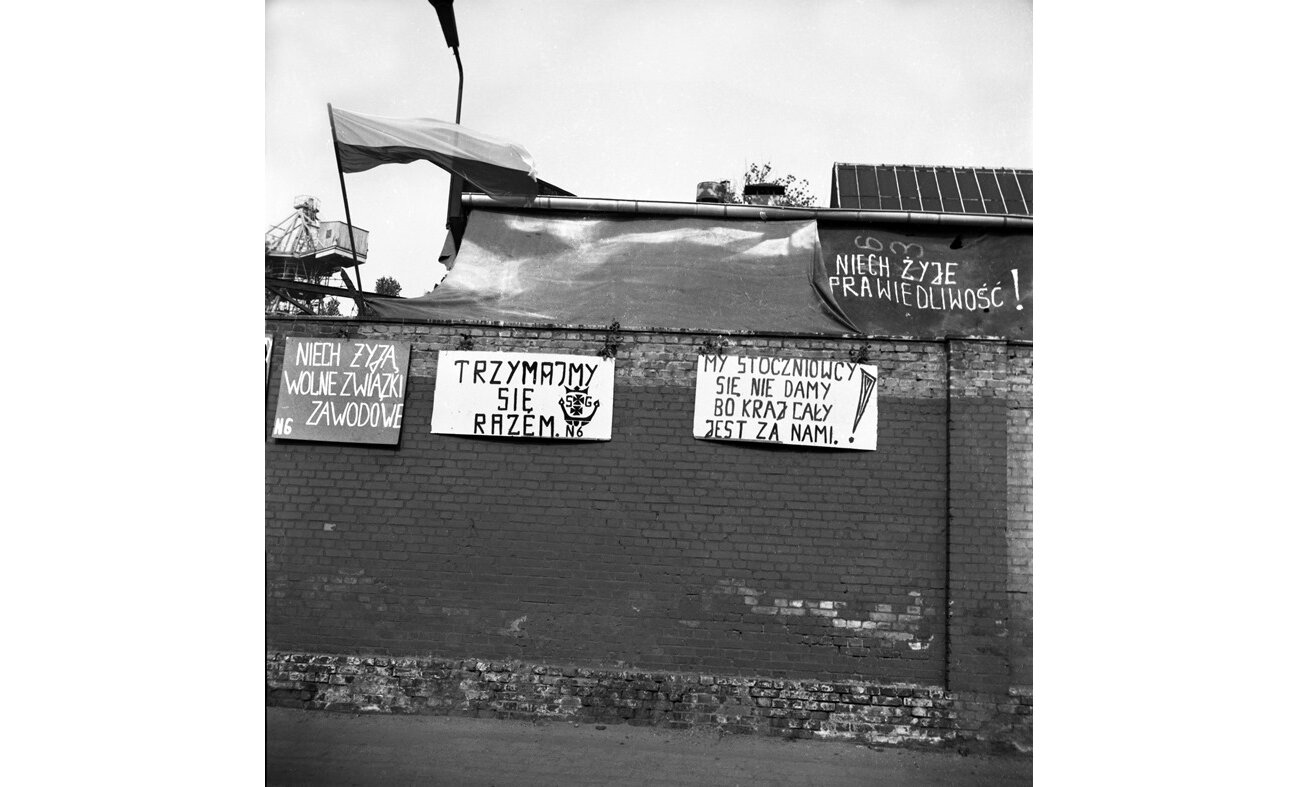
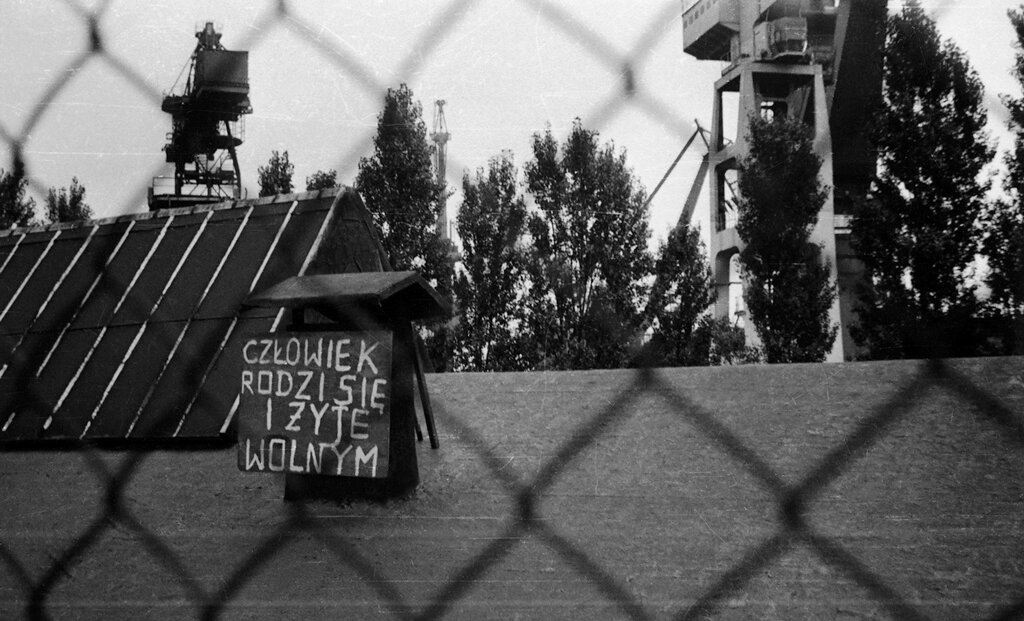
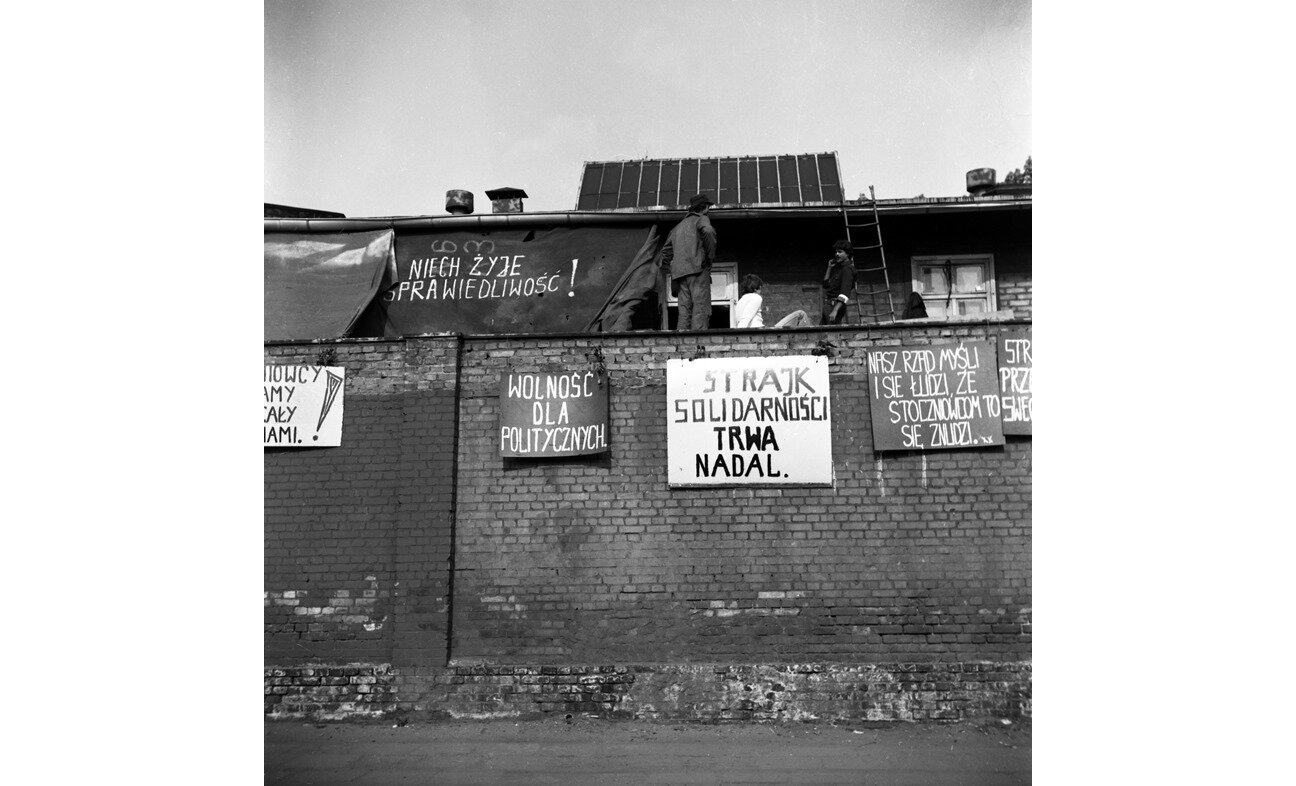
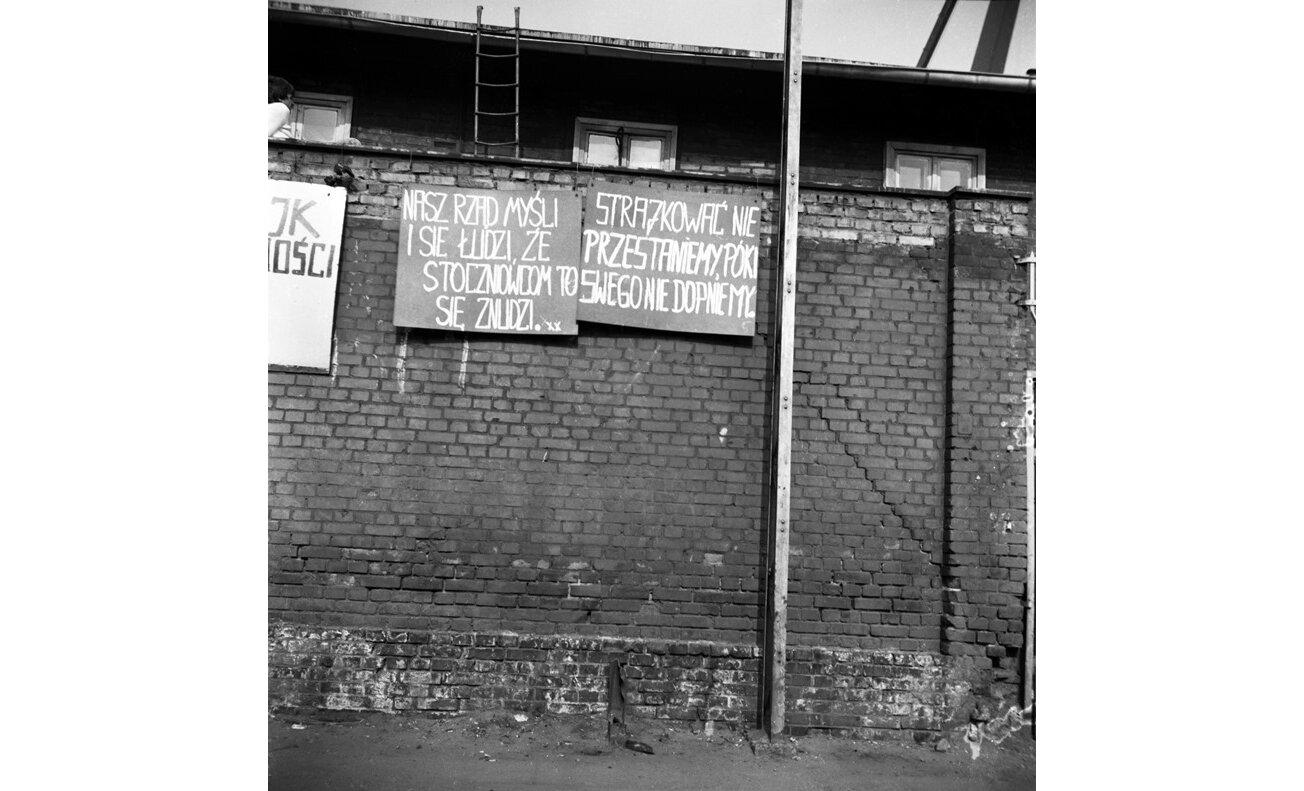
To commemorate August '80, the European Solidarity Center was established in Gdańsk. The photos and documents from that period collected in the center, include the original table with the 21 postulates. The center's mission is to promote the ideals of the Solidarity movement – democracy, an open and solidary society and a culture of dialogue.
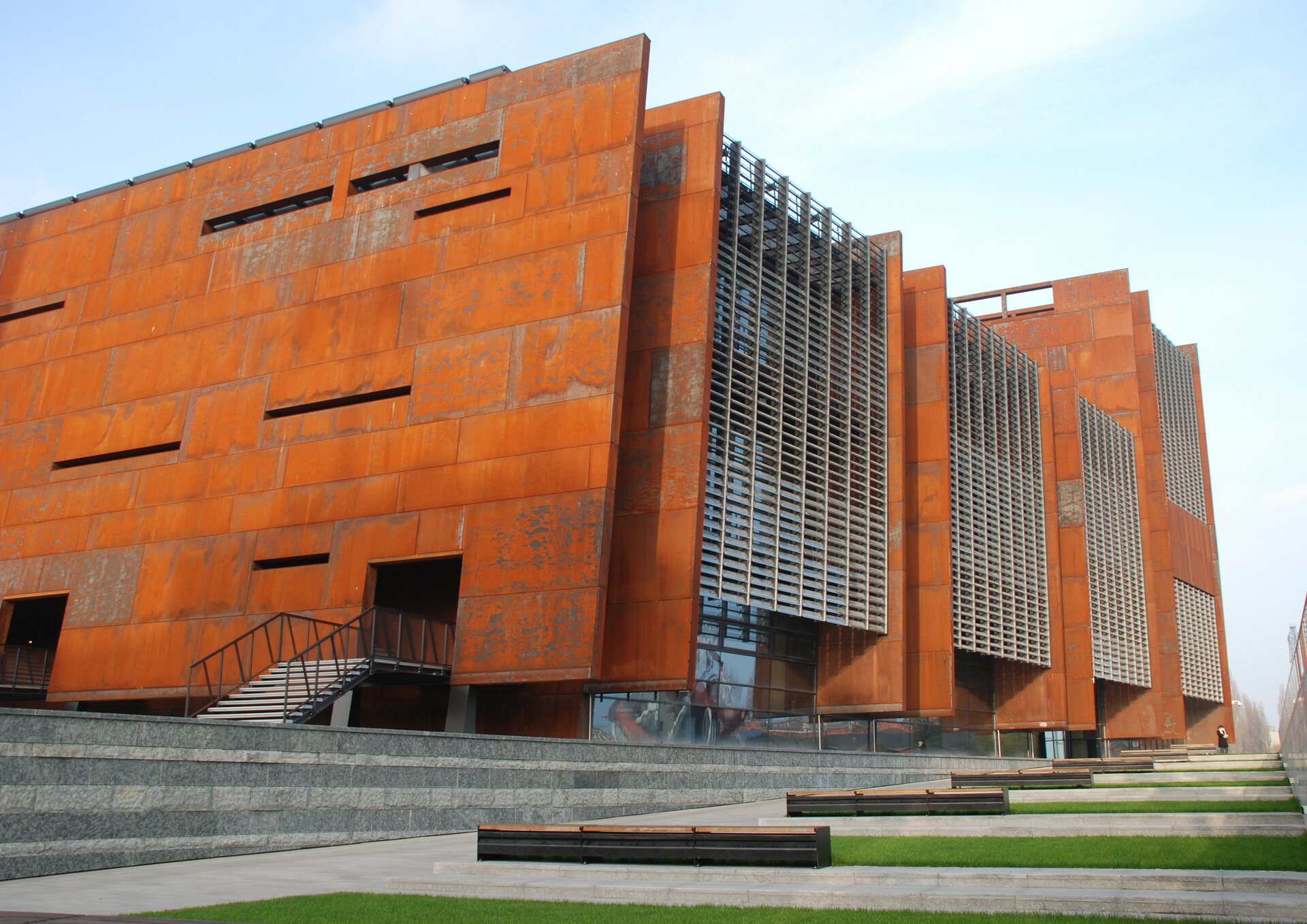
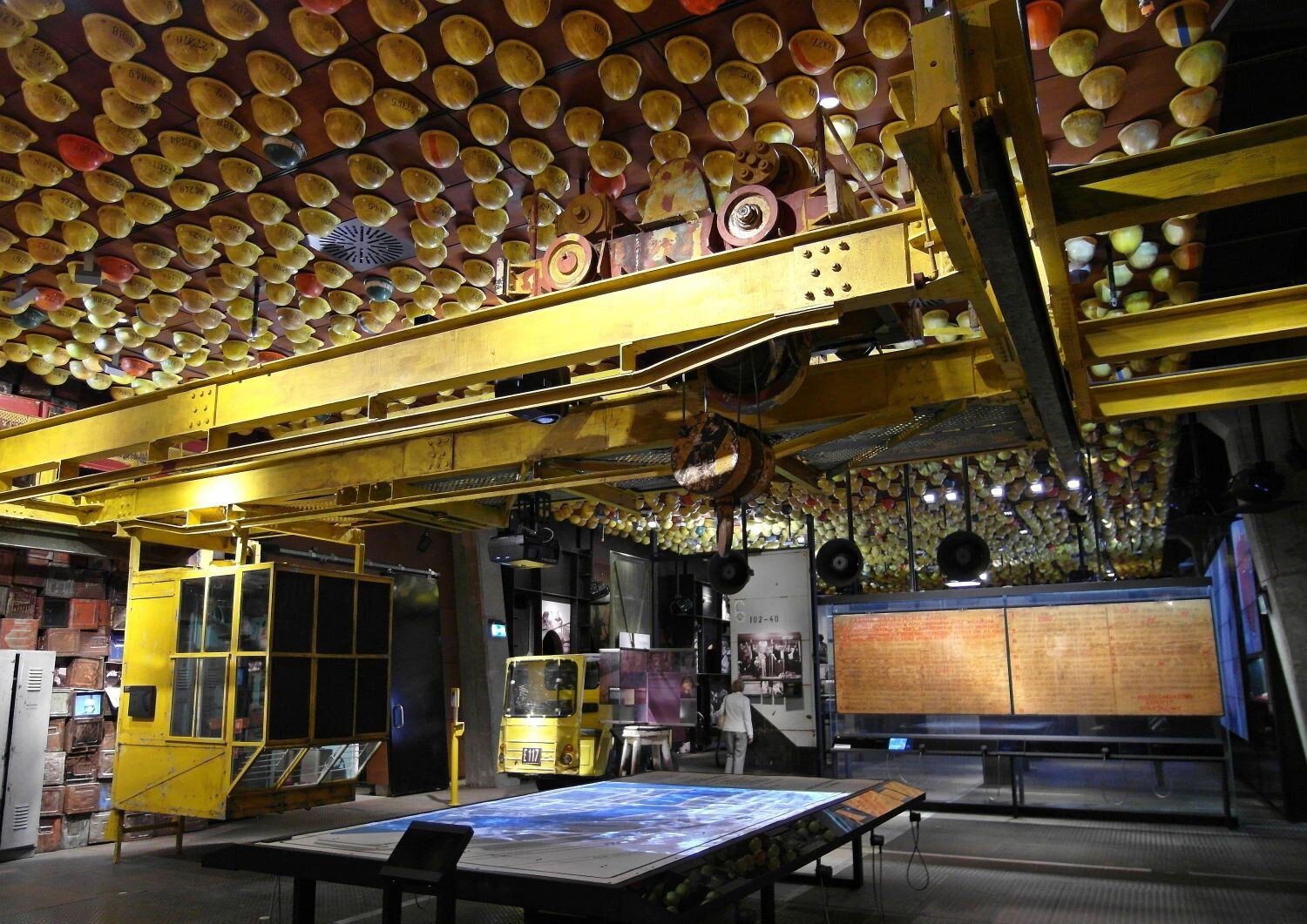
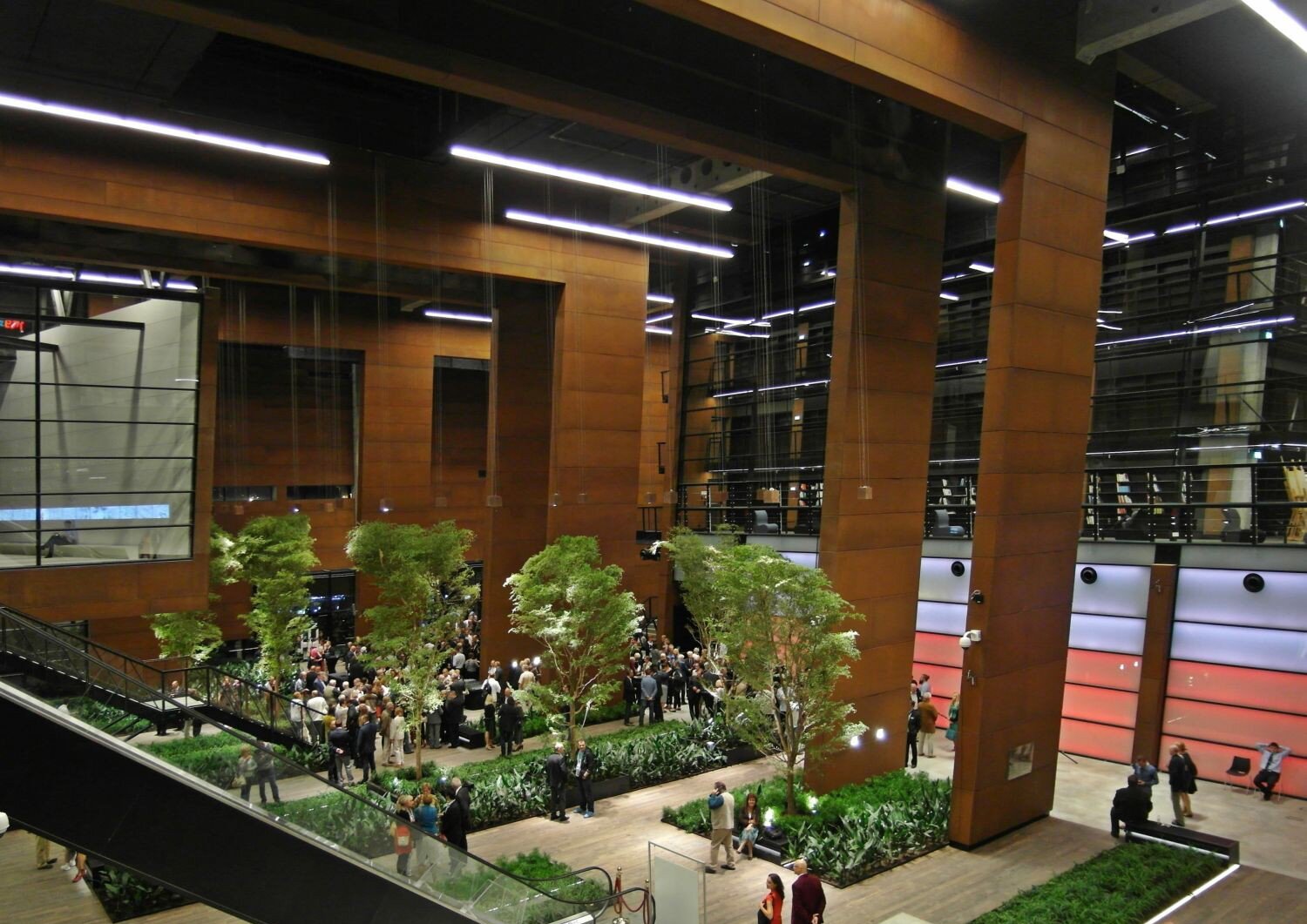
Today the role of trade unions is much smaller, but still important. The two largest trade union centres are the NSZZ “Solidarność” and OPZZ (All‑Poland Alliance of Trade Unions). There are also hundreds of smaller organizations. Trade unions often effectively defend rights, jobs and sometimes privileges of their members.
Trade unions are non‑governmental organizations established to represent and defend employees in workplaces. According to the provisions of the Constitution of the Republic of Poland, they can organize protests, demonstrations, and even strikes.
Read carefully the extract from the Constitution of the Republic of Poland, which regulates the right of association and activities of trade unions. Complete the missing words.
trade unions, freedom of peaceful, statute, contrary, be ensured, be guaranteed, everyone
The Constitution of the Republic of Poland
Chapter II
Article 57
The ...................................... assembly and participation in such assemblies shall be ensured to ....................................... Limitations upon such freedoms may be imposed by .......................................
Article 58
The freedom of association shall ...................................... to everyone.
Associations whose purposes or activities are ...................................... to the Constitution or statutes shall be prohibited. (...).
Article 59
The freedom of association in ......................................, socio-occupational organizations of farmers, and in employers' organizations shall .......................................
Listen to the abstract recording to review the material and new vocabulary. Then do the vocabulary exercise. Match the pairs: English and Polish words.
spowodować, wywołać, fabryka, zakłady produkcyjne, wycofać, dotyczący, w imieniu, obalić, wprowadzić w życie, wdrożyć, przywrócenie do pracy
| to overthrow | |
| to trigger | |
| production plant | |
| reinstatement | |
| regarding | |
| to withdraw | |
| on behalf of | |
| to implement |
Keywords
Independent Self‑Governing Trade Union “Solidarity”, All‑Poland Alliance of Trade Unions, 21 postulates, strike, trade union, protester, right to strike, political prisoner
Glossary
istotny
obalić
wędlina
spowodować, wywołać
fabryka, zakłady produkcyjne
przywrócenie do pracy
dotyczący
wycofać
w imieniu
wprowadzić w życie, wdrożyć