Agriculture in France
what climate types are present in West Europe;
what components comprise natural environment;
that components of natural environment affect each other and change over the year;
that agriculture (farming) is one of the oldest types of human activity;
to demonstrate, using French agriculture as an example, connections between natural conditions and directions and effectiveness of agricultural production in this country;
to present traits of intensive farming.
Farming is one of the oldest types of human activity. For thousand of years, people have used natural environment to cultivate and breed plants and animals to create food products and other goods. Agricultural production in France – similarly to other areas – depends on natural conditions to great extent. What are these conditions and what types of agricultural activity have developed in France?
France – geographical location
France, the third largest country in our continent, lies in West Europe. In West and North‑West, France is surrounded by the Atlantic Ocean, and in South, it is surrounded by the Mediterranean Sea. Corsica, a large island in the Mediterranean Sea, also belongs to France. Land morphology in France – evaluation for agricultural purposes.
Land morphology in France – evaluation for agricultural purposes
A hypsometric map of France and a map of natural regions prove huge variation of landforms in France.
A distinctive trait of its land morphology is existence of lowland basins, massifs of highlands and old mountains, located a bit higher, and high young mountains.
Natural environment of France – soils
The most area is covered by brown soils, formed in marine climate under broadleaf forests. In the northern part of the country, at the Atlantic Ocean shoreline, podzol soils are present. In the area covered with Mediterranean climate, there is advantage of terra rossaterra rossa (red soil) soils which were formed on limestone rocks. In the valleys of lowland rivers, fertile alluvial soils were formed. In the mountainous areas, there soils with under‑developed profile – mountain soils.
Soils in France – excluding the mountains – are typically very productive in agricultural terms.
Soil usage breakdown
Farms take up 52.7% of the area of France (as of 2011). It means more than half the country is used for farming. In some regions of France, agricultural landscapes prevail.
The largest area of crops is used for cereals – about 32% of the agricultural area. Cereals are sown mainly in western and north‑western lowland area, together with typical crops for temperate zone – potatoes and sugar beets.
Cultivation of vegetables and fruits in Brittany, in the valleys of Loire and Garonne and around large cities is also of great importance.
An important trait of French agriculture is very high yield values. They rank themselves among the highest in the world. It results from high farming culture and application of crop protection agents.
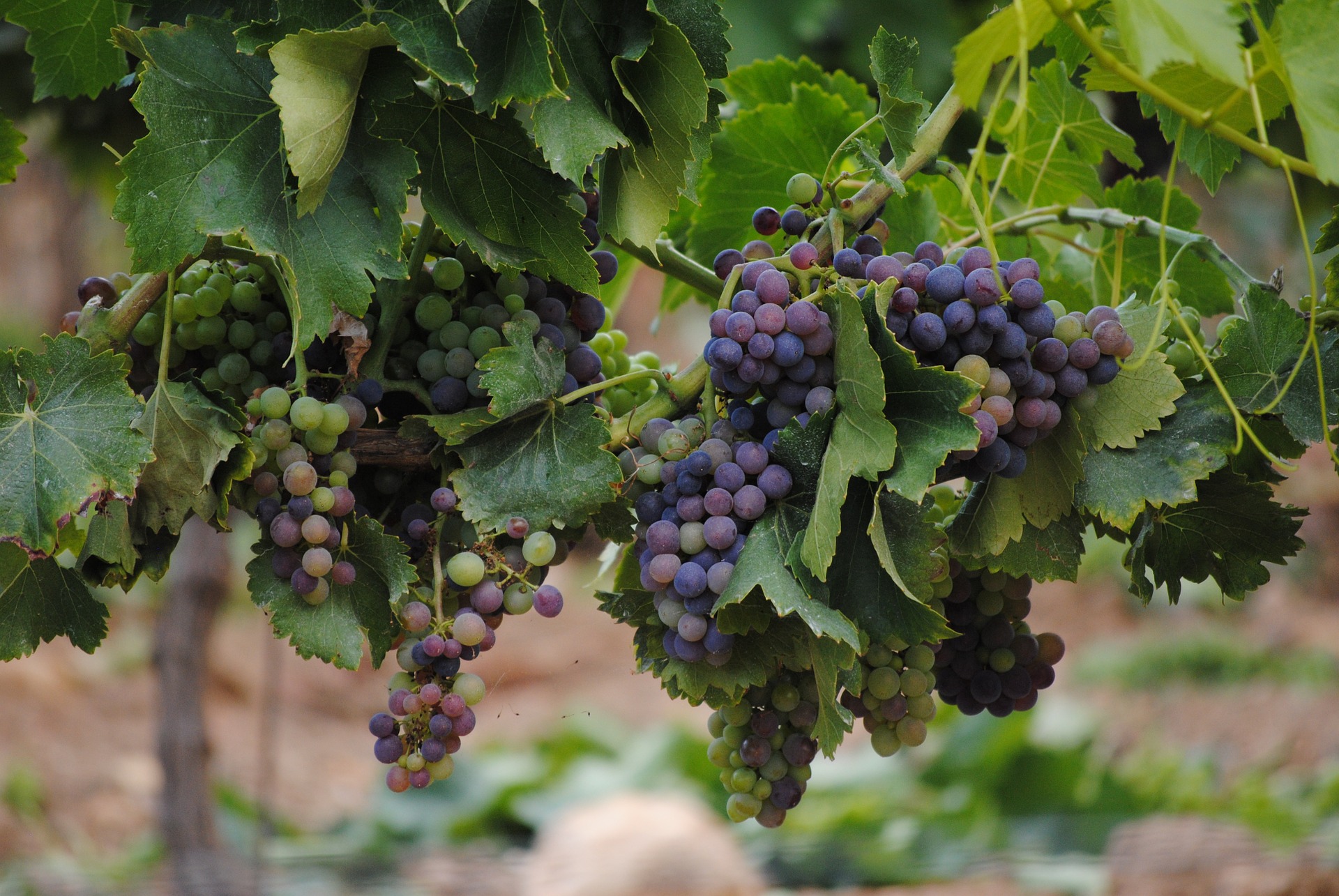
A traditional crop of France is grapevine. Vineyards are located almost in any place in the country. The highest reputation in wine manufacturing have been achieved by such regions as Provence, Languedoc and Aquitaine in the south or Champagne, Burgundy and Alsace in the north.
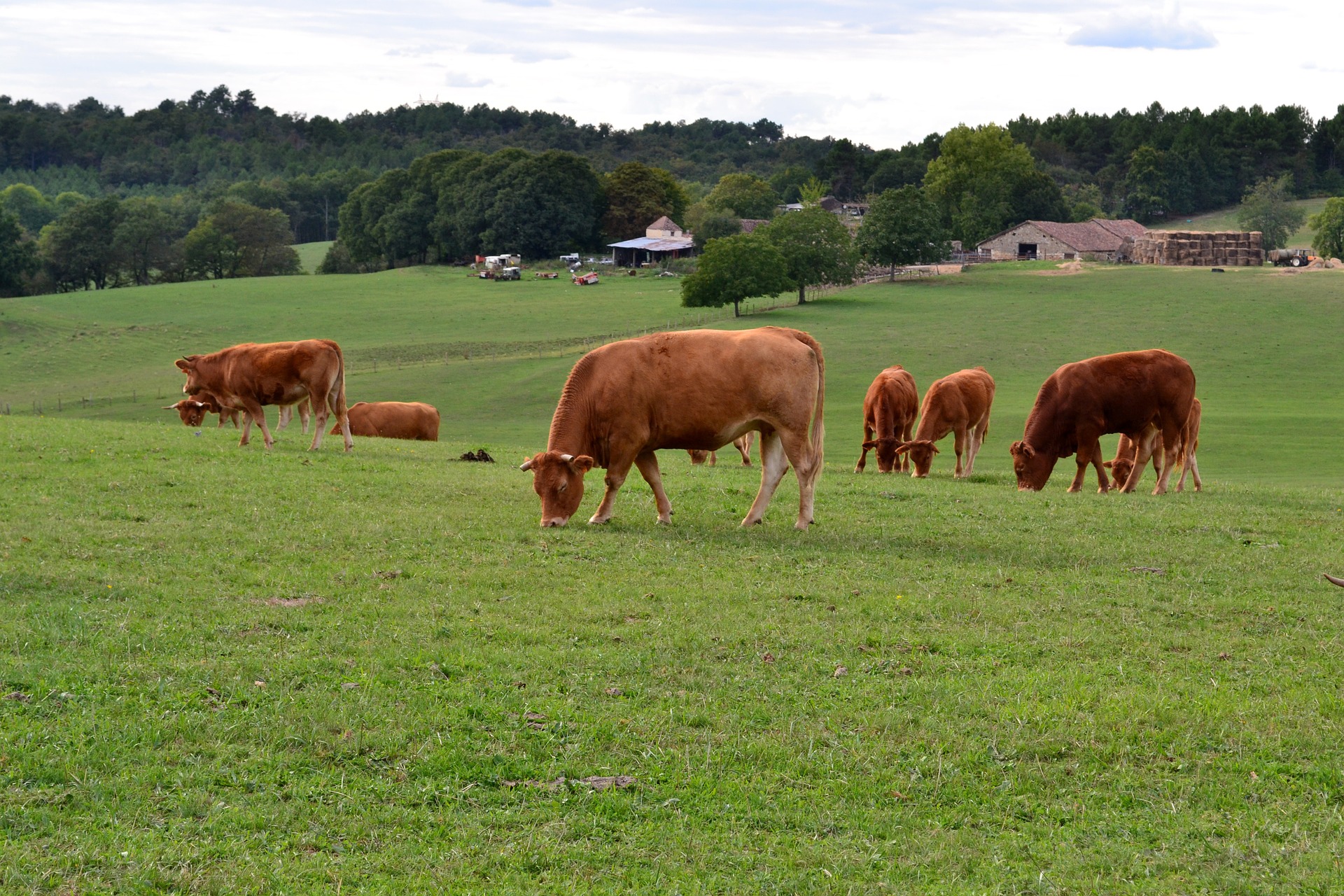
Animal breeding is employed mainly in the highlands of Brittany, Massif Central and in the piedmont areas. Highly‑processed milk products, such as cheese, belong to traditional products of French food industry. This country is one of the leading food exporters in the world. In 2011, food export reached 11.5% of total export revenue of France.
Which one of the presented crops, located in France, takes up the largest area?
- Description of Figure A
- Description of correct Figure B
- Description of Figure C
- Description of Figure D
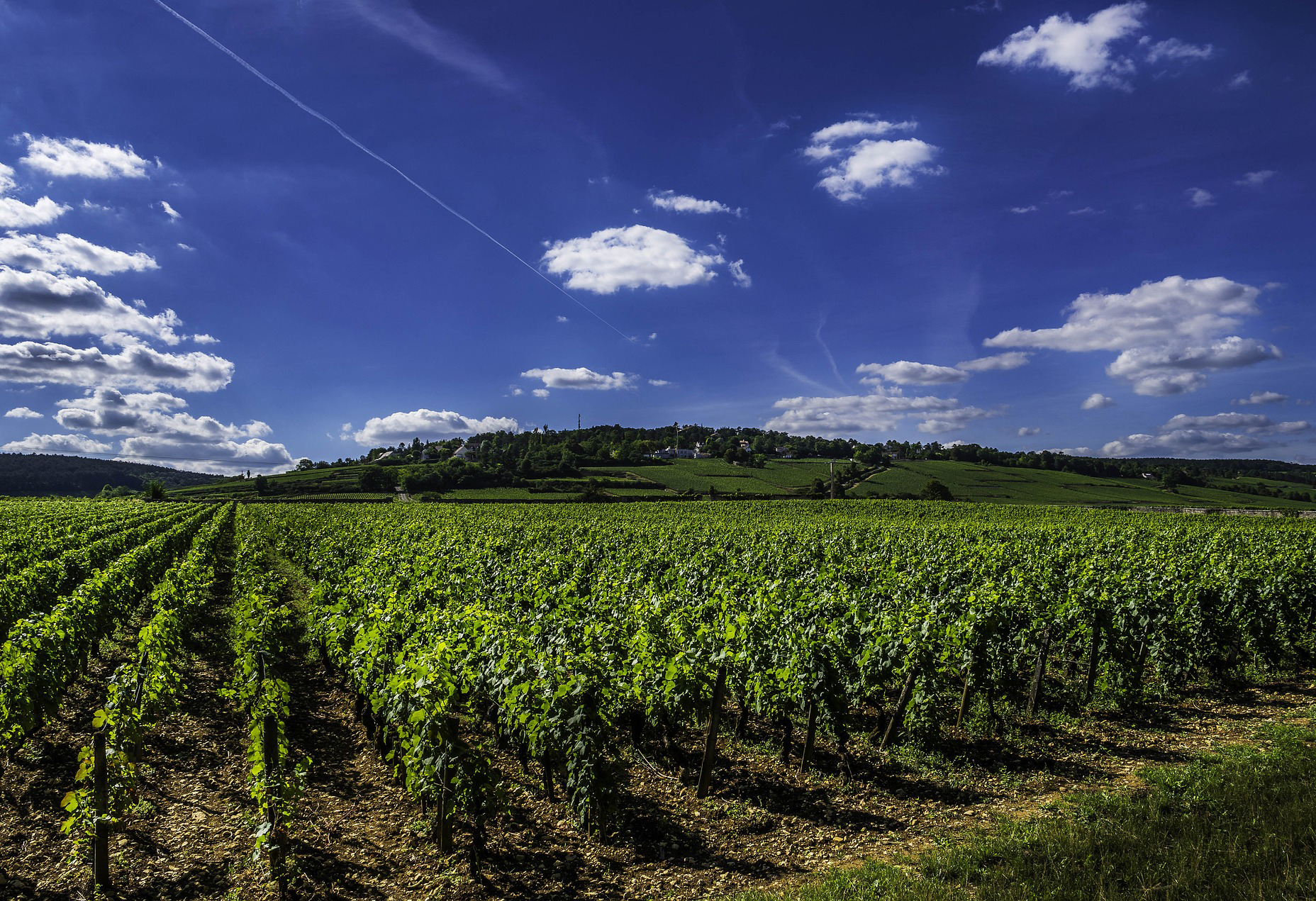
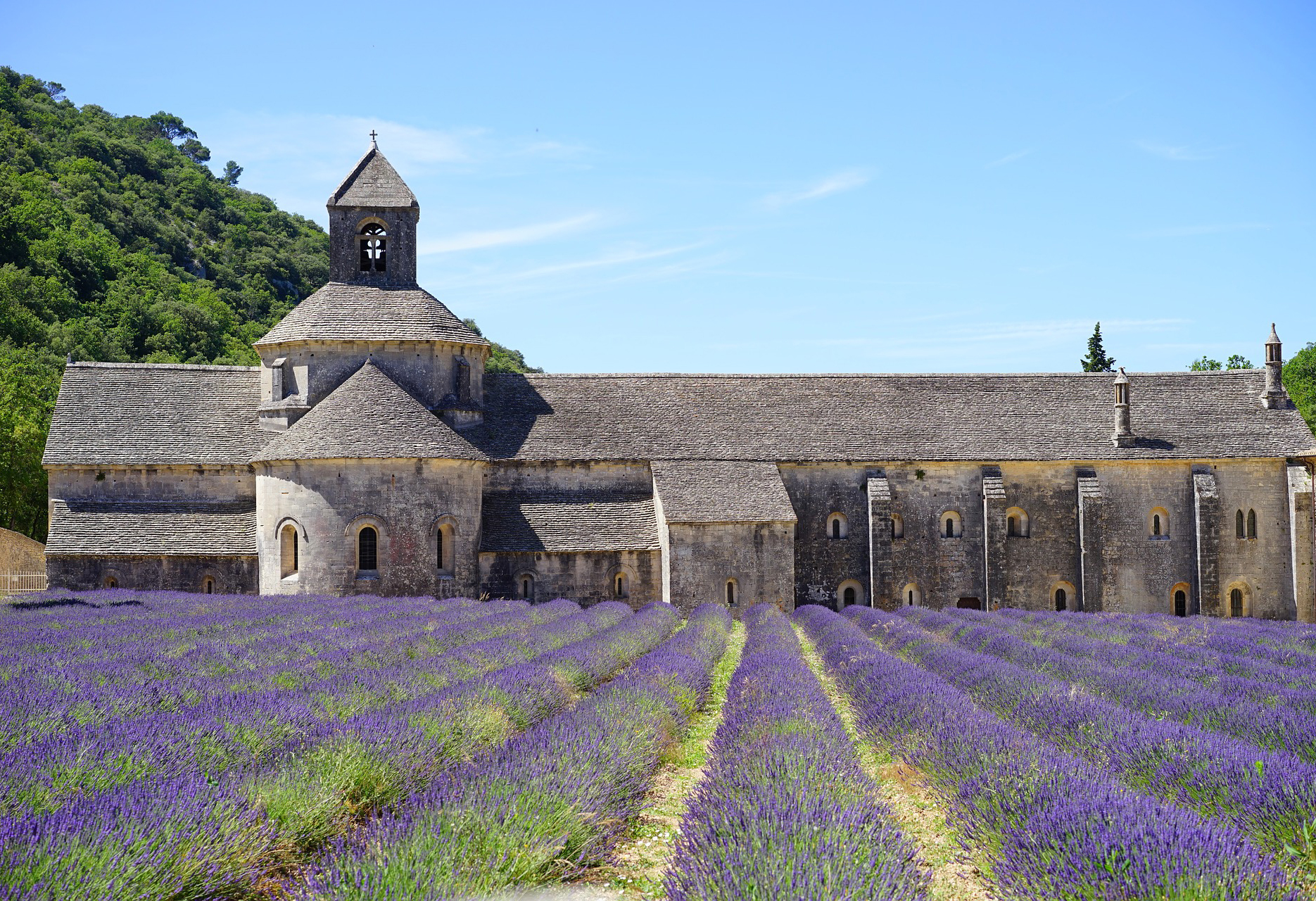
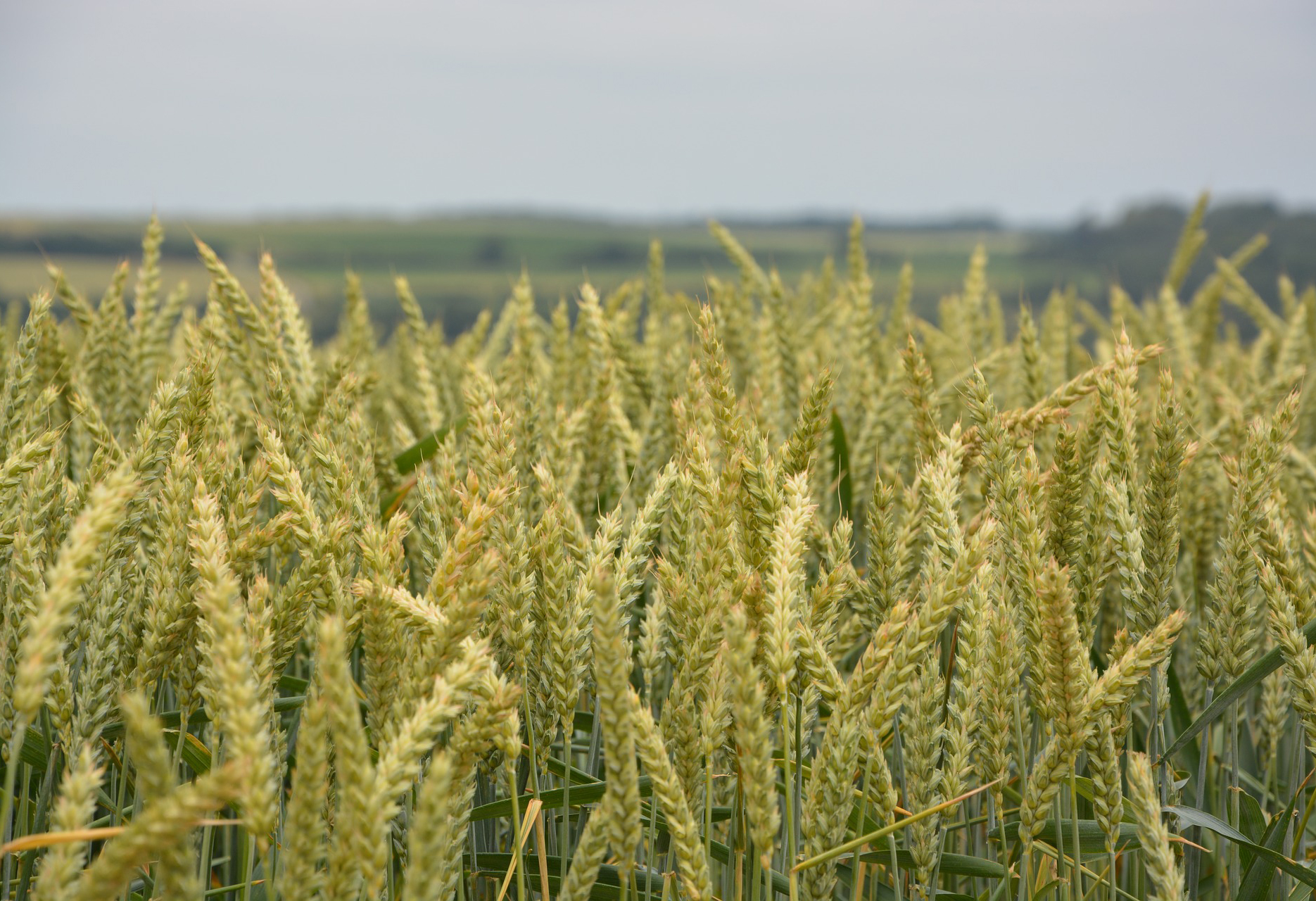
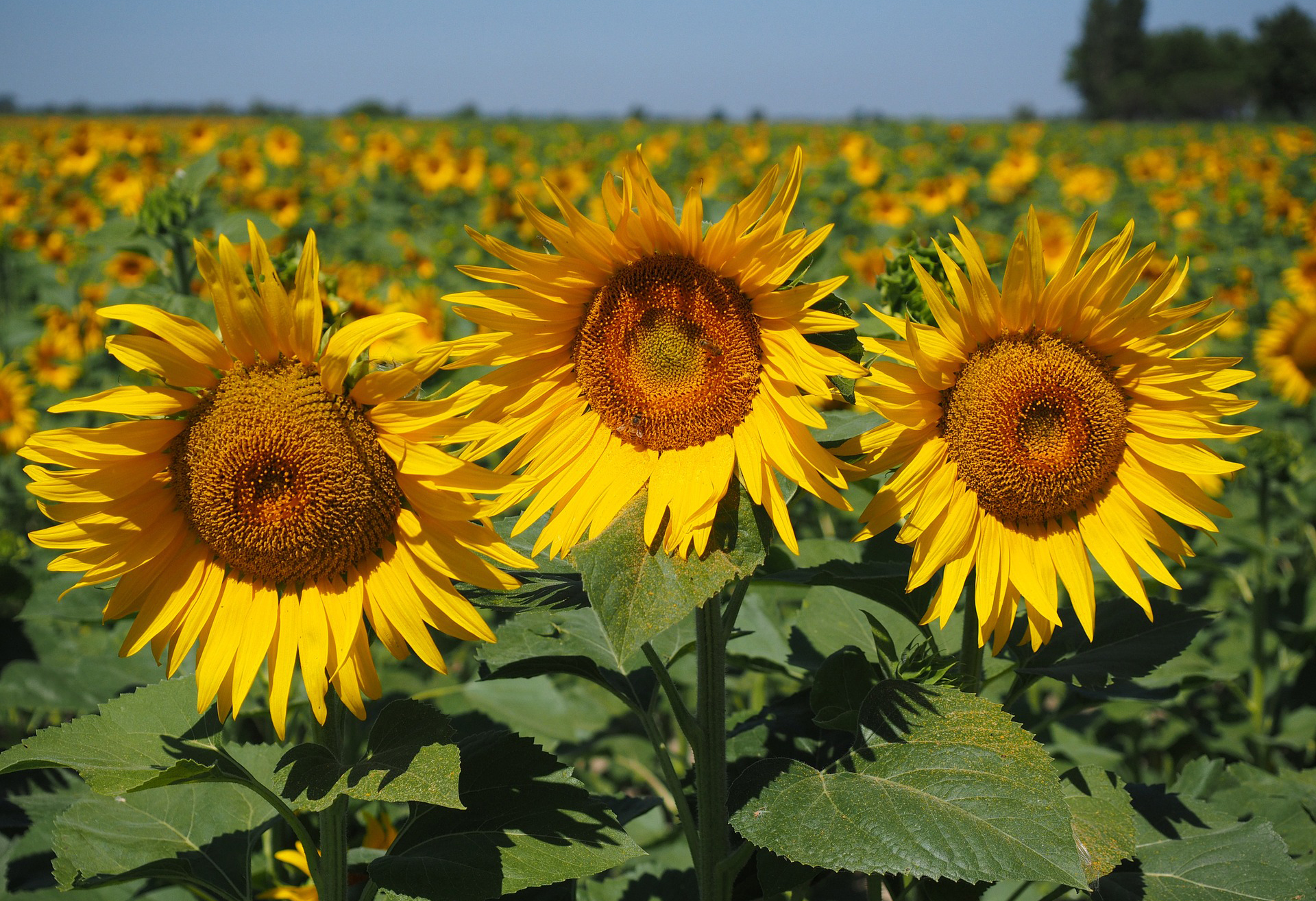
Features of French farming
Varied natural conditions, extensive experience of farmers, tradition, and modern needs moulded specific type of agriculture, named intensive farming. This term means that farmers cultivate variety of plants and breed various species of animals, achieving high efficiency, and products, in their majority, are manufactured to be sold in the market.
Factors affecting high rank of French agriculture are:
adjustment of direction of agricultural production to specific conditions of natural environment in each region;
specialisation and concentration of agricultural production so that yield per hectare is as high as possible, and livestock generates the highest possible amount of goods;
adjustment of agricultural production to the market;
application of modern technology in plant cultivation and animal breeding (mechanisation, crop protection agents, agricultural irrigation);
well‑developed food industry, manufacturing products of high quality, mostly with long‑lasting tradition (cheese, wine and other farming products);
high employment, reaching 10‑12% of professionally active persons, in the fields of economy cooperating with agricultural business; farmers constitute about 3% of professionally active persons;
adjustment of agriculture to any changes that occurred in global markets in the field of trading food and agricultural products.
Since 2005, France, as a Member State of the European Union, introduced a reform of agricultural policy. Its goals included supporting forms of production of healthy food and application of sustained development principles in agricultural economy.
In which of the grape regions is the most commonly grown plant? Choose two regions.
- Provence
- Languedoc
- Brittany
- Normandy
Match the pairs: English words with Polish definition.
okres wzrostu i rozwoju roślin, obejmujący intensywne procesy życiowe od siewu do zbioru uprawianej rośliny. Jego długość zależy od gatunku rośliny, warunków klimatycznych, nawożenia, tereny w obrębie gospodarstwa rolnego lub danego regionu wykorzystywane do produkcji roślinnej, ogrodniczej lub zwierzęcej., czerwona gleba lub osad wypełniający pustki krasowe, tworząca się w wyniku krasowienia wapieni w klimacie śródziemnomorskim lub tropikalnym, podobna do gleb laterytowych. Składa się głównie z wodorotlenków, uwodnionych tlenków glinu i wodorotlenku żelaza.
| farmland | |
| growing season | |
| terra rossa |
France is the world leader in milk production. Animals are bred mostly in two regions:
- Provence
- Languedoc
- Brittany
- Massif Central
- Gascony
Keywords
France, agriculture, farming, agricultural production
Glossary
pole uprawne - tereny w obrębie gospodarstwa rolnego lub danego regionu wykorzystywane do produkcji roślinnej, ogrodniczej lub zwierzęcej.
sezon wegetacyjny - okres wzrostu i rozwoju roślin, obejmujący intensywne procesy życiowe od siewu do zbioru uprawianej rośliny. Jego długość zależy od gatunku rośliny, warunków klimatycznych, nawożenia
Terra rossa - czerwona gleba lub osad wypełniający pustki krasowe, tworząca się w wyniku krasowienia wapieni w klimacie śródziemnomorskim lub tropikalnym, podobna do gleb laterytowych. Składa się głównie z wodorotlenków, uwodnionych tlenków glinu i wodorotlenku żelaza.