For the Germans, blitzkrieg was a solution to the lack of strategic resources. This means its basic goal was to crush France and take over its industry, and then move to the East and win against Russia. After the war started, the Germans indeed reached Paris really quickly. However, the French managed to stop the German attack in the Battle of the Marne. That battle irreversibly ended the traditional war manoeuvres in Western Europe. Thus, trench warfare started which pushed millions of soldiers into trenches for a long time. The trenches had hundreds of kilometers and they ran along the front line. In 1916, after two years of dramatically long conflict, Germany as the first attempted to break the Western front. From the end of February until June of 1916 battle of VerdunBattle of Verdunbattle of Verdun was fought. In July of that year the counteroffensiveoffensiveoffensive was initiated. It was launched by the British and the French (Battle of the SommeBattle of the SommeBattle of the Somme). Soon, battle of Verdun recommenced. However, none of those battles that took place simultaneously until the end of 1916 changed the front line.
Task 1
Przypomnij sobie tytuł abstraktu, wysłuchaj nagrania i spróbuj zaproponować własny temat dla dzisiejszej lekcji.
Przypomnij sobie tytuł abstraktu, wysłuchaj nagrania i spróbuj zaproponować własny temat dla dzisiejszej lekcji.
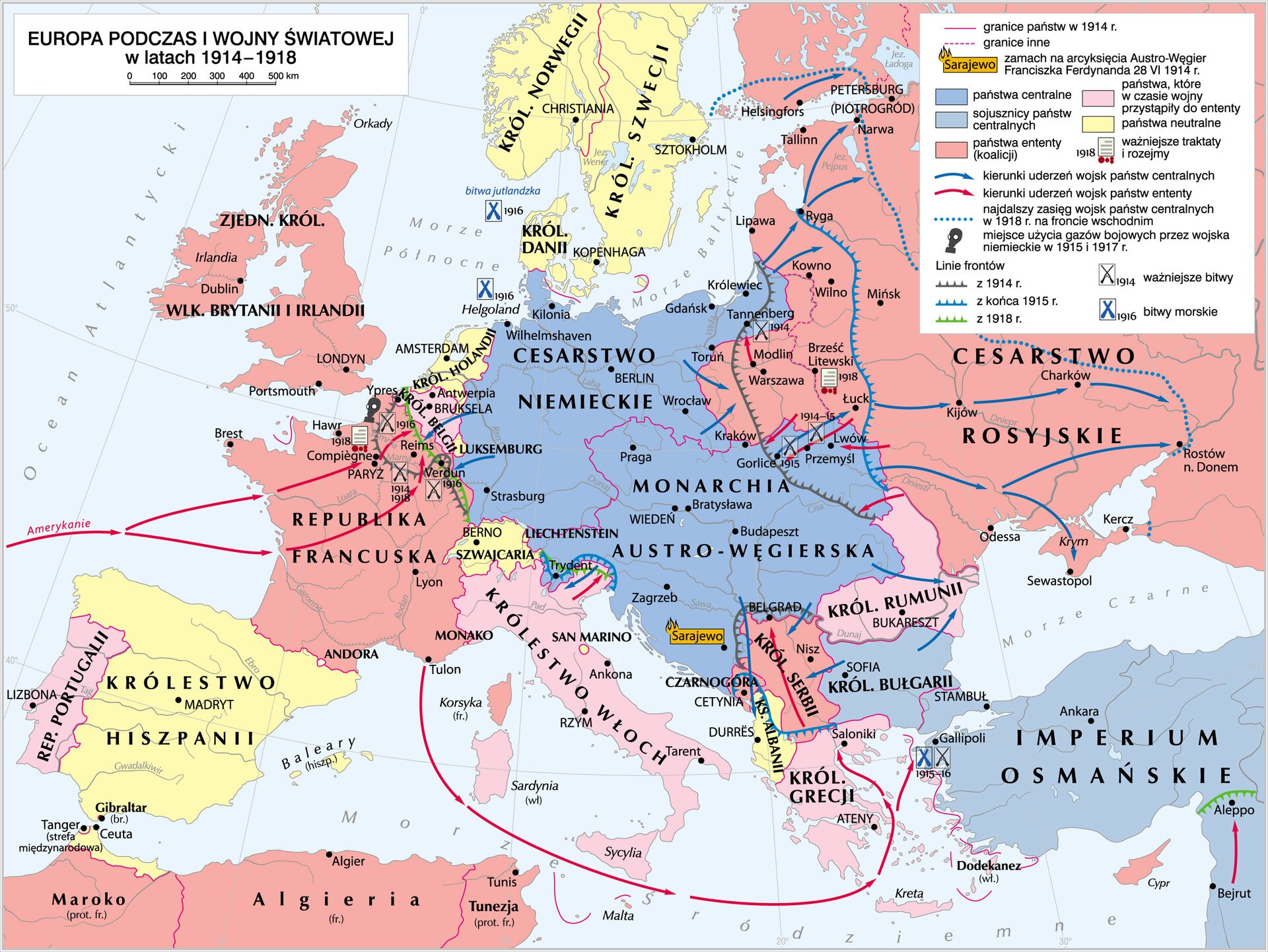
Analyze the map “Europe in 1914‑1918”. Show the front lines in Western Europe. Try to characterize their dynamics
R1H1KPw4ocFBI
Grafika mapy przedstawiającej Europę w latach 1914–1918.
Europe between 1914-1918
Source: Krystian Chariza i zespół.
Task 2
Listen to the broadcast on Battle of the Marne. What was the role of French taxis in that battle? What were the consequences of the battle?
One month after the beginning of the World War I, after a quick occupation of Belgium, they moved onwards with the hope of a quick victory over France. The so‑called Schlieffen Plan assumed that Germany are able to win the war only if it takes place on one front. The German war cabinet decided that first, they have to eliminate France before its Eastern ally, Russia, mobilizes all its forces. That is why nearly all German forces were directed to the West. The situation was becoming more and more dangerous, that is why on 4th of September 1914, the French President Raymond Poincaré, together with his government and the parliament, left Paris. This date was unfortunate, because that day was the anniversary of a national tragedy of the French - defeat in the Battle of Sedan against Prussia in 1871.
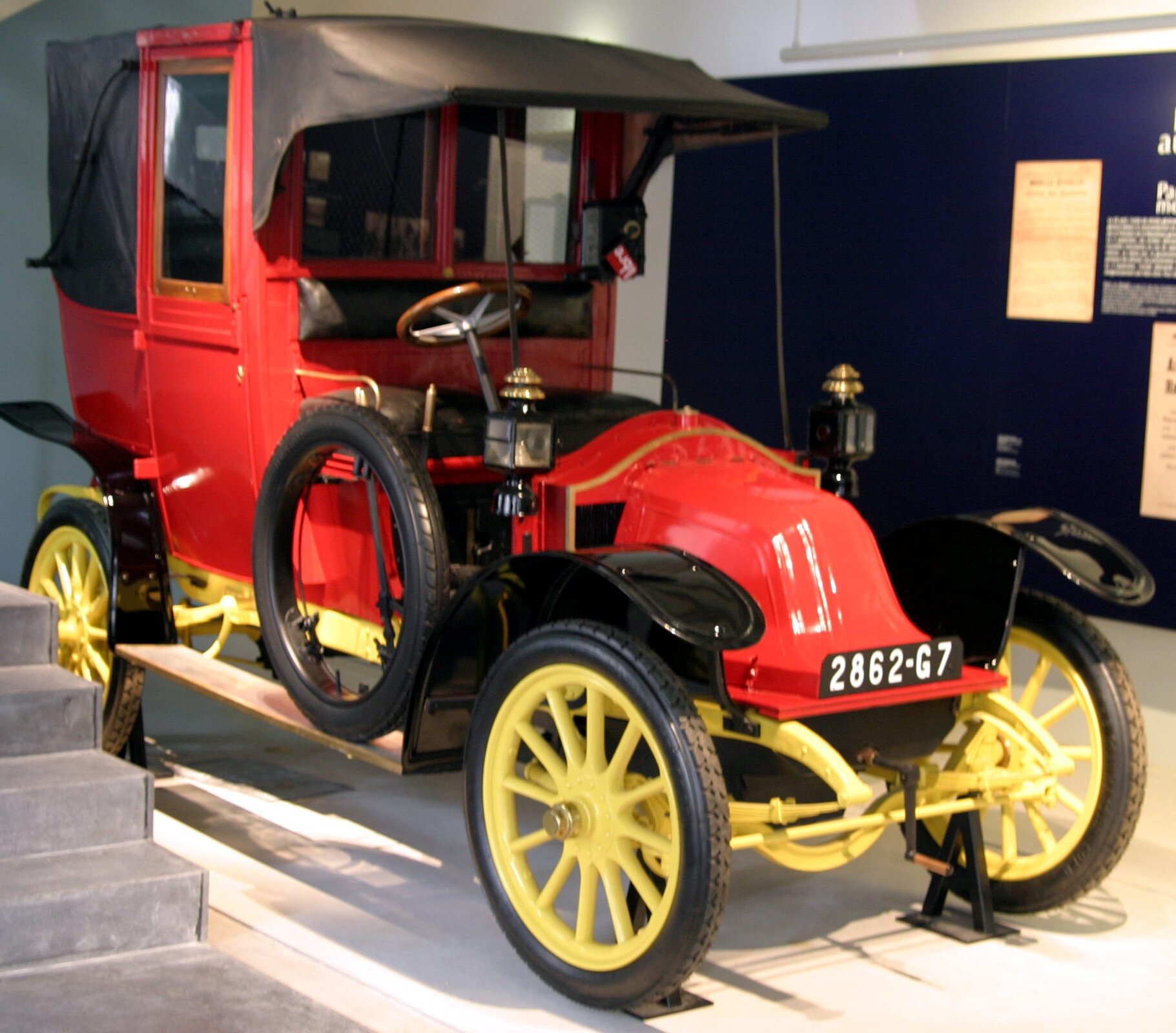
The morale of the French was not low, however. The people of Paris started building barricades using cobblestones. The army lead by general Joseph Joffre managed to counterattack. Invaluable role was that of Paris taxis, as the front was 72 km from the train station where the provisions were delivered to. Around 100 were commandeered, and another 500 taxis were given up for free by Paris taxi drivers. That is how the soldiers from Paris garrison, in city cars, embarked on their journey to the front line, tilting the balance in favour of the French. The taxi drivers did 2 rides, the government paid for it, and their deed went down in history as one of the most dramatic and heroic moments.
RzN6U82RooiuD
Fotografia przedstawia jedną z "taksówek Marny", model Renault AG-1
One of the “taxis of Marna”, Renault AG-1
Source: Rama, licencja: CC BY-SA 2.0.
A single, last minute decision by a German chief of staff, General Helmuth von Moltke, worked also in favour of the French. He decided to withdraw part of the forces for the defence of East Prussia, as Russian army was fast approaching. This is how on 9th September 1914 First Battle of Marna ended (the second Battle of Marna also took place during the Great War), in which French and British armies stopped the Germans from advancing to the West. Soon it was deemed the 17th among most important battles of the world, and the French liked to call it “Miracle of the Marne”. The battle destroyed the chances to win against the French in blitzkrieg, and it decided about the final failure of Germany in the entire war. Paradoxically, victory in the Battle of Marna changed the World War I for 4 long years into trench war in the West.
When people realized that the plans of a blitzkrieg failed, until the end of 1914 there was something called “race to the sea”. Enemy armies – unsuccessfully trying to overtake and surround the enemy – reached the shores of the North Sea in the north and natural border of Switzerland in the south. As a result, two parallel, continuous trench lines were created. From that moment onwards, the war became more direct and more bloody. The trenches not only provided protection against rifles, artillery and weather, but also initiated a new, previously unknown way of fighting war.
chwalba4 Source: A. Chwalba, Suicide of Europe. The Great War 1914-1918, Kraków 2014.
Task 3
Read the below fragment on life on the front lines in Flanders towards the end of 1914. Based on that text, describe the behaviours of the soldiers fighting in the trenches of the Western front. Explain what the phenomenon of Christmas truce in 1914 was.
Modris EksteinsŚwięto wiosny. Wielka Wojna i narodziny nowego wieku
W Wigilię Bożego Narodzenia temperatura zaczęła gwałtownie spadać. Zalane wodą okopy zamarzły. Problem błota się zmniejszył i już to samo polepszyło nastroje. Dla Niemców Wigilia jest najbardziej uroczystym momentem świąt. zaraz po zmroku na większości niemieckich linii, wbrew oficjalnemu zakazowi przynoszenia drzewek do okopów, wyrosły małe choinki, tradycyjne Tannenbaum. Na wielu z nich umocowano świeczki, prawdziwe lub sztuczne. Zgodnie z relacjami, Francuzów, którzy często widzieli choinkę po raz pierwszy w życiu, i Brytyjczyków zaintrygowały początkowo dziwne efekty świetlne. Sądząc, że to jakiś fortel, w wielu miejscach otworzyli ogień. […] Gdy z powrotem poustawiano drzewka, zaczęły się śpiewy, czasami ochrypłe, częściej łagodne i sentymentalne. […] Stopniowo strzelanina ucichła niemal wszędzie. Żołnierze powstali, usiedli na przedpiersiachbreastworkprzedpiersiach i zaczęli wykrzykiwać pozdrowienia do „wroga”. Rozpoczęły się rozmowy […]. Większość spotkań inicjowana była spontanicznie, bez aprobaty dowództwa ani zamierzonego celu wojskowego. […] Gdy zaświtał dzień następny, ziemia zamarzła, a gdzieniegdzie leżała cienka warstewka lodu. […] W wielu miejscach częste było wzajemne zabawianie się śpiewem i hymnami. […] Żołnierze wkroczyli na ziemię niczyjąno man's landziemię niczyją, a w niektórych przypadkach nawet do okopów przeciwnika, i zaczęli świętować. Niektórzy byli nieśmiali, inni bardziej otwarci. Rozmawiali, śpiewali, wymieniali podarunki. […] Główny świąteczny posiłek rozdano około południa i towarzystwo rozeszło się do okopów. Natychmiast po skończonym jedzeniu zabawa rozpoczęła się od nowa. […] Po wstępnych uprzejmościach zaczął się handel wymienny. […] Mimo licznych pogłosek o meczu i wzmiankach o rywalizacji między Brytyjczykami i Niemcami, nie ma przekonywających dowodów, że doszło do regularnego meczu. Niemniej szerzące się pogłoski świadczą o marzeniach i nastrojach frontowych oddziałów. […] Relacja o wyniku 3:2 z Saksończykami (w większości relacji oni są zwycięzcami, w innych opisach natomiast są stroną przegraną) powtarza się tak konsekwentnie, że można przypuszczać, że doszło do jakiejś namiastki meczu z użyciem puszek po wołowinie czy czegoś podobnego. Nieprawdopodobny jest jednak mecz rozegrany prawdziwą piłką zgodnie ze wszelkimi regułami, chociażby z powodu porytego pociskami, pełnego lejów „boiska” na ziemi niczyjej.
eksteins Source: Modris Eksteins, Święto wiosny. Wielka Wojna i narodziny nowego wieku, Warszawa 1996, s. 128–132.
RhKIvCCTZ5NuG
Exercise 1
Match the correct sentences with each other. After completing the exercise, briefly justify the famous statement regarding the Western front during World War I: all quiet on the Western front In 1916, Germany as the first Możliwe odpowiedzi: 1. The only result of these battles was moving the trenches a few kilometers., 2. This battle was provoked by the Germans, who lured the British fleet close to the German shores., 3. near the Somme river., 4. brought only great and comparable losses on both sides of the conflict. Each side lost almost 350 thousand soldiers., 5. German fleet suffered great losses, but smaller than the losses of the British fleet., 6. attempted to break the Western front., 7. The battle, according to the plans of the German generals, was intended to literally bleed out the French army and break the deadlock on the Western front, 8. and it initiated a new way of fighting, aimed at depleting enemy forces. From the end of February until June of 1916, Battle of Verdun was fought. Możliwe odpowiedzi: 1. The only result of these battles was moving the trenches a few kilometers., 2. This battle was provoked by the Germans, who lured the British fleet close to the German shores., 3. near the Somme river., 4. brought only great and comparable losses on both sides of the conflict. Each side lost almost 350 thousand soldiers., 5. German fleet suffered great losses, but smaller than the losses of the British fleet., 6. attempted to break the Western front., 7. The battle, according to the plans of the German generals, was intended to literally bleed out the French army and break the deadlock on the Western front, 8. and it initiated a new way of fighting, aimed at depleting enemy forces. Battle of Verdun Możliwe odpowiedzi: 1. The only result of these battles was moving the trenches a few kilometers., 2. This battle was provoked by the Germans, who lured the British fleet close to the German shores., 3. near the Somme river., 4. brought only great and comparable losses on both sides of the conflict. Each side lost almost 350 thousand soldiers., 5. German fleet suffered great losses, but smaller than the losses of the British fleet., 6. attempted to break the Western front., 7. The battle, according to the plans of the German generals, was intended to literally bleed out the French army and break the deadlock on the Western front, 8. and it initiated a new way of fighting, aimed at depleting enemy forces. In May of 1916, on the shores of Jutland the largest naval battle of that war took place. Możliwe odpowiedzi: 1. The only result of these battles was moving the trenches a few kilometers., 2. This battle was provoked by the Germans, who lured the British fleet close to the German shores., 3. near the Somme river., 4. brought only great and comparable losses on both sides of the conflict. Each side lost almost 350 thousand soldiers., 5. German fleet suffered great losses, but smaller than the losses of the British fleet., 6. attempted to break the Western front., 7. The battle, according to the plans of the German generals, was intended to literally bleed out the French army and break the deadlock on the Western front, 8. and it initiated a new way of fighting, aimed at depleting enemy forces. During the battle of Jutland Możliwe odpowiedzi: 1. The only result of these battles was moving the trenches a few kilometers., 2. This battle was provoked by the Germans, who lured the British fleet close to the German shores., 3. near the Somme river., 4. brought only great and comparable losses on both sides of the conflict. Each side lost almost 350 thousand soldiers., 5. German fleet suffered great losses, but smaller than the losses of the British fleet., 6. attempted to break the Western front., 7. The battle, according to the plans of the German generals, was intended to literally bleed out the French army and break the deadlock on the Western front, 8. and it initiated a new way of fighting, aimed at depleting enemy forces. Battle of Verdun lasted almost a year Możliwe odpowiedzi: 1. The only result of these battles was moving the trenches a few kilometers., 2. This battle was provoked by the Germans, who lured the British fleet close to the German shores., 3. near the Somme river., 4. brought only great and comparable losses on both sides of the conflict. Each side lost almost 350 thousand soldiers., 5. German fleet suffered great losses, but smaller than the losses of the British fleet., 6. attempted to break the Western front., 7. The battle, according to the plans of the German generals, was intended to literally bleed out the French army and break the deadlock on the Western front, 8. and it initiated a new way of fighting, aimed at depleting enemy forces. In July of 1916, after the fiasco of German offensive, the British-French counteroffensive was initiated Możliwe odpowiedzi: 1. The only result of these battles was moving the trenches a few kilometers., 2. This battle was provoked by the Germans, who lured the British fleet close to the German shores., 3. near the Somme river., 4. brought only great and comparable losses on both sides of the conflict. Each side lost almost 350 thousand soldiers., 5. German fleet suffered great losses, but smaller than the losses of the British fleet., 6. attempted to break the Western front., 7. The battle, according to the plans of the German generals, was intended to literally bleed out the French army and break the deadlock on the Western front, 8. and it initiated a new way of fighting, aimed at depleting enemy forces. None of the battles fought until the end of 1916 changed the front. Możliwe odpowiedzi: 1. The only result of these battles was moving the trenches a few kilometers., 2. This battle was provoked by the Germans, who lured the British fleet close to the German shores., 3. near the Somme river., 4. brought only great and comparable losses on both sides of the conflict. Each side lost almost 350 thousand soldiers., 5. German fleet suffered great losses, but smaller than the losses of the British fleet., 6. attempted to break the Western front., 7. The battle, according to the plans of the German generals, was intended to literally bleed out the French army and break the deadlock on the Western front, 8. and it initiated a new way of fighting, aimed at depleting enemy forces.
Match the correct sentences with each other. After completing the exercise, briefly justify the famous statement regarding the Western front during World War I: all quiet on the Western front In 1916, Germany as the first Możliwe odpowiedzi: 1. The only result of these battles was moving the trenches a few kilometers., 2. This battle was provoked by the Germans, who lured the British fleet close to the German shores., 3. near the Somme river., 4. brought only great and comparable losses on both sides of the conflict. Each side lost almost 350 thousand soldiers., 5. German fleet suffered great losses, but smaller than the losses of the British fleet., 6. attempted to break the Western front., 7. The battle, according to the plans of the German generals, was intended to literally bleed out the French army and break the deadlock on the Western front, 8. and it initiated a new way of fighting, aimed at depleting enemy forces. From the end of February until June of 1916, Battle of Verdun was fought. Możliwe odpowiedzi: 1. The only result of these battles was moving the trenches a few kilometers., 2. This battle was provoked by the Germans, who lured the British fleet close to the German shores., 3. near the Somme river., 4. brought only great and comparable losses on both sides of the conflict. Each side lost almost 350 thousand soldiers., 5. German fleet suffered great losses, but smaller than the losses of the British fleet., 6. attempted to break the Western front., 7. The battle, according to the plans of the German generals, was intended to literally bleed out the French army and break the deadlock on the Western front, 8. and it initiated a new way of fighting, aimed at depleting enemy forces. Battle of Verdun Możliwe odpowiedzi: 1. The only result of these battles was moving the trenches a few kilometers., 2. This battle was provoked by the Germans, who lured the British fleet close to the German shores., 3. near the Somme river., 4. brought only great and comparable losses on both sides of the conflict. Each side lost almost 350 thousand soldiers., 5. German fleet suffered great losses, but smaller than the losses of the British fleet., 6. attempted to break the Western front., 7. The battle, according to the plans of the German generals, was intended to literally bleed out the French army and break the deadlock on the Western front, 8. and it initiated a new way of fighting, aimed at depleting enemy forces. In May of 1916, on the shores of Jutland the largest naval battle of that war took place. Możliwe odpowiedzi: 1. The only result of these battles was moving the trenches a few kilometers., 2. This battle was provoked by the Germans, who lured the British fleet close to the German shores., 3. near the Somme river., 4. brought only great and comparable losses on both sides of the conflict. Each side lost almost 350 thousand soldiers., 5. German fleet suffered great losses, but smaller than the losses of the British fleet., 6. attempted to break the Western front., 7. The battle, according to the plans of the German generals, was intended to literally bleed out the French army and break the deadlock on the Western front, 8. and it initiated a new way of fighting, aimed at depleting enemy forces. During the battle of Jutland Możliwe odpowiedzi: 1. The only result of these battles was moving the trenches a few kilometers., 2. This battle was provoked by the Germans, who lured the British fleet close to the German shores., 3. near the Somme river., 4. brought only great and comparable losses on both sides of the conflict. Each side lost almost 350 thousand soldiers., 5. German fleet suffered great losses, but smaller than the losses of the British fleet., 6. attempted to break the Western front., 7. The battle, according to the plans of the German generals, was intended to literally bleed out the French army and break the deadlock on the Western front, 8. and it initiated a new way of fighting, aimed at depleting enemy forces. Battle of Verdun lasted almost a year Możliwe odpowiedzi: 1. The only result of these battles was moving the trenches a few kilometers., 2. This battle was provoked by the Germans, who lured the British fleet close to the German shores., 3. near the Somme river., 4. brought only great and comparable losses on both sides of the conflict. Each side lost almost 350 thousand soldiers., 5. German fleet suffered great losses, but smaller than the losses of the British fleet., 6. attempted to break the Western front., 7. The battle, according to the plans of the German generals, was intended to literally bleed out the French army and break the deadlock on the Western front, 8. and it initiated a new way of fighting, aimed at depleting enemy forces. In July of 1916, after the fiasco of German offensive, the British-French counteroffensive was initiated Możliwe odpowiedzi: 1. The only result of these battles was moving the trenches a few kilometers., 2. This battle was provoked by the Germans, who lured the British fleet close to the German shores., 3. near the Somme river., 4. brought only great and comparable losses on both sides of the conflict. Each side lost almost 350 thousand soldiers., 5. German fleet suffered great losses, but smaller than the losses of the British fleet., 6. attempted to break the Western front., 7. The battle, according to the plans of the German generals, was intended to literally bleed out the French army and break the deadlock on the Western front, 8. and it initiated a new way of fighting, aimed at depleting enemy forces. None of the battles fought until the end of 1916 changed the front. Możliwe odpowiedzi: 1. The only result of these battles was moving the trenches a few kilometers., 2. This battle was provoked by the Germans, who lured the British fleet close to the German shores., 3. near the Somme river., 4. brought only great and comparable losses on both sides of the conflict. Each side lost almost 350 thousand soldiers., 5. German fleet suffered great losses, but smaller than the losses of the British fleet., 6. attempted to break the Western front., 7. The battle, according to the plans of the German generals, was intended to literally bleed out the French army and break the deadlock on the Western front, 8. and it initiated a new way of fighting, aimed at depleting enemy forces.
Match the correct sentences with each other. After completing the exercise, briefly justify the famous statement regarding the Western front during World War I: all quiet on the Western front
The battle, according to the plans of the German generals, was intended to literally bleed out the French army and break the deadlock on the Western front, near the Somme river., and it initiated a new way of fighting, aimed at depleting enemy forces., German fleet suffered great losses, but smaller than the losses of the British fleet., attempted to break the Western front., This battle was provoked by the Germans, who lured the British fleet close to the German shores., The only result of these battles was moving the trenches a few kilometers., brought only great and comparable losses on both sides of the conflict. Each side lost almost 350 thousand soldiers.
In 1916, Germany as the first
From the end of February until June of 1916, Battle of Verdun was fought.
Battle of Verdun
In May of 1916, on the shores of Jutland the largest naval battle of that war took place.
During the battle of Jutland
Battle of Verdun lasted almost a year
In July of 1916, after the fiasco of German offensive, the British-French counteroffensive was initiated
None of the battles fought until the end of 1916 changed the front.
Keywords
World War I, Marne, Somme, Verdun, no man’s land, trench, offensive
wojna pozycyjna – wojna, podczas której obie walczące strony zajmują silnie umocnione pozycje; między walczącymi stronami znajduje się tzw. ziemia niczyja, nad którą żadna ze stron nie ma kontroli.
Bitwa nad Sommą – największa i najkrwawsza bitwa I wojny światowej pomiędzy wojskami państw Ententy (głównie angielskimi) a Cesarstwem Niemieckim. Zakończyła się zwycięstwem państw Ententy. W wyniku jej trwania (lipiec‑listopad 1916) śmierć poniosło ponad milion ofiar.
Bitwa pod Verdun – bitwa pomiedzy Francją a Niemcami trwająca od lutego do grudnia 1916 r. W czasie jej trwania obie strony poniosły ciężkie straty tracąc po blisko 350 tys. żołnierzy. Zakończyła się taktycznym zwycięstwem wojsk francuskich.
Bitwa jutlandzka – największa bitwa morska I wojny światowej stoczona między marynarkami wojennymi Wielkiej Brytanii i Cesarstwa Niemieckiego 31 maja i 1 czerwca 1916 r. Taktyczne zwycięstwo odnieśli Niemcy, którzy utracili mniej okrętów i poległych marynarzy.