Along the river's course
which animals live in water;
how fish have adapted to life in the water;
that the factors which regulate life in the water are, among others, depth, the amount of light, salinity and the amount of oxygen dissolved in the water.
to characterise the conditions in specific sections of a river;
to describe how plants and animals have adapted to living in specific sections of the river;
to recognise certain plants and animals which live in rivers.
Living conditions in a river
Rivers create very diverse living conditions for organisms. These conditions depend on the climate, the river's size, the speed of the water in the river, the type of riverbed and other factors. In Polish environmental conditions, the following parts of each river can be differentiated: the source, three sections of the river's course, and the mouth. Each section creates different conditions for the plants and animals living in the river.
The river's upper courseupper course begins at the source and usually ends where the river leaves the mountains of highlands. The water is cold here, mostly very clear and well‑oxygenated. The stream's bed is stony, sometimes gravelly or sandy. The water's strong current creates difficult living conditions for plants and animals. Sand, gravel and stones are displaced, which makes it difficult for plants to keep hold. Almost no plants occur on the bed of this section, and fish have a streamlined shape to combat the strong current.
The river's middle coursemiddle course begins where the steepness of the terrain significantly decreases, which is why the speed at which the water flows decreases. Slowly transported sand carried from the upper course covers the riverbed in this section. The river's valley widens in this section of its course. The water in the river is warmer, less clear and contains less oxygen. The river's banks, and sometimes its bed, are dense with plants.
In the lower coursethe lower course water flows even more slowly. A thick layer of fine sand and silt covers the bed. The water is warm and muddy, as it is carrying large amounts of rocky matter, the remains of organisms, etc. There are almost no occurences of damage to the bed and banks.
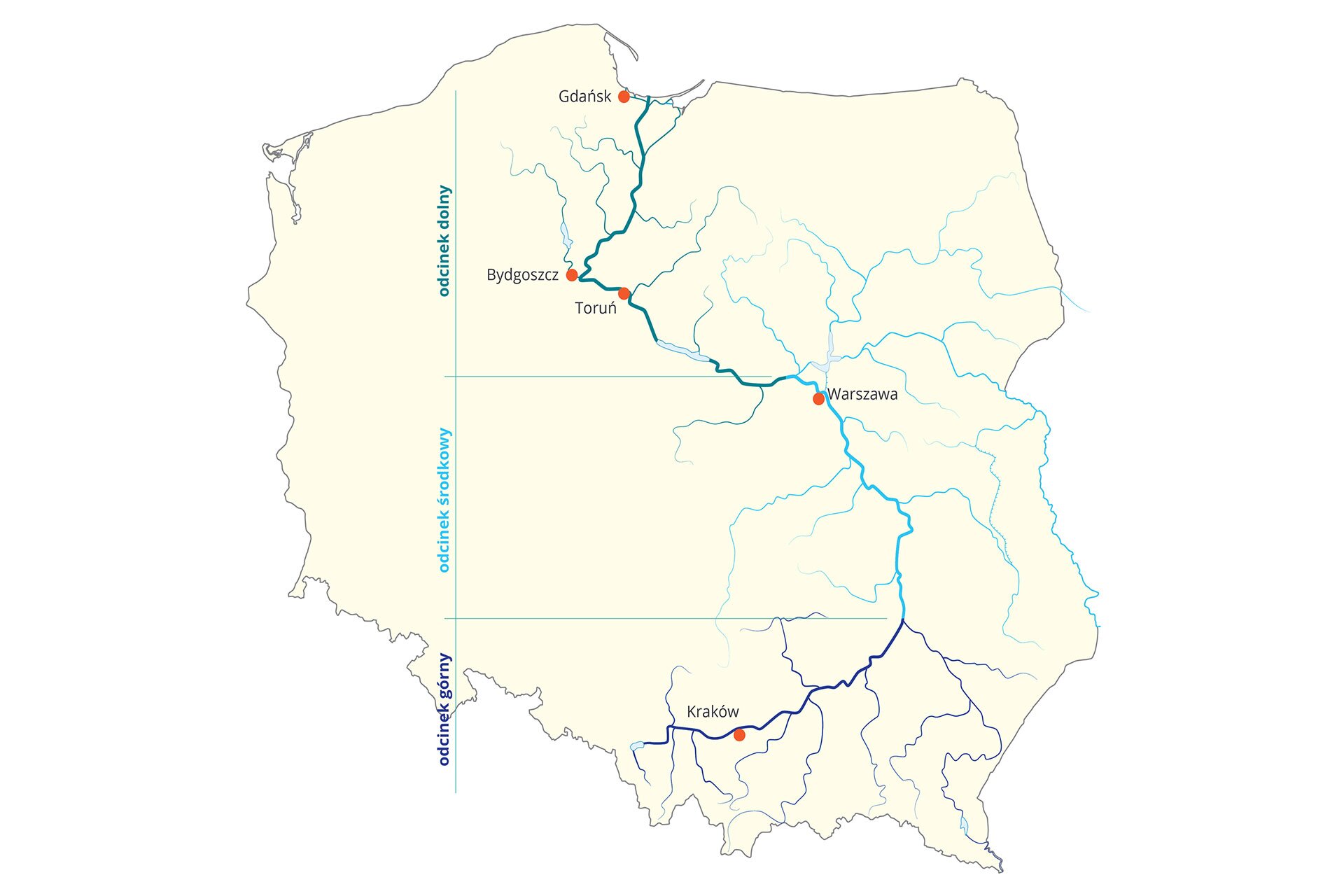
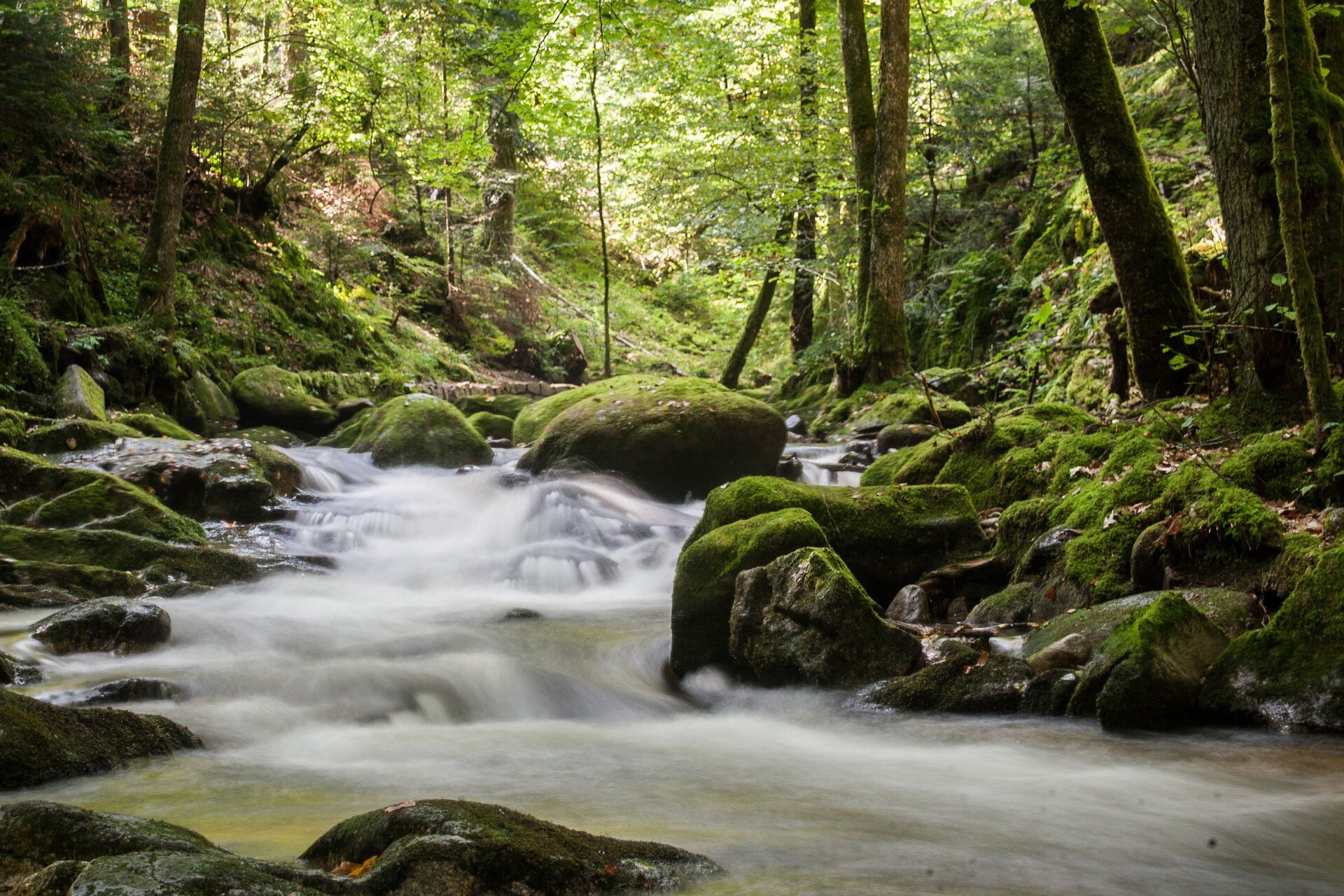
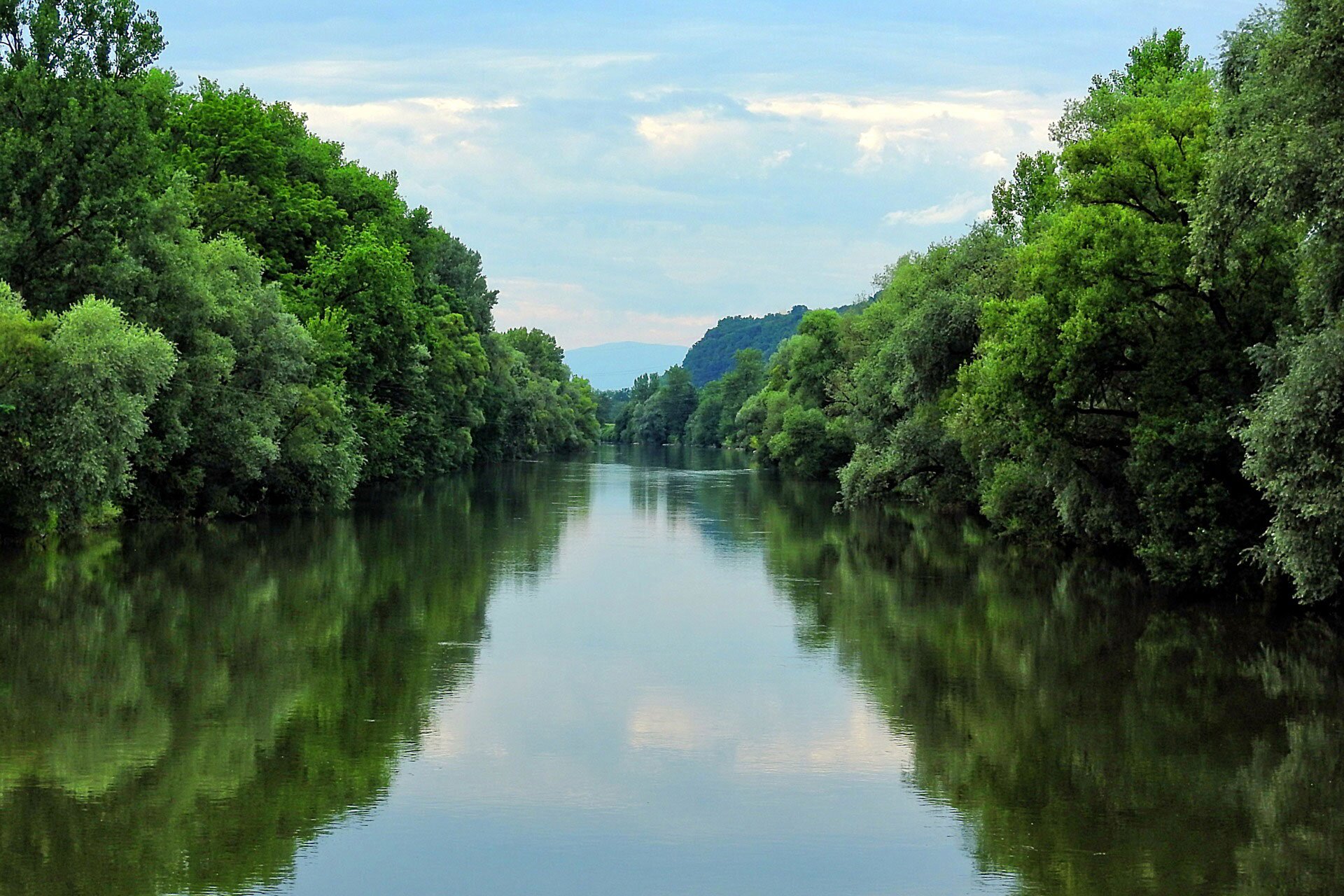
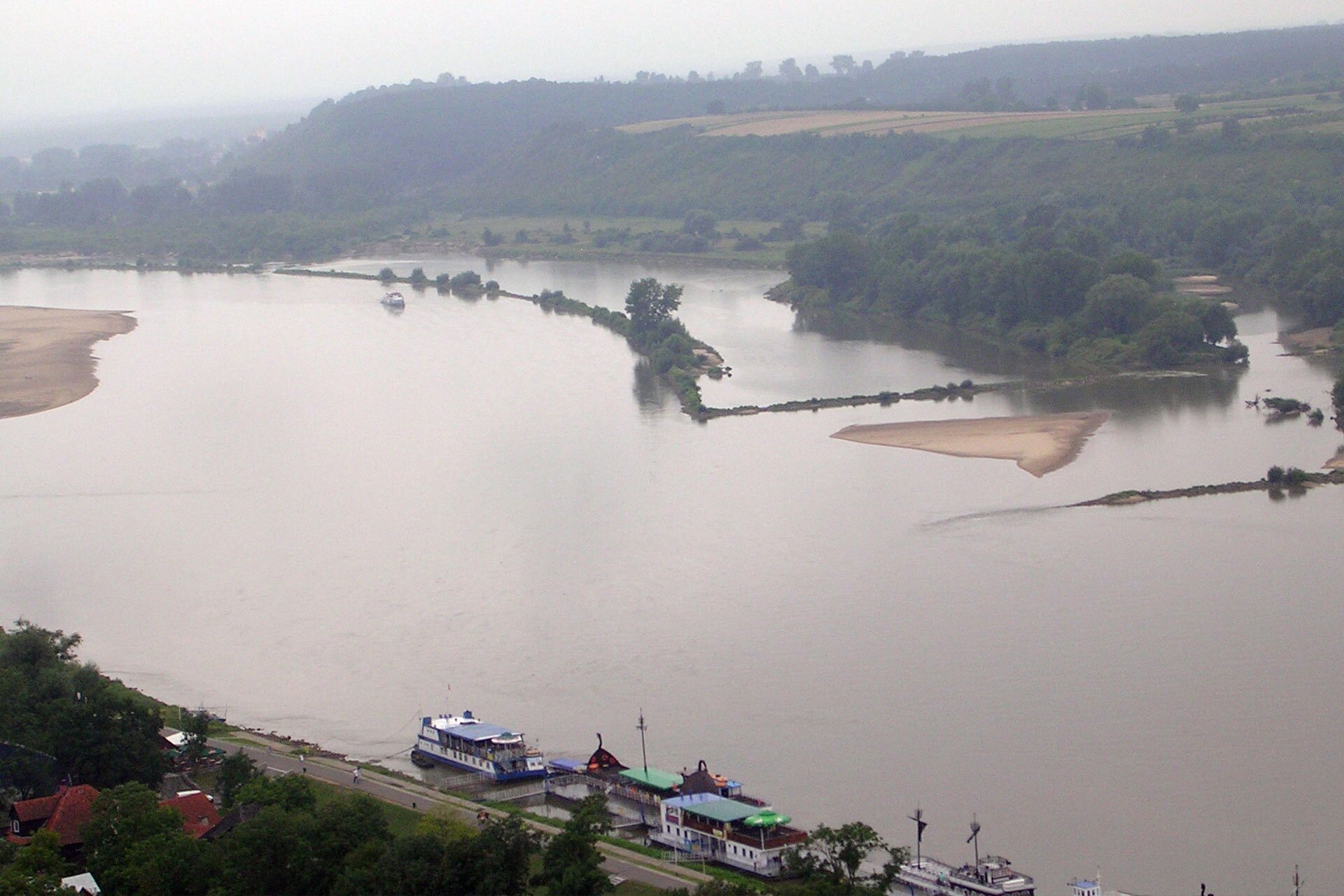
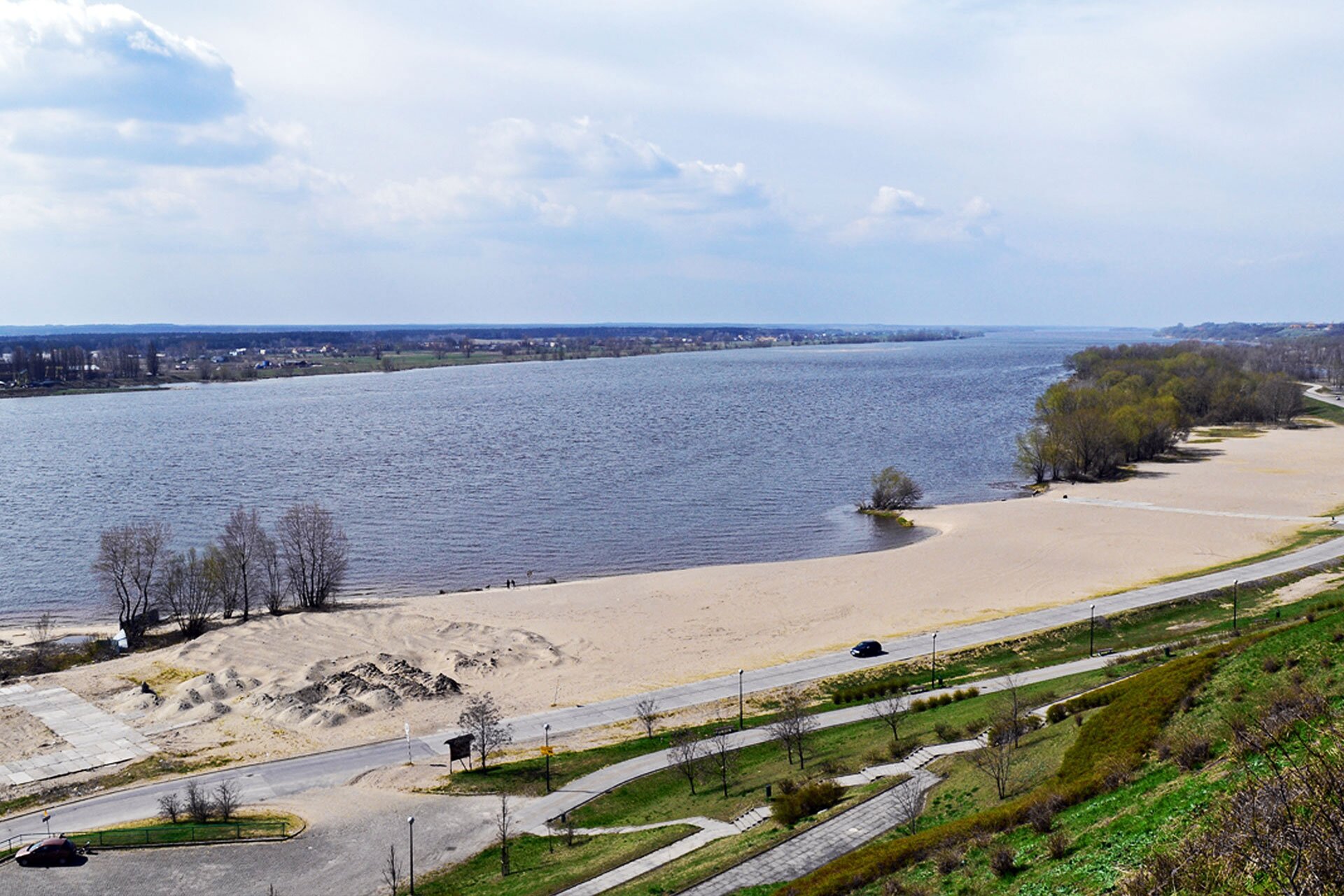
Choose the river which flows closest to where you live. Evaluate which section of the river it is.
Plants and animals in rivers
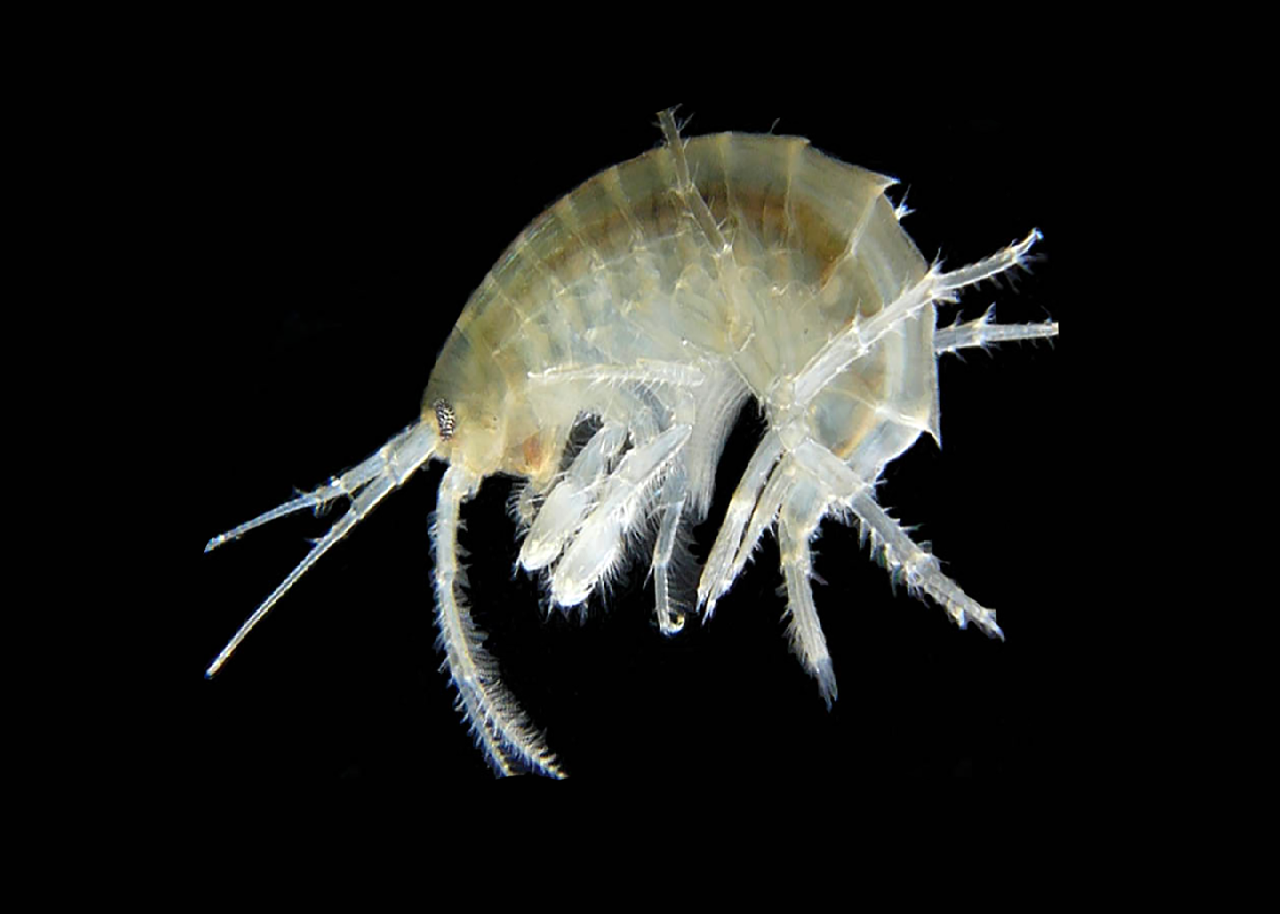
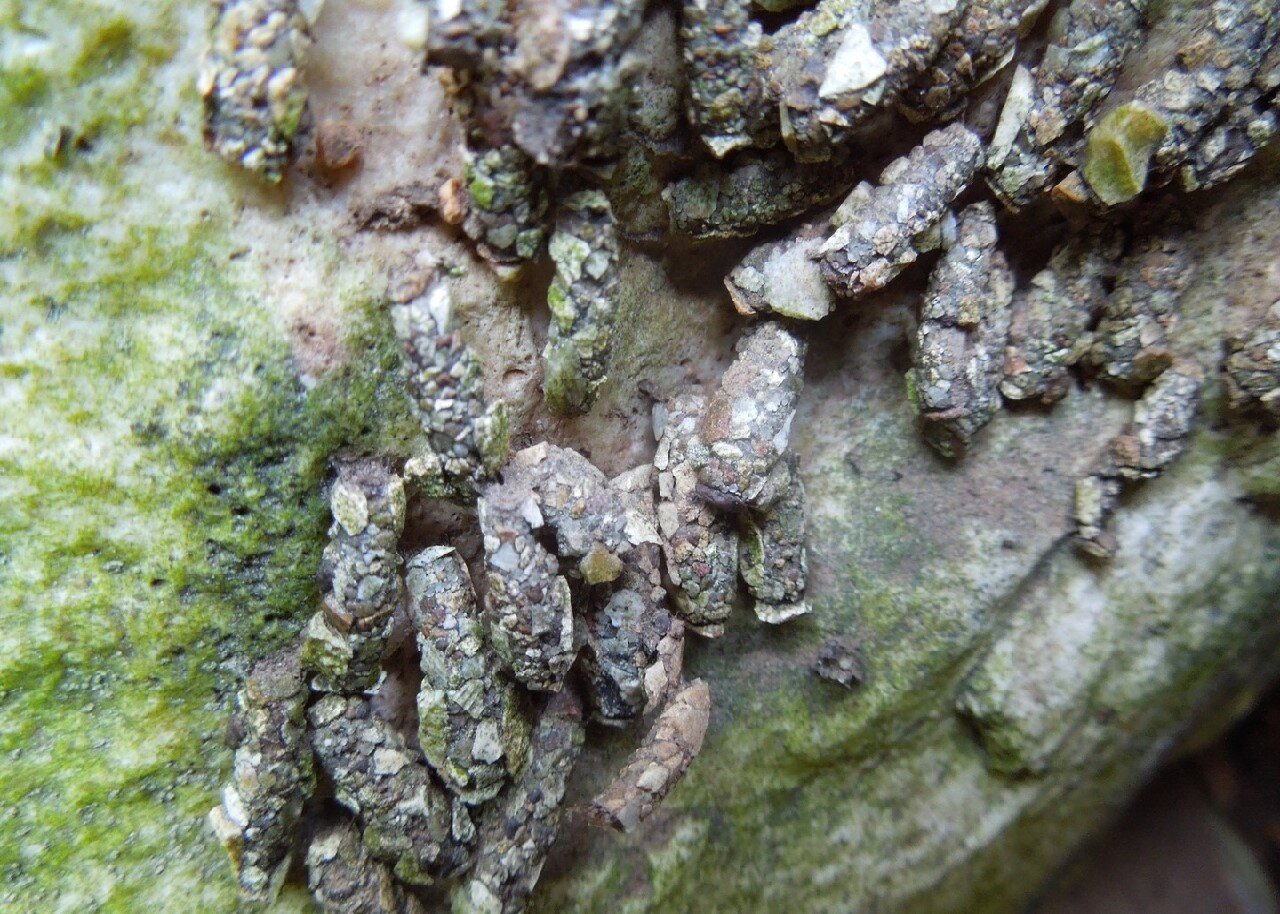
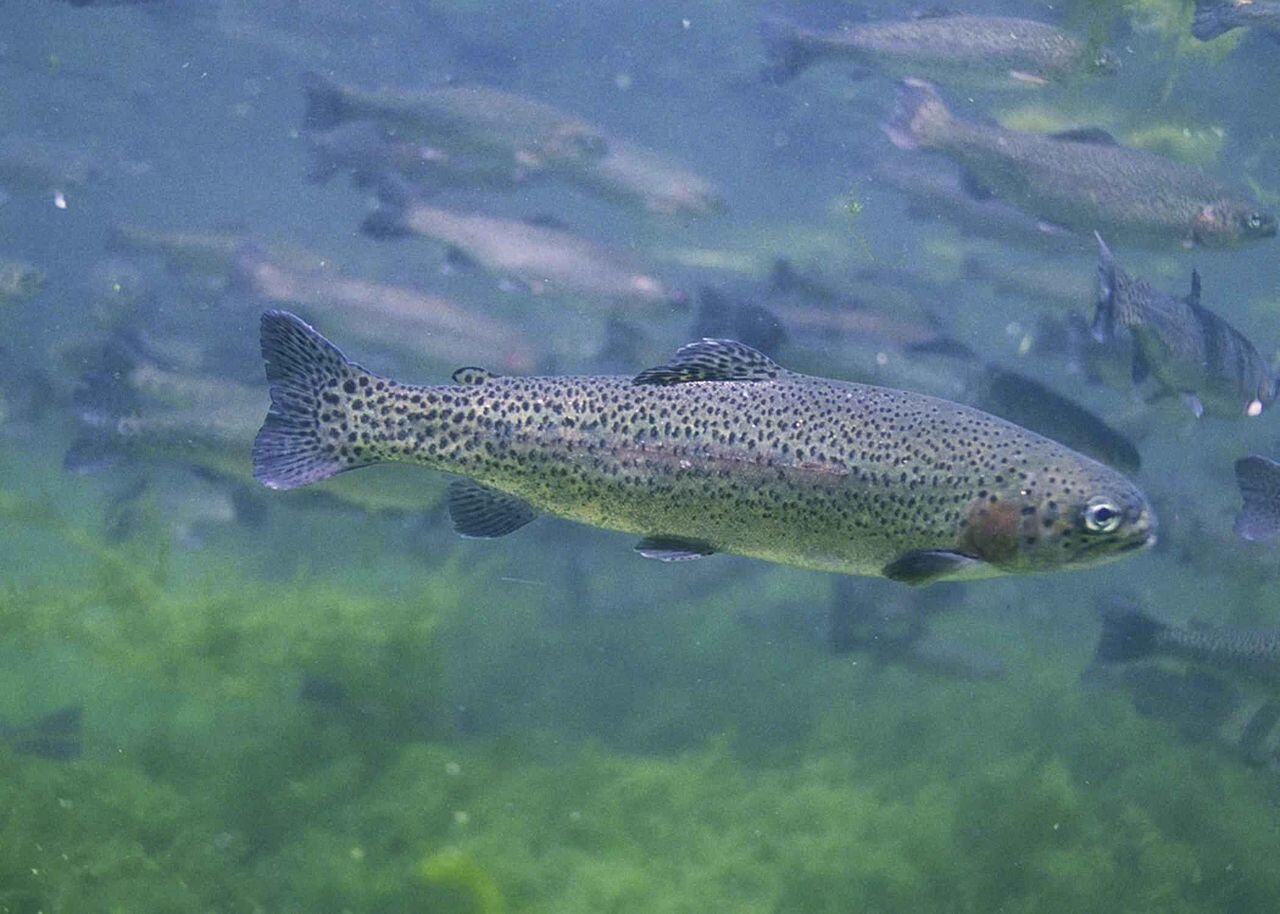
Not many plants live in the upper course of most Polish rivers. Those that do occur are most commonly algae attached to stones, mosses clinging equally hard to the riverbed and a few others, predominantly microscopic plants. The animals which live in these sections of the rivers, do not, therefore, have access to rich sources of plant‑based food. Many animals which feed on dead parts of plants along the rivers live here, along with predatory animals, making use of the clean, oxygen‑rich water. Among invertebrates, freshwater shrimps and caddisfly larvae can be found there – caddisfly are land insects, but they reproduce in water. The typical vertebrates found in fast flowing rivers are fish which are efficient swimmers: trout and salmon.
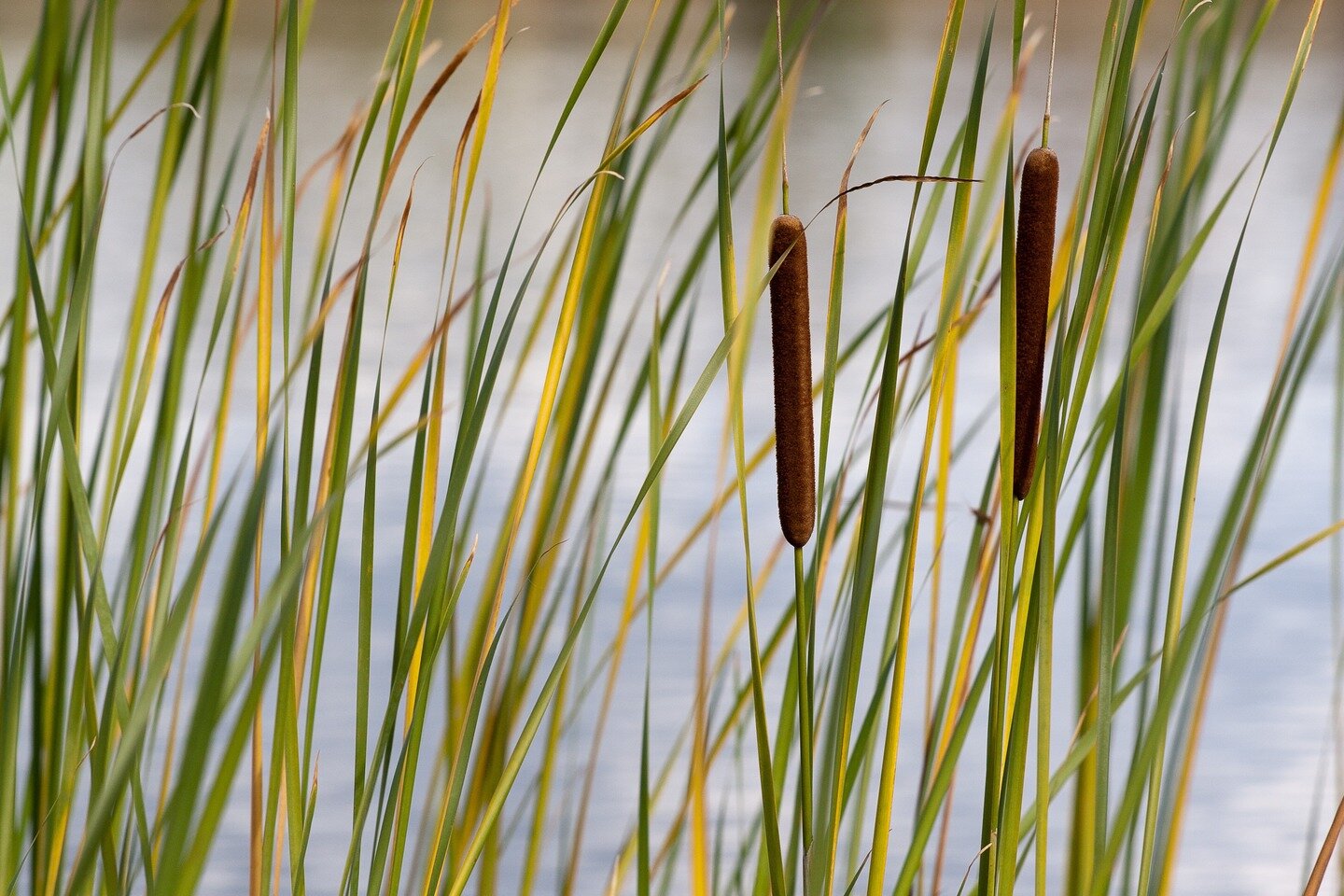
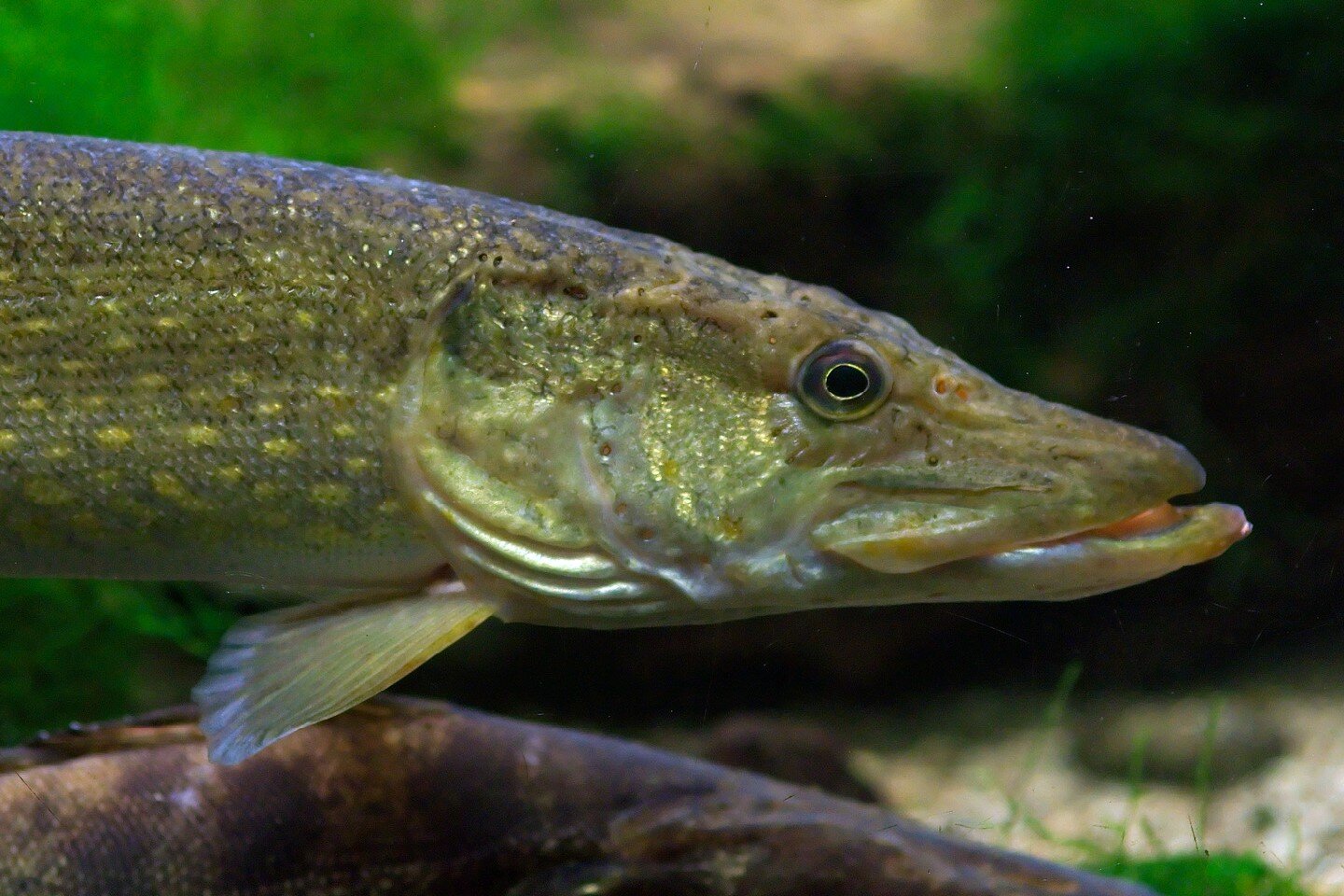
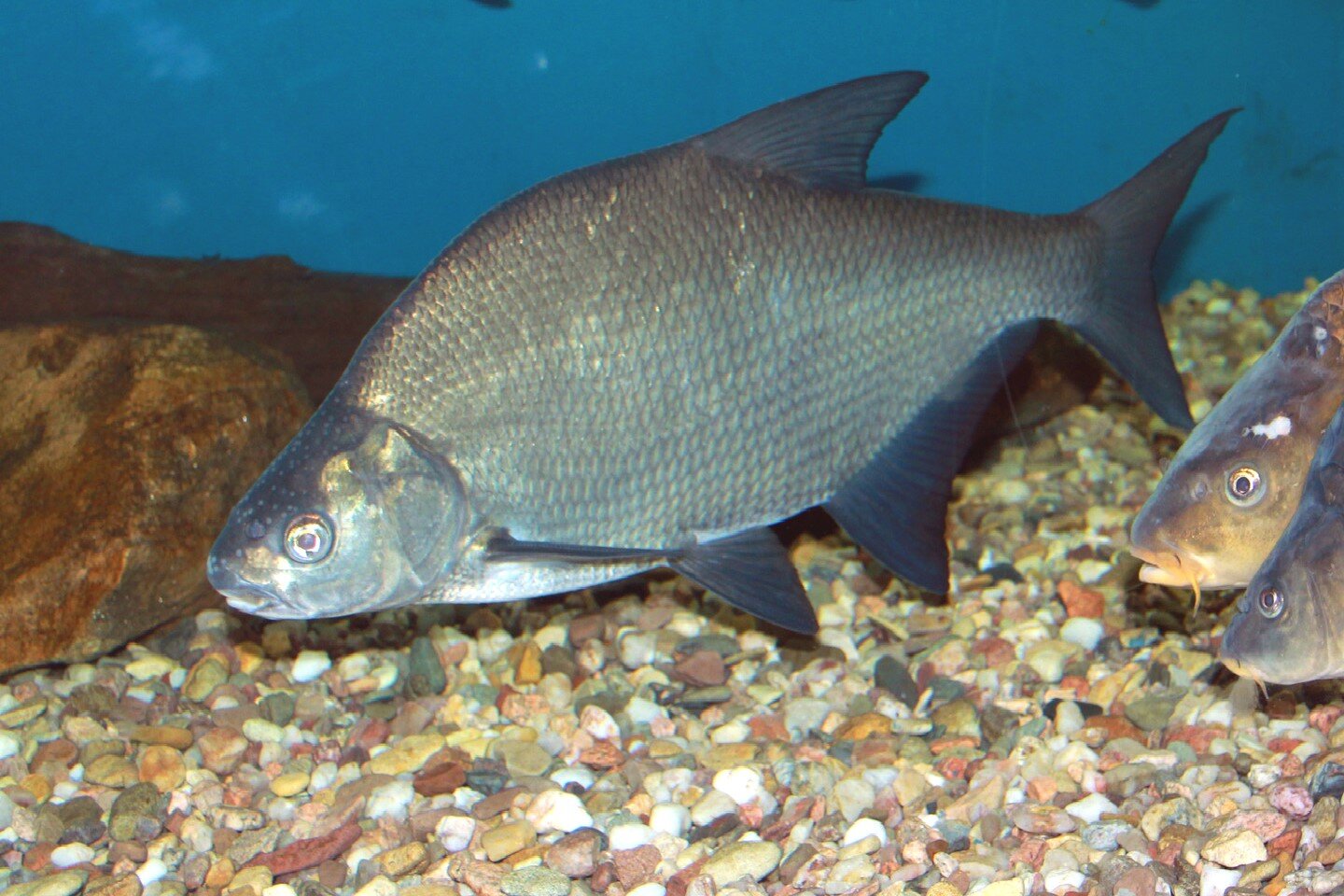
In the middle and lowers courses, plants and animals don't have to battle against a strong water current, but the water here is no longer so clear. It allows less light through and contains less oxygen. Hornwort is an example of the plants typically found growing on the riverbed in the middle and lower courses. Yellow water‑lilies and common duckweed appear in the bends. Reeds and bulrushes can easily take root by the banks. There are numerous invertebrate animals. Among them, are insect larvae, leeches, snails and crayfish. Among the vertebrates living in the middle and lower courses, the following should be distinguished: frogs and many species of fish, for example perch, carp, roach, pike and bream, as well as the semi‑aquatic mammals which live in smaller rivers, for example beavers and otters.
All sections of Polish rivers are heavily exposed to water pollution, which poses a serious threat to the plants and animals living in them. Currently, the water of most rivers is heavily or very heavily polluted.
Summary
In the river's upper course, the water flows quickly, is cold, clean and oxygenated. Only animals which have adapted to the strong current live here; plants are small, and attached to rocks on the riverbed.
In the river's middle course, the water flows slowly, is warmer, less well‑oxygenated and less clear than that of the upper course.
In the river's lower course, the water flows very slowly, and covers the bottom with sediments; it is muddy and poorly oxygenated.
A variety of plants live in the middle and lower courses. There are often slow swimming fish.
Keywords
River, the upper course, the middle course, the lower course
Match the pairs: English words with Polish definition.
odcinek rzeki od źródła po tereny wyżynne; woda płynie szybko, jest zimna, czysta i natleniona., odcinek rzeki, gdzie woda płynie bardzo wolno, jest ciepła i mętna. Dno pokryte gruba warstwa mułu i piasku. Bieg rzeki kończy się ujściem do innej rzeki, jeziora lub morza., odcinek rzeki od miejsca, gdzie znacząco zmienia się nachylenie terenu; woda płynie wolno, jest cieplejsza, słabiej natleniona i mniej przejrzysta niż w górnym biegu; dolina rzeki poszerza się.
| the upper course | |
| the middle course | |
| the lower course |
Glossary
górny bieg rzeki – odcinek rzeki od źródła po tereny wyżynne; woda płynie szybko, jest zimna, czysta i natleniona.
środkowy bieg rzeki – odcinek rzeki od miejsca, gdzie znacząco zmienia się nachylenie terenu; woda płynie wolno, jest cieplejsza, słabiej natleniona i mniej przejrzysta niż w górnym biegu; dolina rzeki poszerza się.
dolny bieg rzeki – odcinek rzeki, gdzie woda płynie bardzo wolno, jest ciepła i mętna. Dno pokryte gruba warstwa mułu i piasku. Bieg rzeki kończy się ujściem do innej rzeki, jeziora lub morza.