Animal life processes
what are the basic life functions of a human being;
That the body is developed in relation to lifestyle,
distinguish the ways in which animals feed;
give examples of different ways of respiration in animals;
discuss methods of animal reproduction and development.
Animal Nutrition
Animals like all other organisms must eat to live. Food is essential for body development and for supporting life processes. All animals are heterotrophic. Food must be obtained by eating other organisms or by feeding on their remains.
Animals that eat only or mostly food from plants (plants or just parts of plants) are called, herbivoresherbivores.
Animals that eat almost only the flesh of other animals that they kill themselves, are called, predatorspredators.
Animals that feed on other animals (e.g. drinking their blood), but without killing them are parasitesparasites.
The necessity of searching for food is the reason why the vast majority of animals have the ability to move. Numerous adaptations of body structure (e.g. muscles, legs, wings, etc.) serve this purpose.
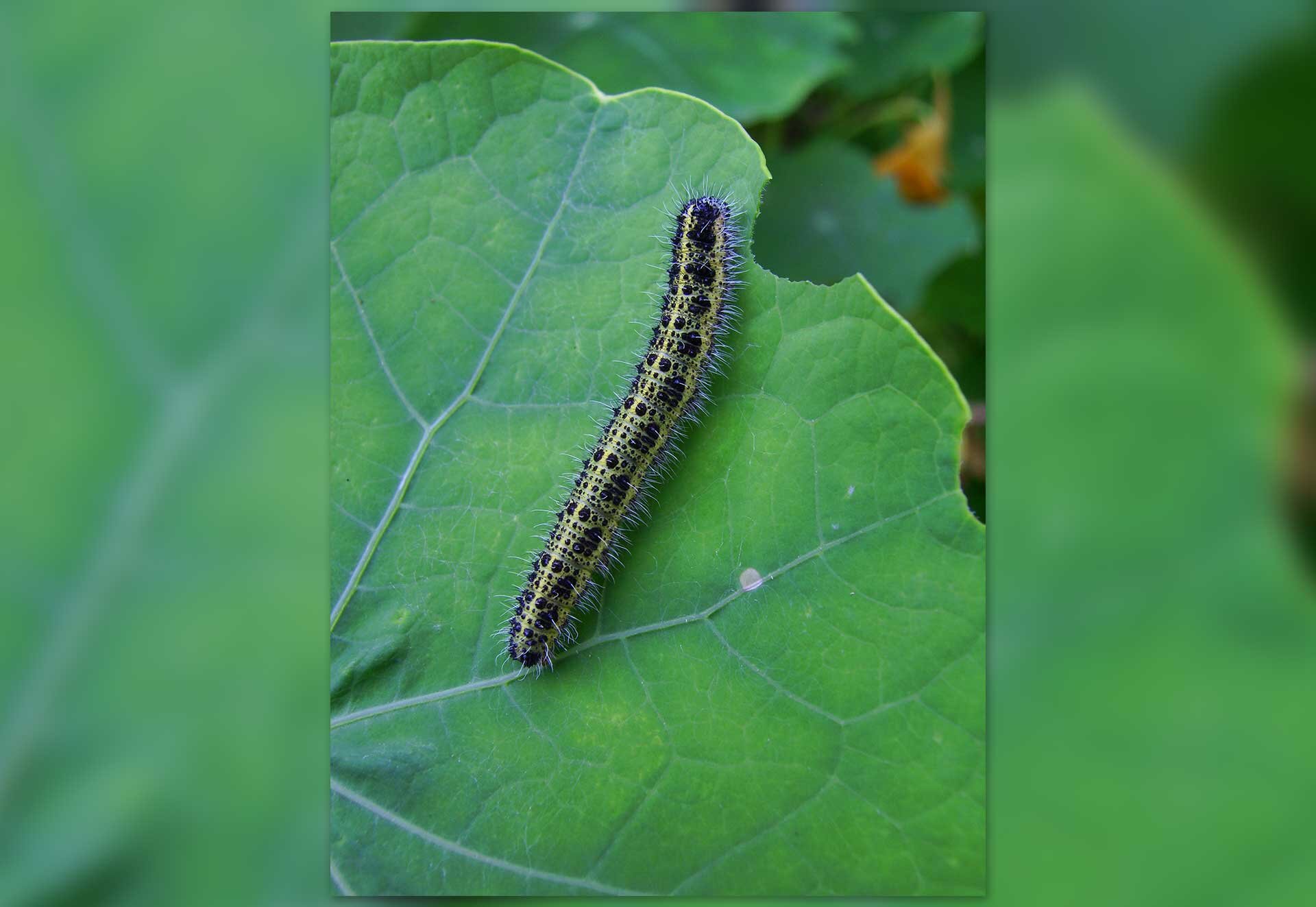
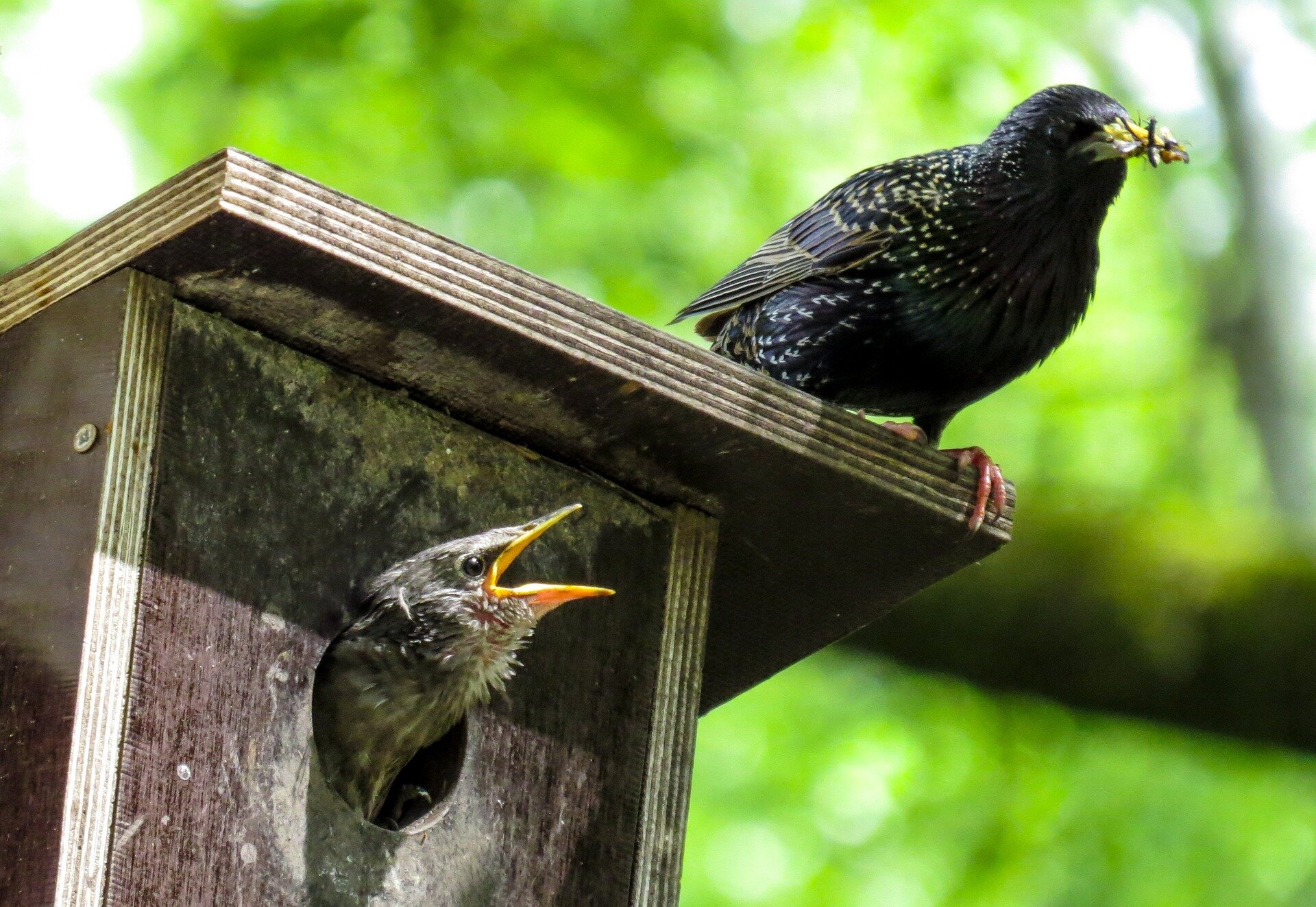
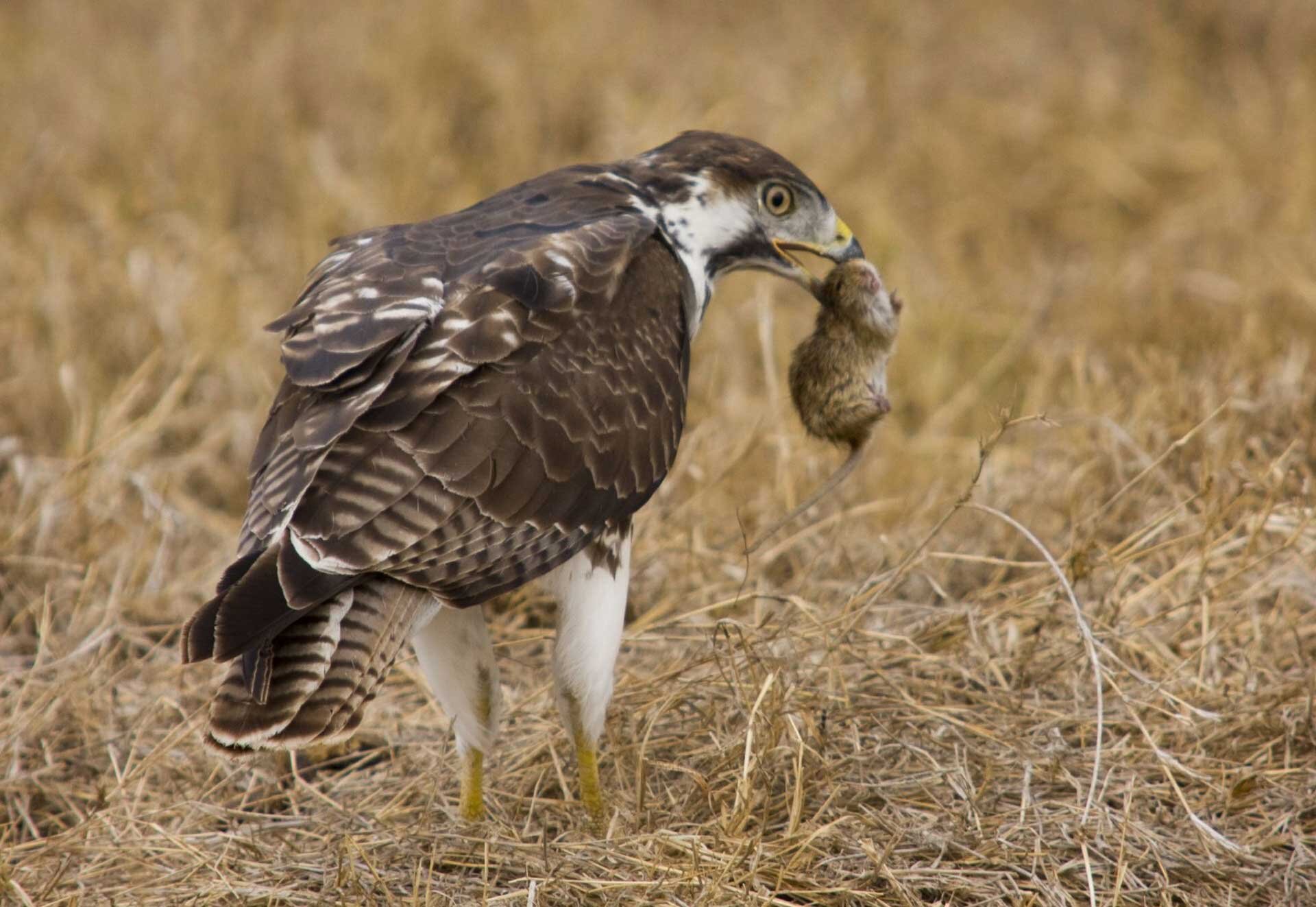
Using the available sources of information, eg from the Internet, find one species of animal that feeds on plant leaves, nectar and pollen, fruits, plant seeds, flesh of other animals and the blood of live animals.
Animal Respiration
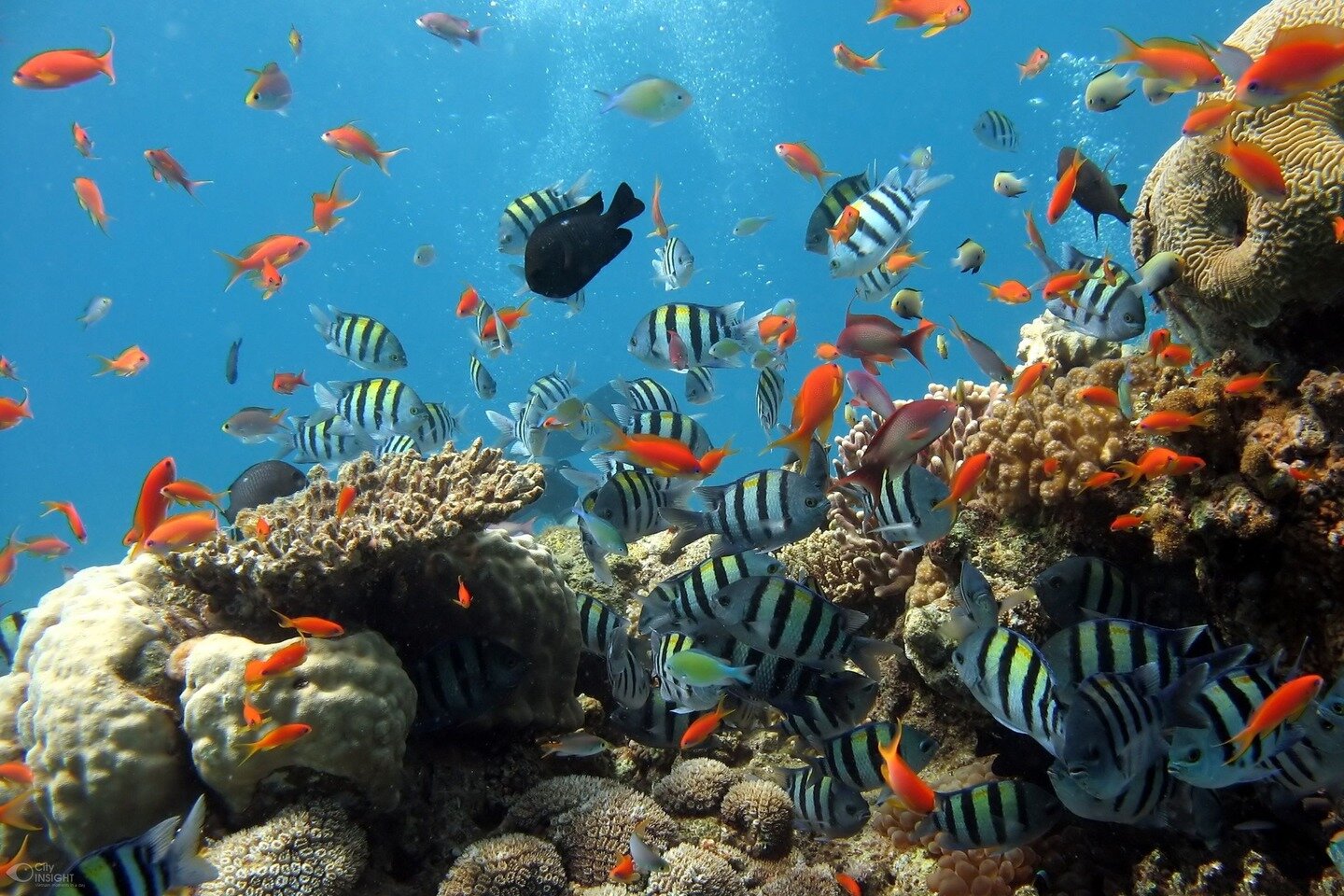
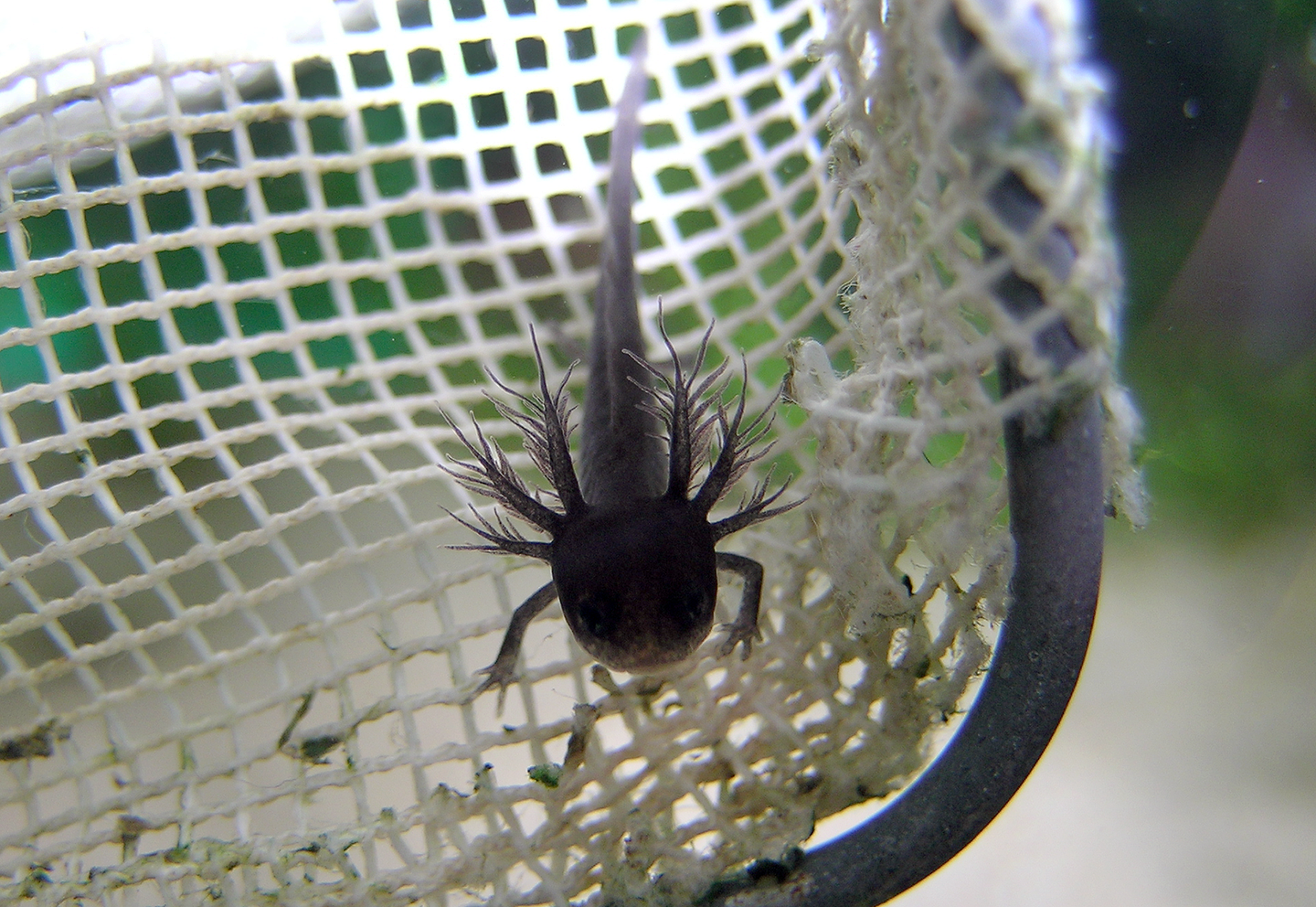
Most invertebrates living in water and fish breathe with gillsgills.
Amphibians, reptiles, birds and mammals breathe with their lungslungs.
Explain the relationship between photosynthesis in plants and respiration in animals.
Some reptiles (e.g. sea turtles), birds (e.g. penguins) and mammals (e.g. dolphins) have adapted to life in the water, but they still use lungs to breathe.
Choose the correct explanation of the term: Predator.
- An animal that mainly eats dead animals.
- An organism that uses different animals for food but does not cause its death.
- An animal that catches, kills and eats other animals.
- An organism that uses plants or parts of plants as food.
Summary
All animals are heterotrophic
Animals eat other organisms (plants or animals), they parasitize on them, feeding on their debris or feces.
Most animals have the ability to move.
The reproduction of animals may occur by way of oviparity, ovoviviparity and viviparity.
Find out what features, in addition to those mentioned in the textbook, give animals the opportunity to move.
Keywords
nutrition, herbivore, predator, respiration, reproduction
Glossary
drapieżnik – zwierzę, które chwyta i zabija nne zwierzęta; wykorzystuje ciało innego zwierzęcia jako pokarm
jajorodność – forma rozrodu płciowego zwierząt, w którym zarodki rozwijają się w jaju zaopatrzonym w substancje odżywcze
pasożyt – organizm, który wykorzystuje ciało innego zwierzęcia jako pokarm, ale nie doprowadza do jego śmierci
padlinożerca – zwierzę, które samo nie poluje, ale zjada martwe zwierzęta
płuca – narząd oddechowy kręgowców – dorosłych płazów, gadów, ptaków, ssaków, które oddychają powietrzem atmosferycznym
roślinożerca – zwierzę, które wykorzystuje rośliny lub ich części jako pokarm
skrzela – narządy oddechowe występujące u zwierząt wodnych (ryb, larw płazów i wielu bezkręgowców); pobierają tlen rozpuszczony w wodzie
wszystkożerca – zwierzę, które żywi się zarówno roślinami, jak i zwierzętami
żyworodność – forma rozrodu płciowego polegająca na rozwoju zapłodnionej komórki jajowej wewnątrz organizmu matki; proces ten kończy się narodzinami