At the museum
you will collect the vocabulary to describe the an object
you will discover the most important museumsmuseums in the world
you will identify the examples of personificationpersonification in a poem
you will create your own gallery of the museum exhibits
Do you remember your last trip to the museum? What did you see there? What other museums in your city do you know? Do you know any museums in the world? Do you like visiting museums?
Find out about the history of the old things in your home. Describe to your colleague the oldest, or the most interesting thing that could be the museum exhibit. Your friend should guess what do you describe.
Read the poem “Muzeum” by Wisława Szymborska. Who is the speaker in this poem? In which stanza does the lyrical subject disclose? What does she say about herself?
W muzeumSą talerze, ale nie ma apetytu.
Są obrączki, ale nie ma wzajemności
od co najmniej trzystu lat.Jest wachlarz – gdzie rumieńce?
Są miecze – gdzie gniew?
I lutnia ani brzęknie o szarej godzinie.Z braku wieczności zgromadzono
dziesięć tysięcy starych rzeczy.
Omszały woźny drzemie słodko
zwiesiwszy wąsy nad gablotką.Metale, glina, piórko ptasie
cichutko tryumfują w czasie.
Chichocze tylko szpilka po śmieszce z Egiptu.Korona przeczekała głowę.
Przegrała dłoń do rękawicy.
Zwyciężył prawy but nad nogą.Co do mnie, żyję, proszę wierzyć.
Mój wyścig z suknią nadal trwa.
A jaki ona upór ma!
A jak by ona chciała przeżyć!Source: Wisława Szymborska, W muzeum, [w:] tejże, Poezje, Warszawa 1977, s. 58.
Which adjectives can you use to describe the museum and its exhibits mentioned in the poem? Complete the gaps and drag them to any position.
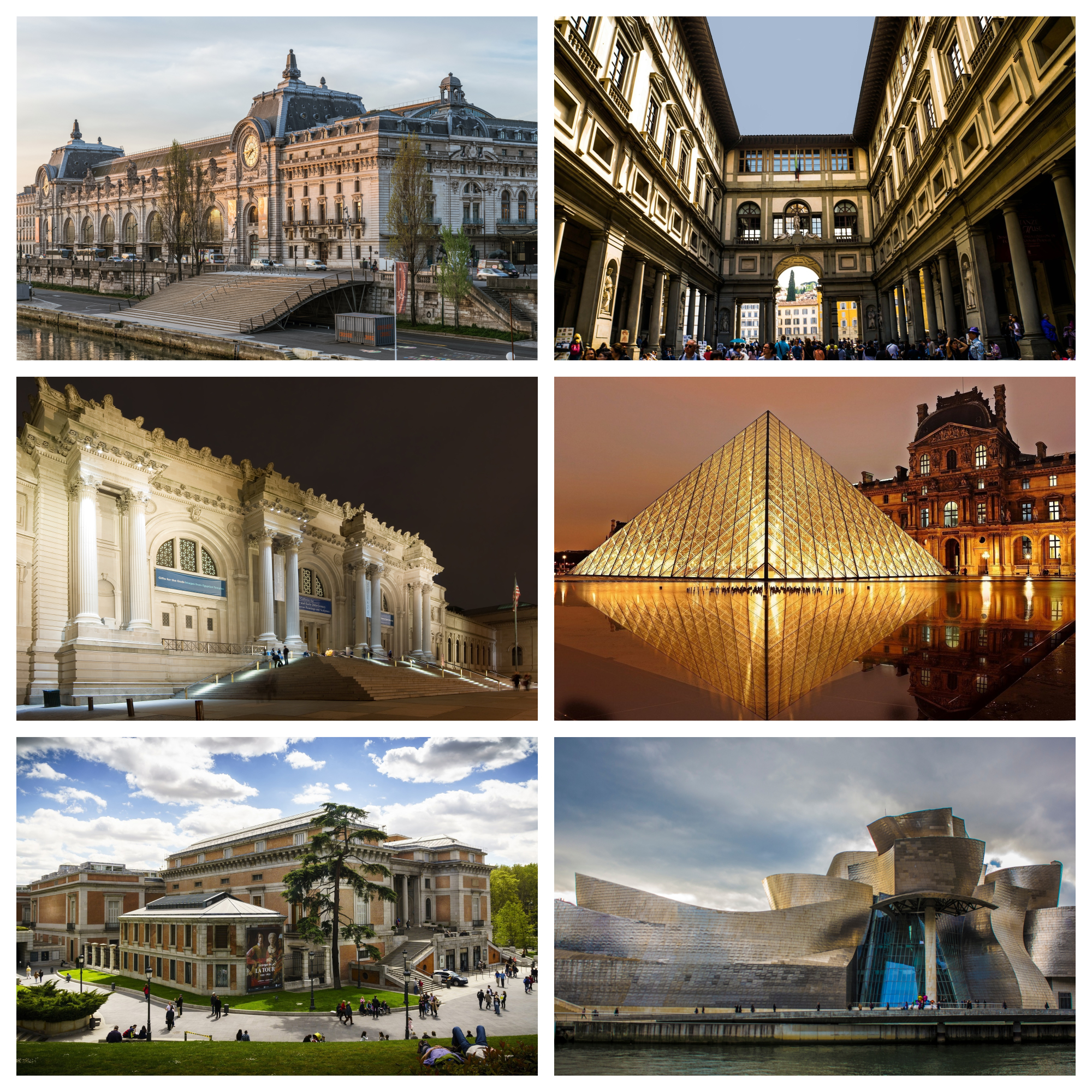
1. The Musée d'Orsay. Paris, France It is housed in the former railway station built between 1898 and 1900. The museum holds mainly French art dating from 1848 to 1914, including paintings, sculptures, furniture, and photography. It houses the largest collection of impressionist and post-Impressionist masterpieces in the world, by painters including Monet, Manet, Degas, Renoir, Cézanne, Seurat, Sisley, Gauguin, and Van Gogh.
2. The Uffizi Gallery. Florence, Italy One of the most important Italian museums, and the most visited, it is also one of the largest and best known in the world, and holds a collection of priceless works, particularly from the period of the Italian Renaissance.
3. The Metropolitan Museum of Art. New York, USA It is the largest art museum in the United States and the third most visited art museum in the world. Its permanent collection contains over two million works, divided among seventeen curatorial departments.
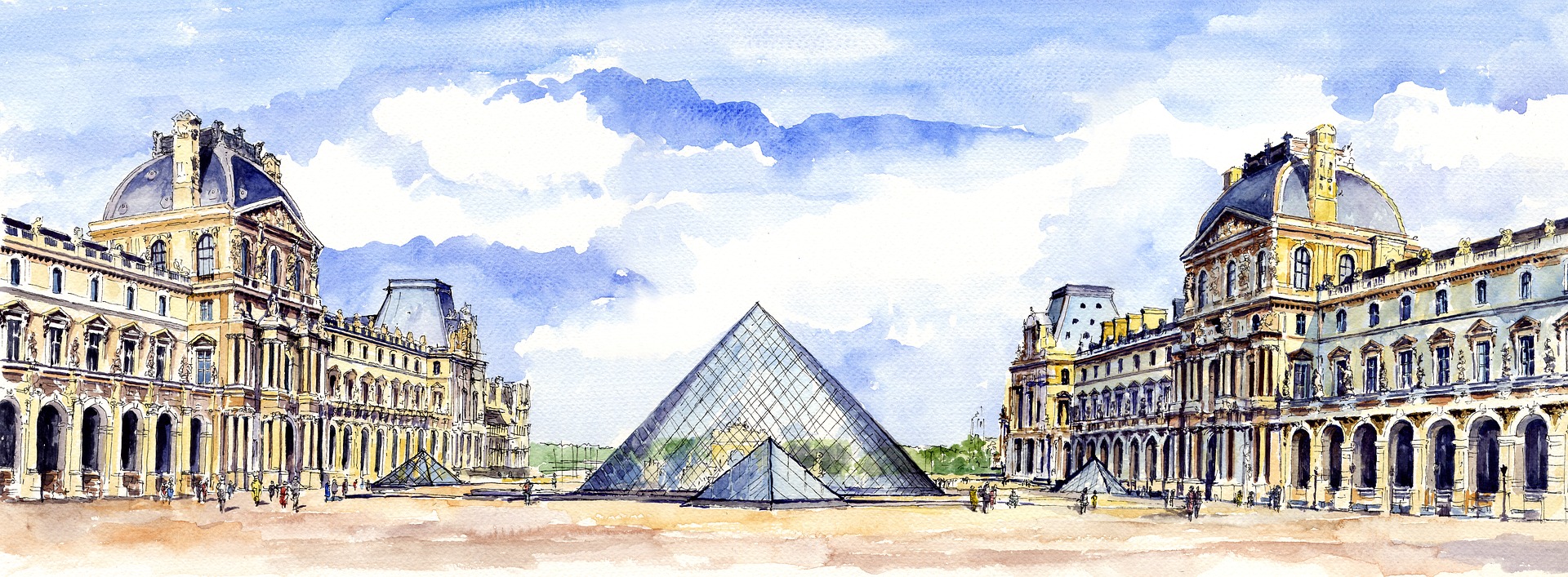
4. The Louvre. Paris, France It is the world's largest art museum and a historic monument. Approximately 38,000 objects from prehistory to the 21st century are exhibited over an area of 72,735 square metres. In 2017, the Louvre was the world's most visited art museum.
5. The Prado Museum. Madrid, Spain It is the main Spanish national art museum, considered to have one of the world's finest collections of European art, dating from the 12th century to the early 20th century. El Prado is one of the most visited sites in the world, and it is considered one of the greatest art museums in the world.
6. The Guggenheim Museum. Bilbao, Spain It is a museum of modern and contemporary art, one of the largest museums in Spain. Its building was designed by Canadian-American architect Frank Gehry and it was named as one of the most important works completed since 1980 in the 2010.
Do you know where there are the most famous masterpieces?
the Prado Museum, Madrid, the Louvre, Paris, the Uffizi Gallery, Florence, the Czartoryski Museum, Cracow, the Egyptian Museum, Cairo
| “The Birth of Venus” | |
| “Mona Lisa” | |
| Tutankhamun’s mummy | |
| “Las Meninas” | |
| “Lady with an Ermine” |
What objects could be placed in the museum that would be devoted to your life? Which object is of a special value to you, or say a lot about you?
Prepare some exhibits that could be placed in the museum of your childhood. Present them on the interactive timeline. Take photos or draw the objects belonging to the specified group (name, date, history of the object etc.), sign them and create a small exhibitionexhibition.
Keywords
museum, artart, exhibition, gallery
Glossary
muzeum
sztuka
obraz
rzeźba
dzieło sztuki
artysta
malarz
rzeźbiarz
ekspozycja
kolekcja
wystawa
przemijanie
uosobienia – rodzaj metafory polegający na nadaniu rzeczom lub zwierzętom cech ludzkich