Atmospheric precipitation and suspension on Earth
that water vapour is one of the components of the atmosphere;
that conditions in the troposphere depend largely on the latitude and the season;
what the global distribution of air temperature and atmospheric pressure is.
describe the process of condensation and desublimation;
explain the concepts of: atmospheric precipitation and suspension;
characterise examples of atmospheric precipitation and suspension.
Nagranie dostępne na portalu epodreczniki.pl
nagranie abstraktu
Atmospheric air usually contains some water vapour in the lowest surface layers. Its content is called humidity. If it is expressed in g/mIndeks górny 33, i.e. it represents the mass of water vapour in 1 mIndeks górny 33 of air, then we are talking about absolute humidityabsolute humidity. Humidity changes very often and is dependent on temperature. The warmer the air is, the more water vapour it can contain. Therefore, the concept of relative humidityrelative humidity was introduced, described in percentage:
relative humidity of 0% means a completely dry air;
relative humidity of 100% means that at a given temperature, there cannot be more water vapour in the air.
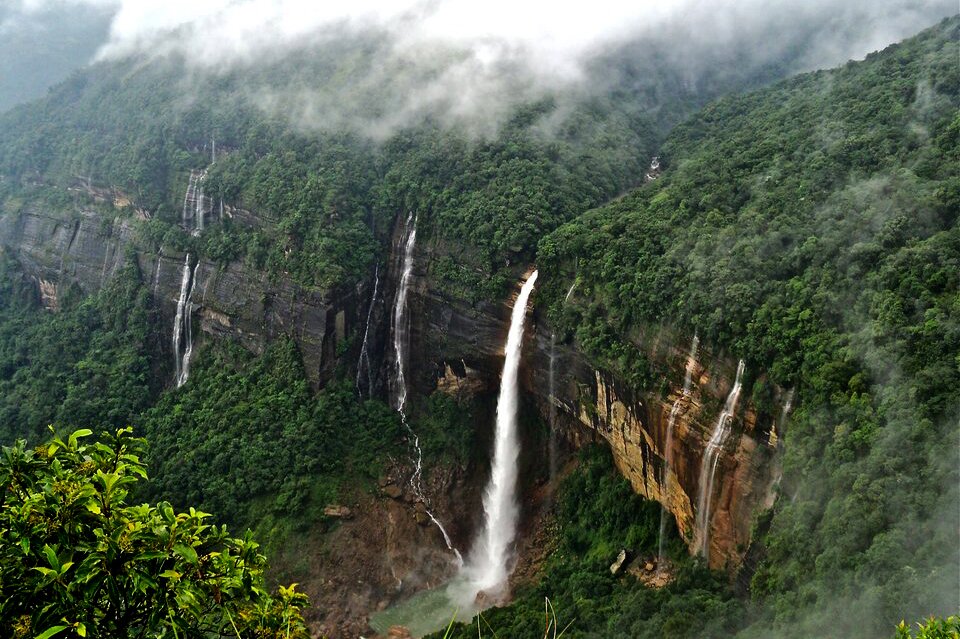
If the air temperature rises at relative humidity of 100%, it can take another portion of water vapour. If the air temperature has dropped, some water vapour would have to condensecondense, that is, transition from the gas state to the liquid or solid state. Water droplets or ice crystals formed this way may appear in the atmosphere in the form of cloudsclouds or fogfog.
Precipitation is a product of water vapour condensing and falling from the clouds to Earth’s surface. They can take a liquid or solid state. Precipitation includes: rainrain, drizzledrizzle, snowsnow, graupelgraupel and hailhail. We measure them in millimetres per water “column” that falls to the surface; 1 mm of precipitation is 1 litre per 1 mIndeks górny 22 of surface.
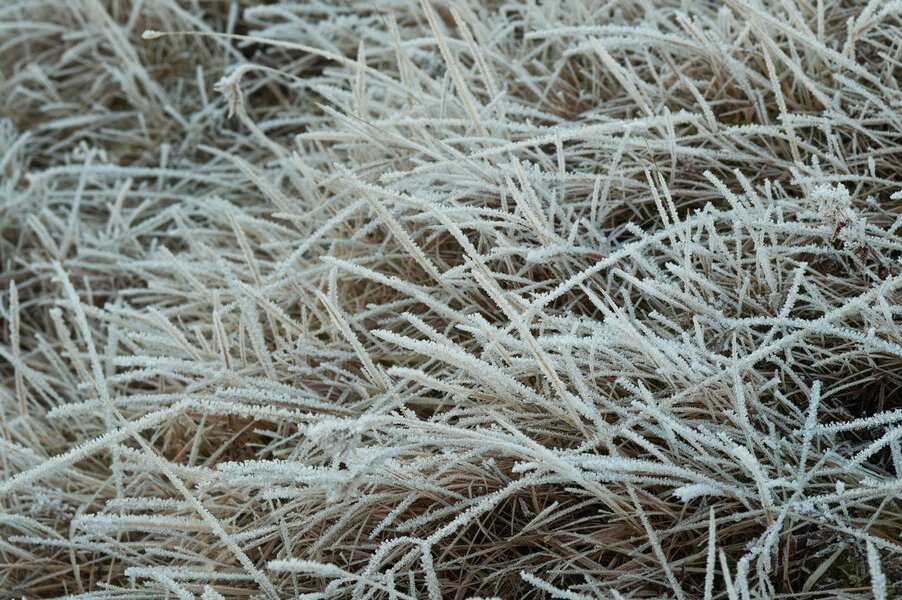
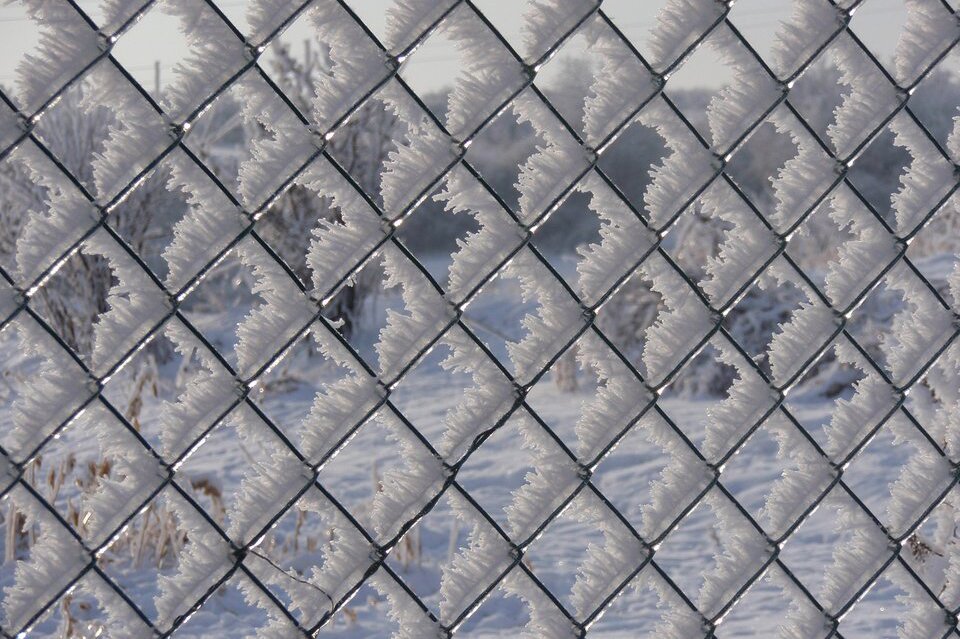
Atmospheric suspension are also condensation products of water vapour, but appearing on cooled surfaces. They are formed as a result of water and ice depositing from water vapour or of freezing atmospheric precipitation. Suspension includes: dewdew, black iceblack ice, frostfrost and hard rimehard rime.
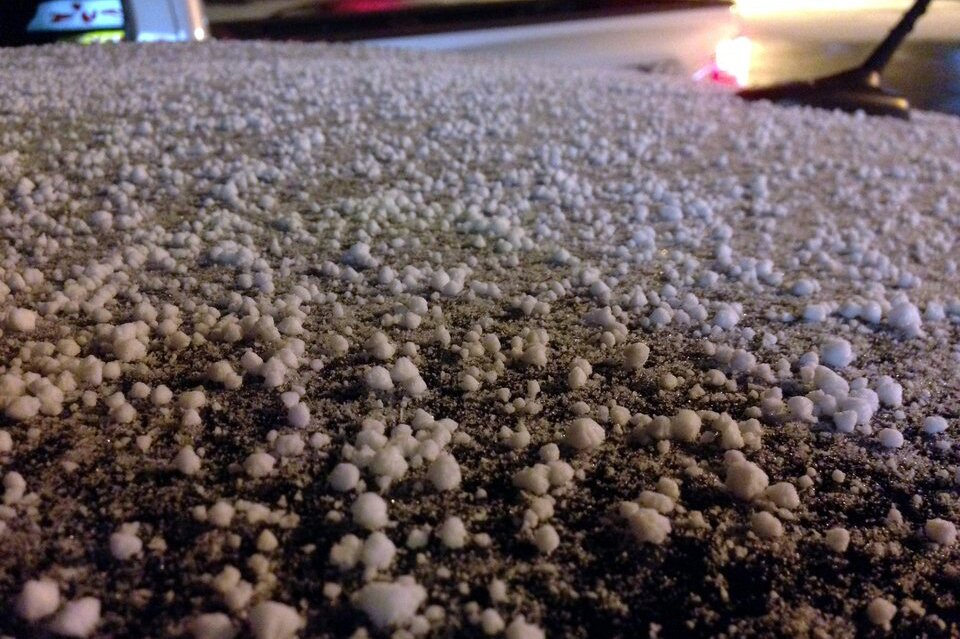
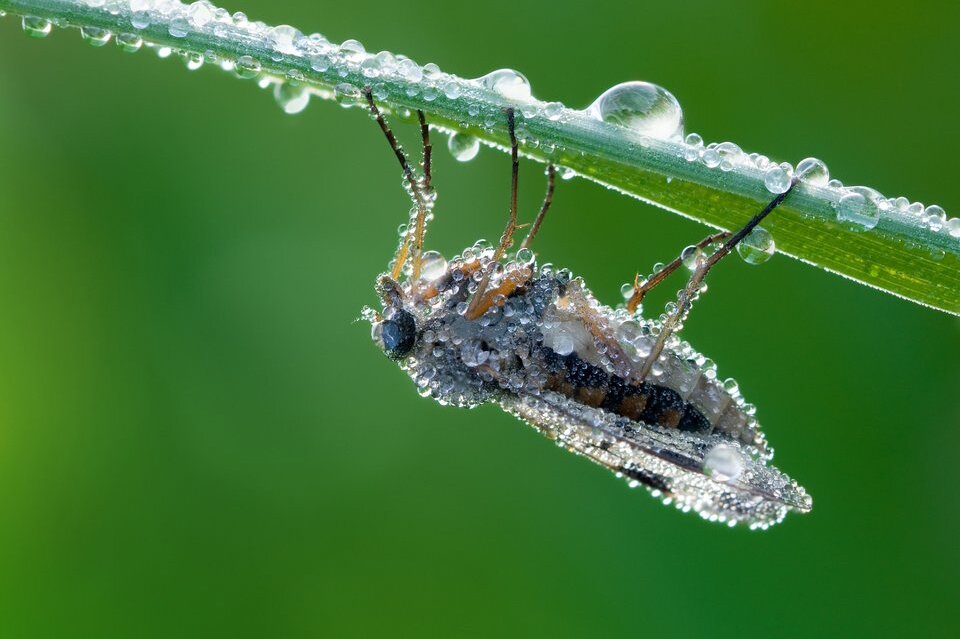
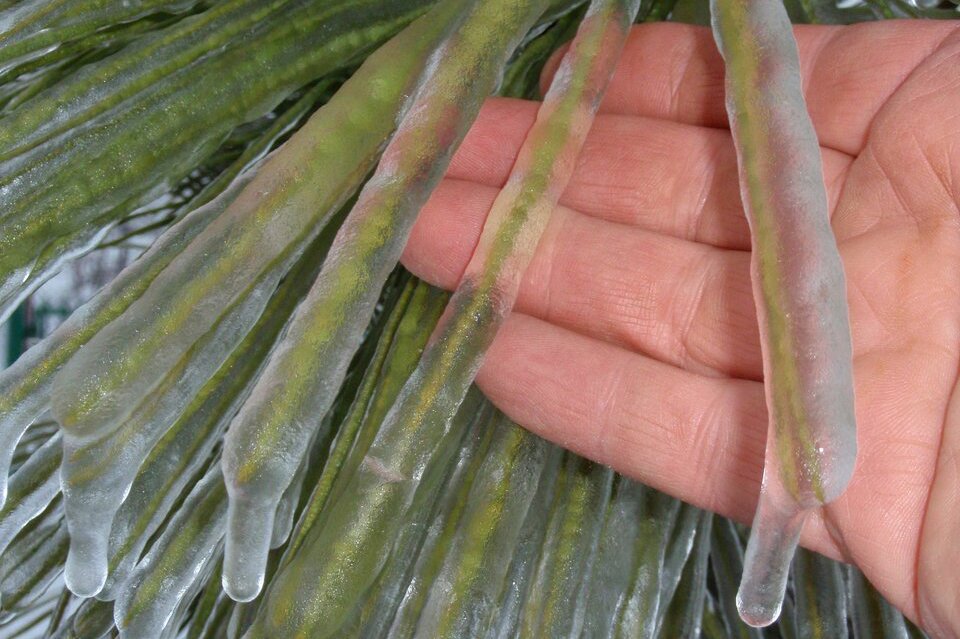
Solve the crossword.
- a process when a substance transitions from a gas state to a solid state, omitting the liquid state
- atmospheric precipitation in the form of fragile or cone-shaped ice grains with a diameter of several milimetres
- an atmospheric suspension when water vapour condensate into water droplets on plants
- an atmospheric suspension when water droplets freeze in the fog to form ice needles
- an atmospheric suspension in the form of a smooth layer of ice, formed from freezing rain
- an atmospheric precipitation, which reaches the surface of Earth in the form of water droplets with a diameter greater than half a millimeter
- an atmospheric precipitation, which reaches the surface of the Earth in the form of small water droplets with a diameter not exceeding half a millimeter
- an atmospheric precipitation in the form of spherical ice nuggets with a diameter of up to several centimeters
- It includes dew, black ice, frost and graupel
- a process when a substance transitions from a gas state to a liquid or solid state, creating clouds
| 1 | |||||||||||||||||||
| 2 | |||||||||||||||||||
| 3 | |||||||||||||||||||
| 4 | |||||||||||||||||||
| 5 | |||||||||||||||||||
| 6 | |||||||||||||||||||
| 7 | |||||||||||||||||||
| 8 | |||||||||||||||||||
| 9 | |||||||||||||||||||
| 10 |
Summary
Air humidity can change within very wide limits depending on geographical conditions.
Condensation and desublimation of water vapour may cause clouds or mists as well as atmospheric precipitation and suspension.
The basic types of precipitation are rain, drizzle, snow, graupel and hail.
The basic types of atmospheric suspension are dew, black ice, frost, hard rime.
Geographical factors affect the variability of the amount of precipitation in different places around the world.
Keywords
absolute humidity, relative humidity, condensation, fog
Match the pairs: English words with Polish definition.
osad atmosferyczny lodu powstający na skutek zamarzania małych, przechłodzonych kropelek wody z mgły lub chmury w momencie ich zetknięcia z powierzchnią przedmiotu lub już narosłej szadzi; składa się ze zlepionych kryształków lodu, narastając zwykle z jednej strony obiektu, na którym powstaje, bezpośrednie przechodzenie substancji ze stanu gazowego w stały z pominięciem stanu ciekłego, osad atmosferyczny lodu tworzący na dowolnym podłożu drobne kryształki; powstaje w wyniku kontaktu wilgotnego powietrza z podłożem o temperaturze poniżej 0°C jako efekt pary wodnej, czyli jej bezpośredniej przemiany w ciało stałe, opad atmosferyczny w postaci kulistych lub stożkowatych, nieprzezroczystych, porowatych ziarenek lodowych o średnicy 1‑5 mm; są kruche i łatwo ulegają rozpadowi, wyrażony w procentach stosunek ciśnienia pary wodnej zawartej w powietrzu do maksymalnego możliwego ciśnienia pary wodnej w danej temperaturze; wilgotność względna wynosząca 0% to powietrze zupełnie suche, natomiast równa 100% to powietrze całkowicie wysycone parą wodną, kryształów lodu) w przyziemnej warstwie powietrza, ograniczająca widoczność, osad atmosferyczny w postaci gładkiej, przezroczystej warstwy lodu pokrywającej podłoże; powstaje, gdy deszcz opada na podłoże o temperaturze niższej od zera, osad atmosferyczny w postaci kropel wody powstających na powierzchni przedmiotów w wyniku skraplania się pary wodnej zawartej w powietrzu, opad atmosferyczny dosięgający powierzchni Ziemi w postaci kropel wody o średnicy większej niż 0,5 mm, przechodzenie substancji ze stanu gazowego w stan ciekły lub stały, opad atmosferyczny w postaci bryłek lodu o kulistym kształcie, najczęściej o średnicy od 5 mm do 5 cm; opad gradu następuje zwykle w ciepłej porze roku z mocno rozbudowanych chmur burzowych, opad atmosferyczny dosięgający powierzchni Ziemi w postaci kropel wody o średnicy mniejszej niż 0,5 mm, skupisko mikroskopijnej wielkości kropli wody lub kryształków lodu unoszących się w powietrzu, zawartość pary wodnej w 1 m3 powietrza wyrażona w gramach, opad atmosferyczny w postaci kryształków lodu przeważnie o kształtach sześcioramiennych gwiazdek, które łączą się często w płatki śniegu
| cloud | |
| rain | |
| black ice | |
| hail | |
| condensation | |
| graupel | |
| fog | |
| drizzle | |
| desublimation | |
| dew | |
| hard rime | |
| frost | |
| snow | |
| absolute humidity | |
| relative humidity |
Glossary
chmura – skupisko mikroskopijnej wielkości kropli wody lub kryształków lodu unoszących się w powietrzu
deszcz – opad atmosferyczny dosięgający powierzchni Ziemi w postaci kropel wody o średnicy większej niż 0,5 mm
gołoledź – osad atmosferyczny w postaci gładkiej, przezroczystej warstwy lodu pokrywającej podłoże; powstaje, gdy deszcz opada na podłoże o temperaturze niższej od zera
grad – opad atmosferyczny w postaci bryłek lodu o kulistym kształcie, najczęściej o średnicy od 5 mm do 5 cm; opad gradu następuje zwykle w ciepłej porze roku z mocno rozbudowanych chmur burzowych
kondensacja – przechodzenie substancji ze stanu gazowego w stan ciekły lub stały
krupy śnieżne – opad atmosferyczny w postaci kulistych lub stożkowatych, nieprzezroczystych, porowatych ziarenek lodowych o średnicy 1‑5 mm; są kruche i łatwo ulegają rozpadowi
mgła – zawiesina bardzo małych (o średnicy poniżej 0,05 mm) kropelek wody (a przy bardzo niskich temperaturach – kryształów lodu) w przyziemnej warstwie powietrza, ograniczająca widoczność
mżawka – opad atmosferyczny dosięgający powierzchni Ziemi w postaci kropel wody o średnicy mniejszej niż 0,5 mm
resublimacja – bezpośrednie przechodzenie substancji ze stanu gazowego w stały z pominięciem stanu ciekłego
rosa – osad atmosferyczny w postaci kropel wody powstających na powierzchni przedmiotów w wyniku skraplania się pary wodnej zawartej w powietrzu
szadź – osad atmosferyczny lodu powstający na skutek zamarzania małych, przechłodzonych kropelek wody z mgły lub chmury w momencie ich zetknięcia z powierzchnią przedmiotu lub już narosłej szadzi; składa się ze zlepionych kryształków lodu, narastając zwykle z jednej strony obiektu, na którym powstaje
szron – osad atmosferyczny lodu tworzący na dowolnym podłożu drobne kryształki; powstaje w wyniku kontaktu wilgotnego powietrza z podłożem o temperaturze poniżej 0°C jako efekt pary wodnej, czyli jej bezpośredniej przemiany w ciało stałe
śnieg – opad atmosferyczny w postaci kryształków lodu przeważnie o kształtach sześcioramiennych gwiazdek, które łączą się często w płatki śniegu
wilgotność bezwzględna – zawartość pary wodnej w 1 mIndeks górny 33 powietrza wyrażona w gramach
wilgotność względna – wyrażony w procentach stosunek ciśnienia pary wodnej zawartej w powietrzu do maksymalnego możliwego ciśnienia pary wodnej w danej temperaturze; wilgotność względna wynosząca 0% to powietrze zupełnie suche, natomiast równa 100% to powietrze całkowicie wysycone parą wodną