Contrasts and oppositions in language
The world is made up of contrastscontrasts. On the globe we can find opposite geographical directions: east – west, north – south. Following the example of this division, we often use the phrase “lie at the opposite ends.” We also often use words that we combine into opposite pairs: “two sides of the coin”, “obverse – reverse”, “beginning – end”, “start – finish”, “positive – negative.” Such oppositionsoppositions often appear in different sign systems. For example, the mathematical values are “positive” and “negative”, also there is the message “allowed – not allowed” in the traffic light system which is expressed by the difference of green – red colours. Some of these pairs can even be evaluated as positive or negative: good – bad. And if there are no such meanings written in words, the evaluation appears in associations. In today's lesson we will learn the opposite words and concepts. Such a contrast in language is called the opposition or the negationnegation.
Find as many word descriptors as possible that contradict the words below. You can use any dictionary of opposite words, i.e. the dictionary of antonyms. Here are the words: “yesterday”, „right”, „earth”, „fire”, „life”, „old age”, „wake up”, „ enjoy”, „faith”, „on the one hand”.
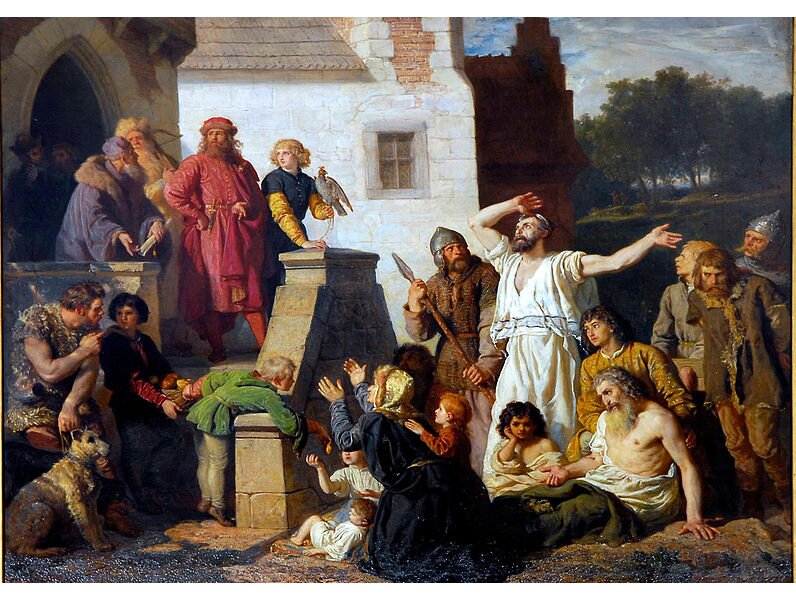
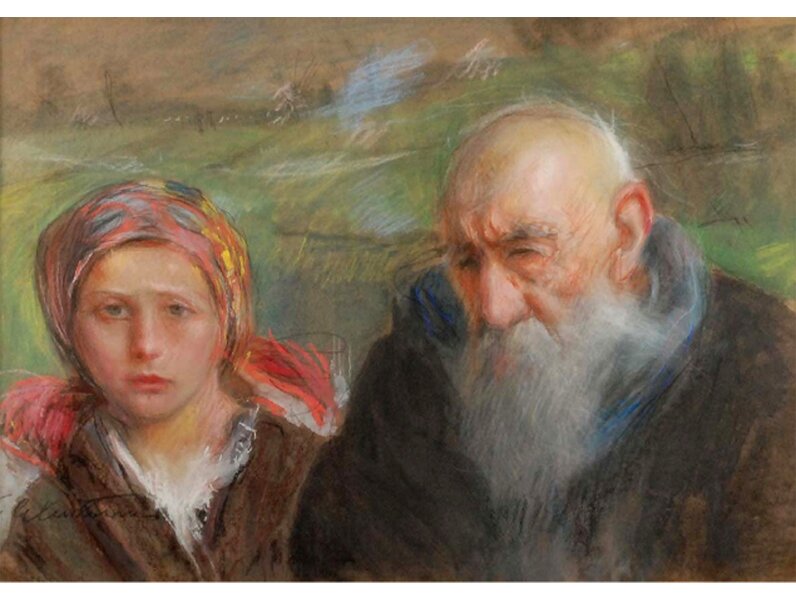
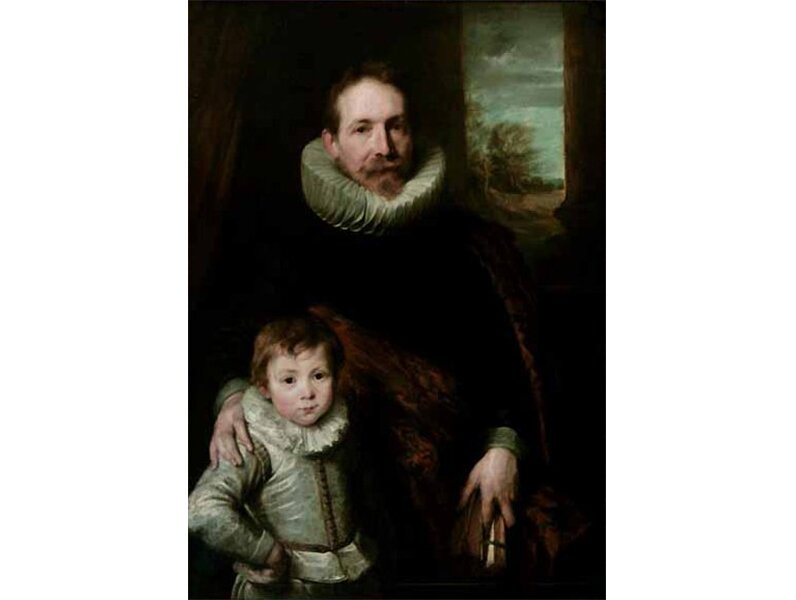
The words in our dictionary are arranged in different classes. It is a very logical network of words and their meanings. We are able to choose words with a close meaning (e.g. “big”, “huge”, “large”, “extensive”) or pairs of words with opposite meanings (e.g. “big” – “small”).
Words of close, similar meaning are synonyms. Words with opposite meaning are antonyms. The opposing meanings can therefore be expressed in language by means of antonyms. These can be single words („dark – light”; “wake up – fall asleep”; “morning – evening”; “quiet – loud”; “something – nothing”; “someone – no one”) or idiomatic expressions (i.e. well‑established word connections), e.g. “at the very beginning – at the very end”; “have all the answers – be out of one's mind”; “on one hand – on the other hand”; “not only, but also”.
Use any dictionary of antonyms and synonyms. Provide the synonyms and antonyms of the words or idiomatic expressions given.
Find the missing word belonging to the pair of antonymes.
to pour out, a customer, to sell, to clean out, bad, to satiate
| a seller | |
| to buy | |
| to stain | |
| to starve | |
| to pour into | |
| good |
Give the antonyms of the given words. Pay attention to the context. Turn the card around and check the answer.
| old bread | fresh bread |
| old car | new car |
| old man | young man |
| sharp knife | blunt knife |
| harsh winter | mild winter |
| strict teacher | friendly teacher |
| deep knowledge | superficial knowledge |
| deep greenness | pale greenness |
Drag the word pieces to a suitable position to create the antonyms of the given words.
ir, in, il, non, anti, un, less, im, mis, dis
............hero
............justice
shape............
............stop
............fortune
............mature
............appear
............armed
............regular
............legal
In grammar, the opposing meanings are also expressed using the particles preceding the words. They tell us not only about the opposite but also about the lack and scarcity of something or about the contradictory content we deny. Such a phenomenon is called contradiction or negation. The particles we add at the beginning of a new word are prefixesprefixes.
The particle preceding the word, the so‑called prefix | First word | Second word – opposite with an additional prefix that creates an opposite meaning | Opposite meaning |
un- | attractive | unattractive | ‘one which is not attractive’ |
dis- | order | disorder | ‘something that is not in order’ |
anti | war | anti‑war | ‘one which is against war’ |
im- | possible | impossible | ‘one which is not possible’ |
mis- | acting | misacting | ‘one which is acting wrongly or poorly’ |
Create words with opposite meanings. Enter relevant words in blank spaces.
nonfiction – ..............
disadvantage – ..................
dislike – ............
inaccurate – ................
unavailable – ..................
Work in groups. One person gives the meaning of the word, the other guesses the word. The answers must be words with a negative prefix.
Find examples of cultural texts (books, films, works of art, as well as press articles or slogans from advertising posters), the titles of which have opposing meanings, e.g. “Crime and punishment”, “In heaven and on earth”. Consider why the creators of these works use contrasting words or concepts.
Keywords
contrast, opposition, synonym, antonym
Glossary
kontrast
przeciwieństwo
synonim
antonim
przedrostek
negacja