Crustaceans and arachnids
exoskeleton (external skeleton) protects against injuries, but prevents growth and hinders locomotion on land;
active animals have bilateral symmetry.
to identify an unknown organism as a representative of crustaceans or arachnids;
to specify and describe the adaptations of the spider to terrestrial life style;
to discuss the diet of crustaceans and arachnids;
to give examples of the benefits and risks on the part of arachnids.
Spiders, insects and crayfish belong to a large and diverse group of arthropods – animals with segmented bodies and jointed appendages. Segments of the appendages are connected to each other by joints, i.e. in a movable way. The number of walking legs ranges from six to more than a hundred. Apart from them, there are also appendages that perform other functions than locomotion. Some of them are located around the mouth (they form the oral apparatus), their role is to grasp and crush food. Other appendages – antennae are designed to receive information from the environment. Others are equipped with respiratory organs.
The body of arthropods usually has bilateral symmetry, divided into head, thorax and abdomenabdomen. In insects, the head and the thorax are separated, in crustaceans and arachnids they are immovably connected, forming a cephalothoraxcephalothorax. The body of the arthropods is covered with a chitin cuticle, in some crustaceans additionally saturated with calcium salts, which give it high hardness. It serves as the external skeleton, is a place for the attachment of muscles, protects the internal organs against mechanical injuries and against drying out (in the case of terrestial forms).
The outer carapace prevents the arthropods from growing continuously. Therefore, they only increase in size during the moulting period. Then the old cuticle is thrown away and replaced with a new one, softer and slightly bigger than the previous one. The animal grows intensively before it hardens again.
Arthropods inhabit all living environments. They live in the air (insects), in fresh and salt water and on land.
Crustaceans
The vast majority of crustaceans live in – salt or fresh water. Only a few are able to live on land in humid environments, especially in the tropics. Most of them have to return to the sea for breeding.
Crustaceans are arthropods whose body is usually composed of a cephalothorax and an abdomen. In the front part of the cephalothorax there are eyes placed on the posts allowing to observe the surroundings above the carapace. Below these are two pairs of antennae for receiving tactile stimuli. The crustacean cephalothorax is equipped with 5 pairs of walking legs, the first of which can be finished with claws. Abdomen appendages are usually flattened in shape and are used for swimming. They can also be used for respiration if gills are placed on them. Most crustaceans respire using gills. They may be in the form of alveoli on the thorax and abdomen appendages, but they usually fit in the gill chambers under the dorsal part of the carapace. Only in very small species the gas exchange occurs with the entire body surface.
Crustaceans include both very small organisms that live in the plankton (daphnias, cyclops and gammarids) and large organisms covered with thick and hard carapace (crayfish, crabs and lobsters). The few marine arthropods, e.g. Balanus and Lepas anatifera, belong to sedentary species, and their bodies are covered with a carapace made of calcareous plates. Crustaceans may be predators, saprophaguses, filter feeders or parasites.
Planktonic crustaceans, such as daphnia and cyclops, as well as krills forming banks are a source of nutrition for many animal species – mainly fish, birds and mammals. Predatory species such as crayfish, crabs, crawfish and lobsters regulate the number of aquatic animals, mainly molluscs, insects and their larvae as well as other crustaceans. Some crustaceans, such as crayfish, shrimps, lobsters and crawfish, are appreciated for their taste qualities and often consumed, especially in countries with access to the sea or the ocean.
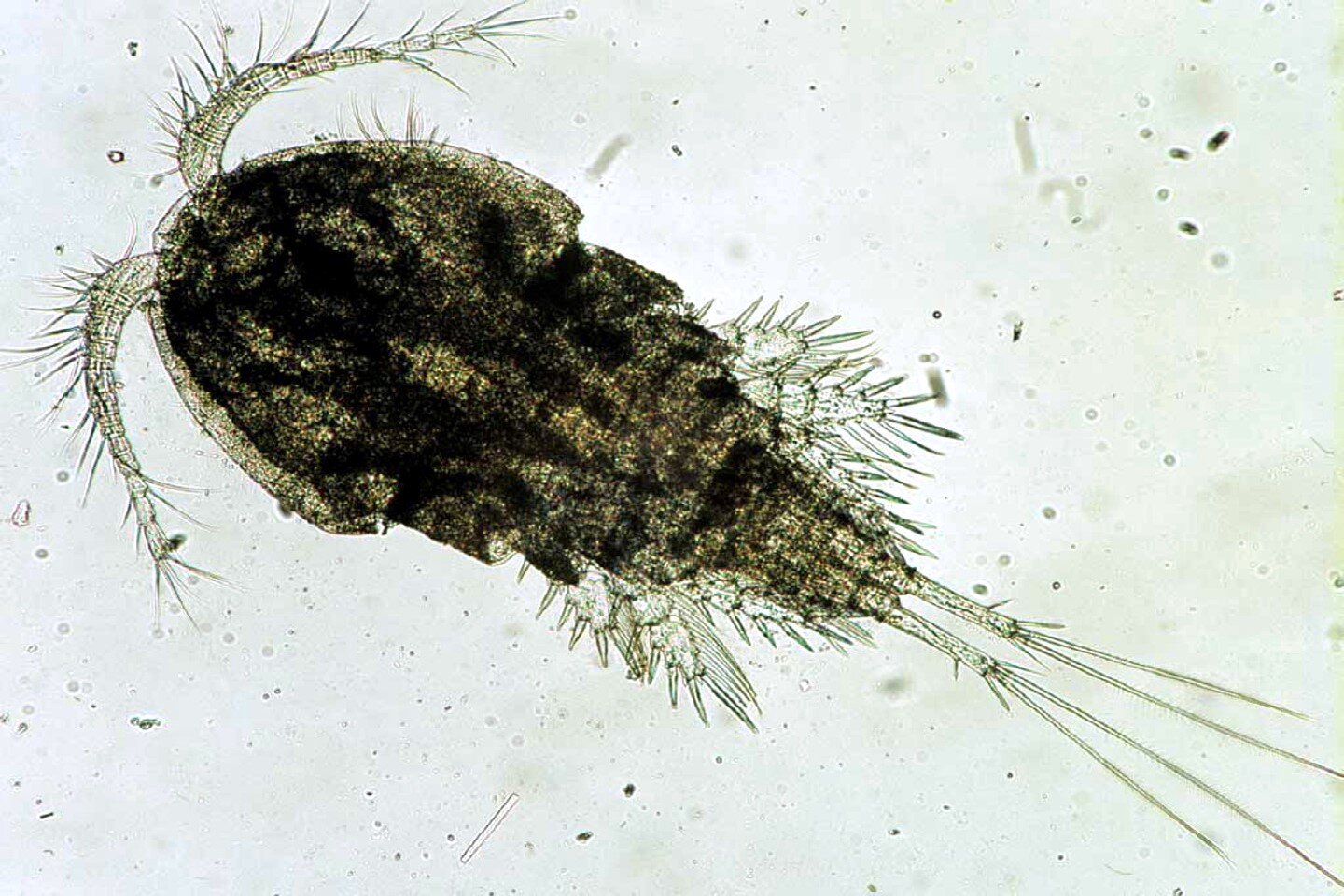
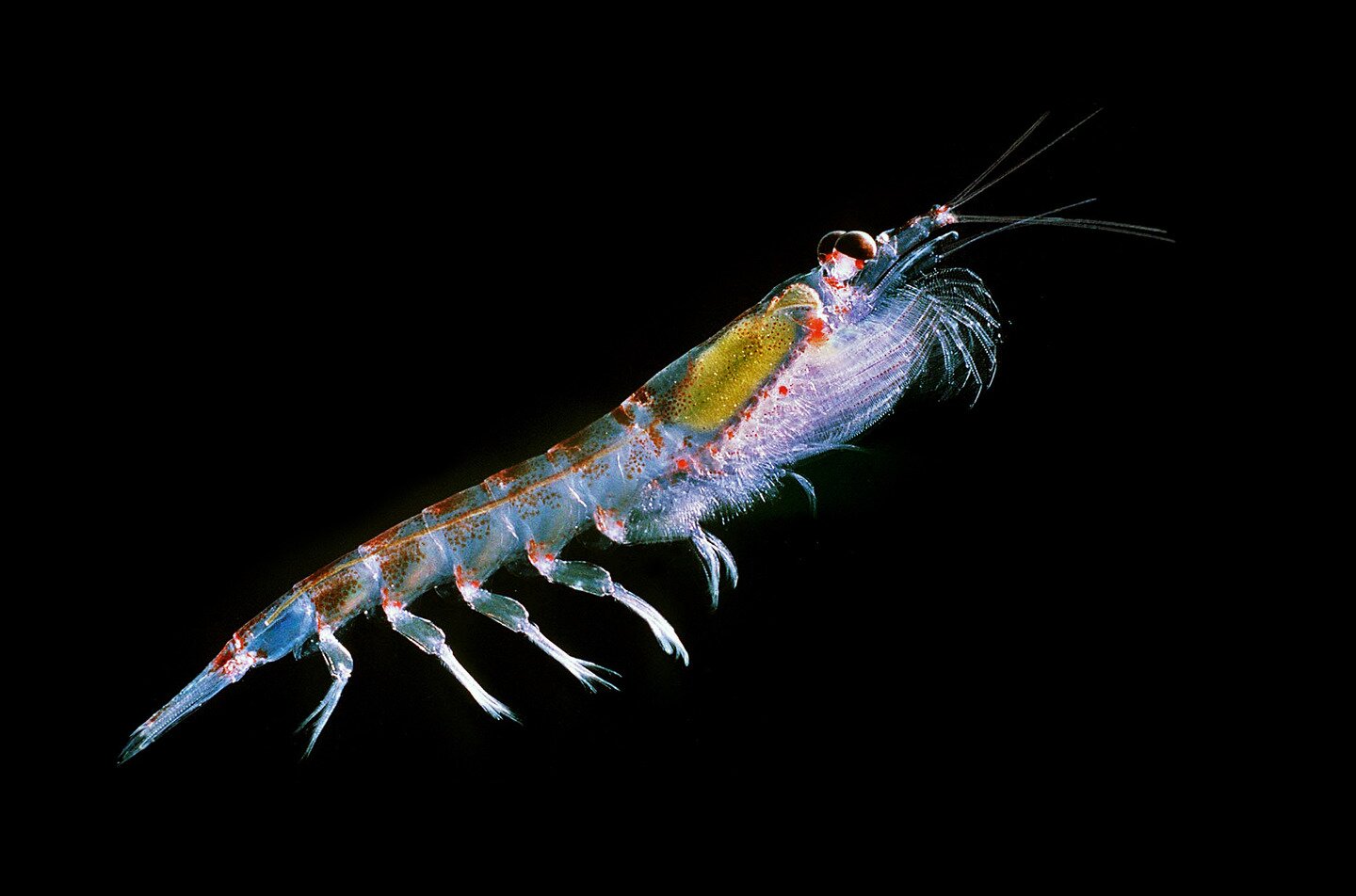
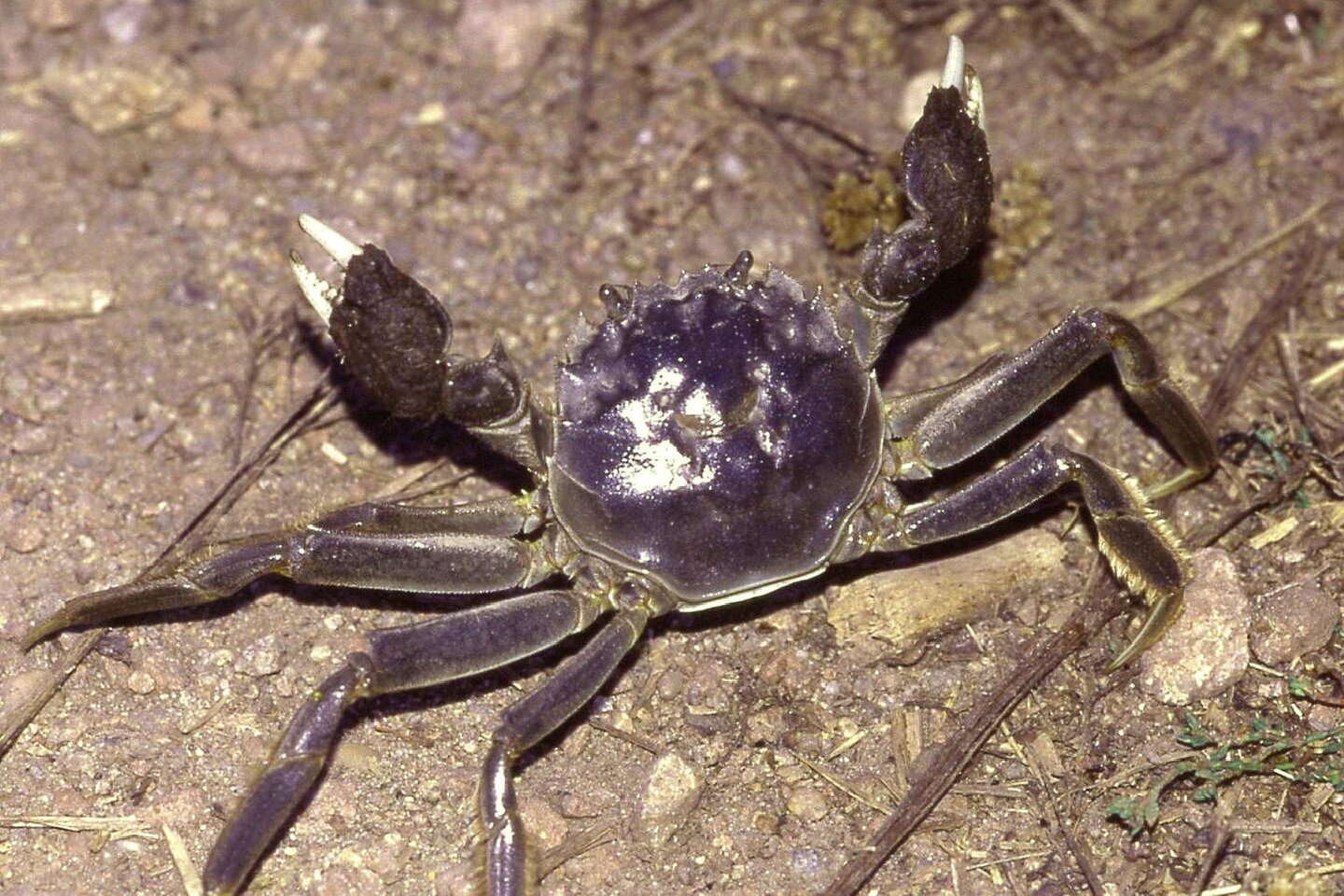
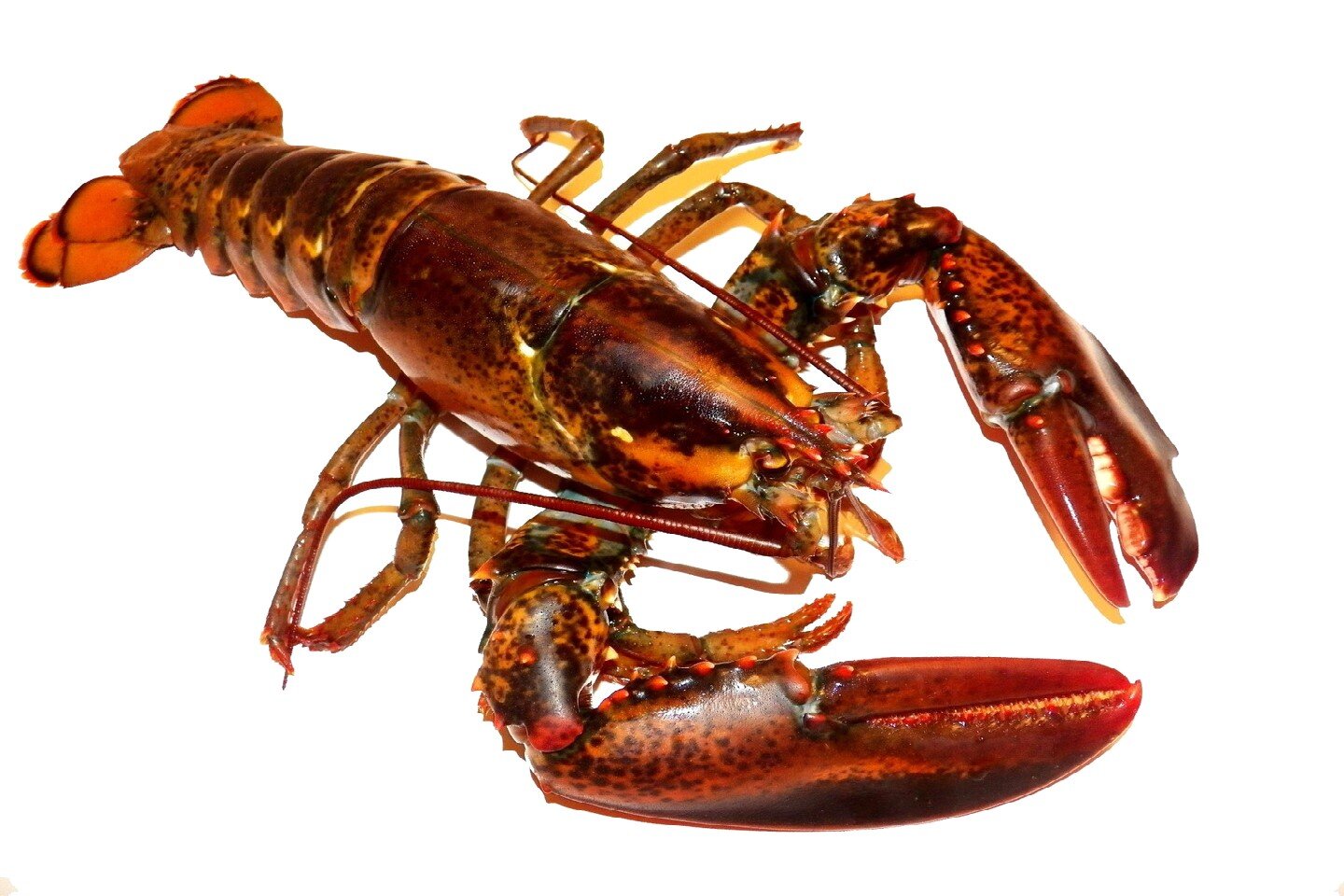
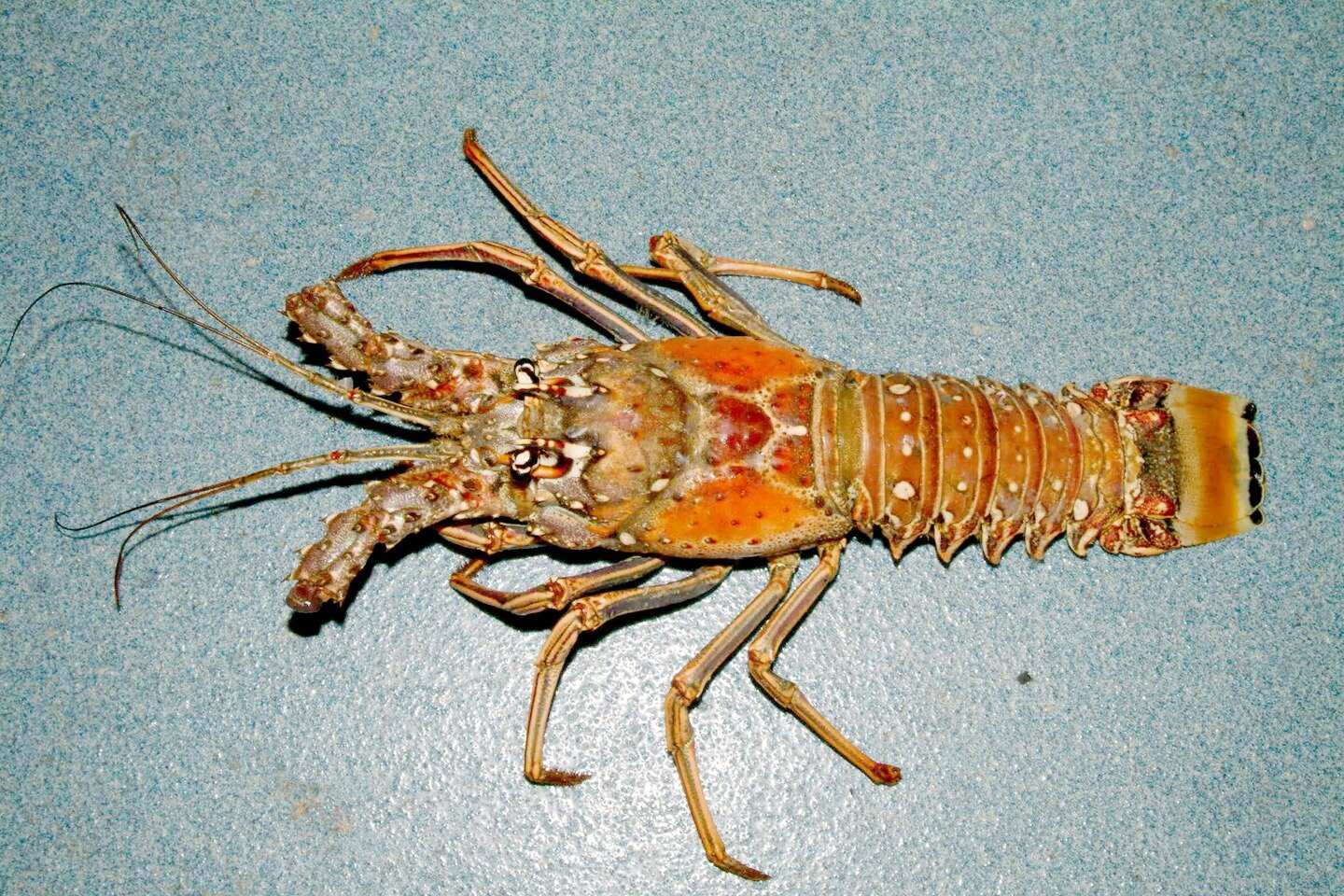
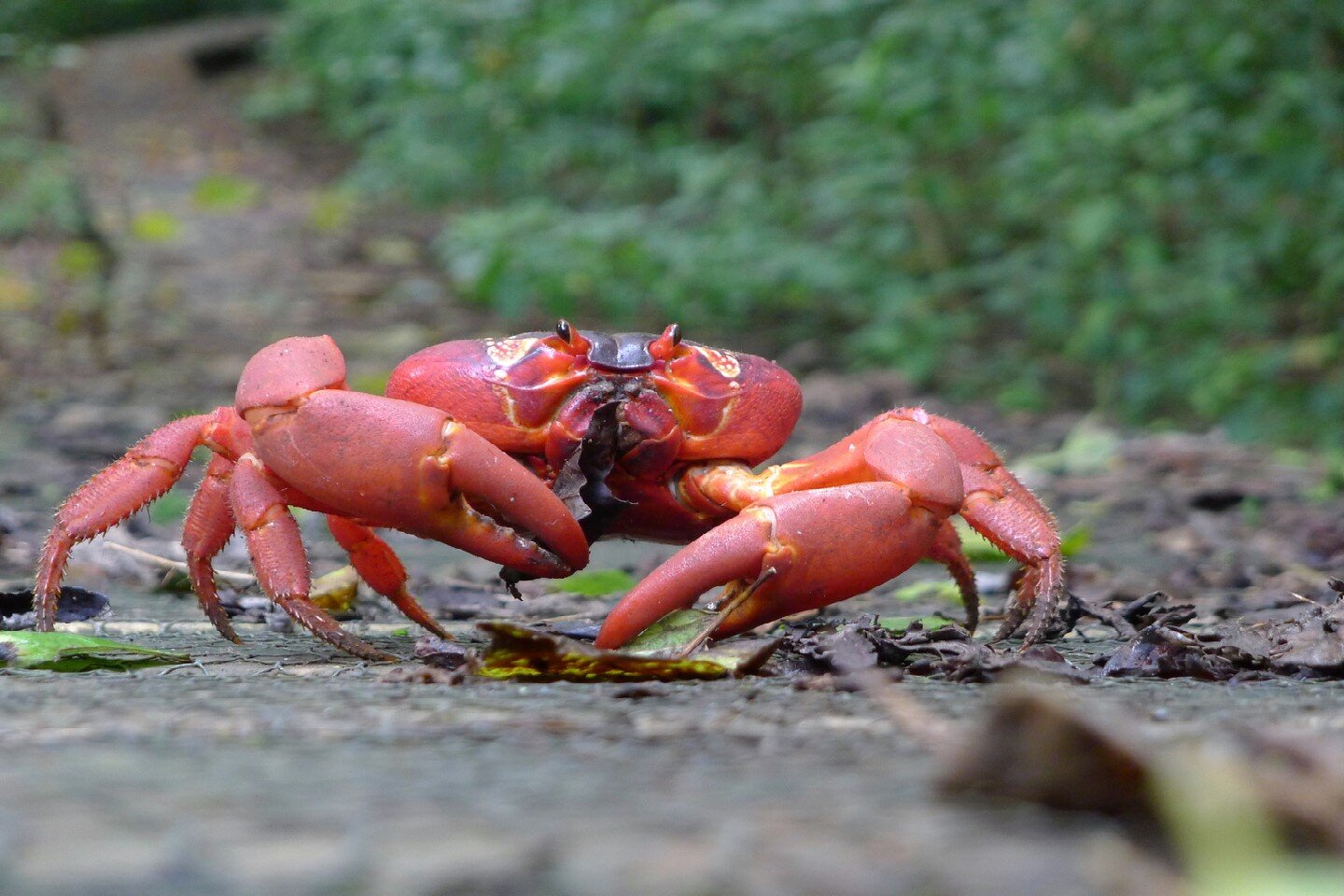
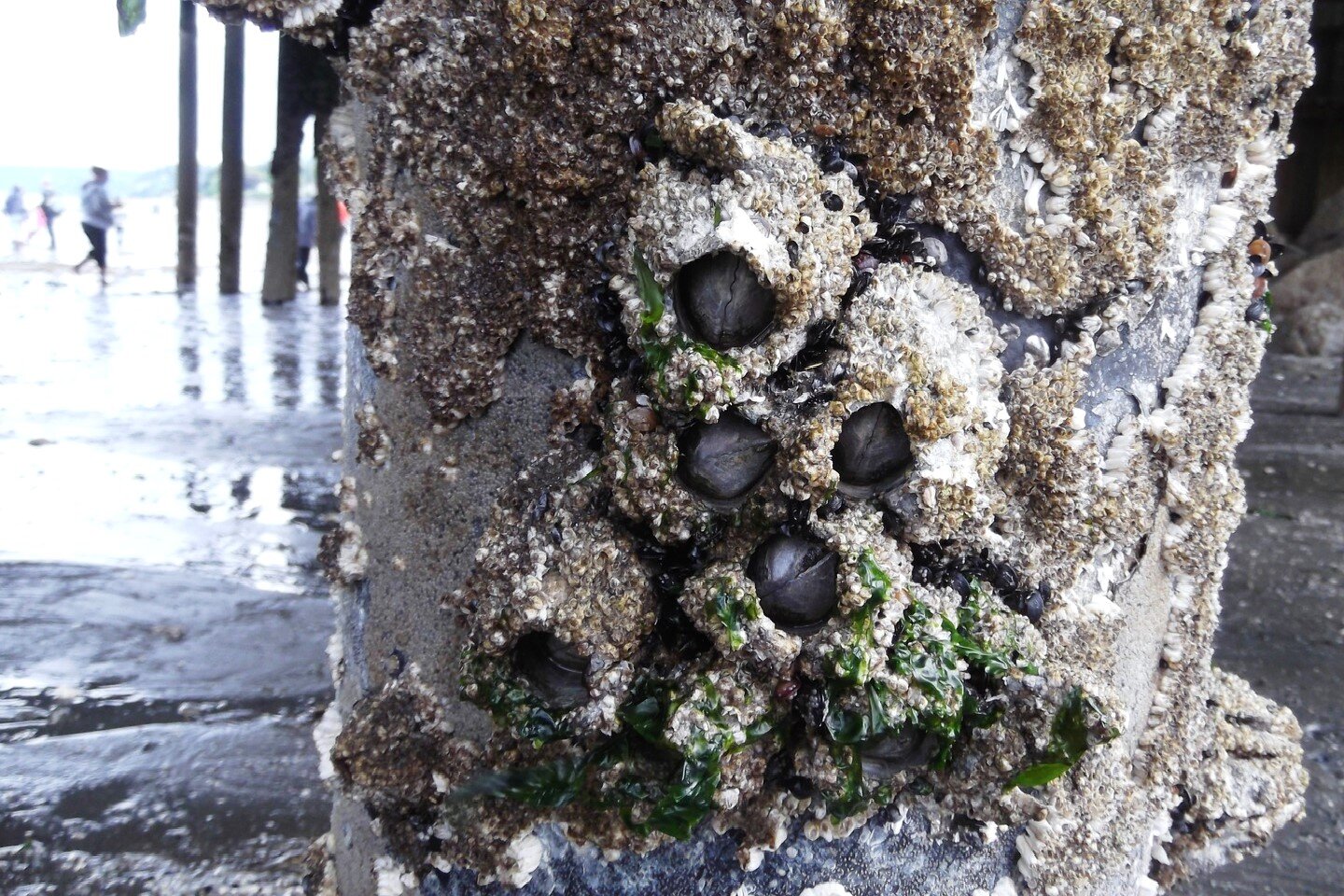
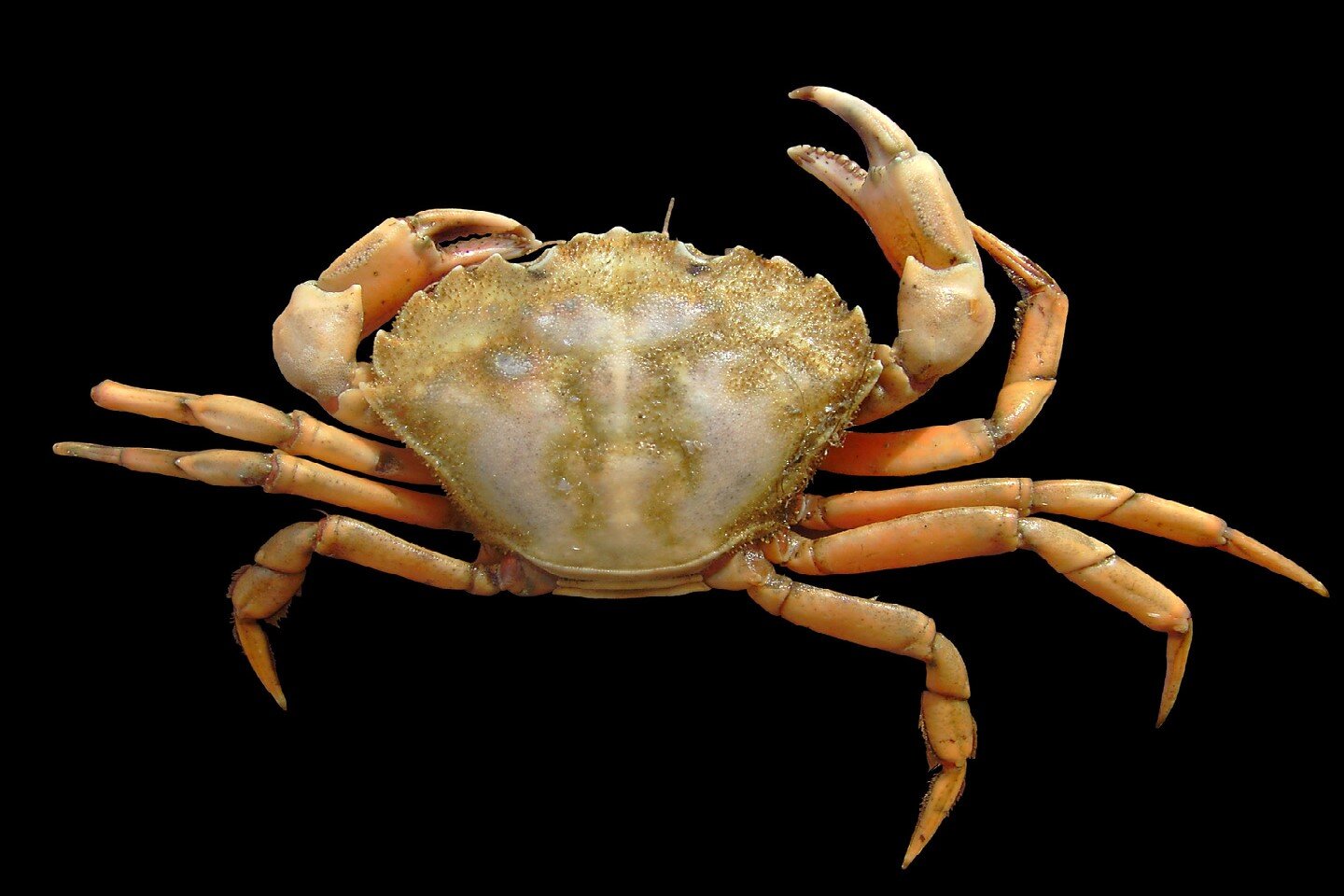
The cephalothorax segments in crustaceans are usually grown together and the abdomen segments are mobile relative to each other. Explain how crustaceans use the mobility of the abdomen segments.
Arachnids
Arachnids are arthropods whose body is usually composed of a cephalothorax and an abdomen. They live in various environments. The vast majority of these animals live on land. These include, for example, the spiders and Opiliones (colloquially known as harvestmen) (arachnids with a very short body and very long, thin legs) commonly occurring in Poland and scorpions with large pedipalps, resembling the crayfish pincers, found in warmer areas than ours. They respire using atmospheric air and the chitin carapace protects them against water loss.
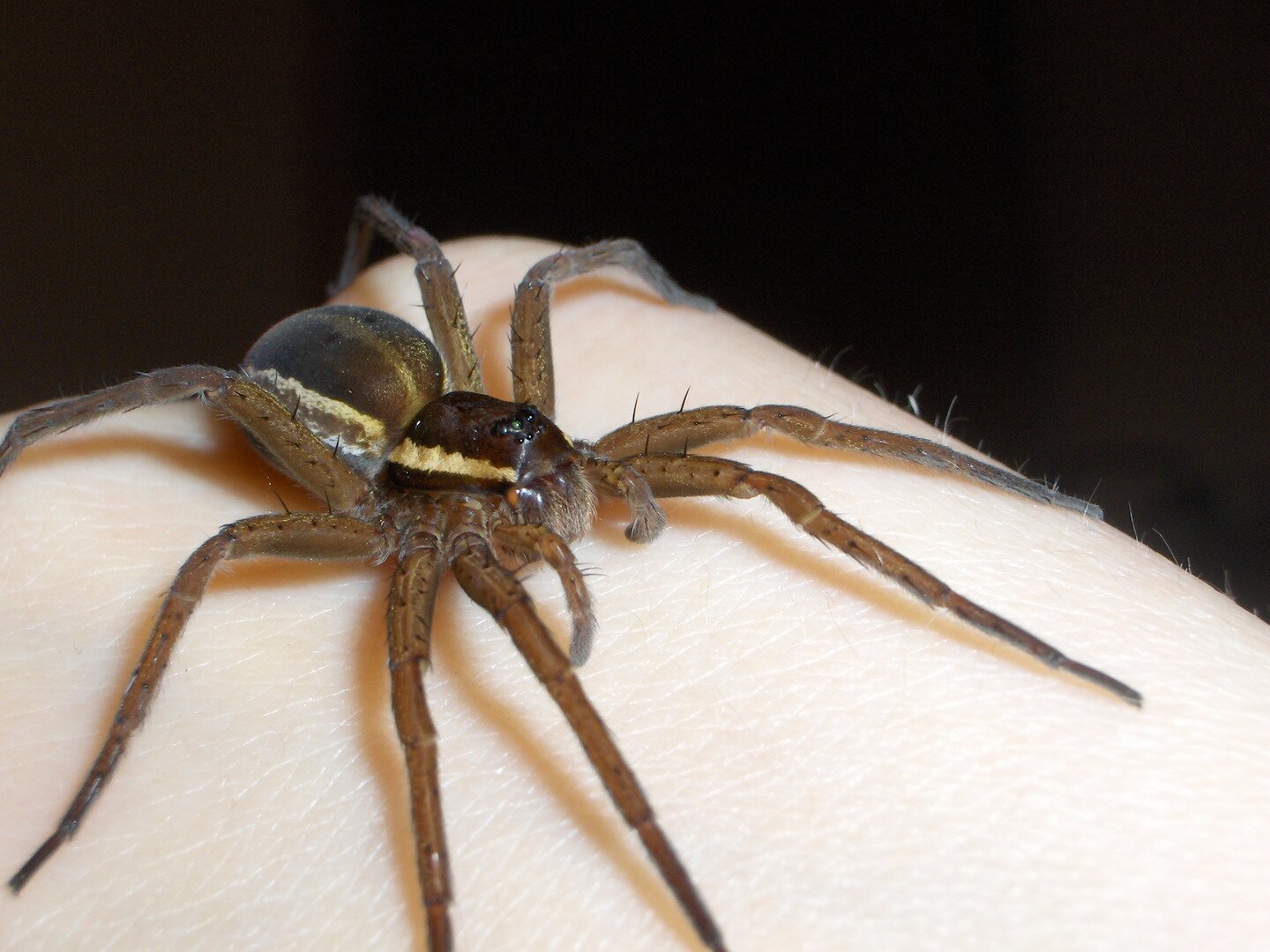
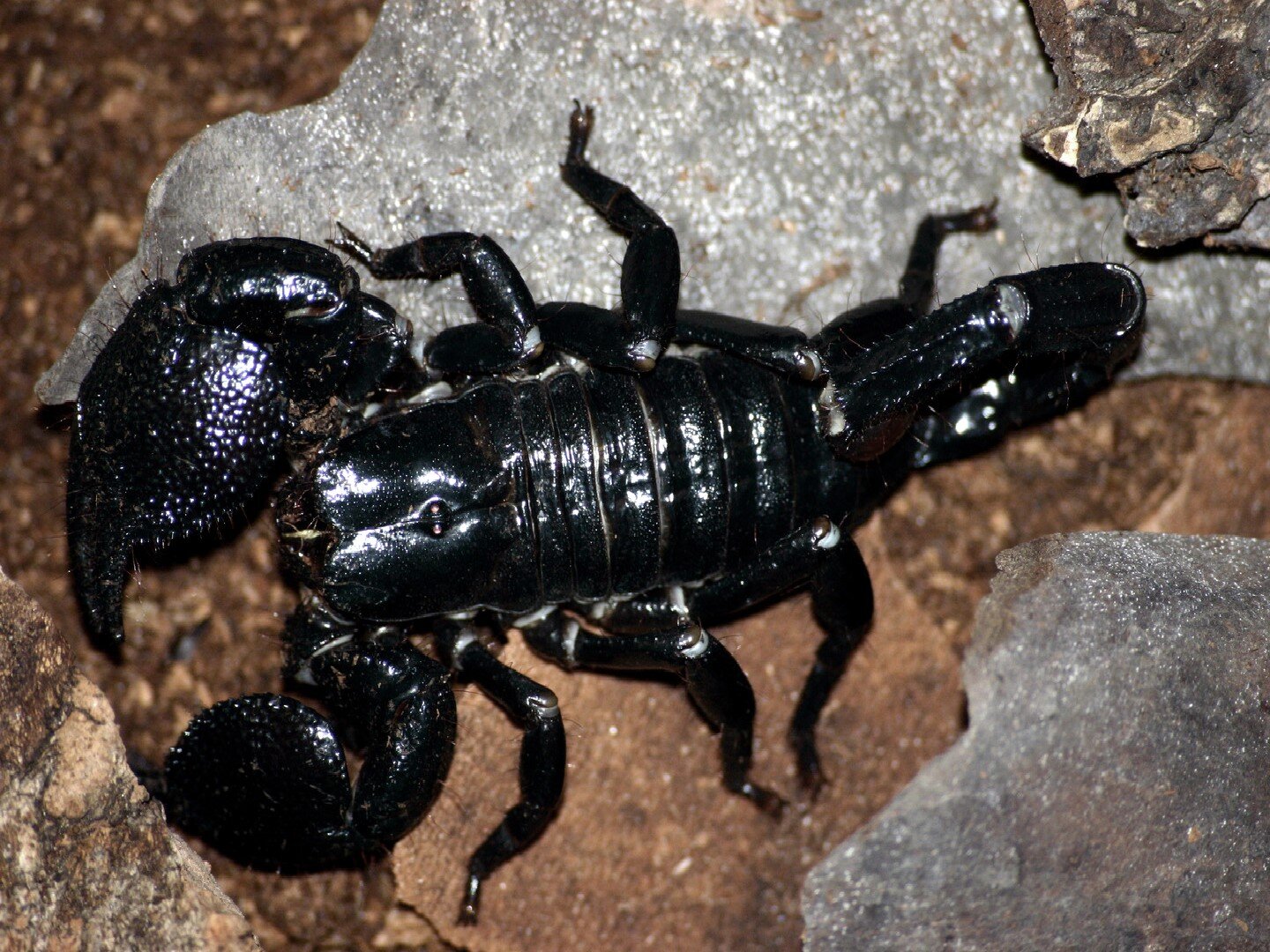
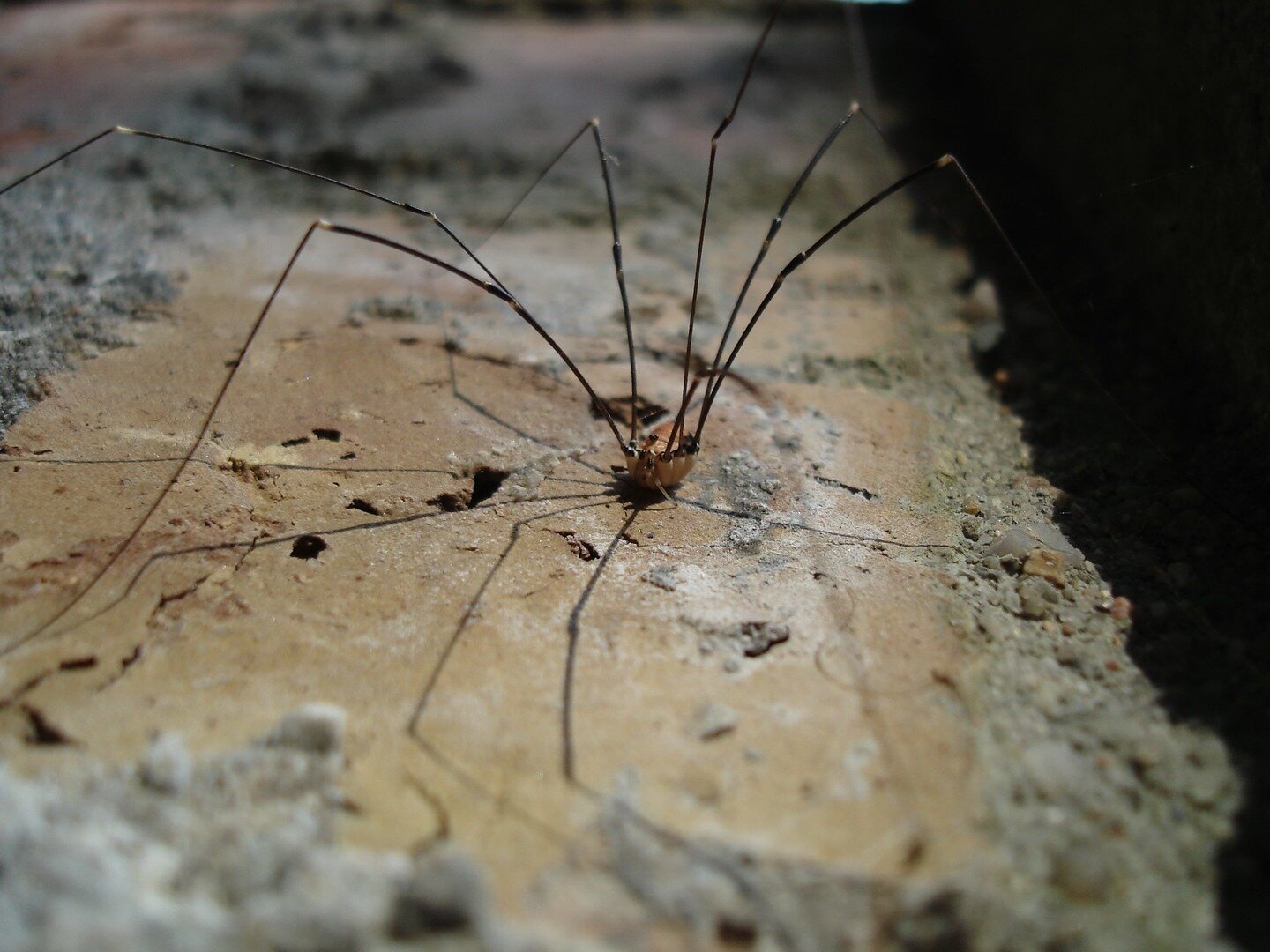
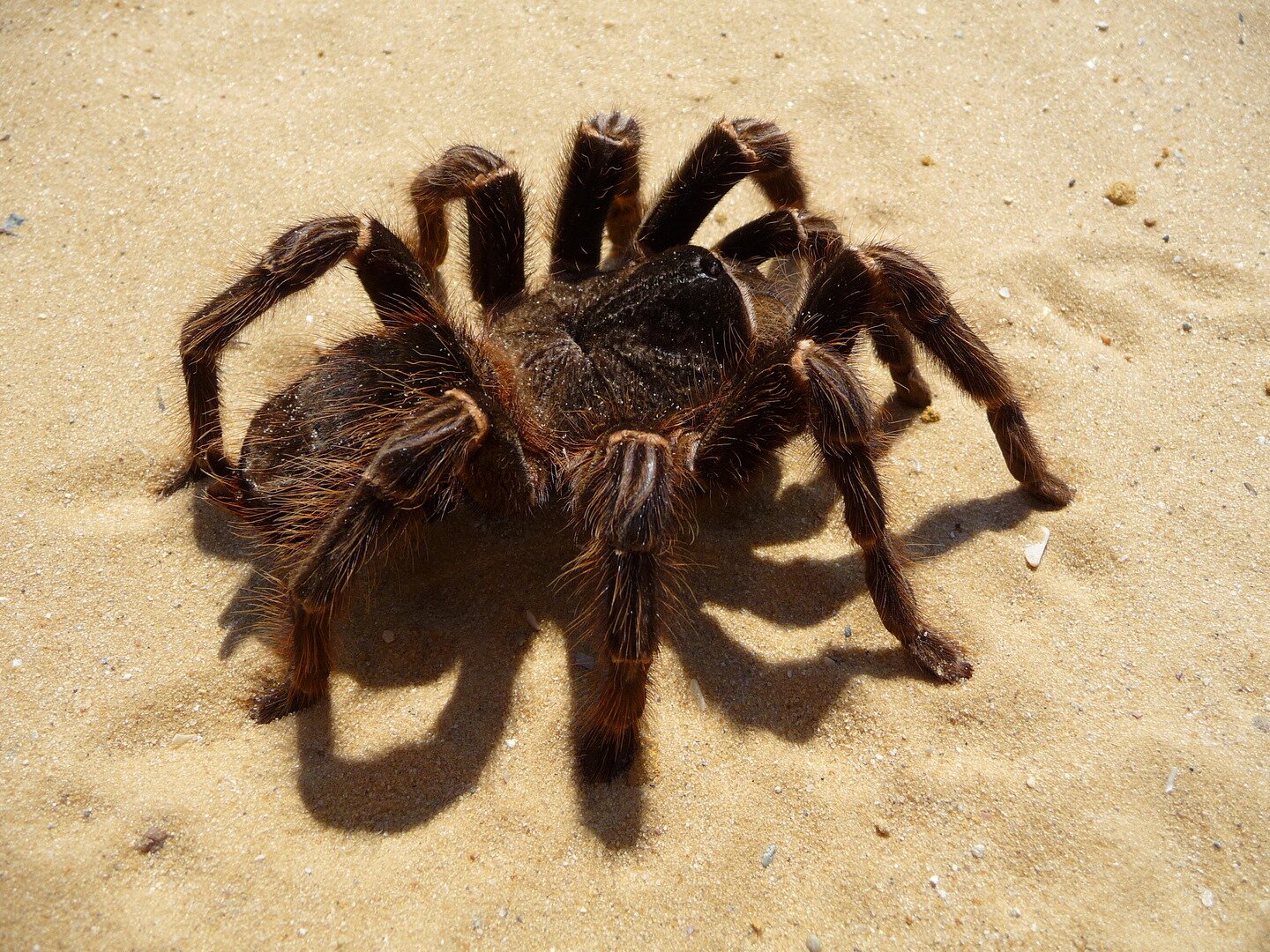
Spiders have 4 pairs of walking legs growing out of the cephalothorax. There are no legs on the abdomen. At the front of the cephalothorax, arachnids have eyes and pedipalps. One pair of pedipalps extends beyond the contour of the head section and may look like antennae, which however do not occur in arachnids. Mouthparts are used to grab and hold the prey, crush food and act as a touch organ. The second pair of pedipalps pierces the body of a prey and introduces venom into it. It is often used to fight aggressors. On the underside of a spider's abdomen, to the rear, there are spinneretsspinnerets. It is a place of spigots of silk glands producing a liquid protein substance which, after contact with air, solidifies in the form of a spider web thread. At the end of the abdomen, scorpions have a characteristic venomous sting with the use of which the predator kills the prey.
Spider's web
Spiders spin different types of thread. Some of them are used to build spider’s webs and safety threads, others to wrap the caught preys, and yet others to build nests and cocoons, inside of which fertilized eggs are laid. Some spiders, especially small ones, produce a thread called ballooning. On the web, which is made of these thin, long threads, its creators float in the air and move with the wind for a distance of even several hundred kilometers.
It takes time to build up webs. Usually spiders spin them at night, when they are safer. The construction starts by releasing the base thread with the wind, which adheres to a rough surface. The spider carefully passes through it and strengthens it with new threads. Then it adds another one, creating an Y‑shaped structure, and adds more rays. When they are ready, the spider connects them with sticky spiral threads or circular threads. Auxiliary threads are dry and are a pathway for the spider, and sticky threads create the right insect traps. A spider who waits in hiding, registers the vibrations of the web in which the prey has been caught with its appendages. It quickly runs up and injects venom into the caught insect which immobilizes it. Then the spider injects digestive juices into it, which turn the victim's tissues into liquid food. This process is called external digestion. Then the spider wraps its prey around with a thread and often hangs it on a spider’s web. The spider sucks in the nutrition from the prey only some time after the introduction of digestive juices.
Description of the external body structure of a spider and of its web.
magnifying glass – preferably cup magnifier,
spider,
spider’s web,
sprayer.
Find spider’s webs in the meadow, in the park or in a neglected room.
Find a place where a spider can be watched, look for the spider's preys wrapped in a spiderweb. Observe the shape and position of the threads. To better see the web threads, gently spray them with water from the sprayer. Draw or take photographs of the web.
Grab the spider very carefully and place it in a transparent box or a cup magnifier. Make sure that you do not damage its body or harm it.
Observe its external structure. Make a schematic drawing in which you mark and describe individual parts of its body.
After finishing your observation, carefully release the spider in the area where it was caught. To do this, place the open container there and wait until the spider leaves it.
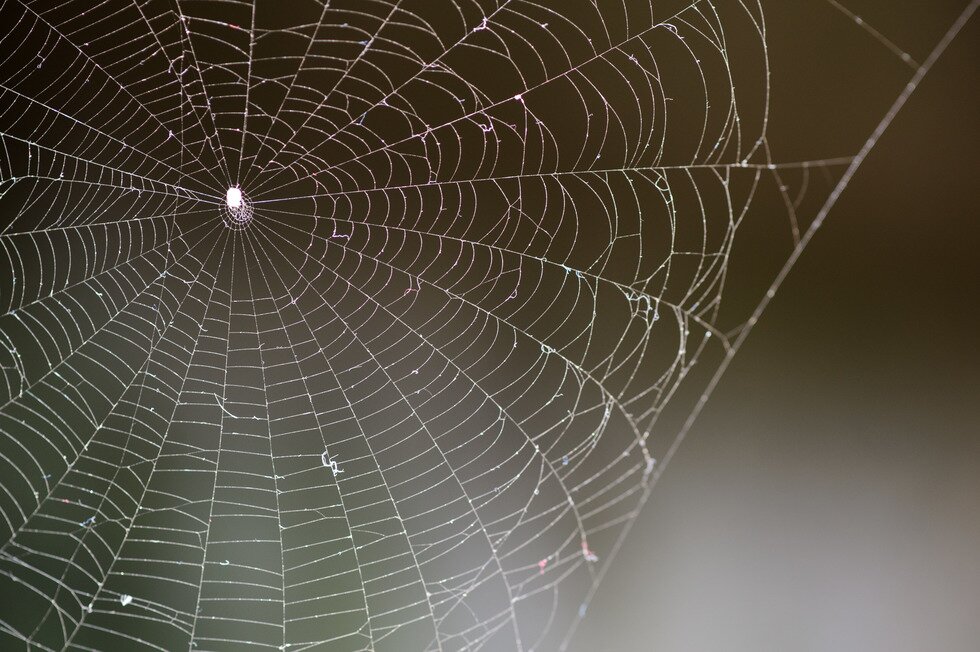
Spiders form webs of different shapes. Their appendages, eyes and abdomen differ in structure, because it depends on the mode of life.
Ticks and other mites
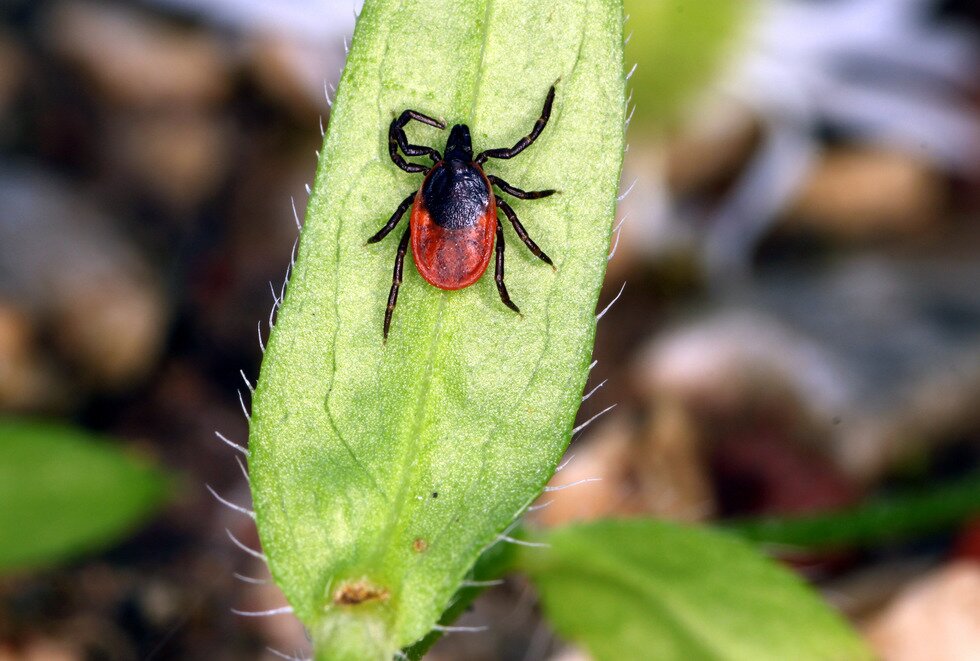
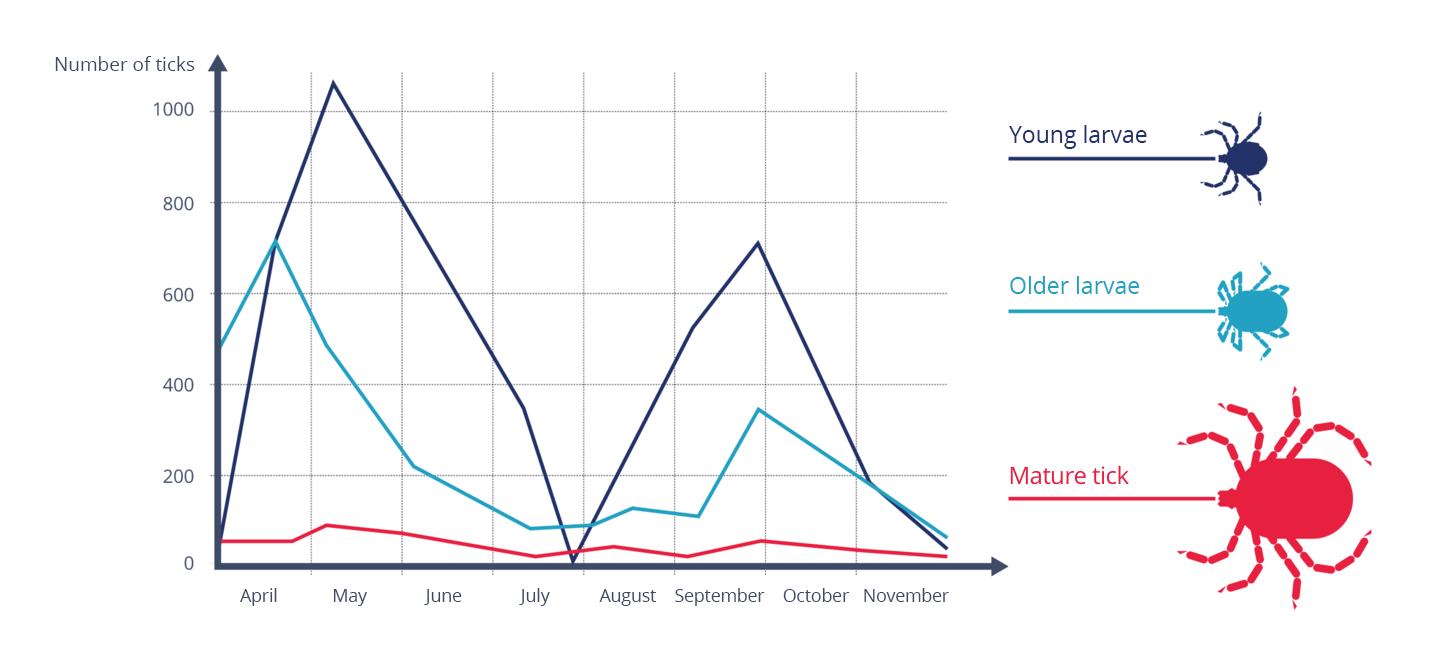
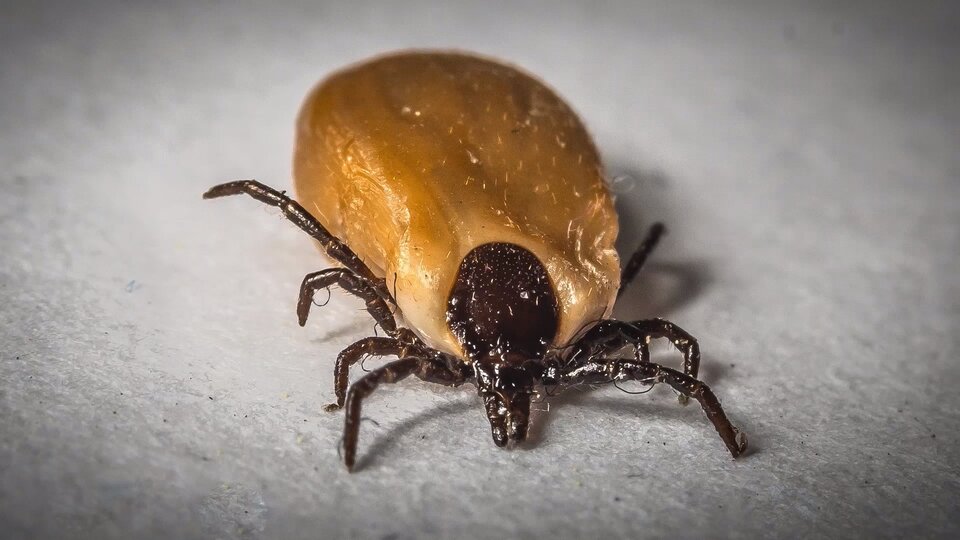
Arachnids include ticks – ectoparasites (external parasites) that transmit severe diseases such as malaria‑like babesiosis, tick‑borne encephalitis and borreliosis. Ticks are found on the edges of deciduous and mixed forests, in glades, thickets and grasslands up to a height of 1.5 metres. They sit on the underside of the leaves, mainly at their ends or on branches near wildlife paths, from where they are collected by preys squeezing in the thicket. To avoid these parasites, one should wear long‑sleeved clothing, legwear and a headgear on a trip to the forest, change ones clothes on the return and check that there are no uninvited guests on one’s body. Sometimes it is easy to miss ticks, as their larvae can be barely 1 mm long. If it turns out that the tick has attached, remove it with a quick motion by grasping it right next to the skin. Do not grease the tick, burn it or screw it out, as when irritated it can return saliva and germs to the wound. It should be remembered that not all ticks transmit pathogenic micro‑organisms and that the risk of their injection, if the tick has been feeding for less than 24 hours, is low. Nevertheless, the place of the bite must be observed. The appearance of circular skin redness around the wound and symptoms similar to a cold: headache and limb pain, a feeling of general disintegration, fever throws require medical consultation.
Film dostępny na portalu epodreczniki.pl
Nagranie filmowe dotyczące zagrożenia, jakie stanowią kleszcze. Ticks are a threat Tick: lenght between 0.5 and 3-4 mm, belongs to the group of arthropods and arachnids. Occurence: meadows, parks, gardens, forest borders, damp forests. What do they eat? They are parasites, feeding off blood of mice, cats, does, deer, cattle and humans. They have mouthparts creating a snout which pierces the skin and sucks the blood out. How can we protecy ourselves against them? Wear: long pants with legs tucked into the shoes, tall socks, long sleeve jacket, a hat. Put on anti-tick spray or cream (works for 2-4 hours). After coming back from the trip: change your clothes, check your body over and on the next day, shake your clothes outside the door and wash it. Where do ticks attach themselves most frequently? at the hairline, behind the ears, on the neck, in armpits, in the crook of the arm, around belly button, in groin area, under the knees, around the ankles, between fingers. Every third tick is infected and carries diseases dangerous to humans. If a tick is taken out within 48 hours, it will probably not infect us. Skin after a tick bite must be observed. If within 3 weeks there is circular reddening of the skin, this means the tick infected us with Lyme's disease. Lack of such reddening means there's been no infection. Diseases carried by ticks are severe and hard to cure. Lyme disease, tick-bone encephalitis and at least 6 other dangerous illnesses.
Other arachnids that may be dangerous to humans are microscopic mites (Acarina) living in the house dust, bedding and mattresses. They feed on organic remains. Their faeces contribute to the occurrence of allergies with symptoms such as catarrh, cough, bronchial asthma and dermatitis.
Sarcoptes scabiei (itch mite) also belongs to the group of mites. It is about 0.4 mm long. It drills tubules in the skin, feeds on tissues, causes strong itching. It causes scabies, a very infectious disease transmitted through the direct contact.
Distinguish the spider's adaptations to predation and terrestrial environment. Match the spiders’ features to the appropriate categories.
venom glands, masking colouring, masking colouring, 4 pairs of eyes, carapace protecting against water loss, spider’s web, pedipalps, ability to run fast
| Adaptations to predation | |
|---|---|
| Adaptations to the environment |
Distinguish the adaptations to parasitism and to the group of arthropods in a tick. Match features to the appropriate groups.
a carapace covering the body, cephalothorax and abdomen, segmented appendages, a large abdomen storing the blood, bitting pedipalps, sensing the prey based on smell
| Adaptation to parasitism | |
|---|---|
| Features of arthropods |
Conclusion
Arthropods are animals with segmented both bodies and appendages, the elements of which are connected by joints. Their body, covered with a chitin cuticle, is divided into a head, a thorax and an abdomen (in insects) or a cephalothorax, an abdomen (in crustaceans and arachnids) and usually 5 pairs of walking legs.
Arachnids are arthropods that live mainly on land. They have 4 pairs of walking legs located on the cephalothorax.
Among the arachnids there are predators weaving webs, parasites (also human parasites) and saprophytes.
Keywords
arachnids, spiders, parasites, crustaceans
Glossary
głowotułów – przedni odcinek ciała skorupiaków i pajęczaków połączony z odwłokiem
kądziołki przędne – struktura złożona z kilkuset do kilkunastu tysięcy ujść gruczołów przędnych produkujących ciekłą, białkową substancję, która po zetknięciu z powietrzem krzepnie w postaci nici pajęczej; występuje w tylnej części odwłoka pająków, po brzusznej stronie
odwłok – tylna część ciała stawonoga; u owadów połączona z tułowiem, a u skorupiaków i pajęczaków z głowotułowiem