bg‑azure

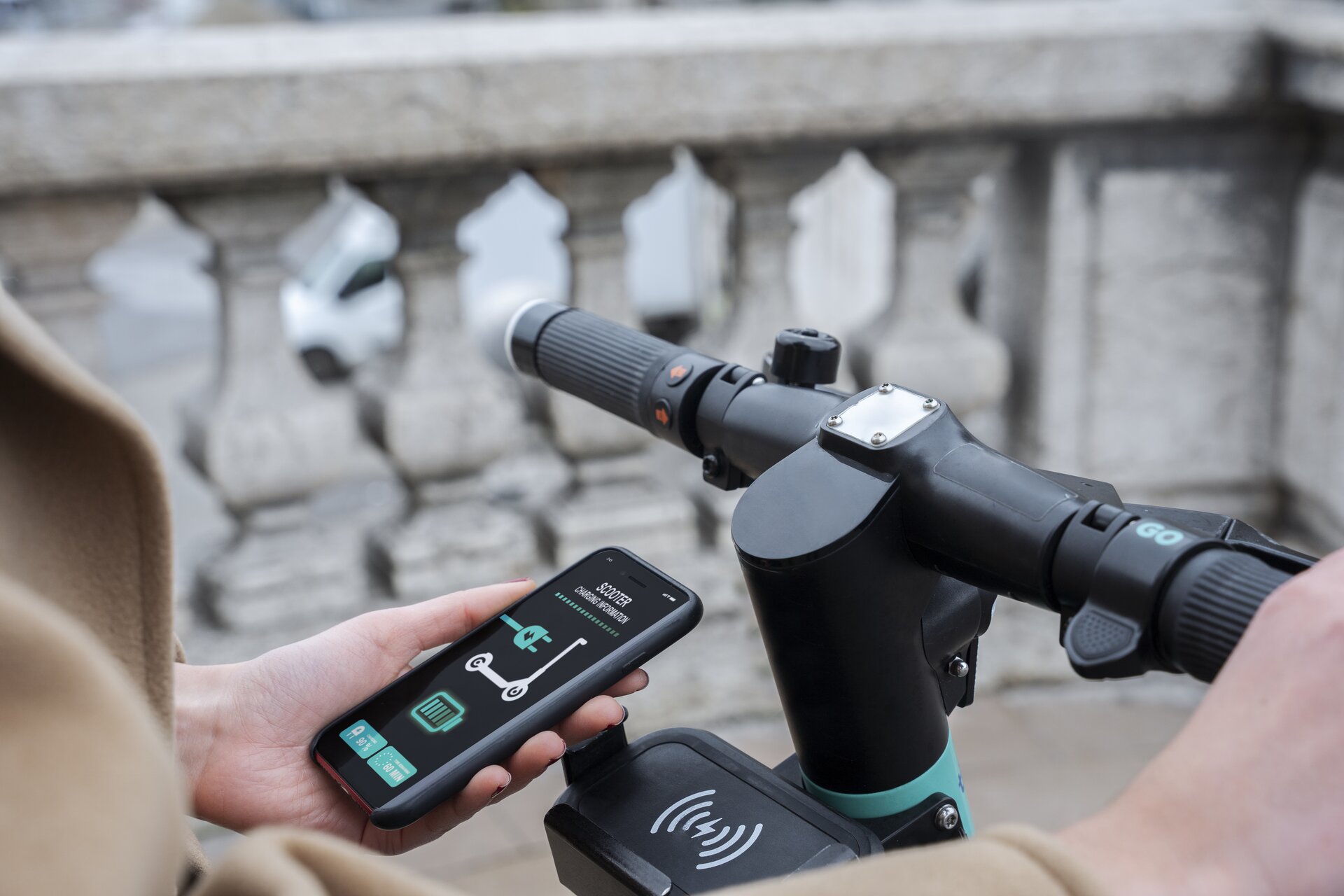
Today’s transport is far from ideal. There are too many vehicles that produce harmful pollution. What can we do in order to change our means of transport for the better? Are there any good ideas of what we, as individuals, can do? If you want to know more, just play the film to find out!

Dzisiejszemu transportowi daleko do ideału. Zbyt wiele jest pojazdów, które produkują szkodliwe zanieczyszczenia. Co możemy zrobić, aby zmienić nasze środki transportu na lepsze? Czy są jakieś dobre pomysły na to, co my, jako jednostki, możemy zrobić? Jeśli chcesz dowiedzieć się więcej, zapoznaj się z filmem!
RwyaOHF1icpGE
Let's do something good for the future
Zróbmy coś dobrego dla przyszłości
Źródło: dostępny w internecie: www.freepik.com [dostęp 08.8], domena publiczna.
Exercise 1

Match the words and phrases to their definitions.

Dopasuj wyrazy i wyrażenia do ich definicji.

R15G72sFtiQxT
carbon dioxide Możliwe odpowiedzi: 1. make a situation better, 2. CO2, 3. make smaller or less, 4. has a bad effect on something else, 5. keep away from, 6. the total CO2 released into air harmful Możliwe odpowiedzi: 1. make a situation better, 2. CO2, 3. make smaller or less, 4. has a bad effect on something else, 5. keep away from, 6. the total CO2 released into air make a difference Możliwe odpowiedzi: 1. make a situation better, 2. CO2, 3. make smaller or less, 4. has a bad effect on something else, 5. keep away from, 6. the total CO2 released into air reduce Możliwe odpowiedzi: 1. make a situation better, 2. CO2, 3. make smaller or less, 4. has a bad effect on something else, 5. keep away from, 6. the total CO2 released into air avoid Możliwe odpowiedzi: 1. make a situation better, 2. CO2, 3. make smaller or less, 4. has a bad effect on something else, 5. keep away from, 6. the total CO2 released into air carbon footprint Możliwe odpowiedzi: 1. make a situation better, 2. CO2, 3. make smaller or less, 4. has a bad effect on something else, 5. keep away from, 6. the total CO2 released into air
Źródło: GroMar Sp. z o.o., licencja: CC BY-SA 3.0.

Play the film to learn more about today’s transport challenges. Then do the tasks below.

Zapoznaj się z filmem, aby dowiedzieć się więcej o wyzwaniach stojących przed transportem. Następnie rozwiąż poniższe zadania.
Rk0KCGEMVCs7F1
Film nawiązujący do treści materiału
TRANSCRIPTazurewhite
Exercise 2

Based on the film, match the questions to the answers.

Na podstawie filmu połącz pytania z poprawnymi odpowiedziami.

R1VyD781AZkCk
What adds a lot to the greenhouse effect? Możliwe odpowiedzi: 1. Transport., 2. Our parents and grandparents., 3. I don’t think it is possible., 4. Walk and cycle., 5. Public transport. Who learnt to depend on cars? Możliwe odpowiedzi: 1. Transport., 2. Our parents and grandparents., 3. I don’t think it is possible., 4. Walk and cycle., 5. Public transport. What can we do instead of using vehicles that pollute the air? Możliwe odpowiedzi: 1. Transport., 2. Our parents and grandparents., 3. I don’t think it is possible., 4. Walk and cycle., 5. Public transport. What kind of transport can reduce carbon emissions? Możliwe odpowiedzi: 1. Transport., 2. Our parents and grandparents., 3. I don’t think it is possible., 4. Walk and cycle., 5. Public transport. Should we stop travelling? Możliwe odpowiedzi: 1. Transport., 2. Our parents and grandparents., 3. I don’t think it is possible., 4. Walk and cycle., 5. Public transport.
Źródło: GroMar Sp. z o.o., licencja: CC BY-SA 3.0.
Exercise 3

Play the video again. Put the sentences in the order in which they appear in the video.

Odtwórz nagranie ponownie. Ułóż zdania w kolejności, w której pojawiają się na nagraniu.

RXFimUM4DSFJv
Elementy do uszeregowania: 1. We should think carefully about what kind of transport we choose., 2. We should avoid car travel wherever it is possible., 3. When we do online shopping we should order goods to delivery lockers., 4. We should consider active transport like skateboards, bikes, or scooters., 5. We should try to use public transport as often as possible., 6. We should always consider walking and cycling instead of using vehicles.
Źródło: GroMar Sp. z o.o., licencja: CC BY-SA 3.0.
Exercise 4

Based on the information from the text, translate the words in brackets to complete the sentences below.

Na podstawie informacji z filmu przetłumacz słowa, które są w nawiasach tak aby uzupełnić poniższe zdania.

RBXfrPnwsWDFW
1. Today's transport adds a lot to the     gTu uzupełnij     effect due to carbon dioxide emissions. 2. Our small everyday choices can make a     dTu uzupełnij     as well. 3. We just need to be more     rTu uzupełnij     when we use them. 4. Their generations learned to     dTu uzupełnij     on cars. 5. I am asking you to     cTu uzupełnij     what is good for you and your future.
Źródło: GroMar Sp. z o.o., licencja: CC BY-SA 3.0.
Exercise 5

Think about your everyday life. What can you and your family do to support sustainable transport? Write your answer in 2‑3 sentences.

Pomyśl o swoim życiu codziennym. Co ty i twoja rodzina możecie zrobić, aby wspierać zrównoważony transport? Napisz swoją odpowiedź w 2‑3 zdaniach.

R1JaXFuOrca15
(Uzupełnij).
Źródło: GroMar Sp. z o.o., licencja: CC BY-SA 3.0.