Film
“You don’t have to play well, it’s enough to play better than your partner,” said Siegbert Tarrasch, a German player. In this section, you are going to work with a short film about chess and draughts, two games that are very popular all over the world.
„Nie trzeba grać dobrze, wystarczy grać lepiej niż przeciwnik”, powiedział Siegbert Tarrasch, niemiecki szachista. W tej sekcji obejrzysz krótki film o szachach i warcabach, dwóch bardzo popularnych na całym świecie grach.

Match the expressions with their translations.
Połącz wyrażenia z ich tłumaczeniami.
Match the words to the correct pictures.
Dopasuj wyrazy do odpowiednich obrazków.
Analyse a short film presenting the rules of chess and draughts and then do the exercises below.
Przeanalizuj krótki film przedstawiający zasady gry w szachy i warcaby, a następnie wykonaj poniższe ćwiczenia.
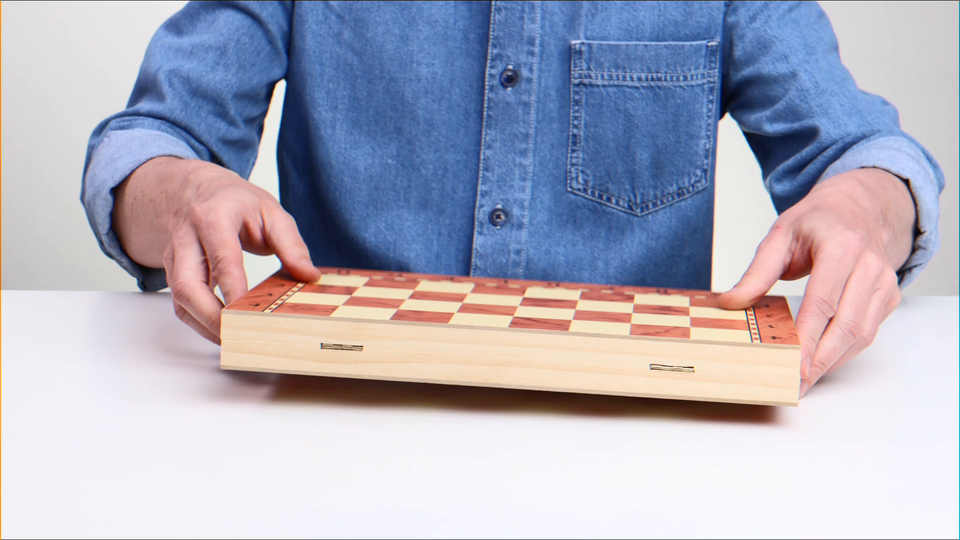
Film dostępny pod adresem /preview/resource/Raq2hU7K7rsIb
Film nawiązujący do treści materiału
Match the halves of sentences to make correct and logical sentences.
Połącz połowy zdań, aby utworzyć poprawne i logiczne stwierdzenia.
Based on the film about chess and draughts, decide if the sentences are true or false.
Po zapoznaniu się z filmem zdecyduj, czy podane zdania są prawdziwe, czy fałszywe.
- In both games there are two colours: black and white.
TRUEFALSE
- You don’t need dice to play it.
TRUEFALSE
- In chess, you put your pieces only on one colour of squares.
TRUEFALSE
- People take turns while playing these games.
TRUEFALSE
- The board is identical for chess and draughts.
TRUEFALSE
Drag and drop the sentences into correct categories.
Przeciągnij poniższe zdania do odpowiednich kategorii.
Answer the question. Write 1‑2 sentences.
Odpowiedz na pytanie 1–2 zdaniami.
Which game would you like to play - chess or draughts? Why?