First steps towards independent statehood. Polish organisational and military efforts
to characterize the political and military environment in which the Poles had to operate;
to describe the different attitudes of the partitioning powers towards to the Poles;
to exchange Polish military initiatives.
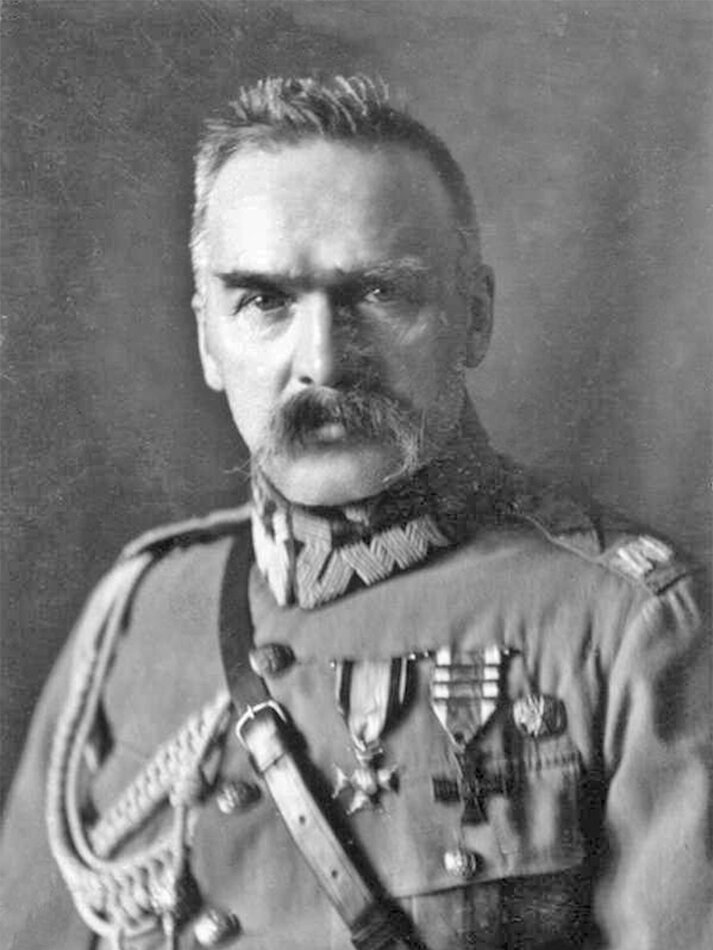
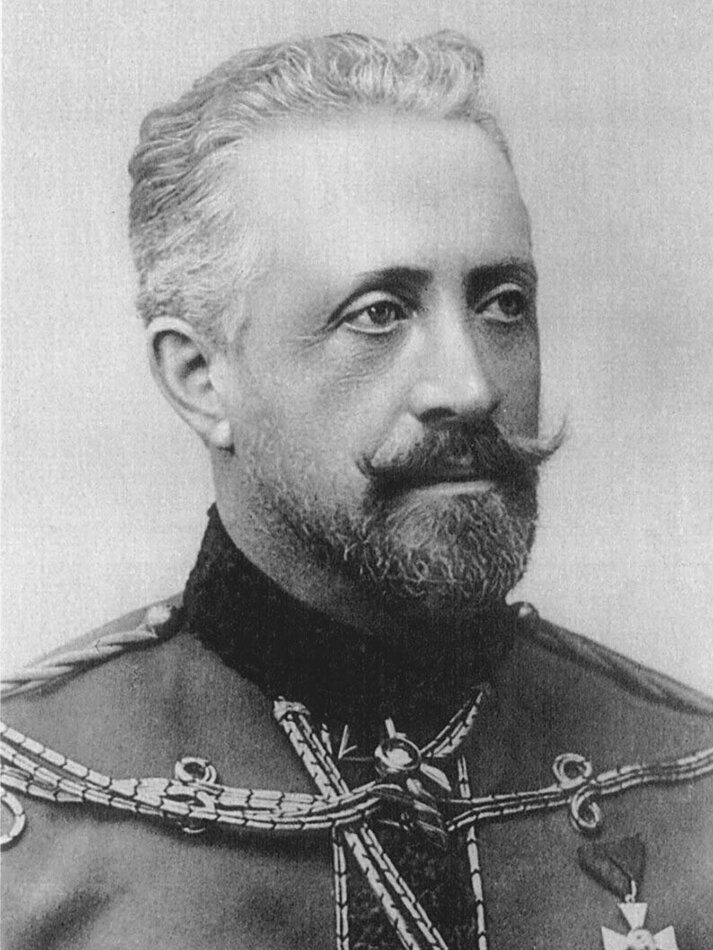
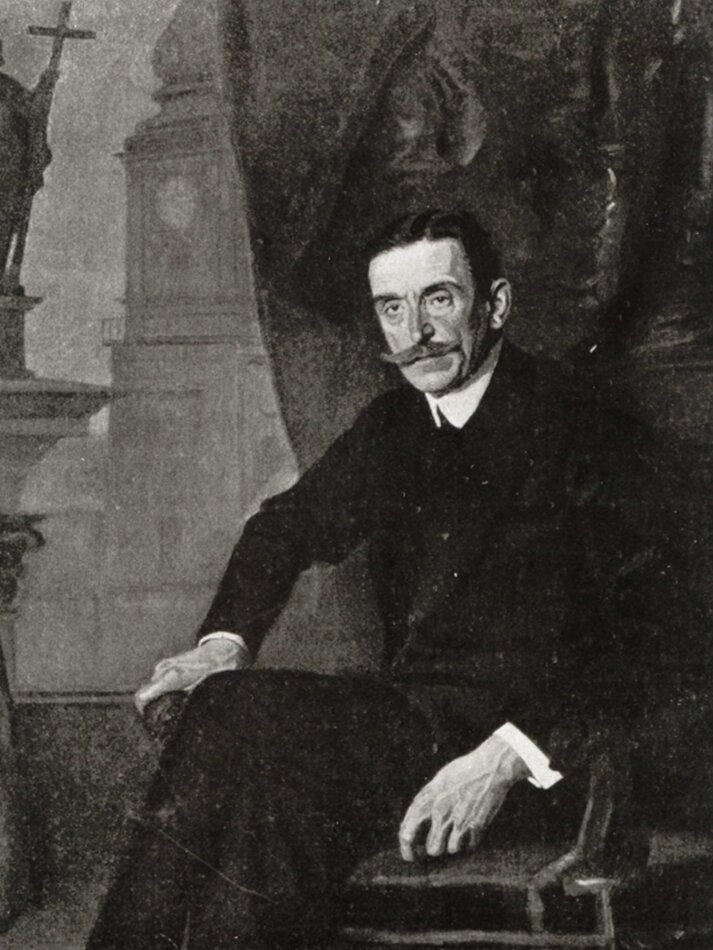
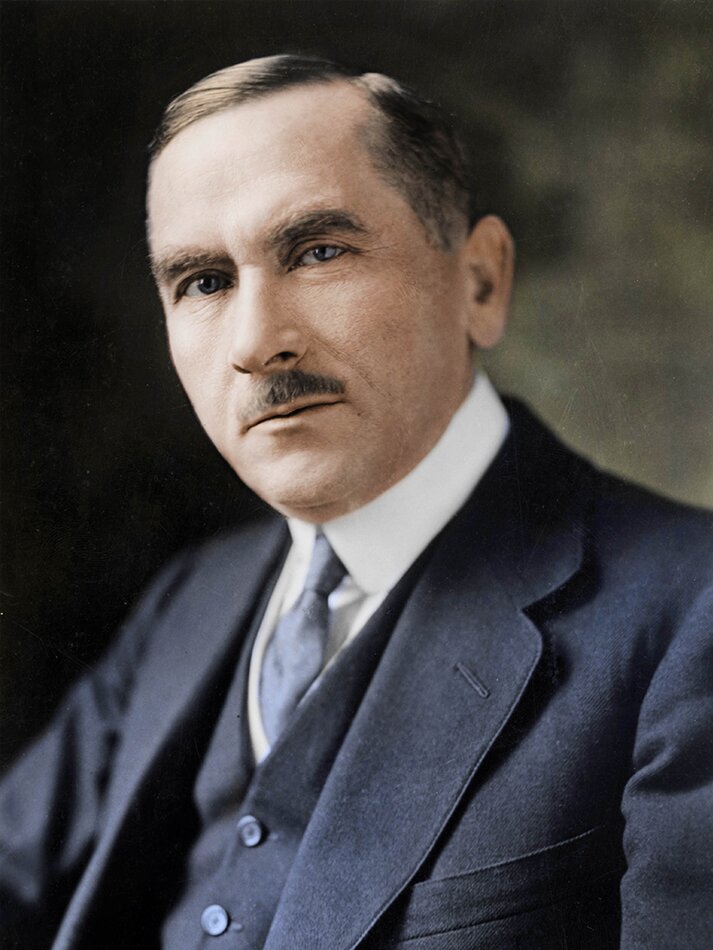
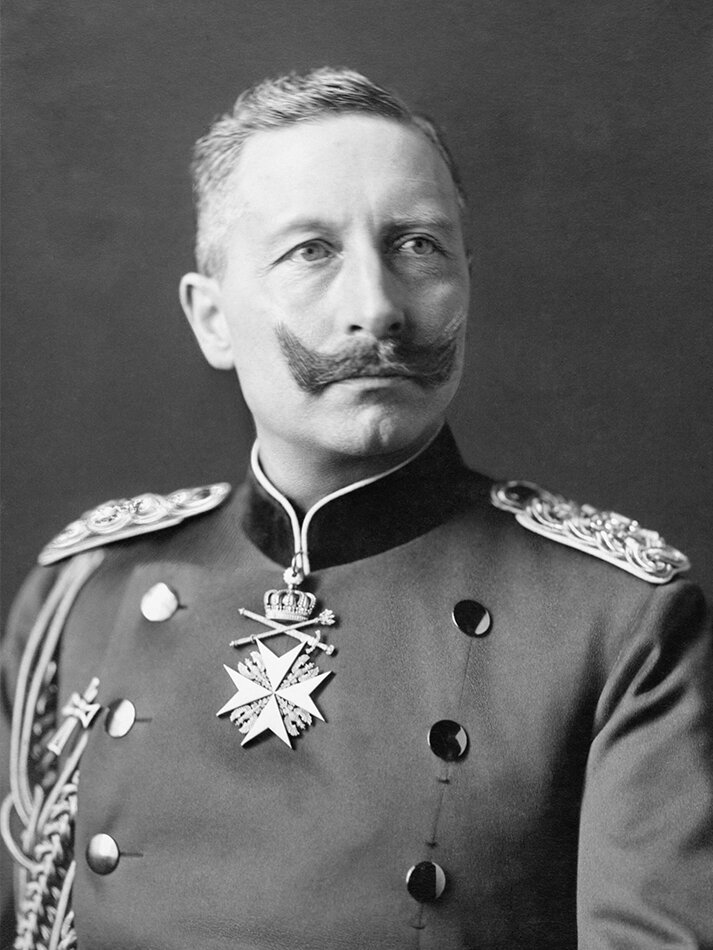
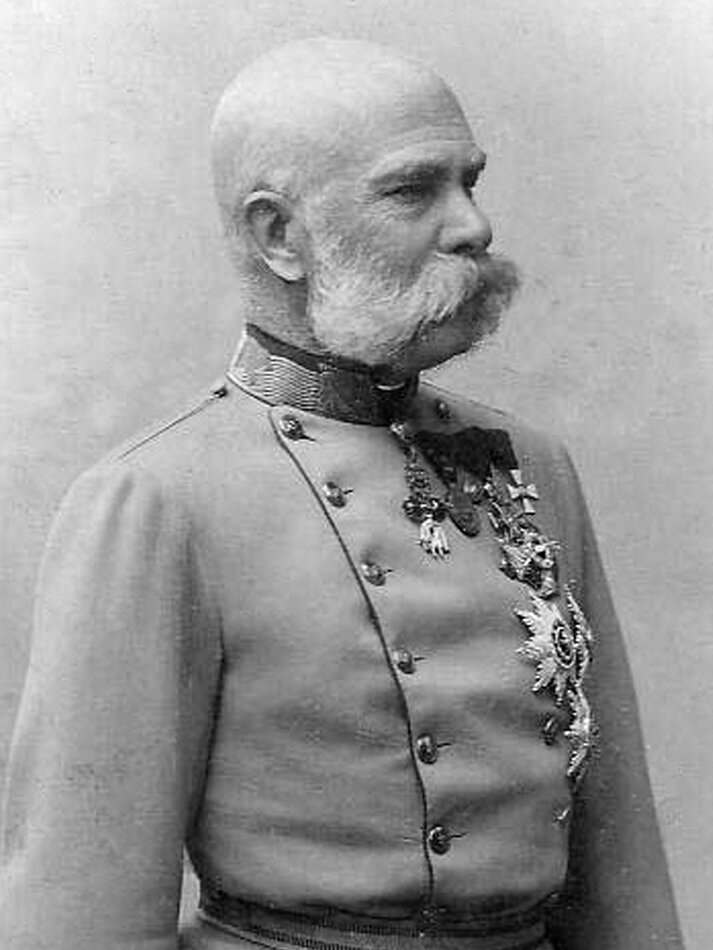
Following the outbreak of the war, Józef Piłsudski was given permission from the Austrian authorities to mobilise riflemen units in Galicia. His aim, known to the Austrians, was to initiate an uprising in the Kingdom of Poland. Polish riflemen associations became the core of the Polish Legions formed in 1914. They fought against the Russians. The Commander‑in‑Chief of the Russian Army, Grand Duke Nicholas Nikolaevich, published a manifesto calling for a joint fight alongside Russia and promising the reunification of the Polish lands under the Tsar's rule and the freedom of religion and language. However, the manifesto did not go beyond generalities. There was no hint of any future independence for Poland. Pro‑Russian supporters such as Zdzisław Lubomirski or Roman Dmowski, who adopted a passive attitude to the attempts at getting them involved in collaboration with the occupant German and Austrian administration, were called PassivistsPassivists. Those politicians who supported collaboration with the Central Powers were called ActivistsActivists. Józef Piłsudski was one of them. In November 1916, the Poles received a general manifesto from William II of Germany and Franz Joseph II of Austria‑Hungary promising the establishment of a Polish state. A reborn Poland was to become one of Germany's future dependent states (under the MitteleuropaMitteleuropa Plan). This was the so‑called Proclamation of 5th November. Neither Józef Piłsudski, nor Roman Dmowski found its message acceptable.
Read the source text and mark the information which directly refers to the issues described in the source text.
Pamiętniki„W połowie sierpnia 1914 r. Poleska weszła w wir wojny światowej rozdwojona, tak samo jak była rozdwojona w czasie wojny japońskiej, rewolucji rosyjskiej i po niej. [...] Rozdwojenie Polski objawiło się najstraszniejszym obiektywnym faktem, że Polacy musieli walczyć z Polakami za cele nie polskie, lecz rosyjskie, pruskie, austriackie. W okopach wrogich armii strzelali do siebie żołnierze polscy i wytrzymali ten stan przez całą długa wojnę. Nie można stwierdzić, jakoby żołnierze polscy w tych trzech armiach wyciągnęli jakiekolwiek konsekwencje z tego stanu rzeczy. [...] Rzeka krwi polskiej miała się polać bezimiennie, bez celu polskiego. Tylko garść Piłsudskiego wywiesiła śmiało sztandar niepodległej Polski, ona jedna nie taiła swoich zamiarów, ona jedna była przekonana, że trudzi się i umiera za Polskę”.
Source: Ignacy Daszyński, Pamiętniki, Warszawa 1957, s. 176–177.
Mark information which directly refers to the issues described in the source text.
- According to estimates, a total of 1,548,000 soldiers were drafted in 1914 from Poland's territory within the borders of 1923. Out of that number, 725,000 were drafted from the Russian Partition, 541,000 from Galicia and 252,000 from the Prussian Partition.
- The Polish society in the Prussian and the Austrian Partitions related to "their" army (even though it beloged to the partitioning power) because it was common for sons, relatives and neighbours to serve in that army. However, Polish communities in the Prussian Partition had no sympathy for Germany. The Poles would turn up at barracks simply because they had no other choice.
- The armies mobilised thousands of horses and carriages which were needed in order to form fleets and to transport munitions; they commenced purchases of meat, grain, milk, food products and horse feed.
- The Poles accounted for about 5% of all solider victims of World War I.
- Mobilisation in the Polish districts was successful. Almost all draftees turned up and Polish recruits from the Russian and the Austrian Partitions did want to serve in the war. They expected a victory.
Use the map and the information you have learnt to explain the circumstances of the Russians' retreat from the Kingdom of Poland in 1915.
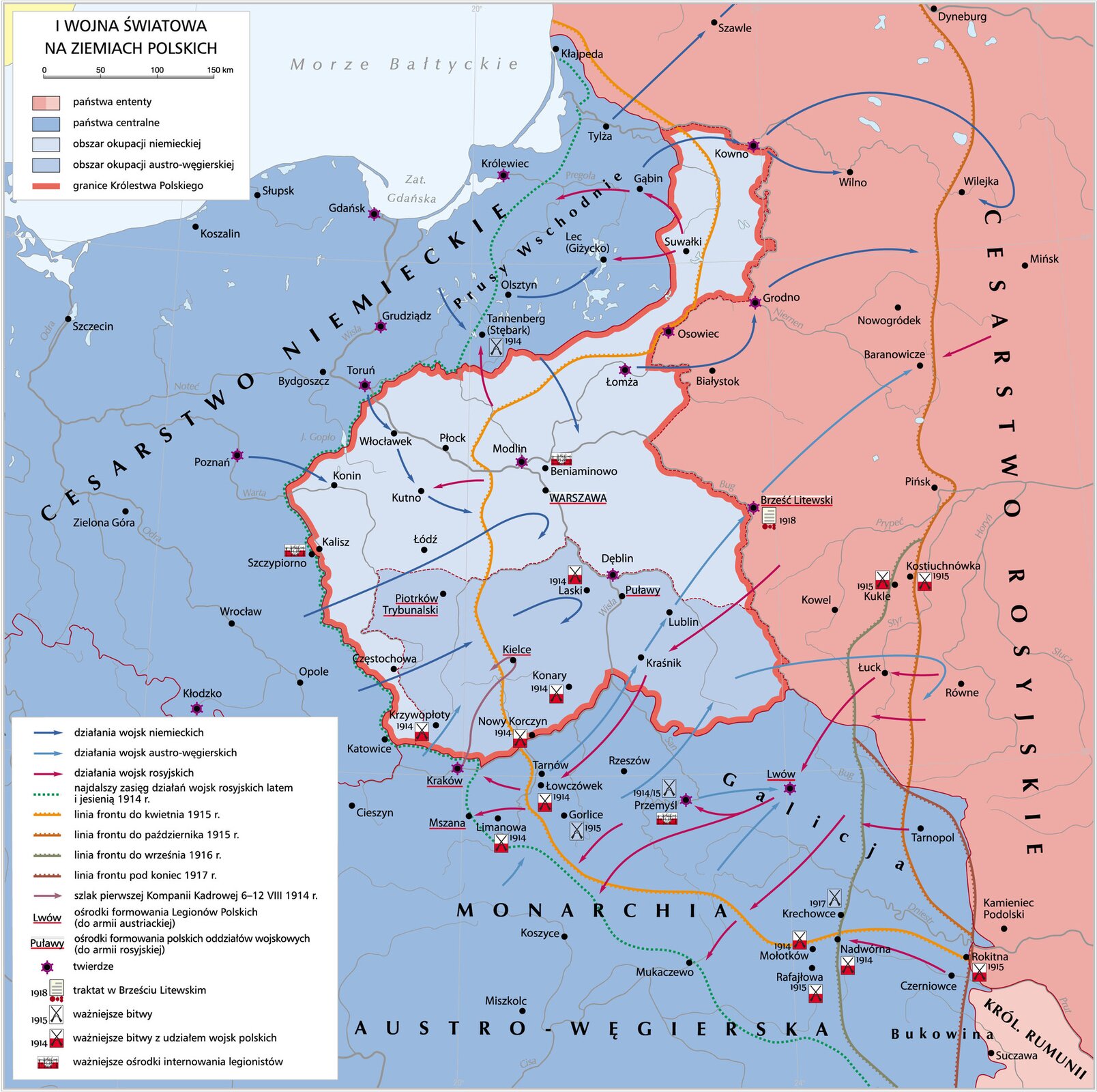
Organise what you know about Józef Piłsudski's 1st Brigade. Complete the missing words.
brigade, Kostiuchnówka, Volhynian front, Proclamation of 5th November, Austrian, June 1916
In December 1914, the troops under Józef Piłsudski's command headed for Kraków, where they were transformed into a ......................................................... On 22–25 December 1914, when the ........................................................ Army was defeated in heavy combat at Łowczówek, the Brigade managed to retain its positions. During the offensive of the Central Powers, the Legions led by Piłsudski fought in the battle at Konary in May 1915. Then, as part of the 4th Infantry Division in II Corps of the Austro-Hungarian Army, they joined in the chase after the Russian Army. Later, the Brigade was stationed on the ........................................................ for almost a year. During the Brusilov Offensive started in ........................................................, it engaged in heavy defensive fights at ......................................................... Those fights were the greatest battle fought by the Polish Legions and the first military confrontation for Polish soldiers in the 20th century that had political implications for Poland. It was probably the bravery and effort of the Legions that impressed the Emperors of Austro-Hungary and Germany so much that they issued the ......................................................... The officers of the German General Staff start to see Polish soldiers as allies of a potentially greater strength than the Austro-Hungarian forces.
Read the source text and mark those passages that describe the borders and the system of government of the future Polish state.
borders and the system of government
Proclamation of 5th November
His Majesty the Austrian Emperor and Apostolic King of Hungary and his Majesty the German Emperor, sustained by their firm confidence in the final victory of their arms, and guided by the wish to lead to a happy future the Polish districts which by their brave armies were snatched with heavy sacrifices from Russian power, have agreed to form from these districts an independent State with a hereditary Monarchy and a Constitution. The more precise regulation of the frontiers remains reserved.
In union with both the Allied Powers the new Kingdom will find the guarantees which it desires for the free development of its strength. In its own Army the glorious traditions of the Polish Army of former times and the memory of our brave Polish fellow-combatants in the great war of the present time will continue to live. Its organisation, training and command, will be regulated by mutual agreement. The Allied Monarchs confidently hope that their wishes for the State and national development of the Kingdom of Poland will now be fulfilled with the necessary regard to the general political conditions of Europe and to the welfare and security of their own countries and peoples.
The great western neighbours of the Kingdom of Poland will see with pleasure arise again and flourish at their eastern frontier a free and happy State rejoicing in its national life.
Keywords
Piłsudski, independence, Poland, Polish Military Organisation (POW), Supreme National Committee (NKN)
Glossary
Aktywiści – zwolennicy współpracy z państwami centralnymi; w ostatnich latach wojny aktywiści będą stopniowo dążyć do zaniechania współpracy z Austrią.
Pasywiści – politycy o orientacji prorosyjskiej, którzy zajmowali bierną postawę wobec prób wciągnięcia ich do współpracy z okupacyjnymi władzami niemieckimi i austriackimi; po rewolucji lutowej 1917 roku w Rosji w większości zmienią orientację polityczną, opowiadając się po stronie mocarstw zachodnioeuropejskich.
Polska Organizacja Wosjkowa – tajna organizacja wojskowa powstała w sierpniu 1914 w Warszawie z inicjatywy Józefa Piłsudskiego
Naczelny Komitet Narodowy – organizacja powołana w sierpniu 1914 w Krakowie, w wyniku porozumienia polskich środowisk konserwatywnych i demokratycznych jako najwyższa władza wojskowa, polityczna i skarbowa dla Polaków zamieszkujących Galicję.
Mitteleuropa – koncepcja polityki niemieckiej sformułowana w 1915 r.; środkowa część Europy, wraz z ziemiami polskimi miała stać się podporządkowanym państwu niemieckiemu tworem gospodarczo‑politycznym